I have been working on the Overland Trains book cover this last week. This is a draft cover and title so far. September 12th is the tentative release date. The cover image was taken by Les Millen, with use permissions provided by George Millen.
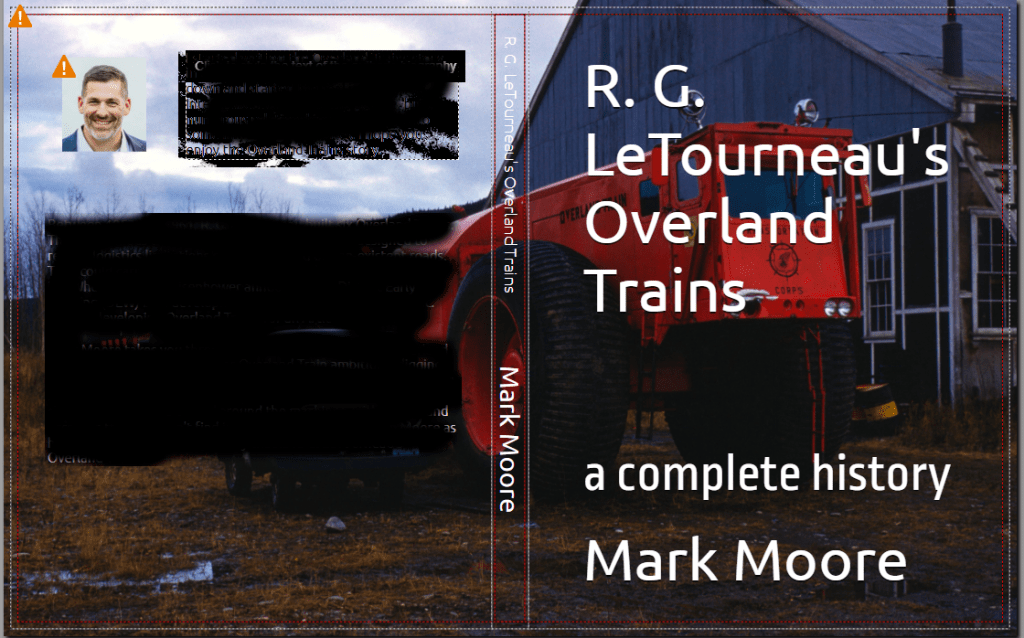
I have been working on the Overland Trains book cover this last week. This is a draft cover and title so far. September 12th is the tentative release date. The cover image was taken by Les Millen, with use permissions provided by George Millen.
I have been working on the Overland Trains story for the past two and a half years. It has taken me hundreds of hours, if not thousands to complete the book to where it is now. At some point, you have to put a stop to adding the minutia and get out the book. Based on the current book’s draft state and editing, I set a target pre-release date of September 14, 2022. The book will be released on Kindle (sans images) and a high quality color gloss paperback.
New information about the Overland Trains are found or sent to me every month. Quite often someone will message me on social media with an obscure document that shows a piece of the story, while another might be a mind blowing connection between people or the machines. On July 5th, 2022, I received a parcel from a man in Alberta, Canada that just opened up a can of historical worms.
The original documentation sent to me spelled out the sale of the Sno-Train in 2010 to its current owner with several dozen photographs and emails. I knew about the sale and a few of the details, but not to this level. The provided documentation opened up more rabbit holes for me to follow, while completing the sales history in the Sno-Train chapter. These new data have been incorporated in the rough draft of my book.
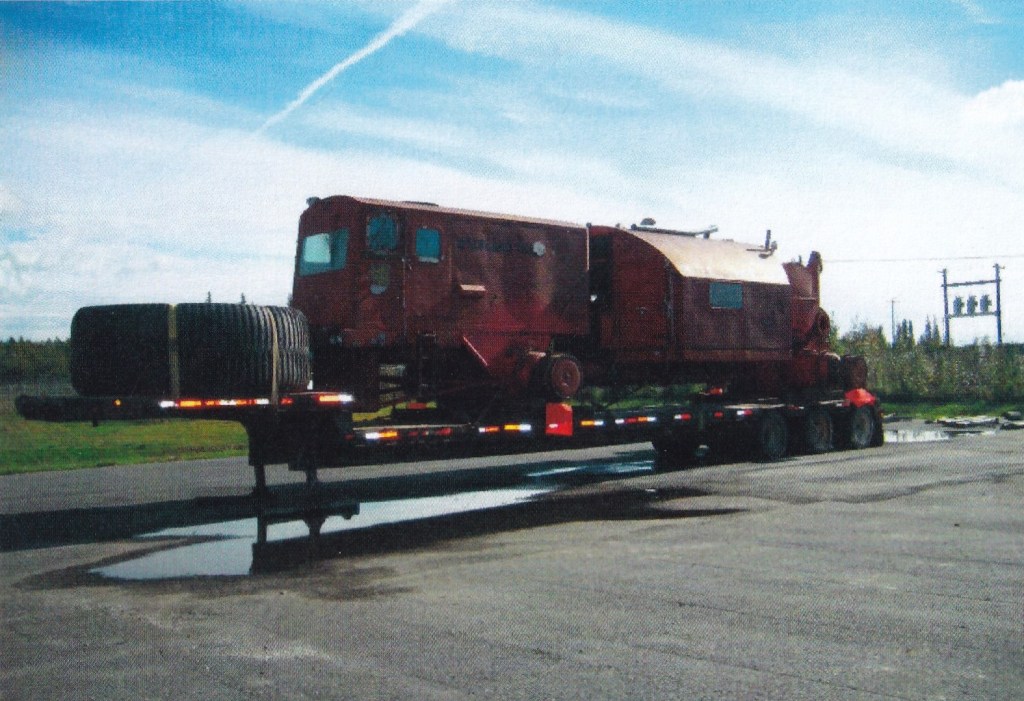
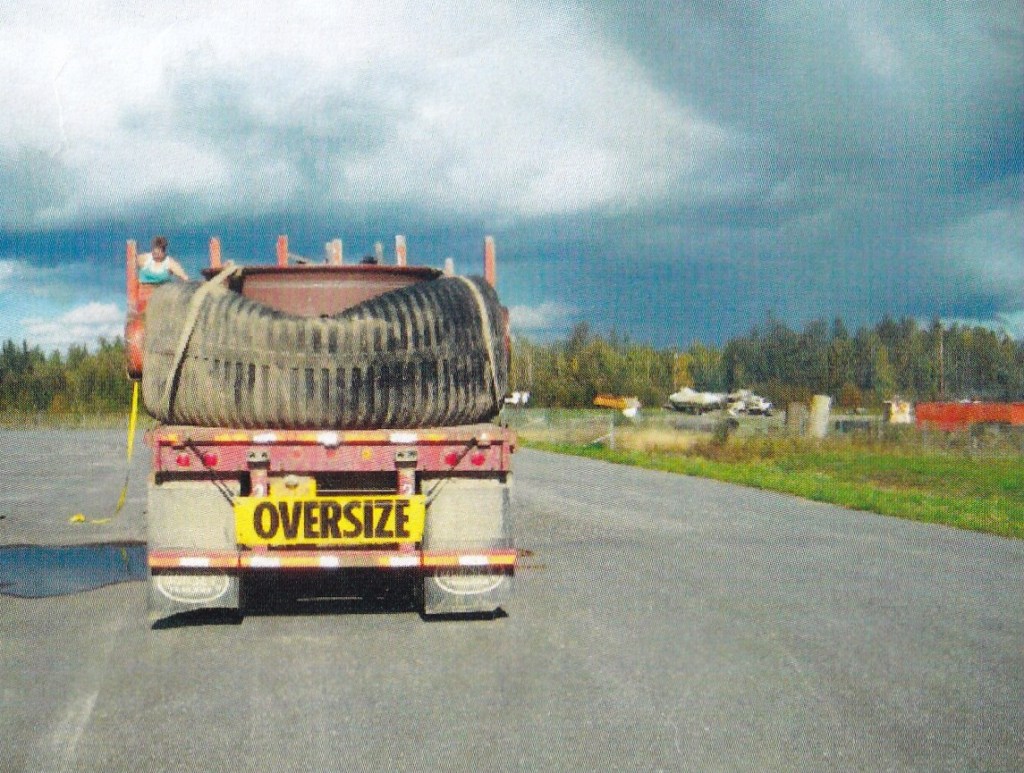
The Sno-Train was purchased by a private party in 2010. After its purchase, a company was hired to transport the Sno-Train and its wheels to the Yukon Transportation Museum in Whitehorse, YT.
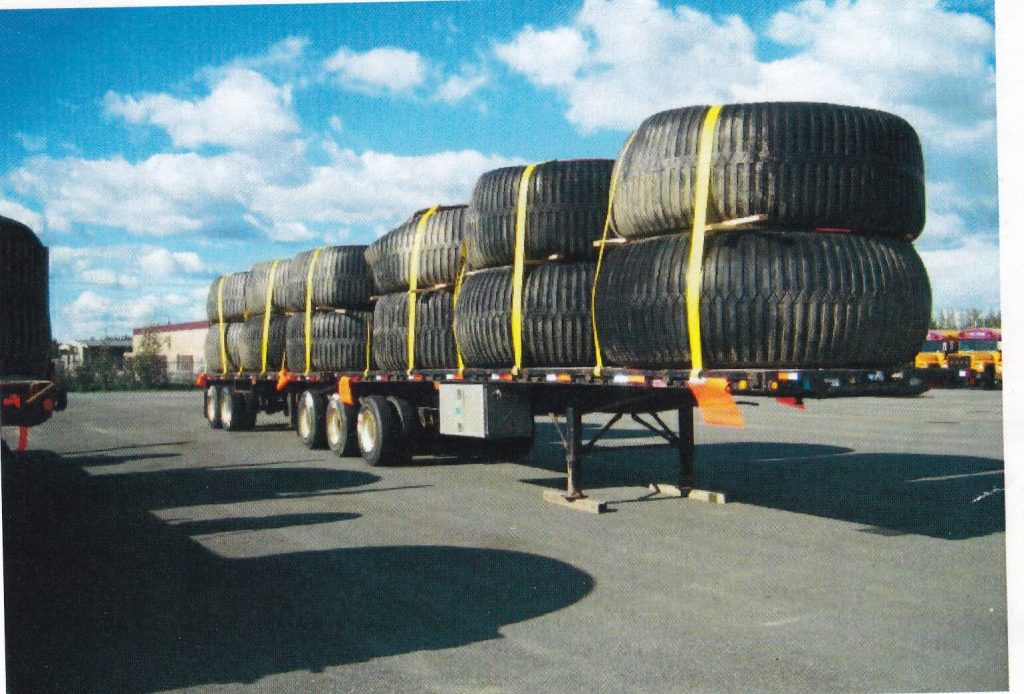
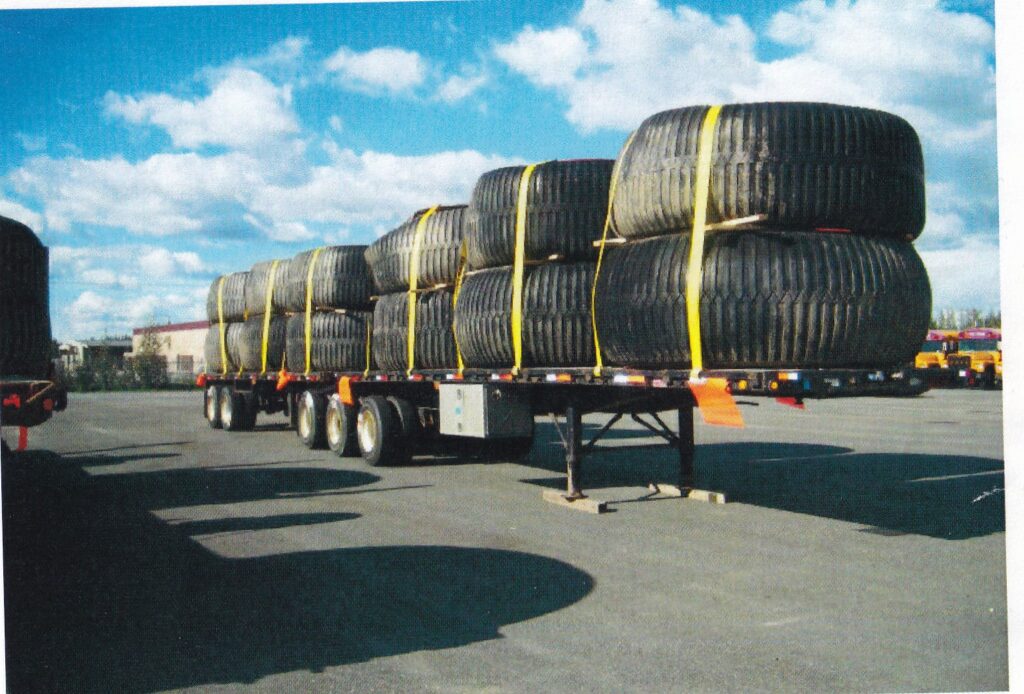
Shipping this behemoth was not an easy task, nor was it cheap. Every trailer was an oversized load and required a pilot car for safe transit.
When the Sno-Train arrived at the Yukon Transportation Museum, it was placed on wood blocks until a crane arrived to help mount the tires and place The Monster.
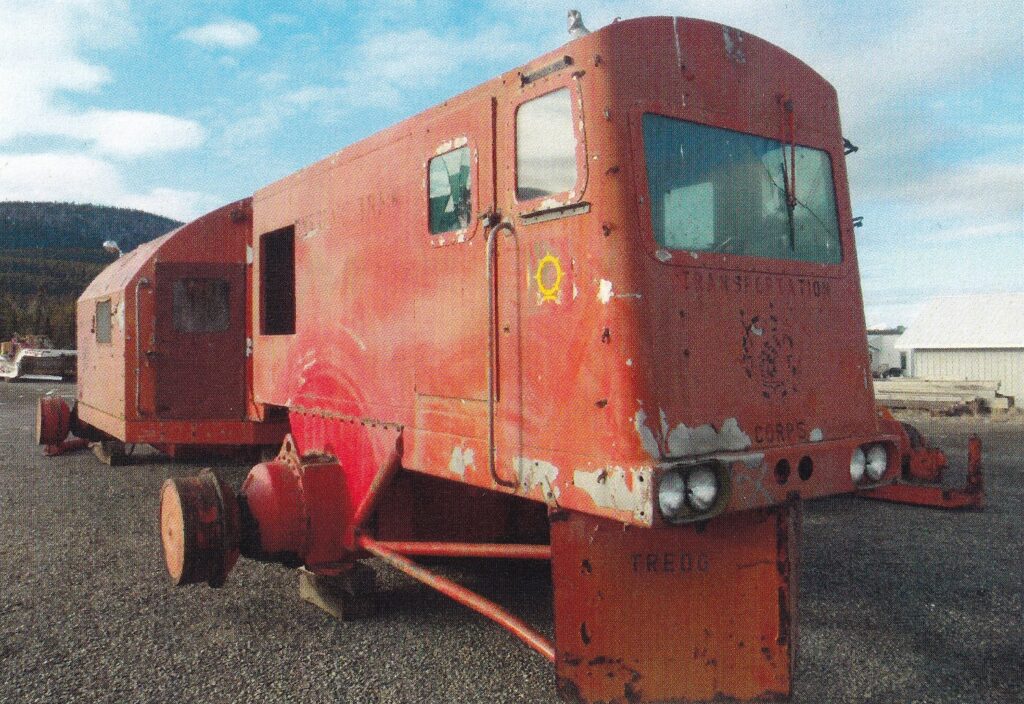
You can see the non-oxidized paint color right above the Electric Drive. The lack of UV exposure and the large Firestone 120x48x68s slight rubbing on the body likely helped keep this area nice and clean – relatively so. The Sno-Train has been on a long-term loan to the Yukon Transportation Museum since 2010.
My proposal to speak about R. G. LeTourneau’s Overland Trains was accepted for the Alaska Historical Society’s (AHS) Annual Conference. We are still ironing out the details on the date. However, the presentation will occur on the morning or afternoon of October 6-8 or 13-15, 2022. You can read more about the conference on the AHS website at https://alaskahistoricalsociety.org/about-ahs/conference/.
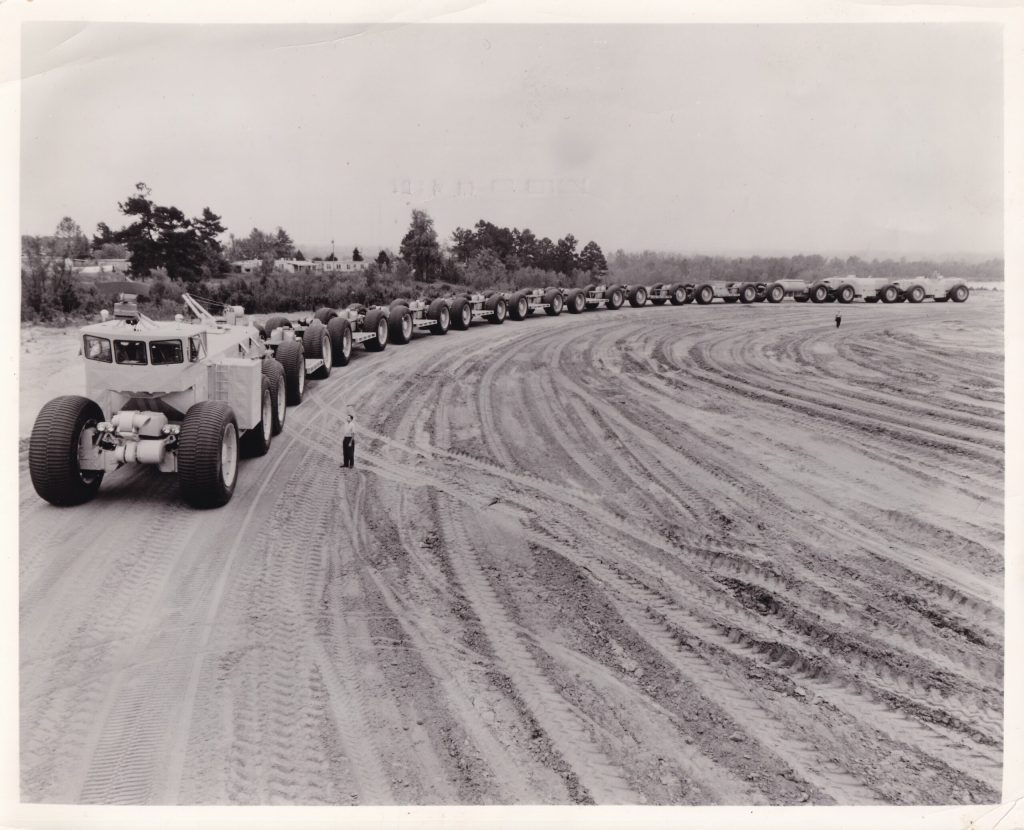
More specifically, the TC-497 appears to be at the previously known Red Hill. The photograph is dated February 23, 1962. This date is fairly close to accurate. In early March 1962, the TC-497 was shipped to the Army’s Yuma Proving Ground for additional testing.
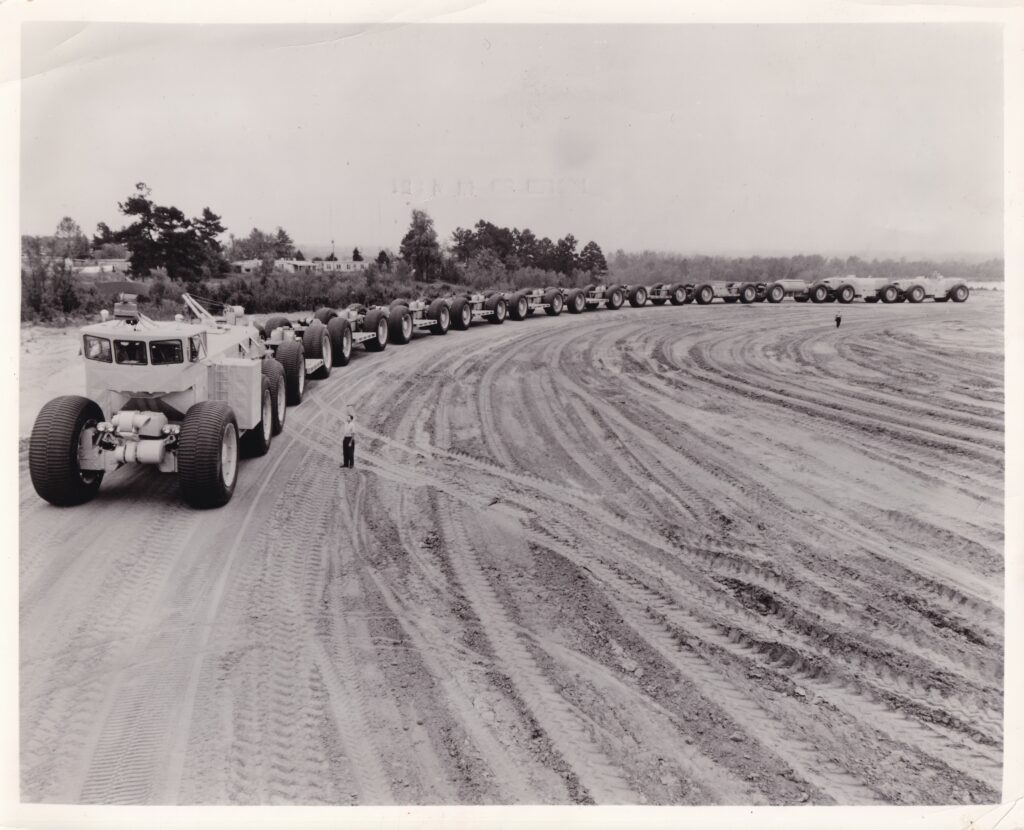
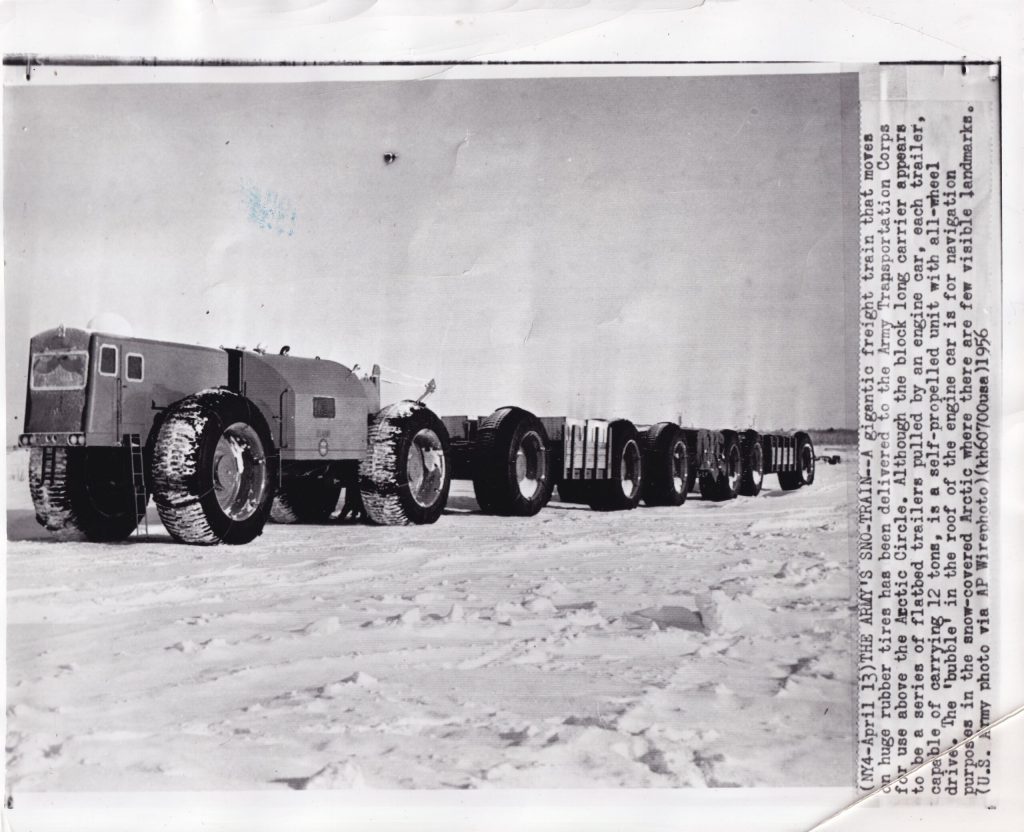
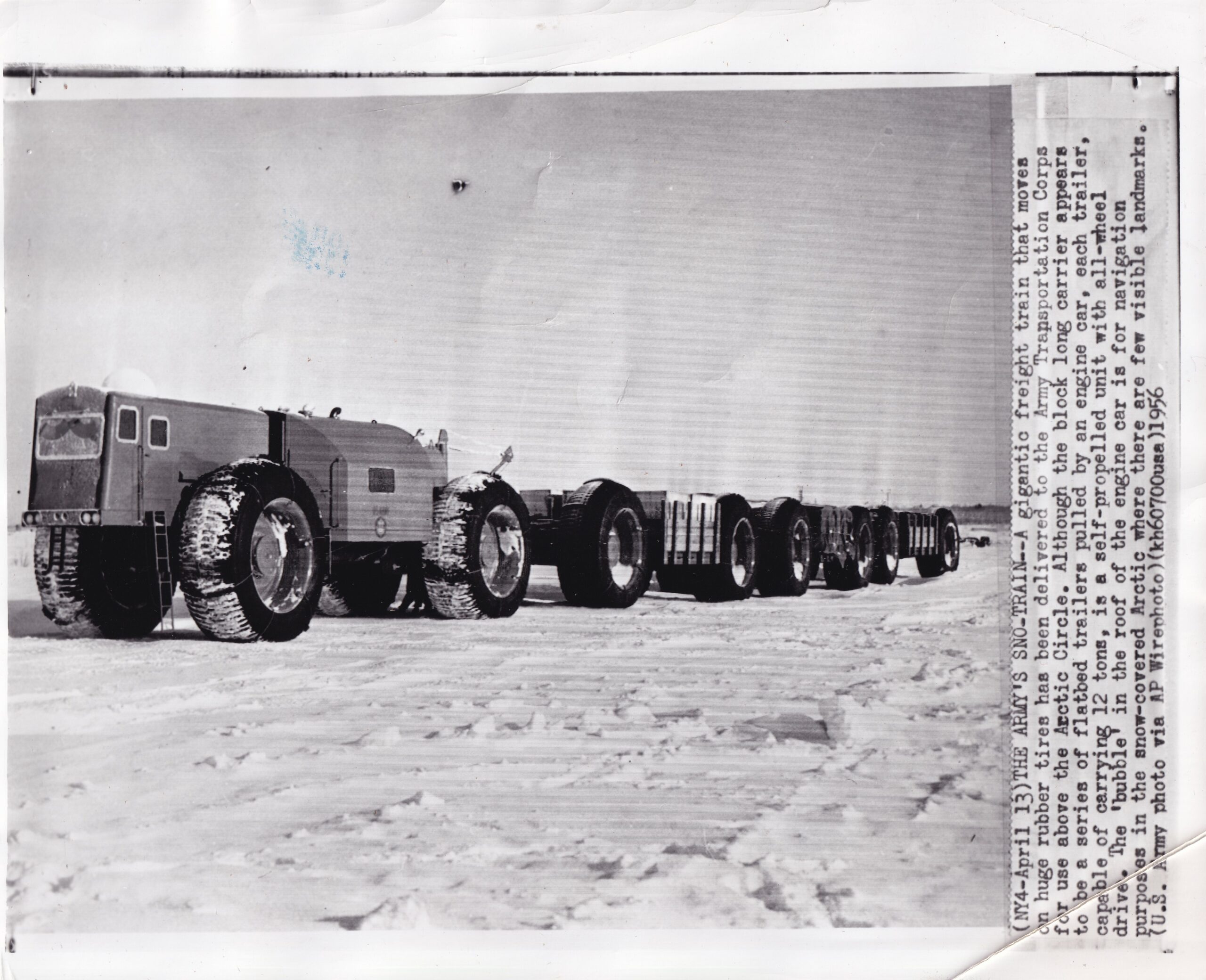
The Sno-Train departed R. G. LeTourneau, Inc in early February, 1956, to the Army’s Houghton, MI testing grounds. It arrived in the middle of February, 1956. It was tested alongside other equipment such as the Rolling Liquid Transporter, or RLT. On April 2, 1956, the Sno-Train departed Houghton, MI for Maryland.
Last month, I printed out three draft copies of my book – sans images. One copy was for me to read and edit, copy two for a Historian in Texas that I have been working with, and copy three to a man and his wife that has had a significant impact on this book and the Sno-Train and Sno-Freighter’s history. I just finished my edits and started cleaning up the working draft this morning.
Get Your Ego Out of the Way
Since delivering the copy three, they have emailed me a couple of times with questions and corrections. Their observations have improved the timeline quality and helped me clarify events sequences. When his wife first emailed me with questions and corrections, she was hesitant. She did not want to question my work. I wrote her back and told her:
Any time that you can improve upon your work, do it. You have to put aside your ego and let the data do the talking. As an author or professional [insert title here], if you are not open to criticism and willing to make changes, you’re in the wrong biz.
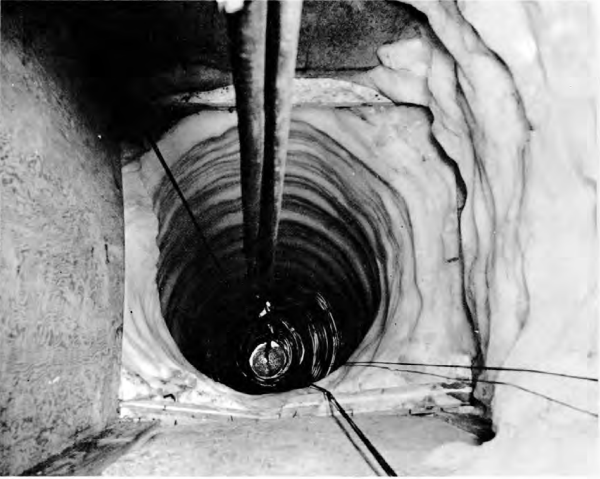
Camp Century, Greenland was an American Cold War era under-ice base designed for research and development. It hosted the first nuclear reactor used for energy production and part of the Army Nuclear Power Program. There have been numerous articles and papers about electrical production. However, let’s talk water.
Greenland is largely made up of ice – glaciers to be more specific. When the United States began populating Camp Century, they had to come up with a way to provide for drinking water and sanitation needs. Their solution was a subsurface water well called the Rodriguez Well.
The 500 feet deep well was installed at Camp Century during the summer of 1960. The primary well components were a diesel-fired steam generator capable of producing 165 psi of saturated steam, a melting-drill bit assembly for melting a well shaft into the ice; a melting-pump, and a pump for moving the melted water to the surface. Engineers also used a gasoline engine-powered cable winch for raising and lowering the bit assemblies. Once water was melted by the steam and pumped up the well shaft, it was stored in a 5000-gallon insulated and heated water storage tank.
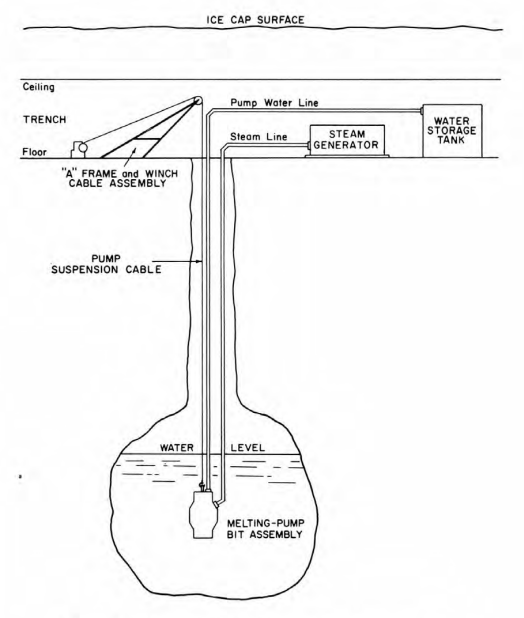
The water that the Camp consumed was suitable for drinking without the need for filtration or chemical sanitization. A report of the water quality cited that it was better than “water obtained by triple distillation in glass.”
Source: CRREL Technical Report 174, Camp Century Evolution of Concept and History of Design Construction and Performance, Clark, Elmer F., October 1965
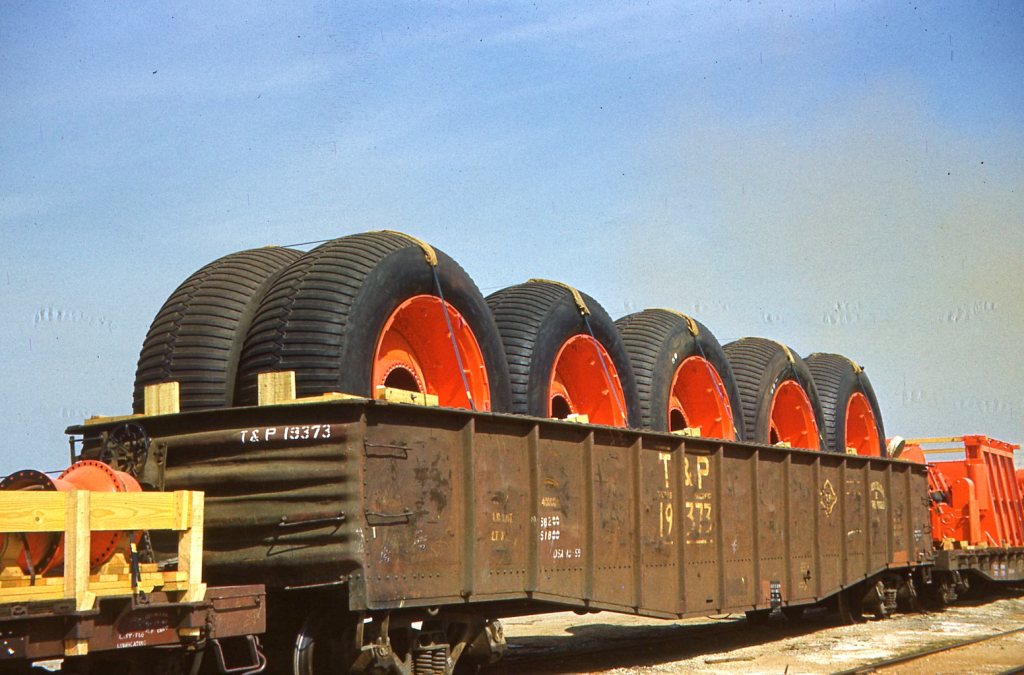
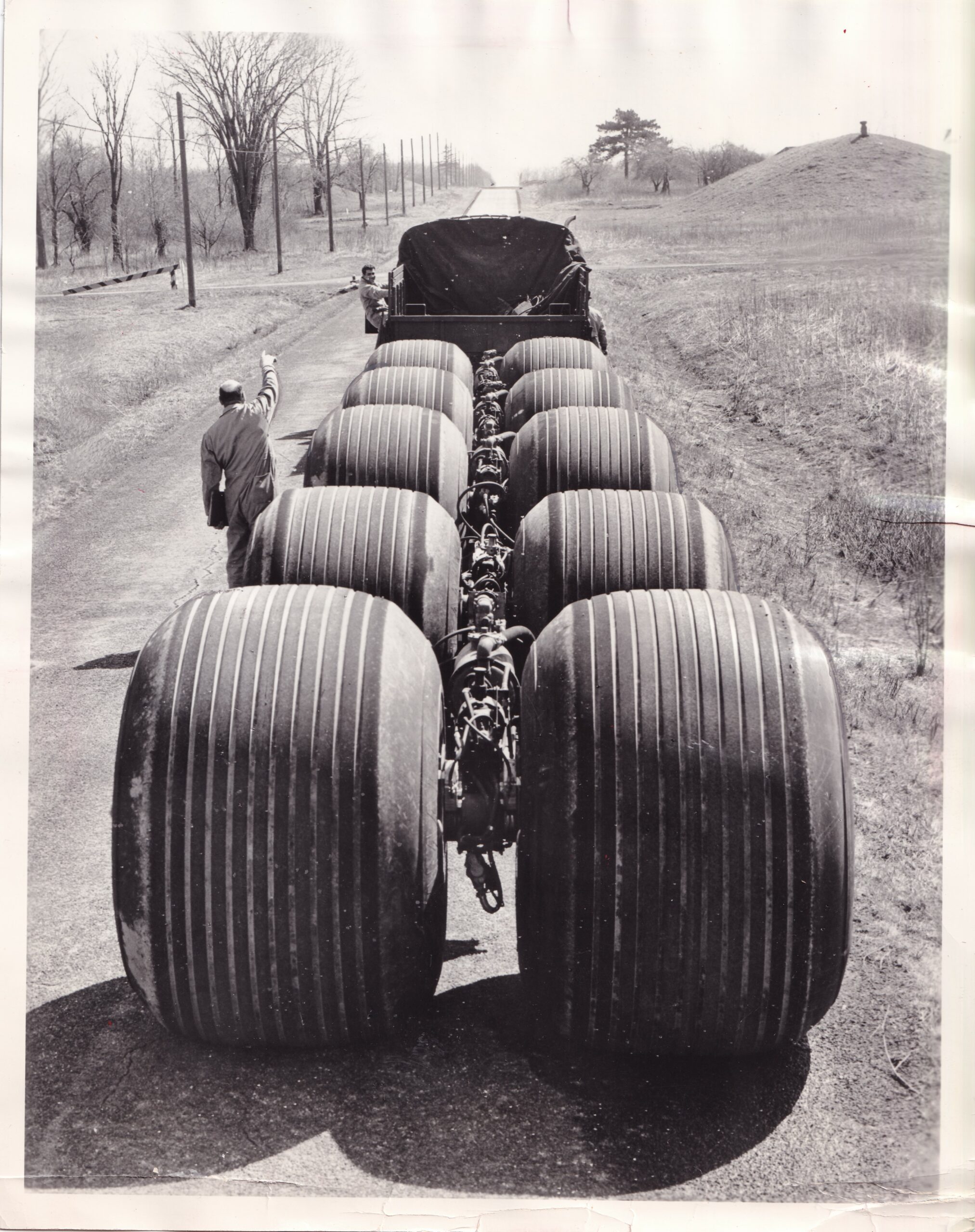
In March 1962, the TC-497 left LeTourneau’s Longview, TX factory for the Army’s Yuma Proving Ground (YPG). The Army had preliminarily accepted the TC-497. However, it needed several more years of testing and modifications. In the image below, you can see 10 of the 58 tires that were sent along to YPG. If you look to the bottom-left corner of the image, you can see LeTourneau’s Electric Drive, which includes the electric motor and driver (gear cluster).

Our Facebook Community has grown to over 1,500 Followers this week. We’ve had some fantastic interactions among our group. If you would like to join, please click the “Facebook Page” link at the top of the Overland Trains website. Thank you for your collaboration!
 Overland Trains