Articles

  • How Did the TC-497 Overland Train Steer?

    How Did the TC-497 Overland Train Steer?

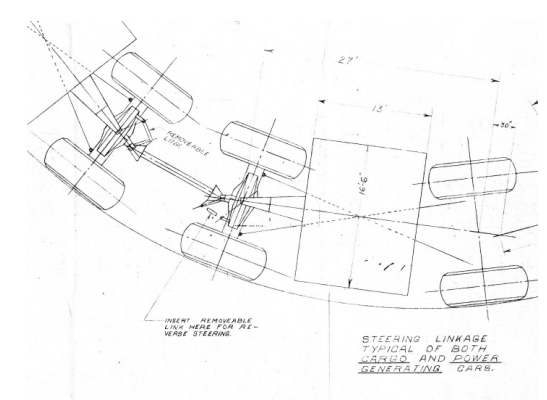
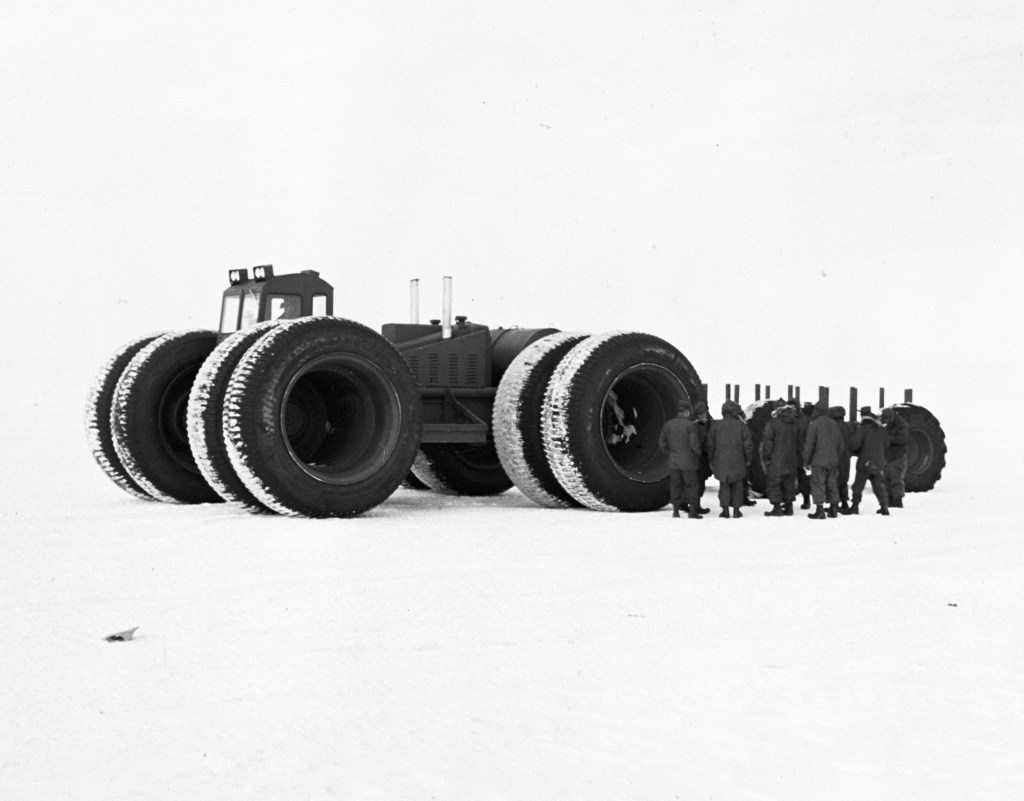
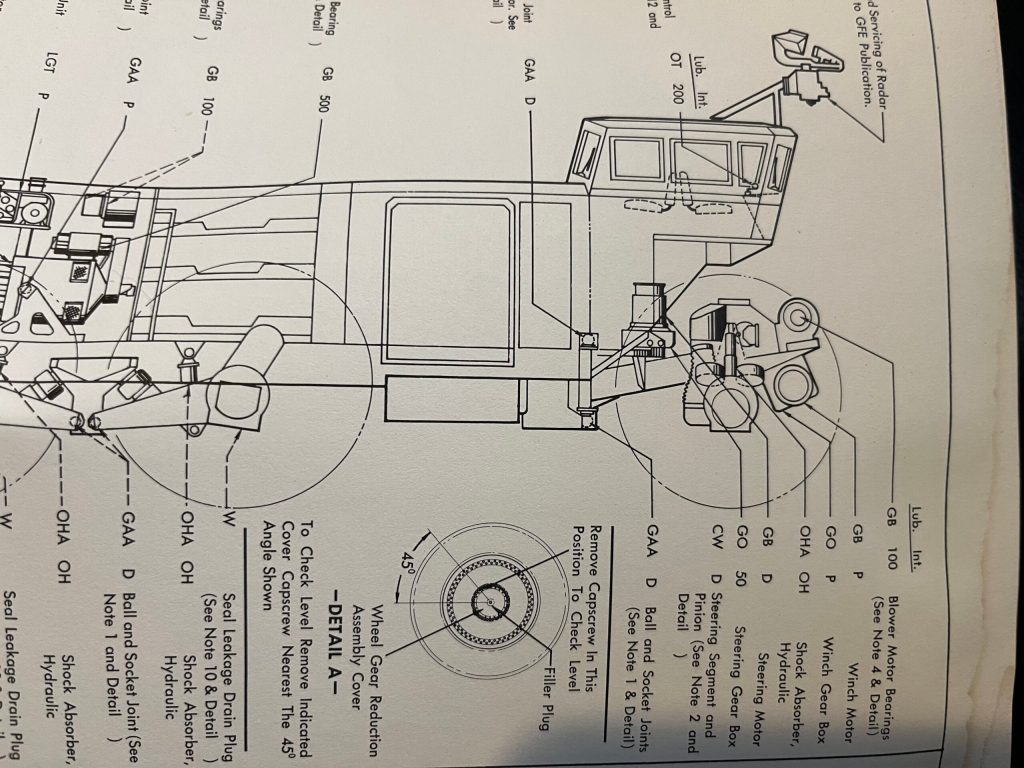
    The TC-497 had the most complex and innovative steering designs out of all of the Overland Trains. Much time and consideration was spent on ensuring that lessons learned from previous designs, including the Sno-Buggy, were engineered into the final product. The front wheels on the Control Car, or primary living space and command unit, were the only wheels to pivot, or steer on this car. An AC electric motor and gearbox mated with a steel gear, which is fixed to the front steering arms.
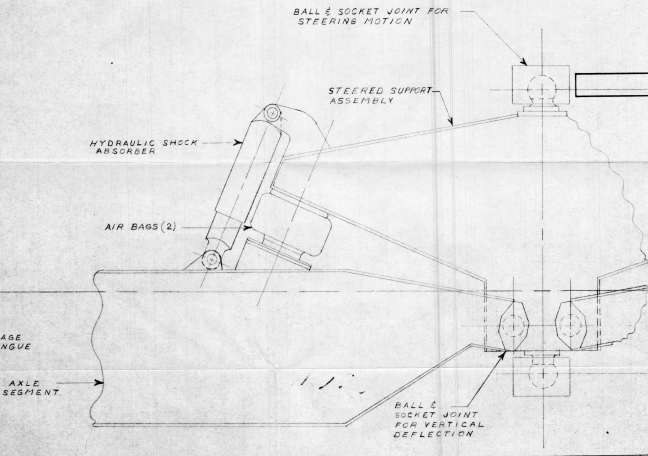
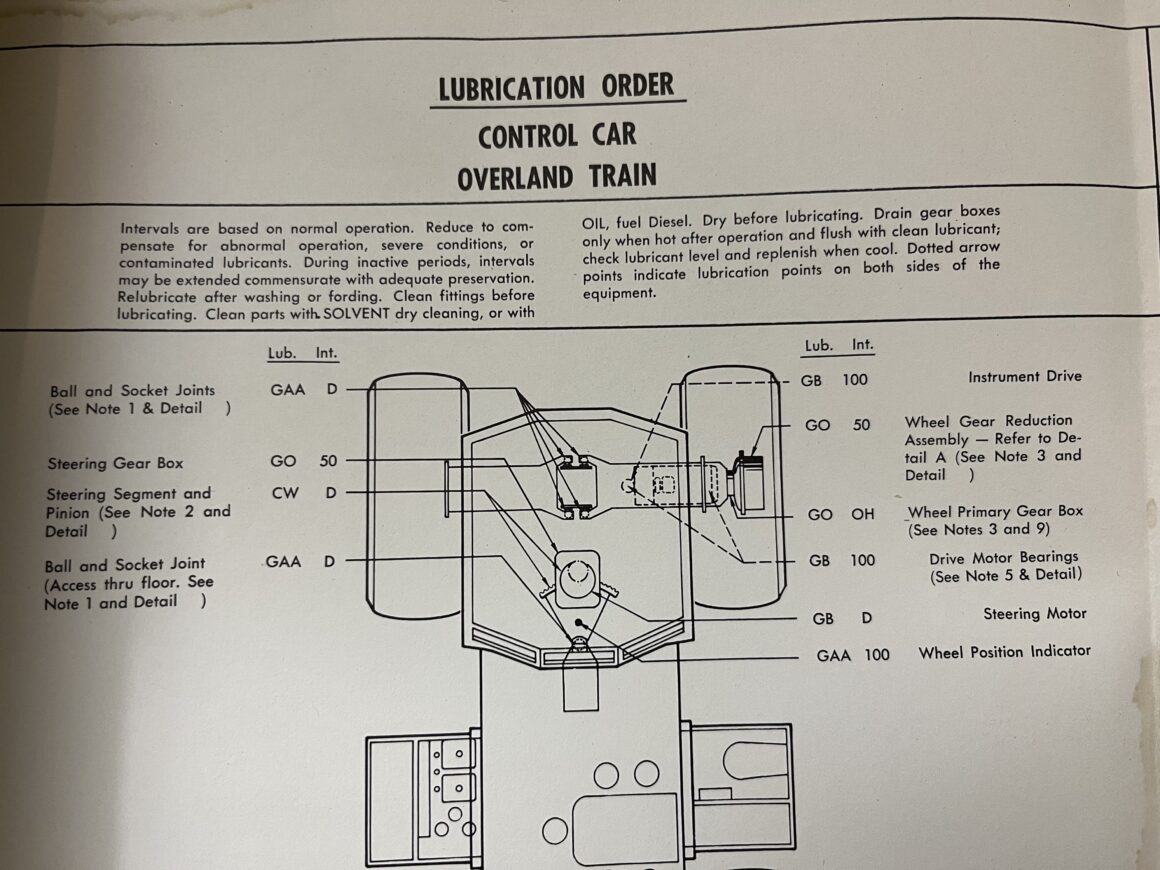
    The TC-497 was the only Overland Train with specific technology to enable steering in reverse. Testing revealed that it could be used in a pinch, but only in situations that warranted the risk. Page 244 of my book go into a little more detail on this feature.

    Reverse Steering
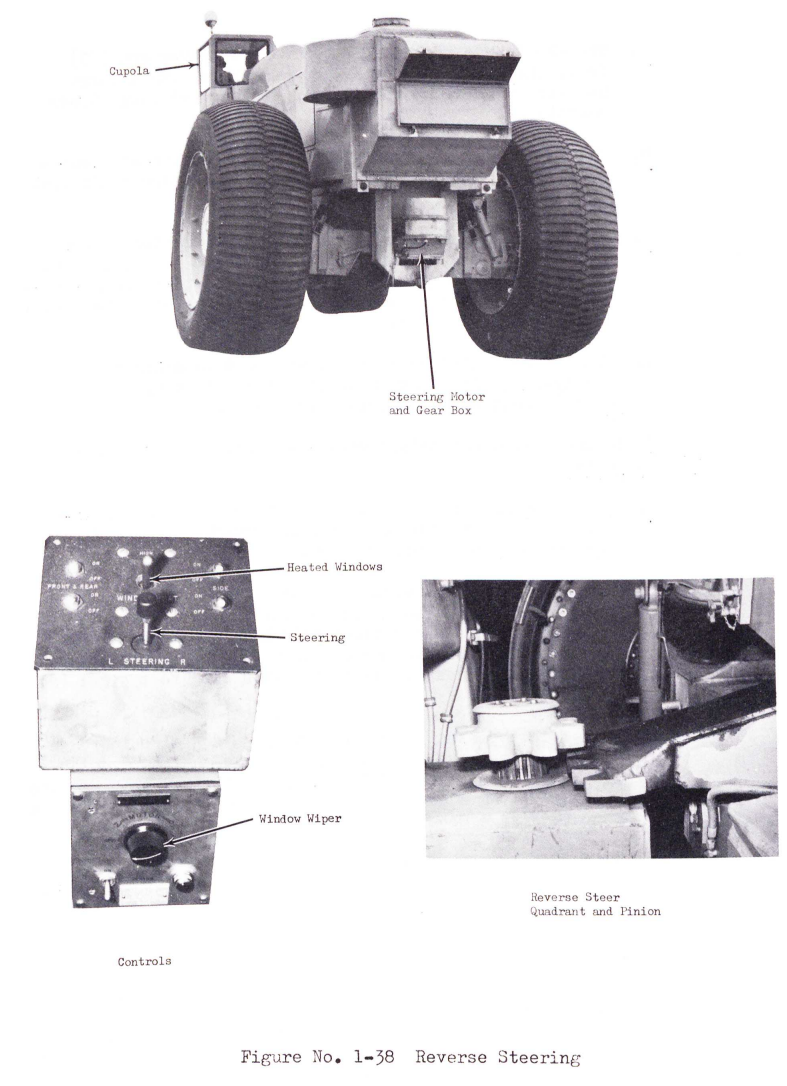
    Reverse steering linkage and removable link used for reverse steering

    The trailers followed the Control Car in an exacting track. From my book,

    “There was a wagon-style tongue through a rigid link connecting it to the front axle assembly. The rear axle would track the front wheels with a set of diagonally attached steering cables, forming an X-arrangement. Any movement by the front axles is
    mirrored on the rear axles”

    r. g. LeTourneau’s Overland trains: a complete history

    Here is a few scanned paged from the TC-497’s Phase 4 booklet that talk about the steering in narrative form.
  • YouTuber Calum Visits the TC-497 in Yuma Proving Ground

    YouTuber Calum Visits the TC-497 in Yuma Proving Ground

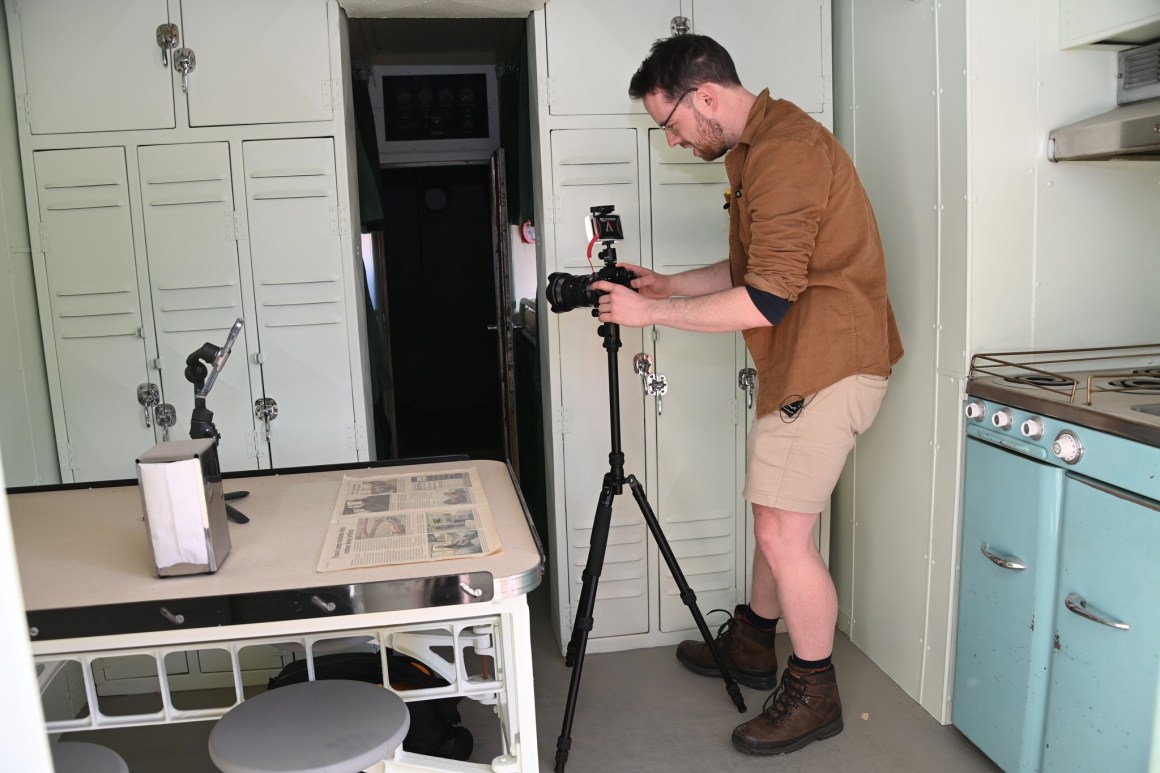
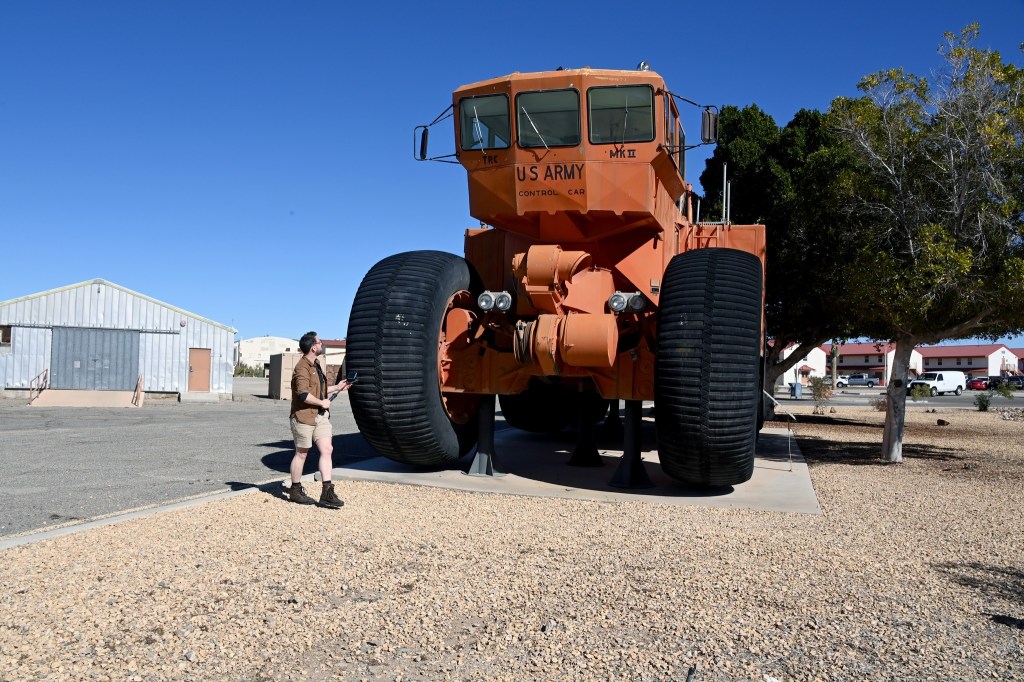
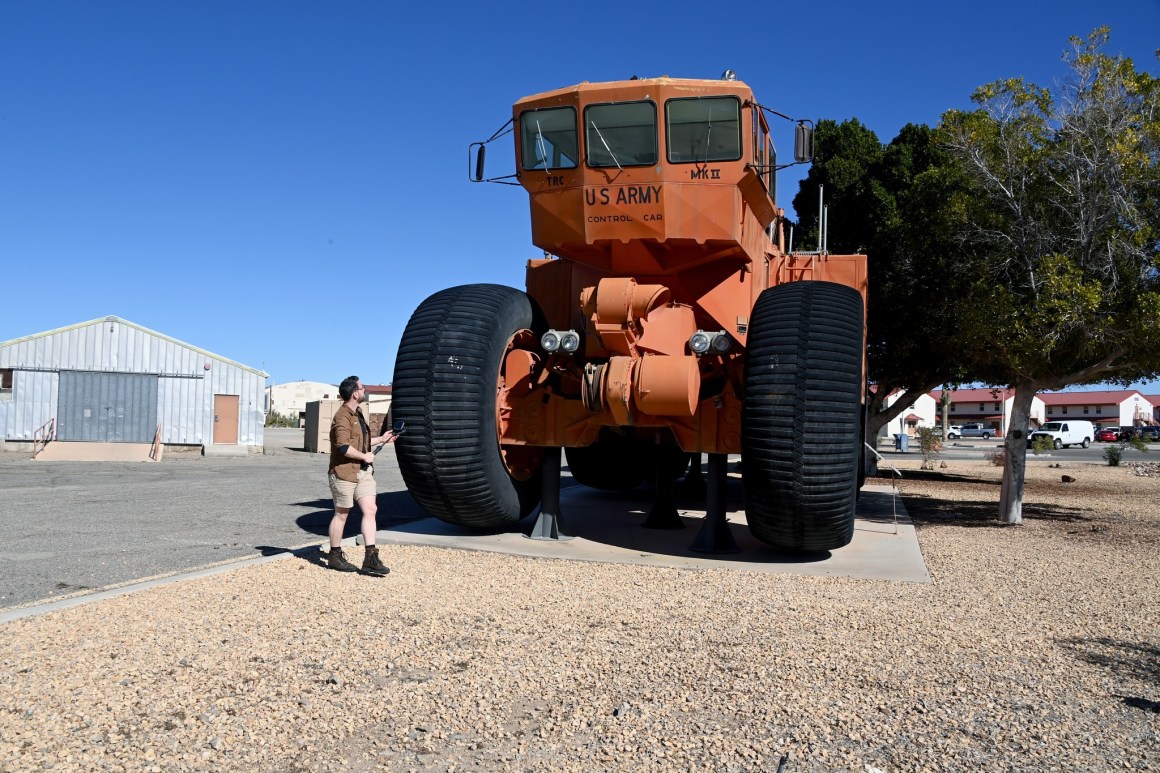
    Earlier this week, YouTube Calum Gillies from Scotland, visited Yuma Proving Ground in Mesa, AZ. He was in town to produce a segment on the TC-497 LeTourneau Overland Train. You can visit his previous Overland Trains video at https://www.youtube.com/watch?v=abGyX2uwXsw.

    Image from YPG Facebook
    Youtuber calum Gillies inside the tc-497. image from YPG facebook
  • R. G. LeTourneau’s Last Remaining Tournalaid Homes Face Demolition

    R. G. LeTourneau’s Last Remaining Tournalaid Homes Face Demolition

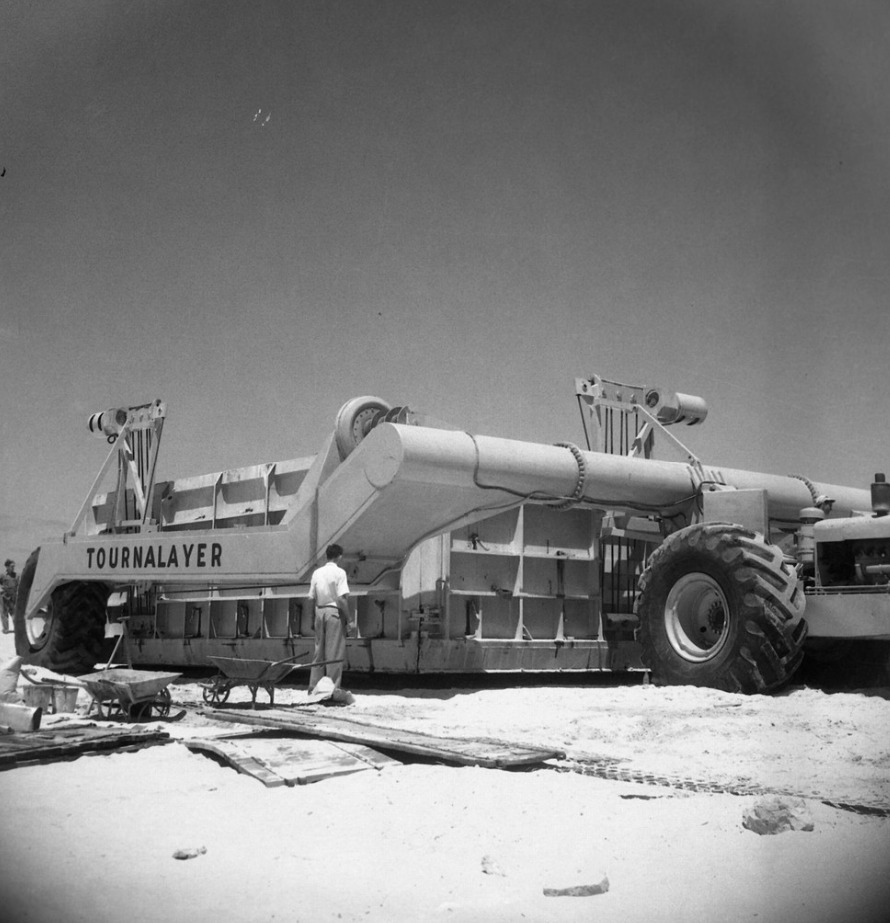
    Tournalaid homes were made in the hundreds during the WWII-era. These cement homes were prefabricated by a machine called the Tournalayer, designed and built by R. G. LeTourneau. The first Tournalayers were built in 1946 at the LeTourneau factory in Peoria, IL.

    tournalayer, image courtesy r. g. letourneau museum & archives at Letourneau university

    The Tournalayer was a giant mobile concrete form on wheels, a large 3-D printer of sorts using concrete. It was designed to build steel-reinforced concrete Tournalaid homes – one every 24 hours.

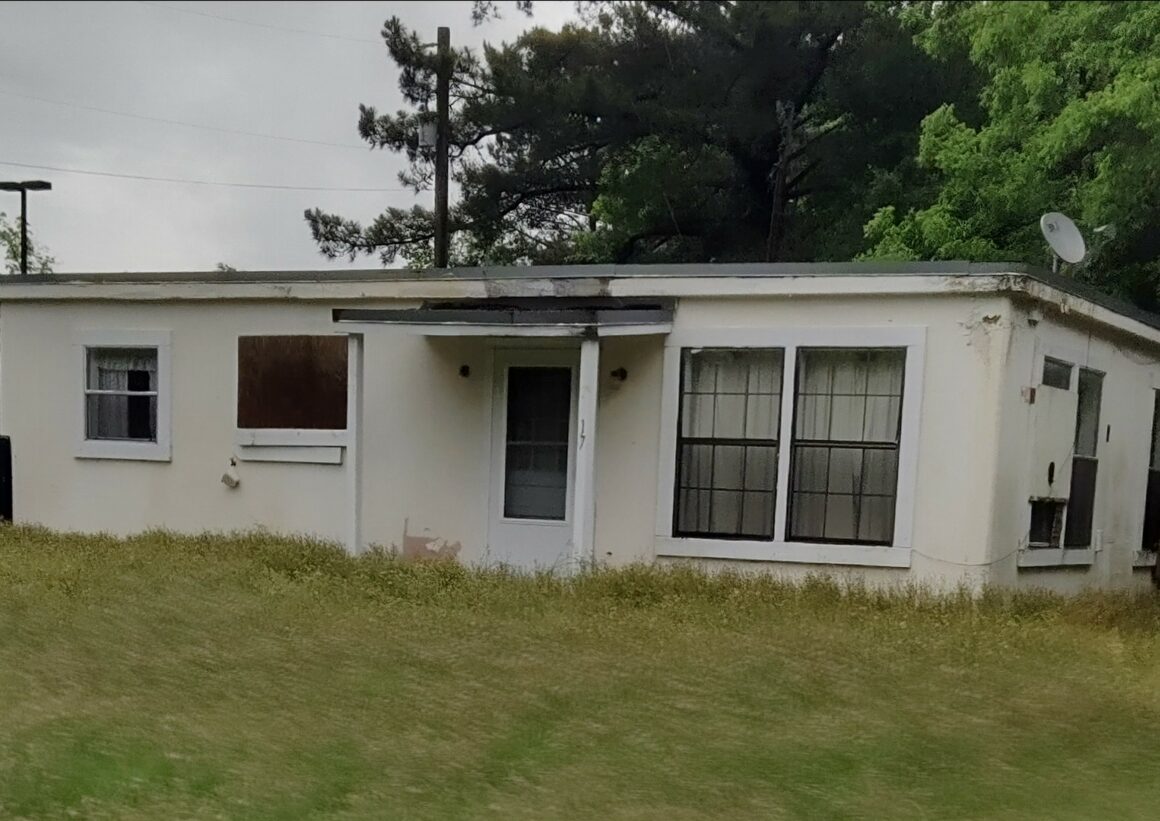
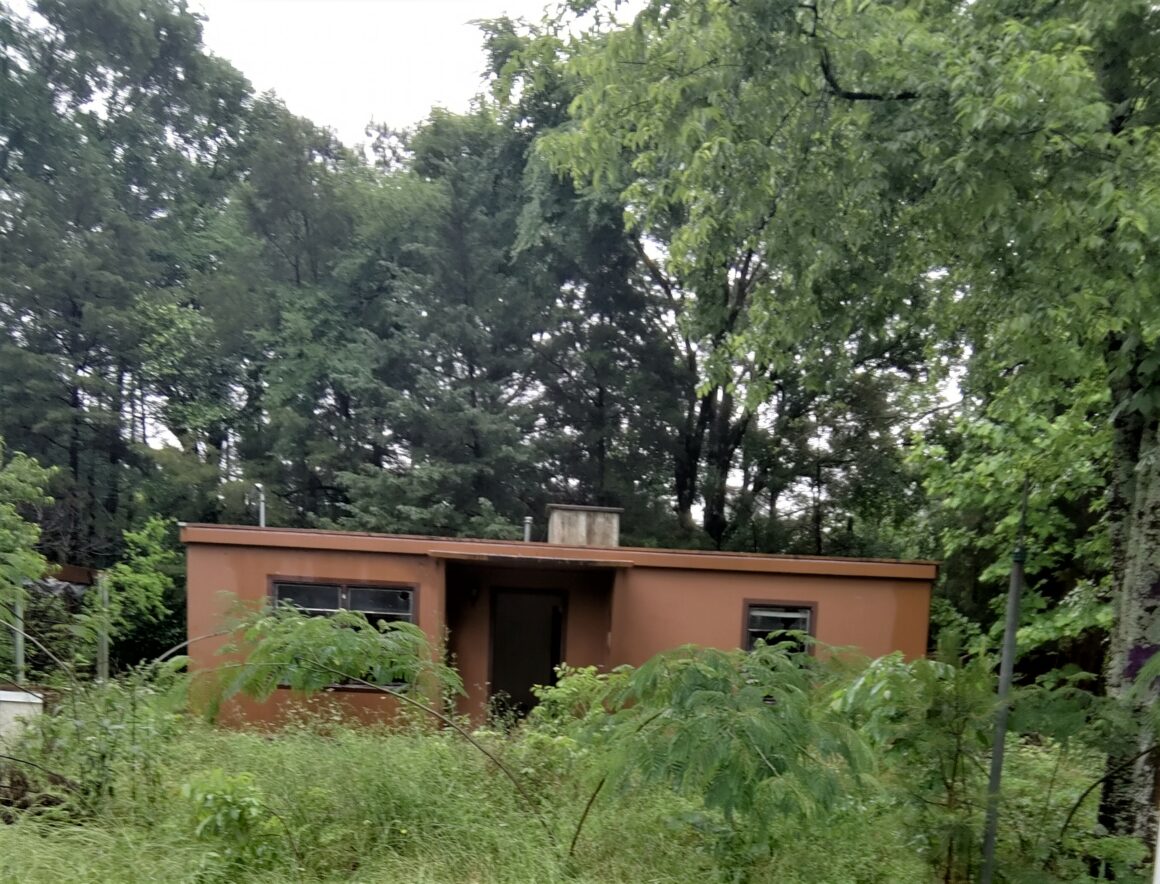
    Each Tournalaid home had a footprint of 30 feet by 20 feet. It had a living room, kitchen, utility
    room, and two bedrooms. Two Tournalaid homes exist next to the Longview factory, seen below.

    When I visited the LeTourneau’s old factory grounds in 2021, I took the following two pictures of the Tournalaid homes.

    1 of 2 Tournalaid homes facing demolition in Longview, tx
    2/2 tournalaid homes facing demolition in Longview, tx

    Efforts to Save These Existing Tournalaid Homes

    A local Longview, TX group started a website at https://tournalaid.com with the goal of saving the Tournalaid homes from demolition. Please sign up for updates from the aforementioned website and follow their updates. Let’s hope that we can save them.
    “We are publicly petitioning Komatsu Mining Corp. (Joy Global Longview Operations llc) to immediately cease from demolition or taking any adverse action against the two Tournalaid homes located on their properties on Macarthur street in Longview, Tx.”
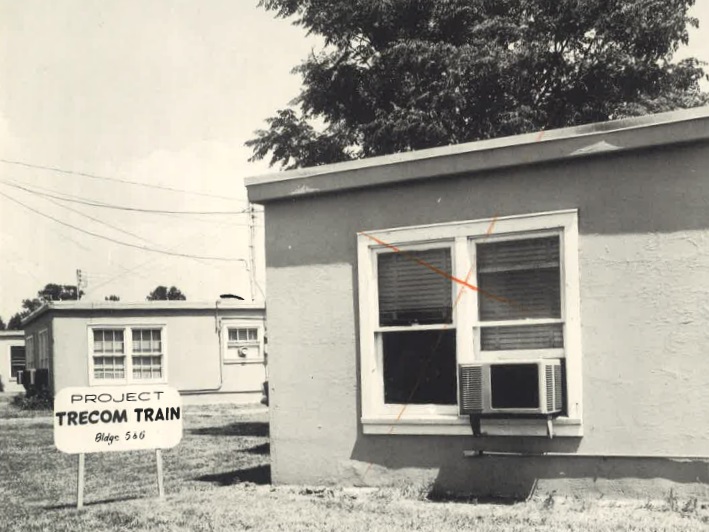
    project trecom train tournalaid homes, image courtesy r. g. letourneau museum & archives at Letourneau university
  • Overland Train TC-497 and Buggy Fan Art

    Overland Train TC-497 and Buggy Fan Art

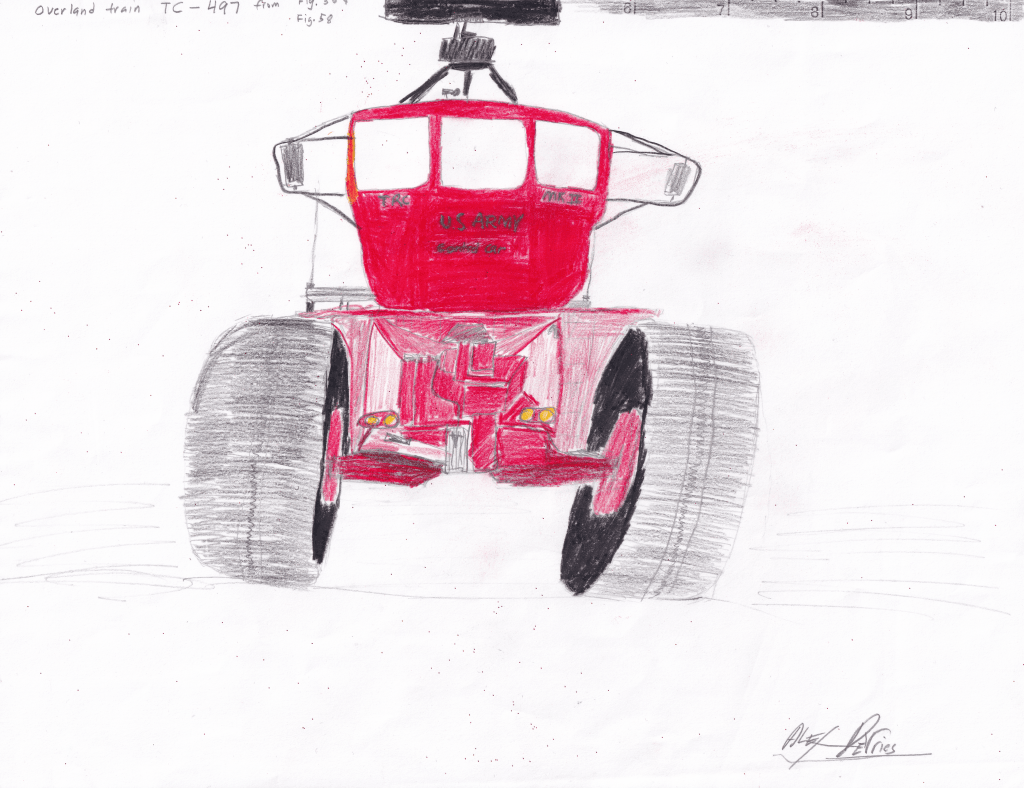
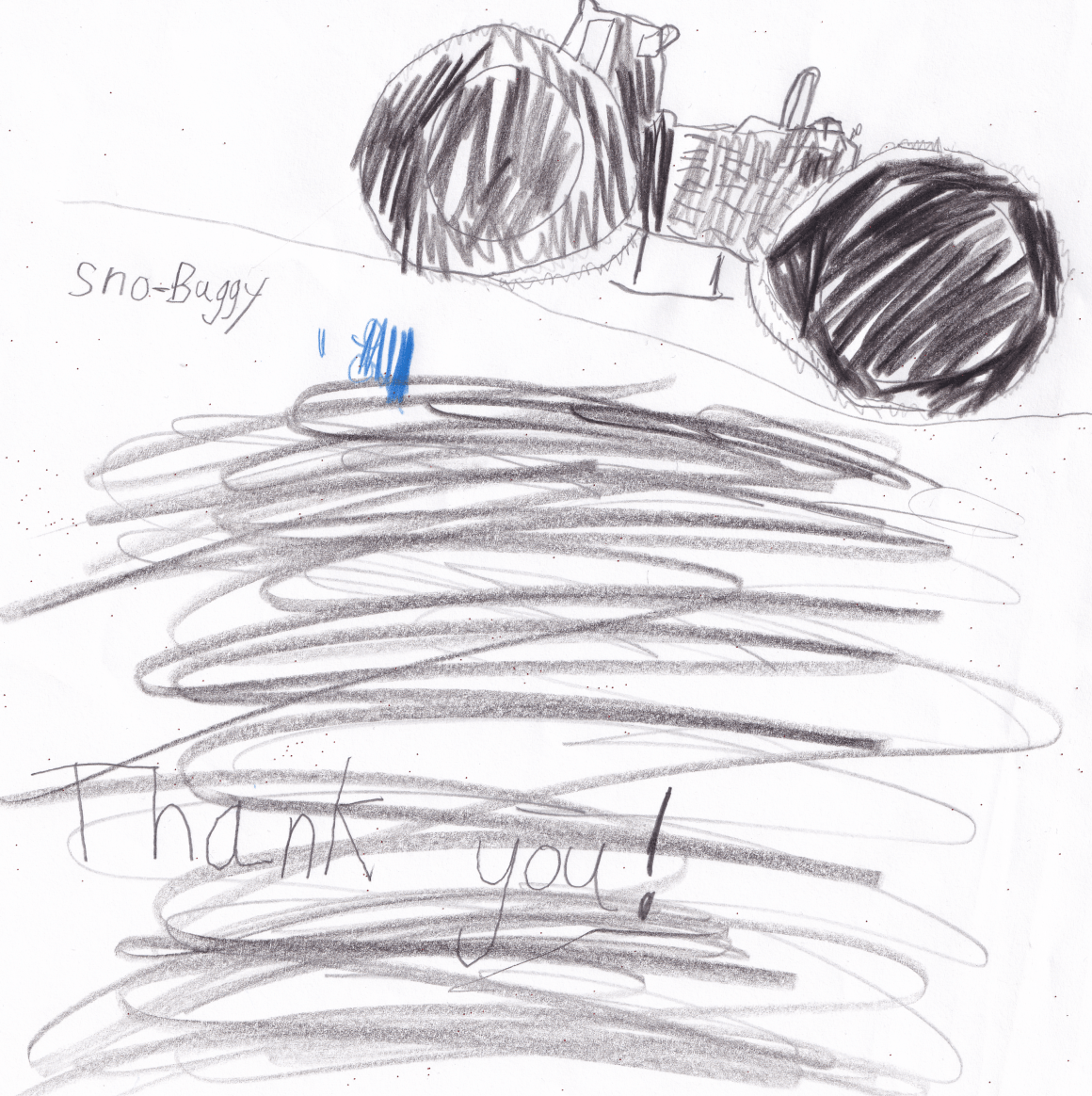
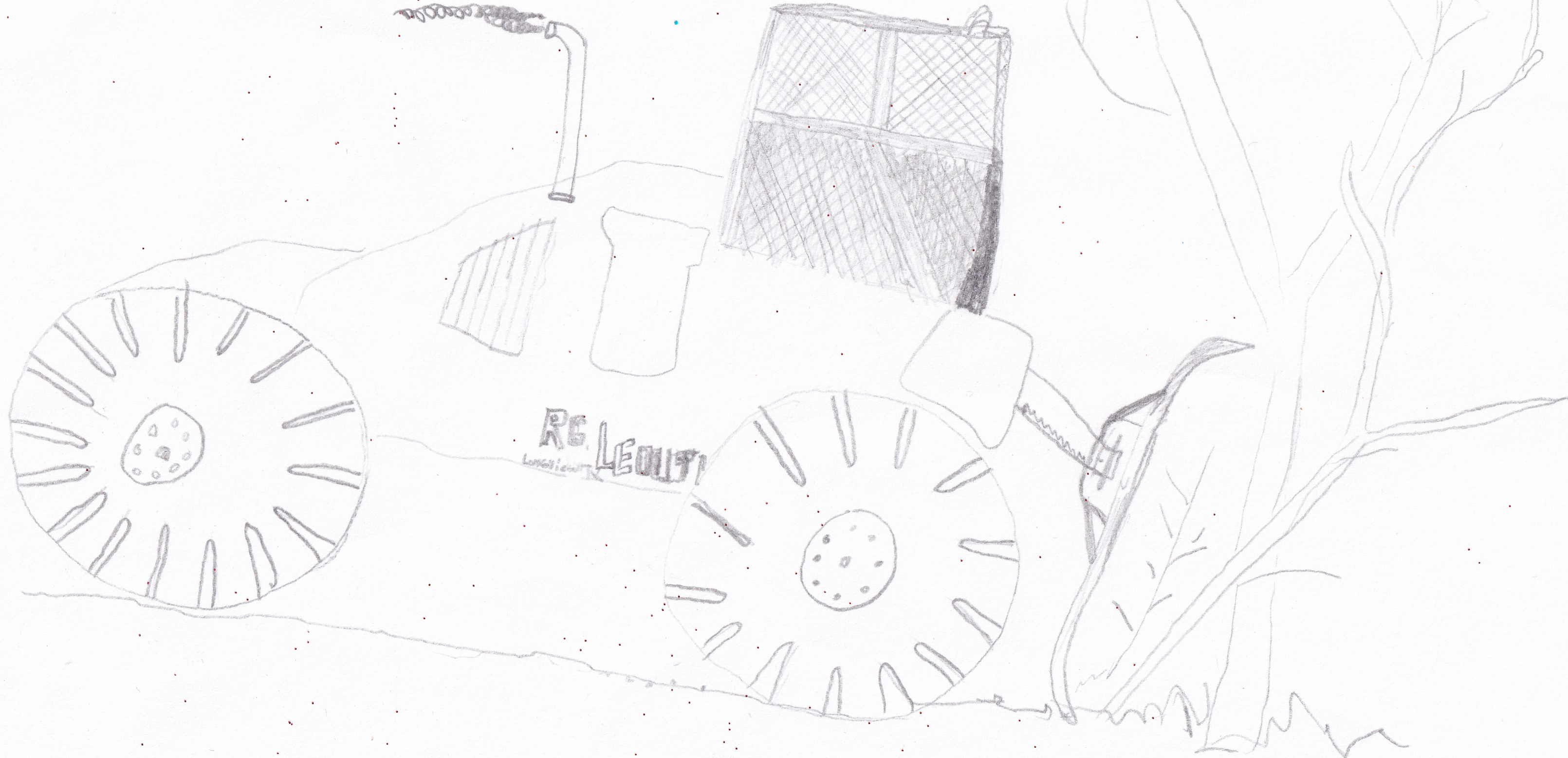
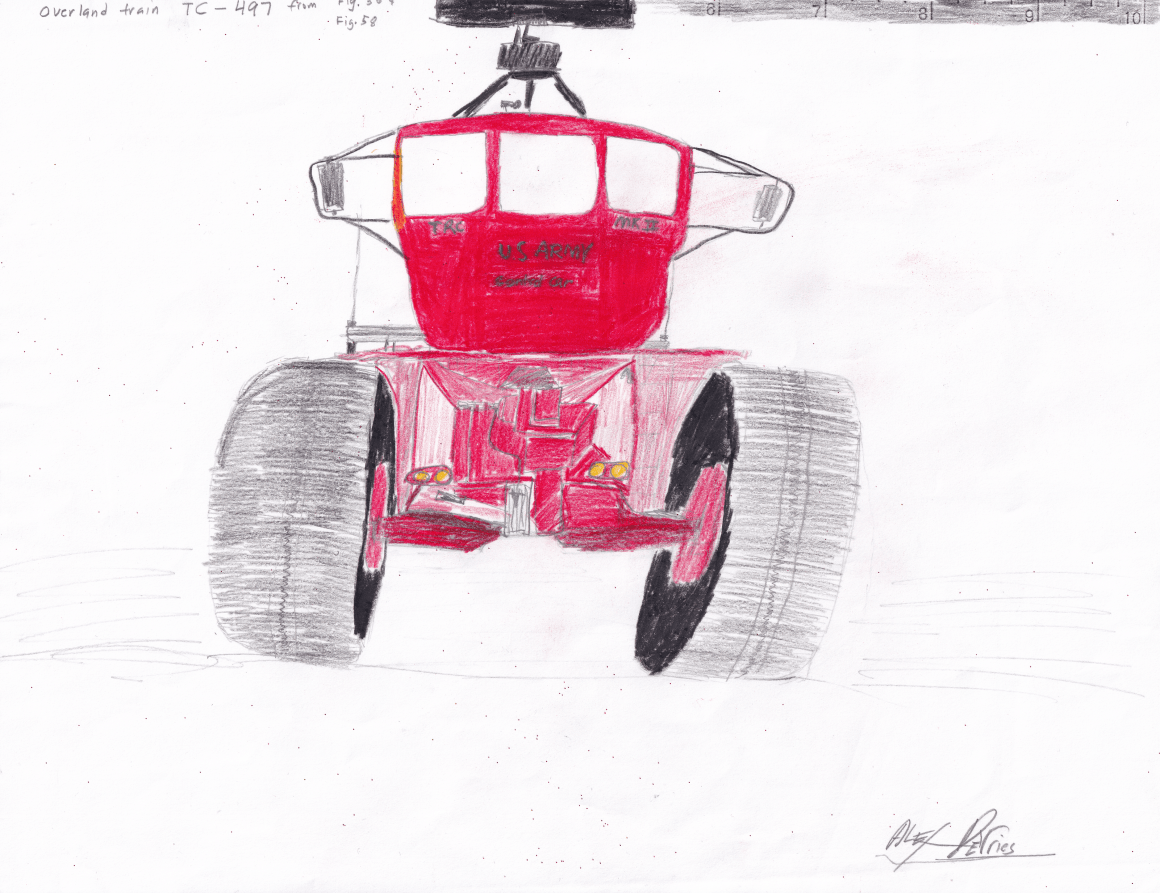
    Several young fans of R. G. LeTourneau’s Overland Trains sent in their fan art. The first drawing is of the Sno-Buggy. It had eight Firestone 120x48x68 wheels and was tested in Greenland.

    The next drawing is the Marsh Buggy. It used an AC electric motor and gear drive to lower and raise a blade, which was used for pushing down small vegetation or shaping small amounts of overburden.

    The final drawing is the TC-497. The control car is at the U.S. Army Proving Ground in Yuma, AZ. The two power cars and most of the trailers were scrapped. At least one trailer is in Nome, AK and was part of a gold dredging project built by Lloyd Molby called Gold Digger.

  • Sno-Train Augmented Reality

    Sno-Train Augmented Reality

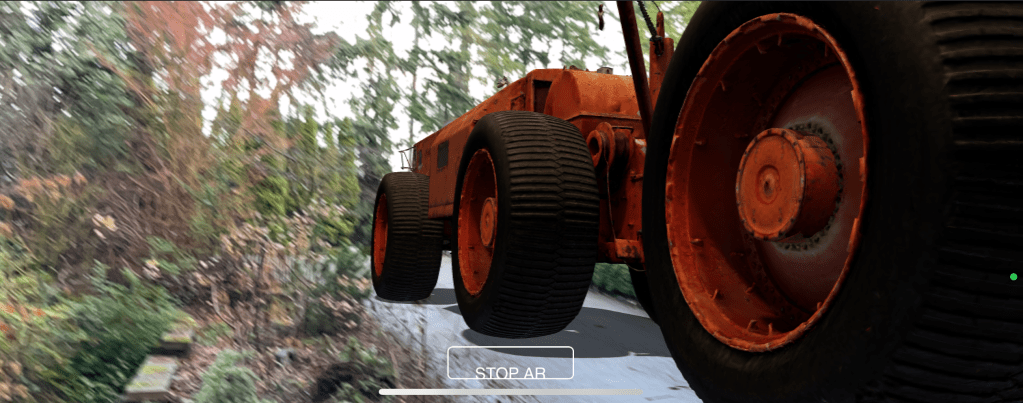
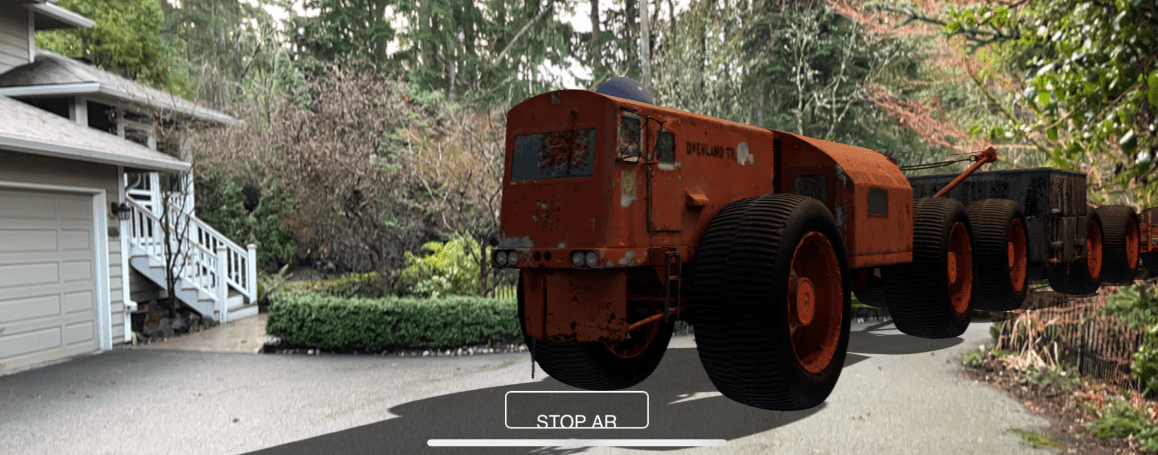
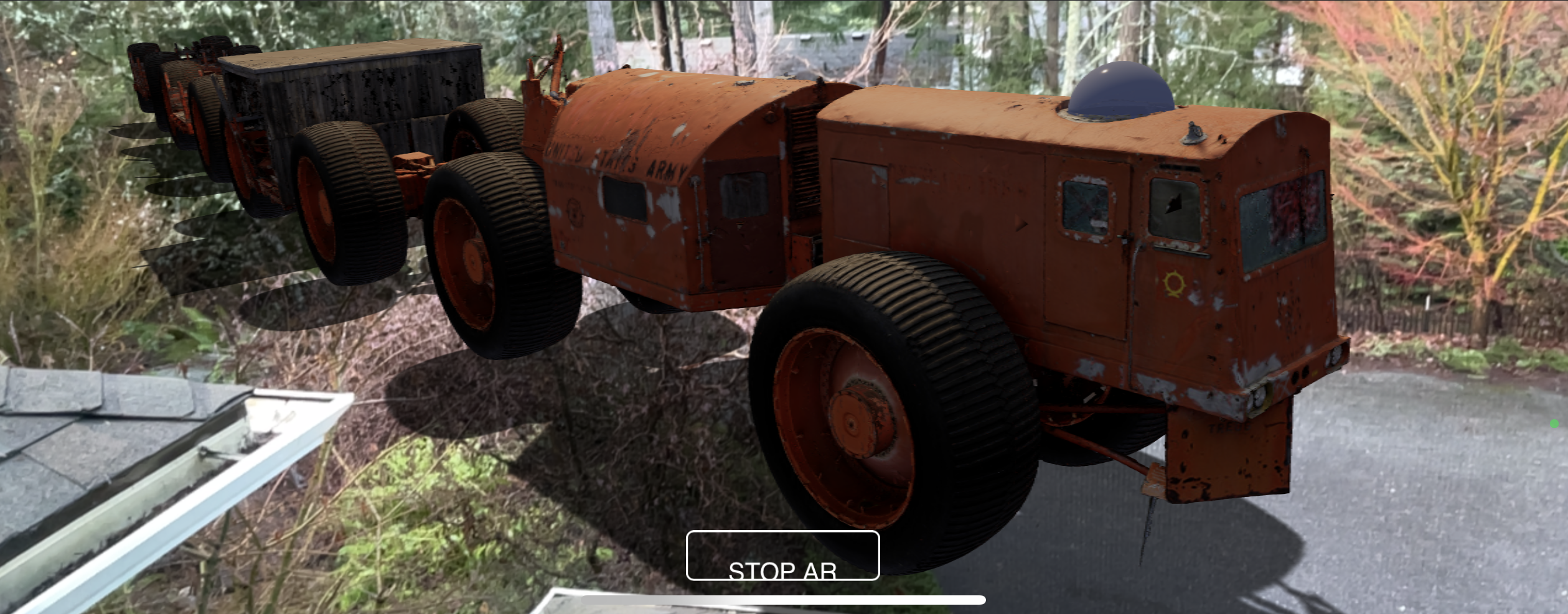
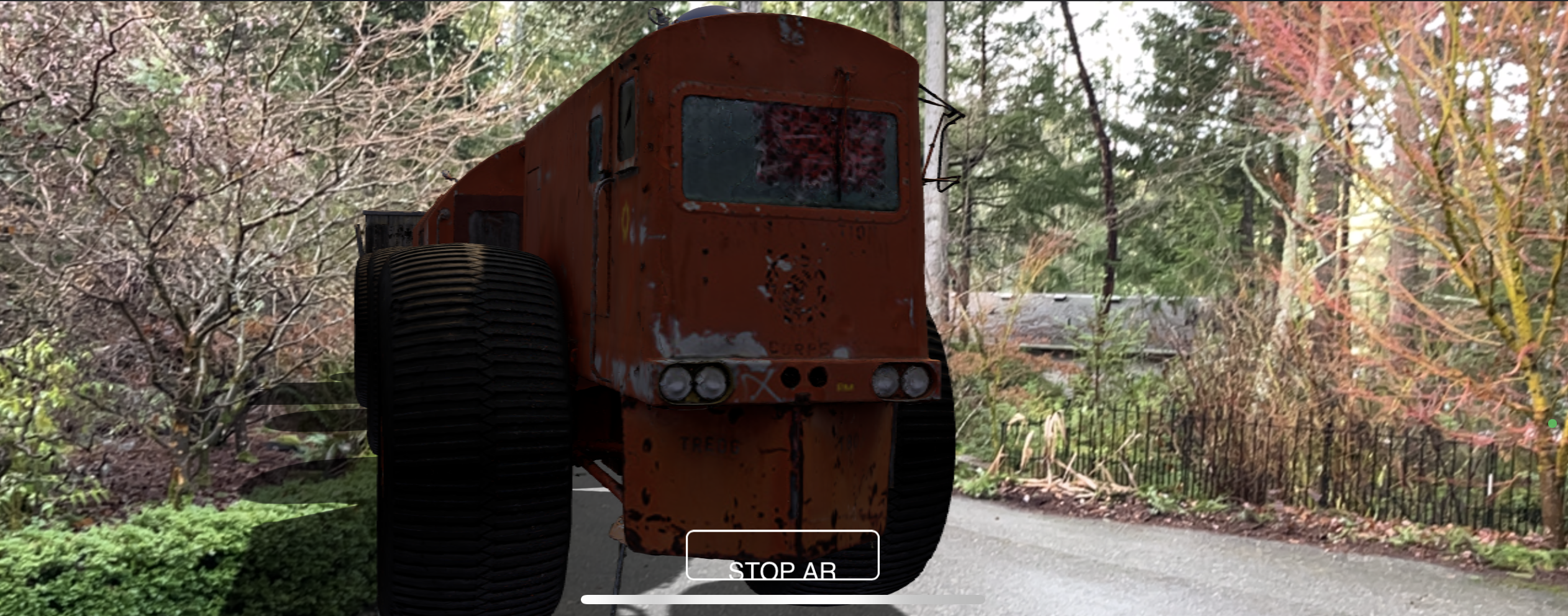
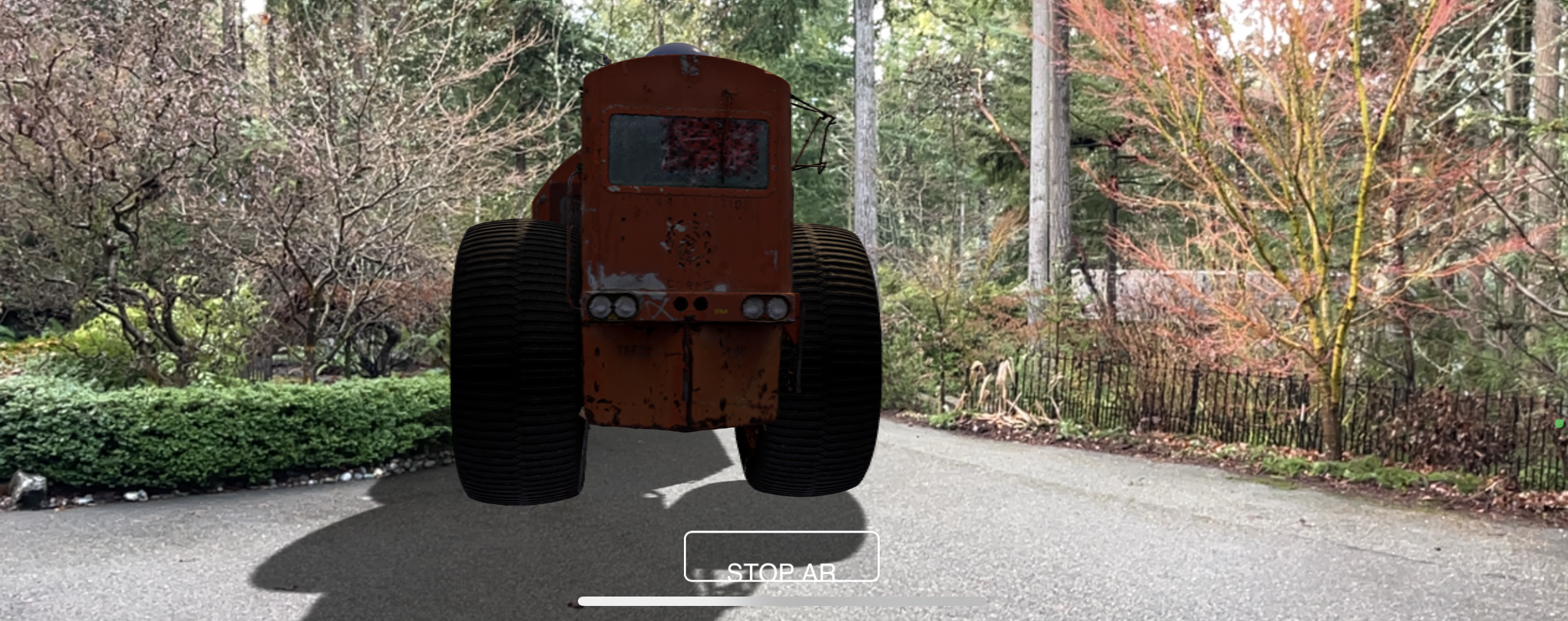
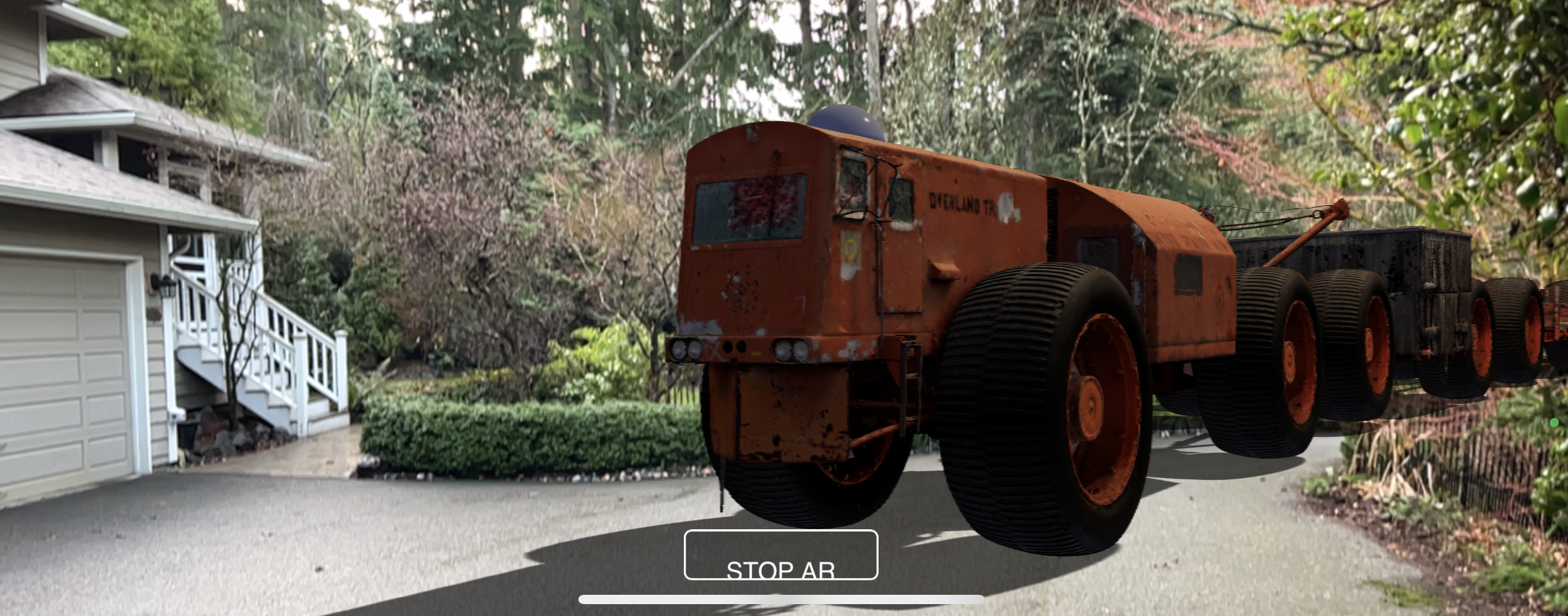
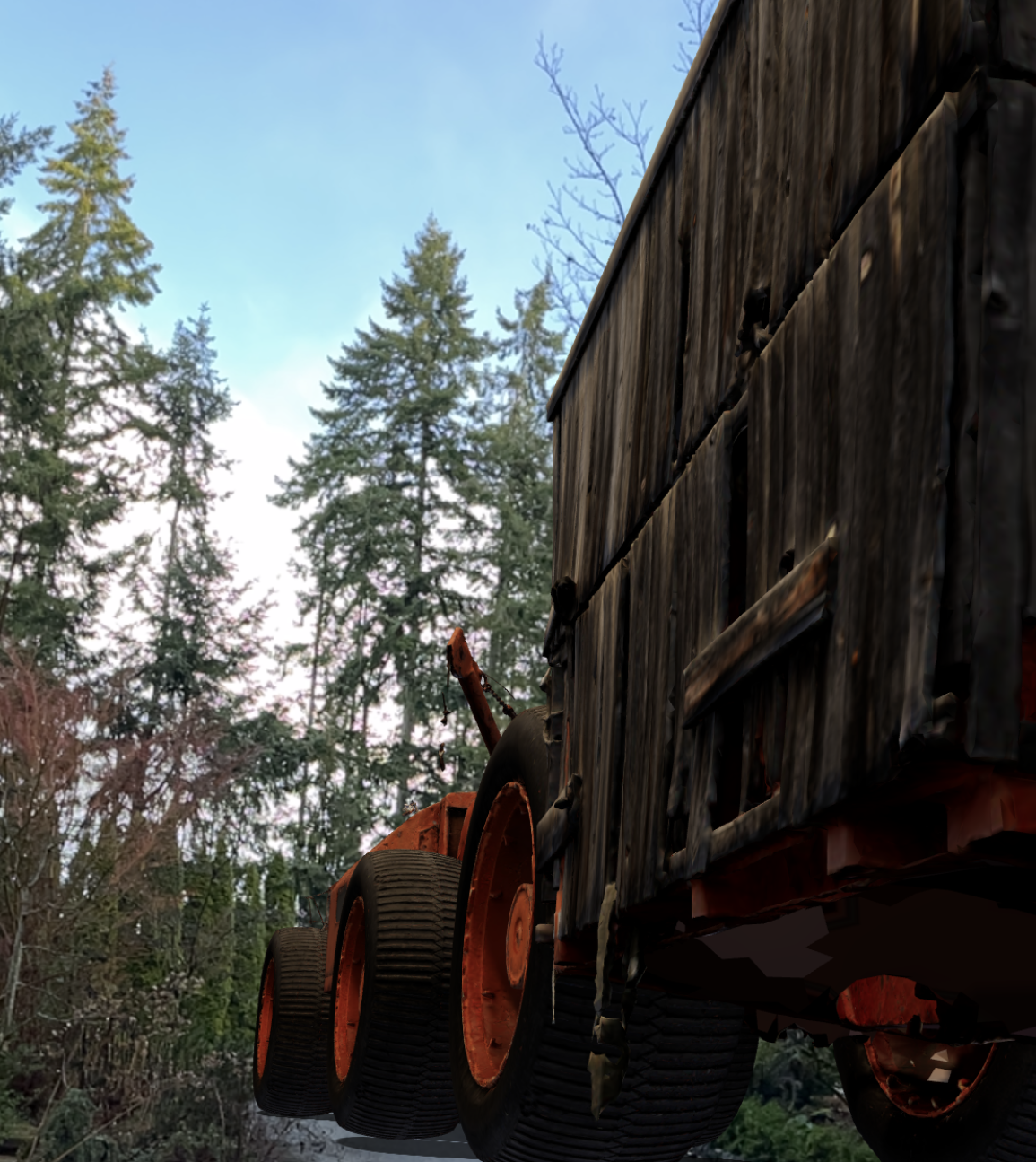
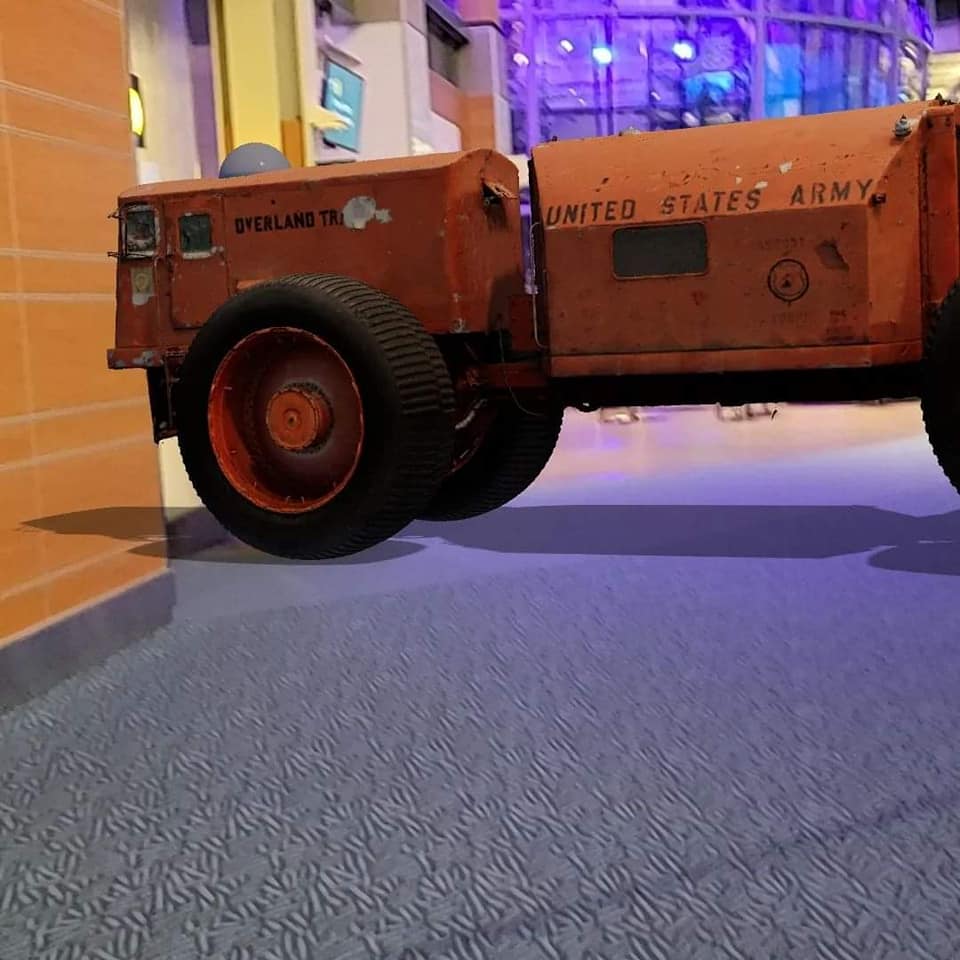
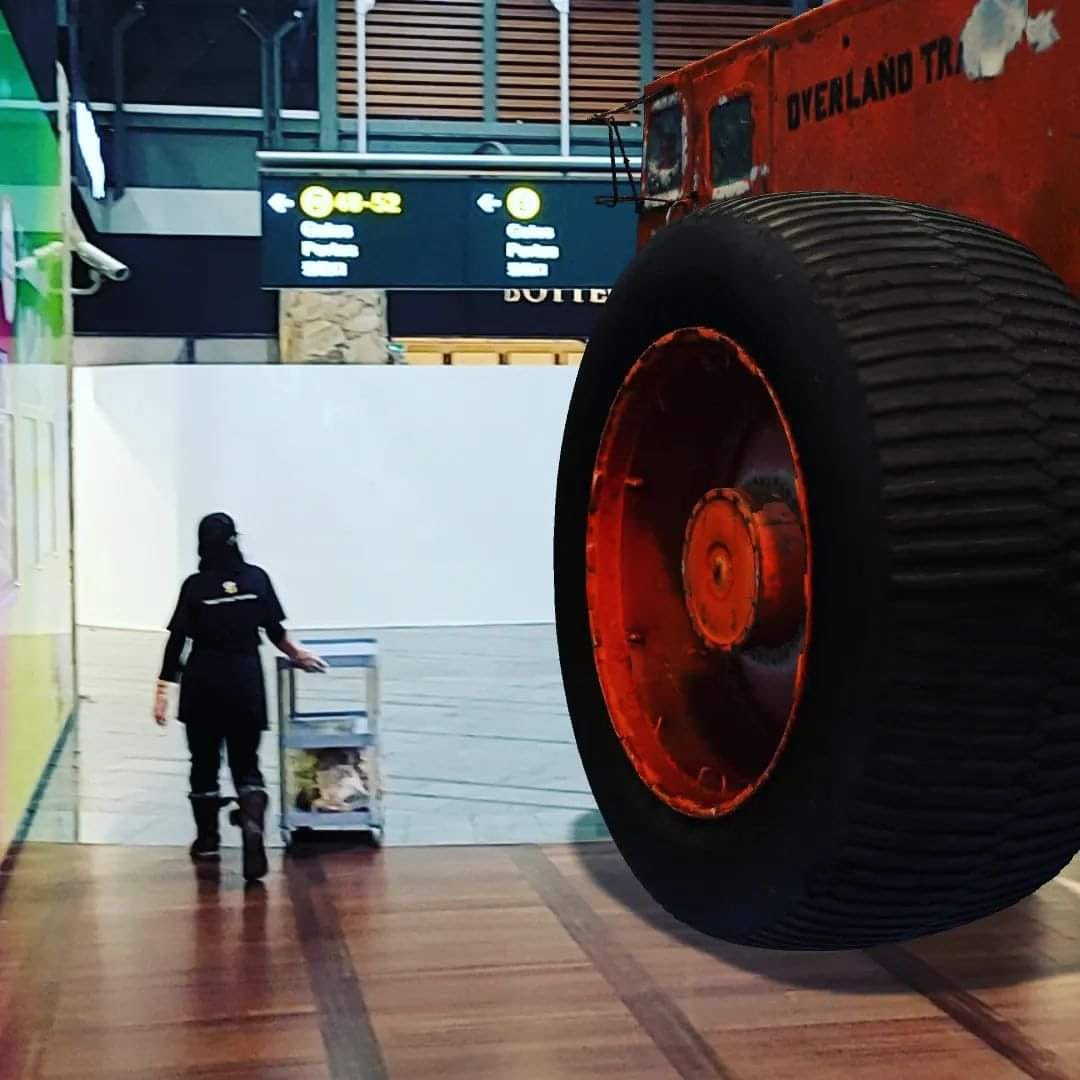
    I figured out how to use the Yukon Transportation Museum’s Augmented Reality application this morning. Here are a few shots of the Sno-Train in my driveway and in front of my house. Our driveway goes down a small hill, which makes the Sno-Train render like it is floating in mid-air towards the rear of the machine. Still, this is a pretty cool!

  • The Gregg County Historical Museum Selling R. G. LeTourneau’s Overland Trains Book

    The Gregg County Historical Museum Selling R. G. LeTourneau’s Overland Trains Book

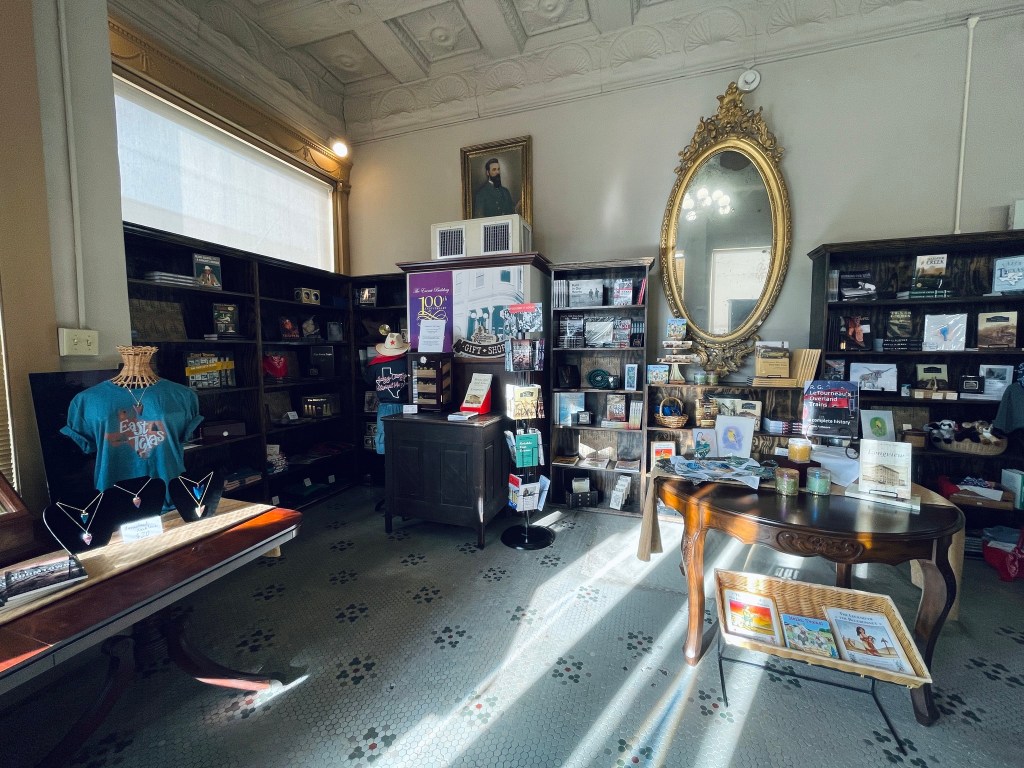
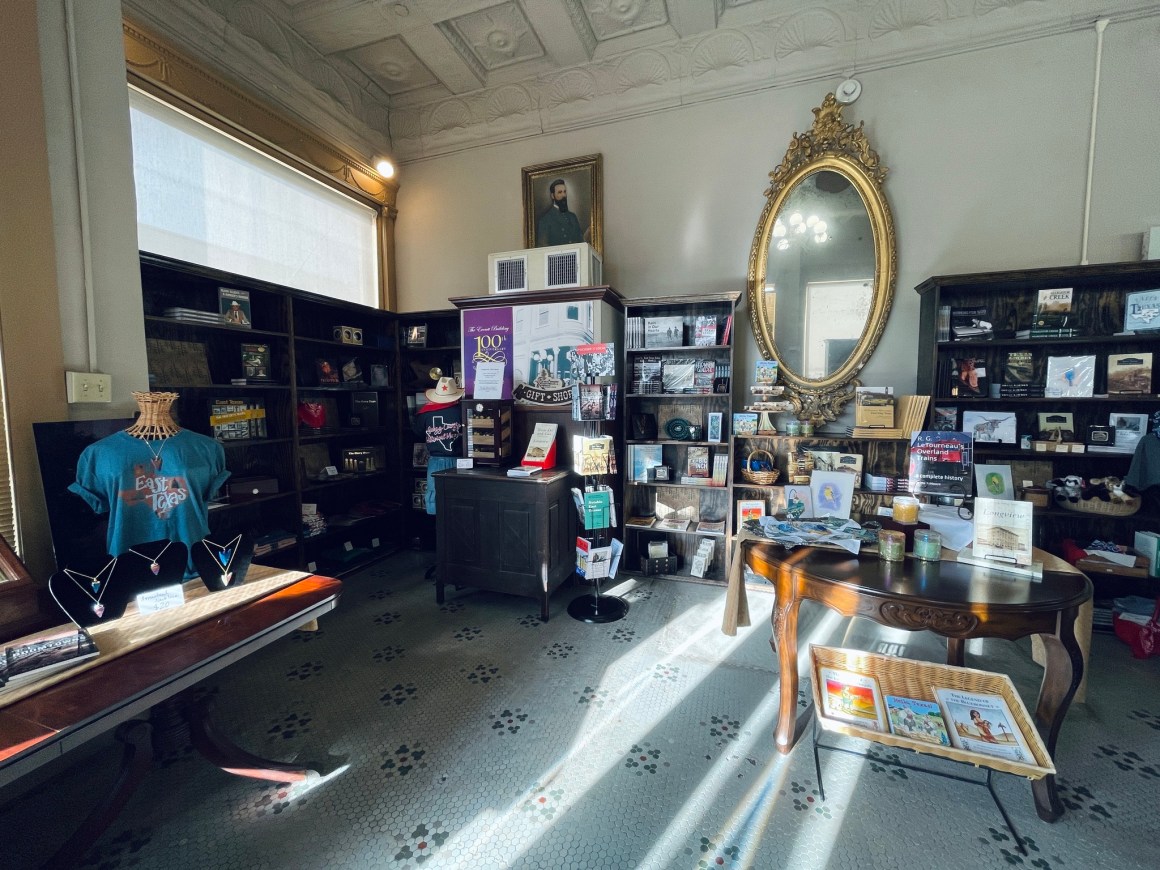
    The Gregg County Historical Museum recently contacted me to purchase a small lot of the Overland Trains book. They posted today on their Facebook page with the book shining brightly on a table.

    Gregg County Historical museum book sales room in longview, tx
  • Sno-Buggy with Experimental Trailer and Model

    Sno-Buggy with Experimental Trailer and Model

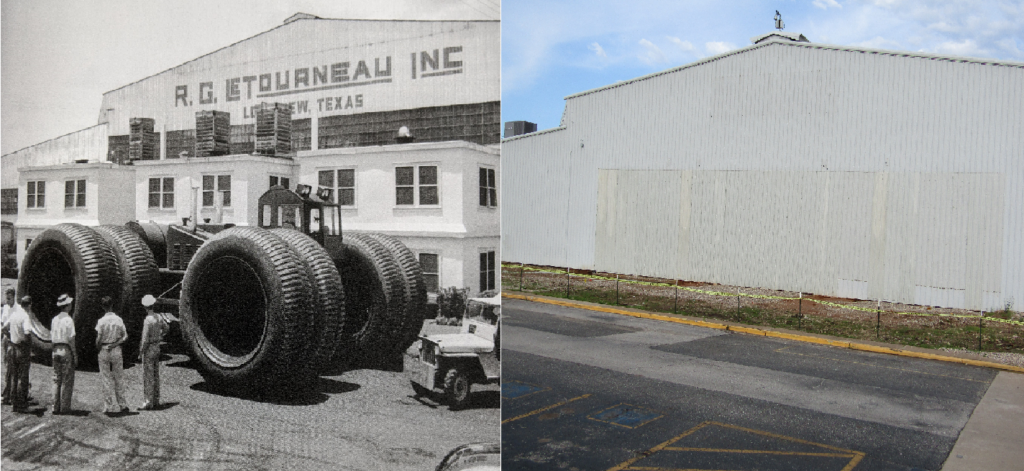
    The Sno-Buggy was an experimental machine to help the Army further understand oversnow transportation methods. This was also the first time that the Firestone 120x48x68 tires had been tested in the Arctic. The Sno-Buggy departed LeTourneau’s Longview, TX factory for Greenland on July 15, 1954.

    Then and Now: (LEFT) Sno-buggy in 1954 in front of letourneau’s primary facilty and (right) the same building in 2021 sans sno-buggy 🙂

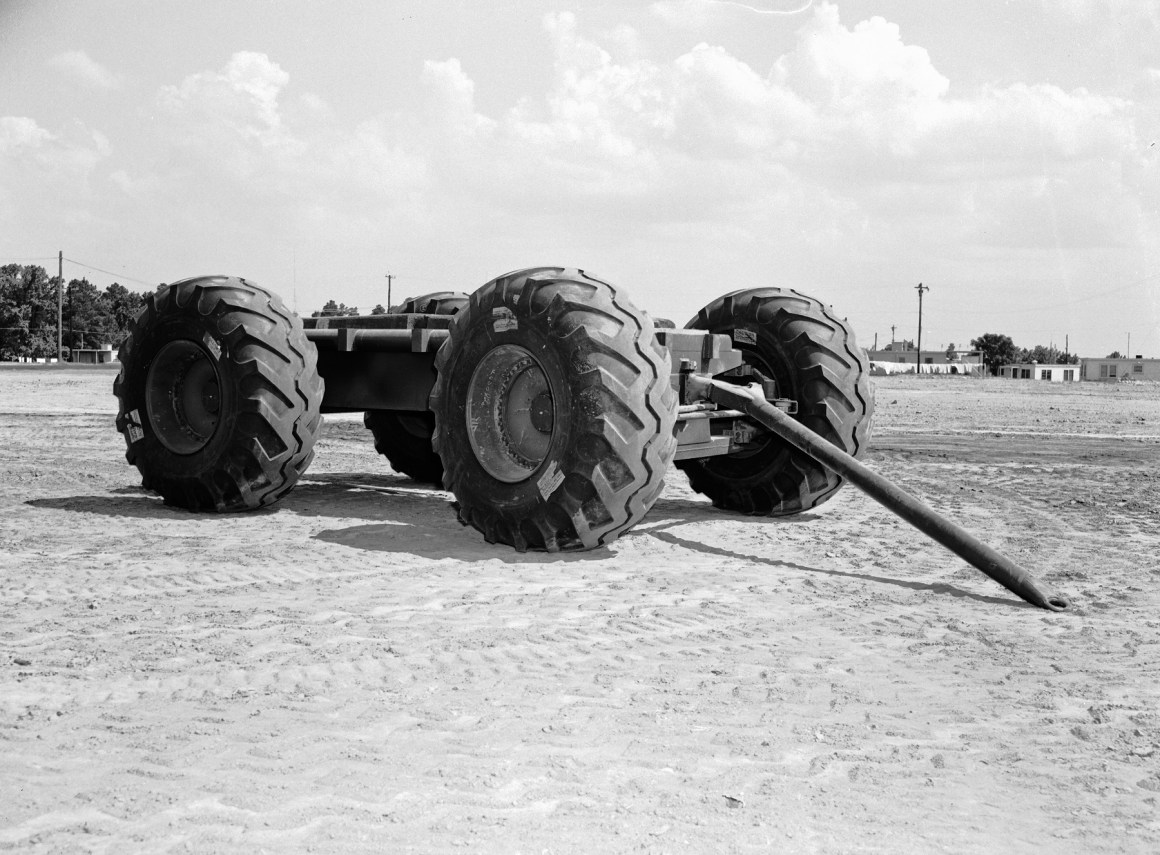
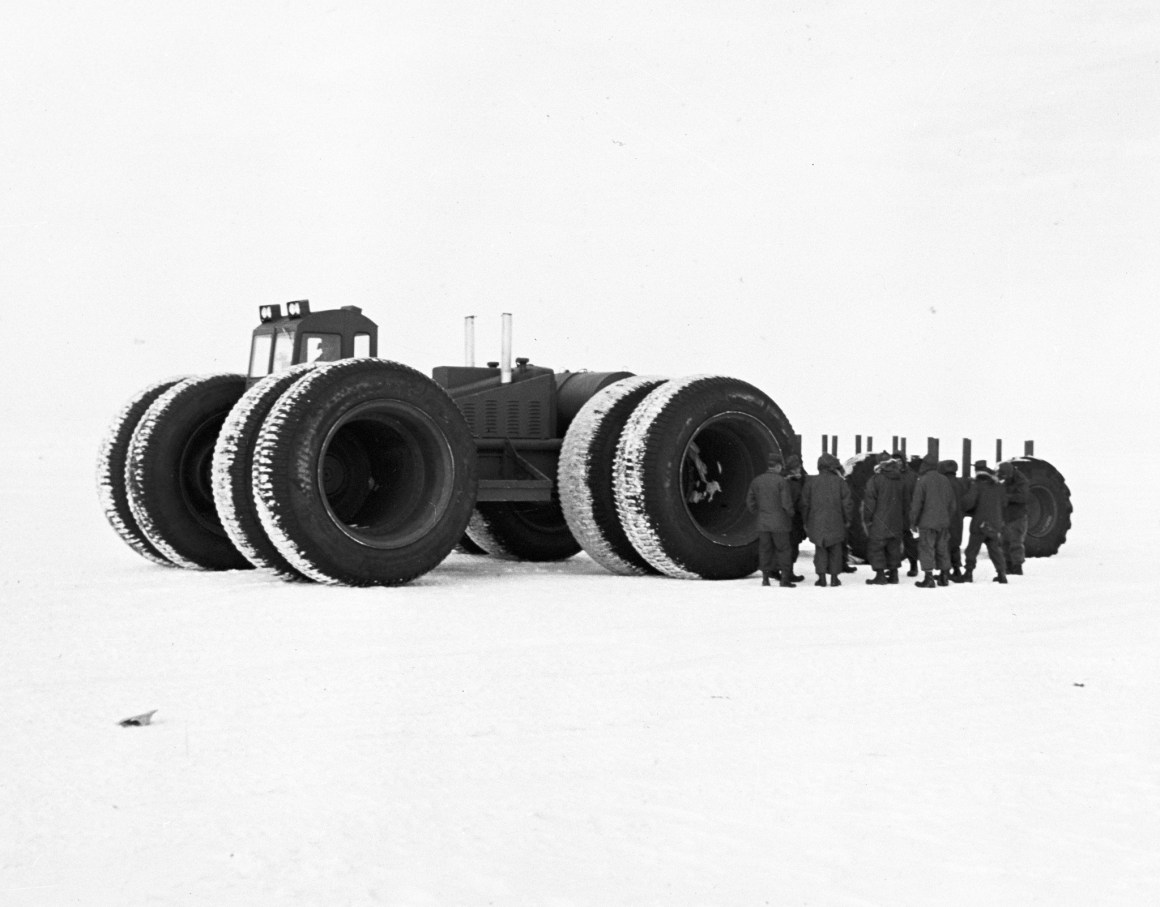
    The Sno-Buggy was designed as a single car, without powered trailers, with one exception. LeTourneau designed an unpowered trailer to accompany the Sno-Buggy in its Greenland tests. The trailer was unpowered and used different wheels and tires – it was called the LeTourneau Cargo Trailer Model 73. Only one of these trailers was ever built.

    Letourneau cargo trailer model 73, image courtesy r.g. letourneau museum and archives at letourneau university.
    sno-buggy and model 73 trailer in greenland, IMAGE COURTESY R.G. LETOURNEAU MUSEUM AND ARCHIVES AT LETOURNEAU UNIVERSITY.

    C.D.G. Customs

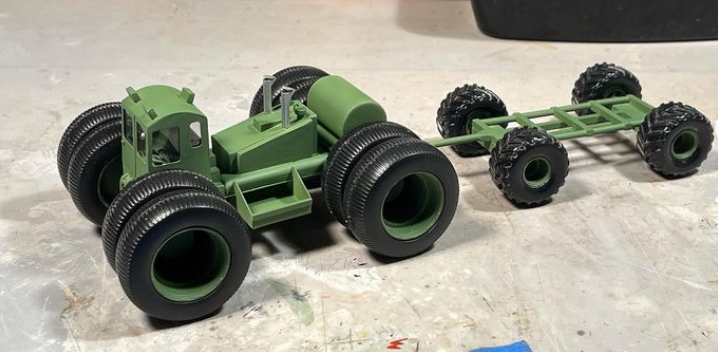
    The Sno-Buggy, while not an Overland Train, was one of the building blocks for many of the technologies utilized for the Trains. A talented model builder on Instagram built this Sno-Buggy and Model 73 trailer. It is a 1/64th representation.

    model by c.d.g. customs

    You can view his Instagram Reel, a live video of his build at https://www.instagram.com/reel/CnFuSkTodRG/.

    What happened to the Sno-Buggy?

    When the Sno-Buggy came back to Longview, it was modified and repurposed into a new machine called the Swamp Buggy. You can read about the Sno-Buggy/Swamp Buggy and Overland Trains story on Kindle eBook or paperback formats. Order the book on Amazon at https://www.amazon.com/dp/B0BFL91FX6.

  • Sno-Freighter Trailers Used as Decking for House

    Sno-Freighter Trailers Used as Decking for House

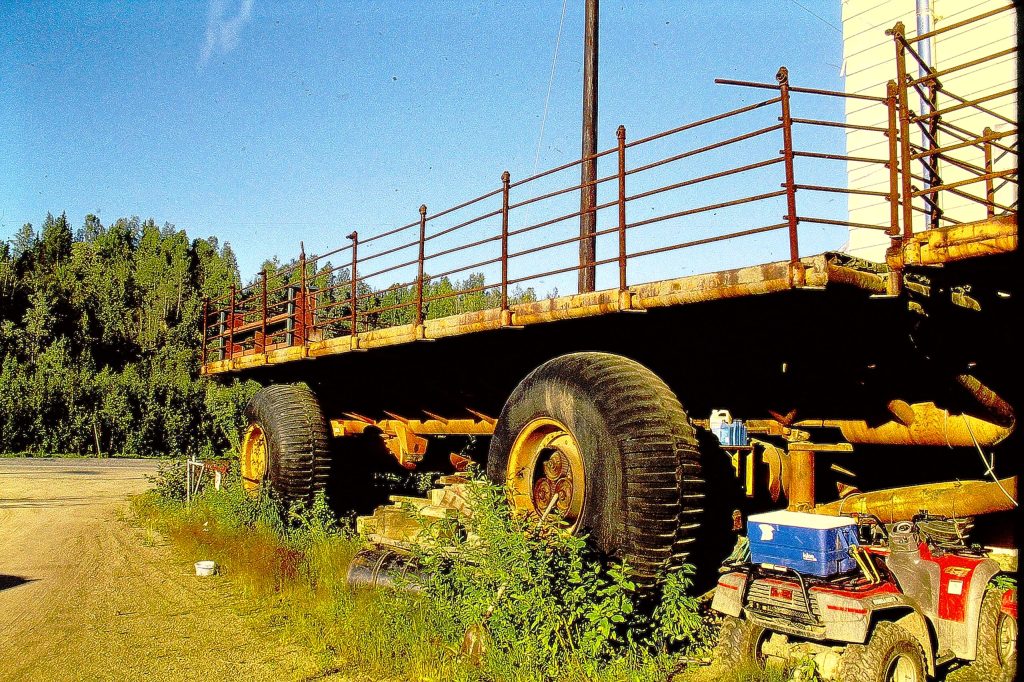
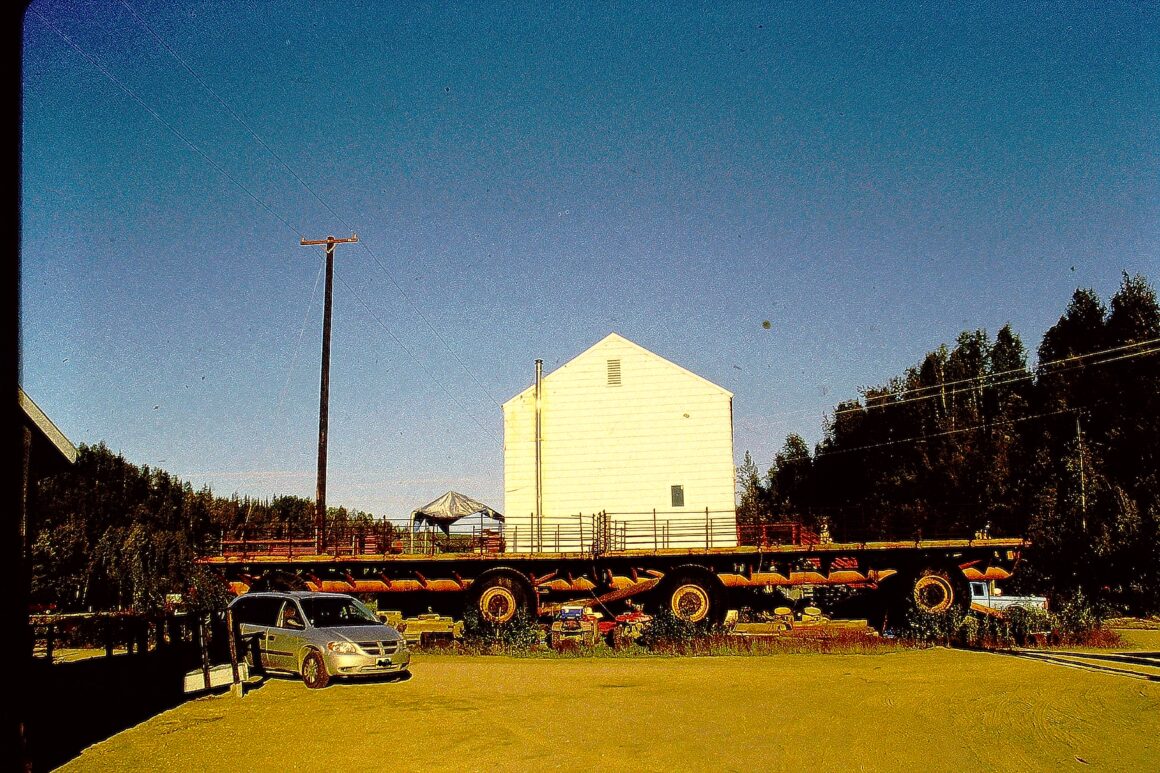
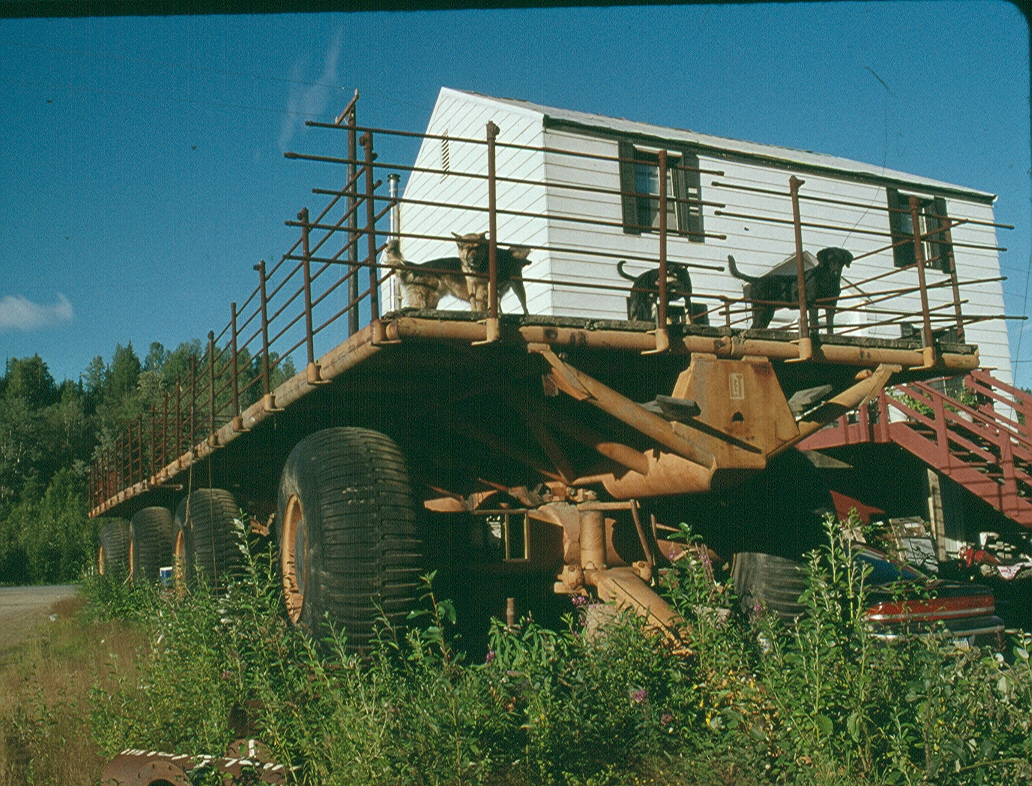
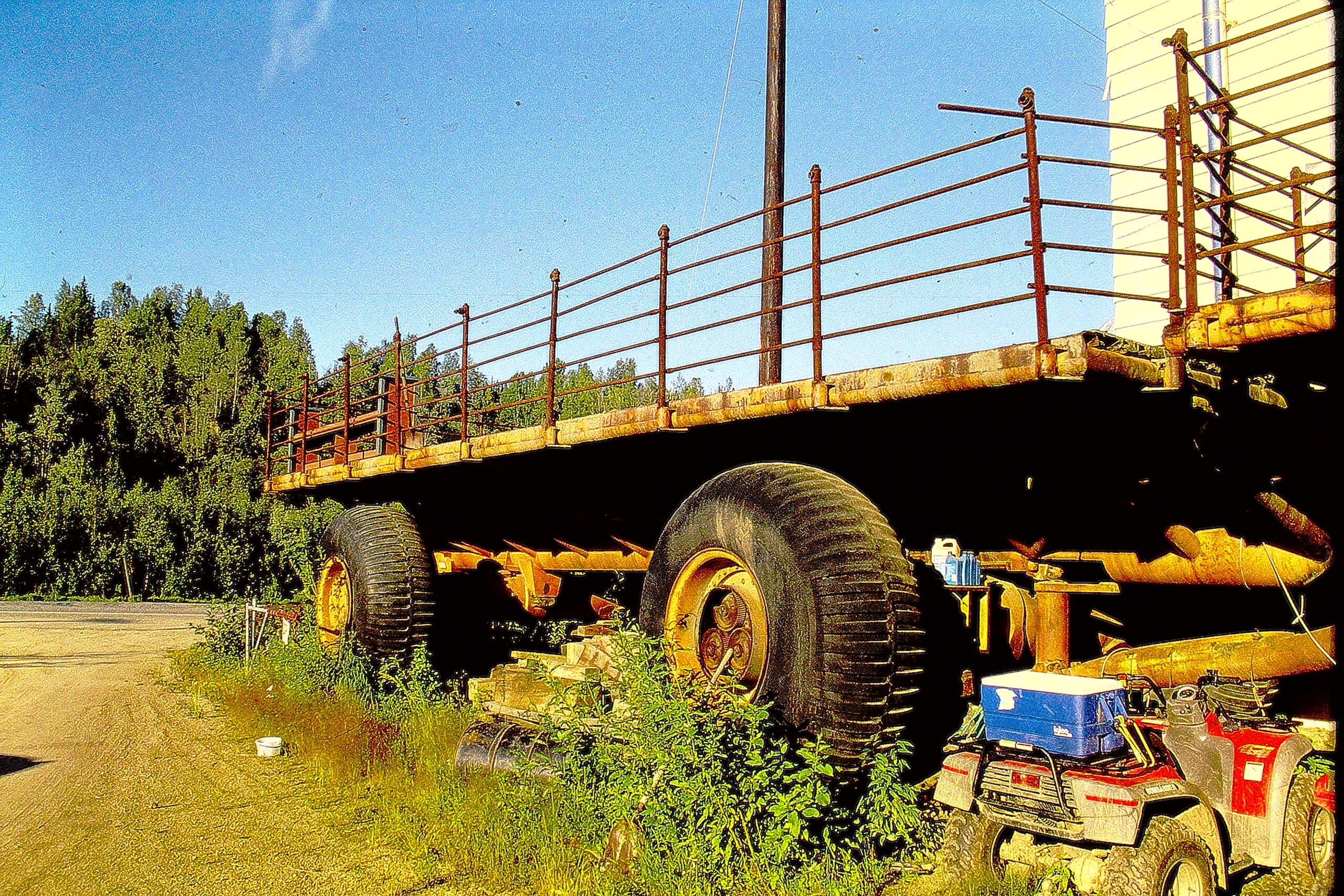
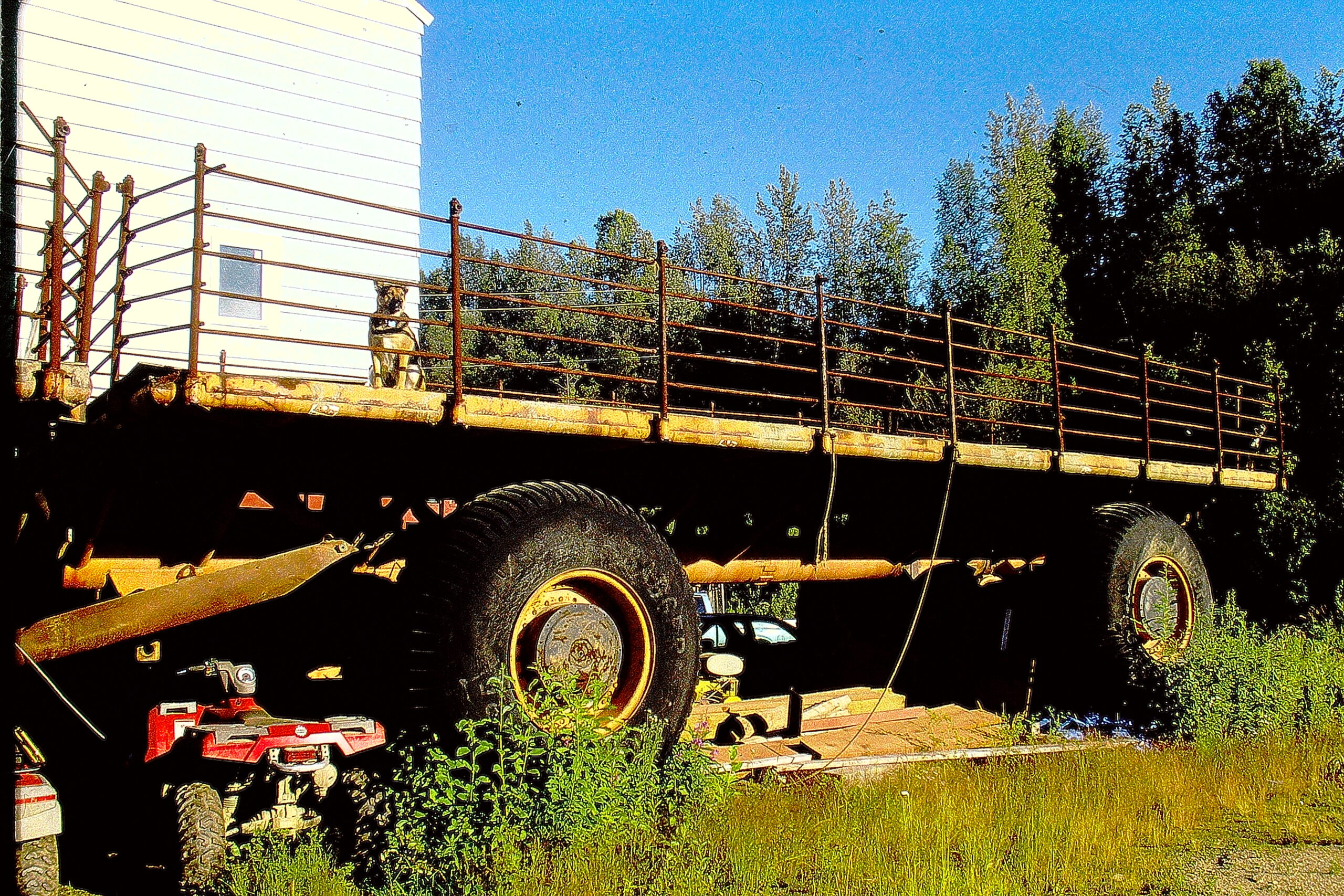
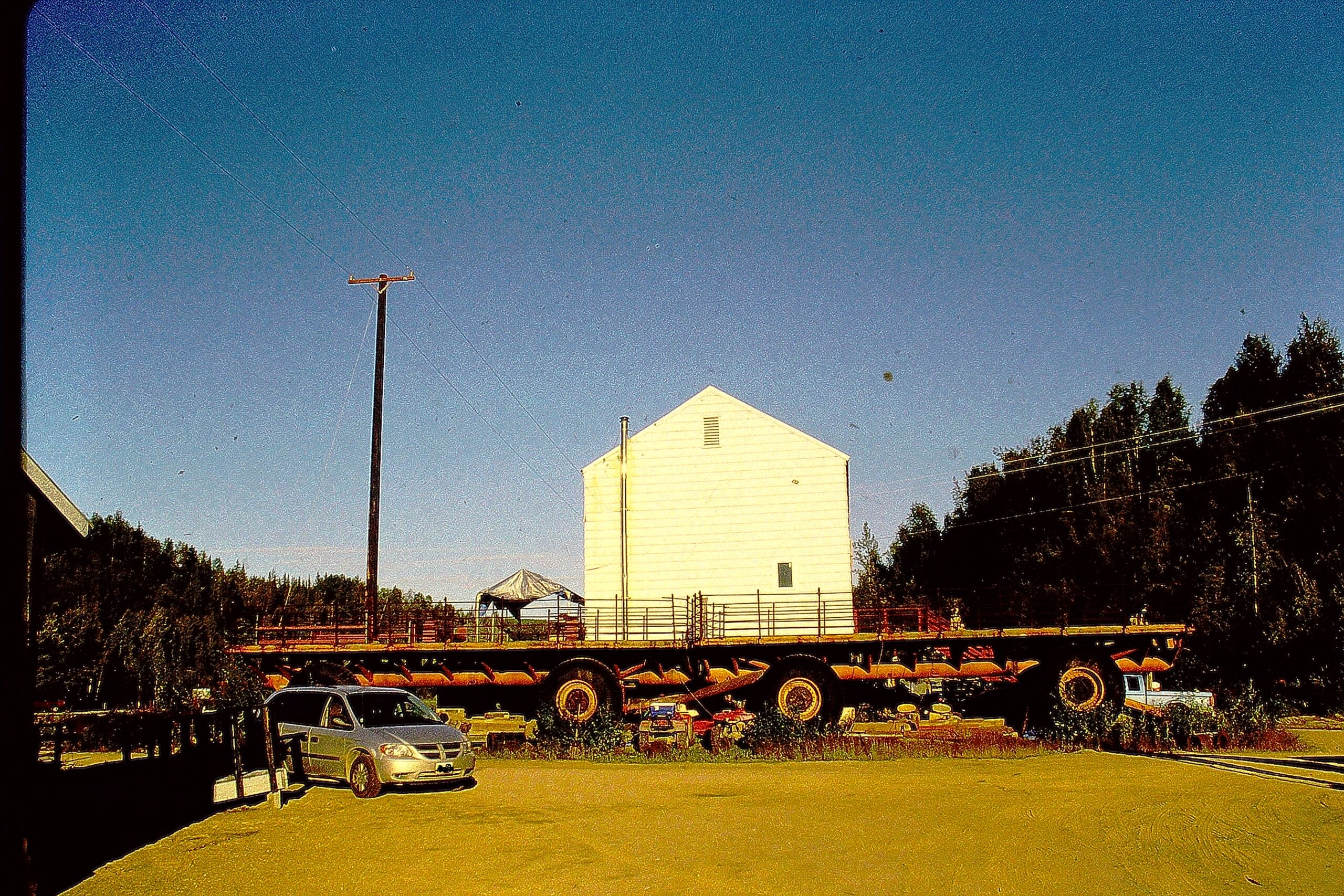
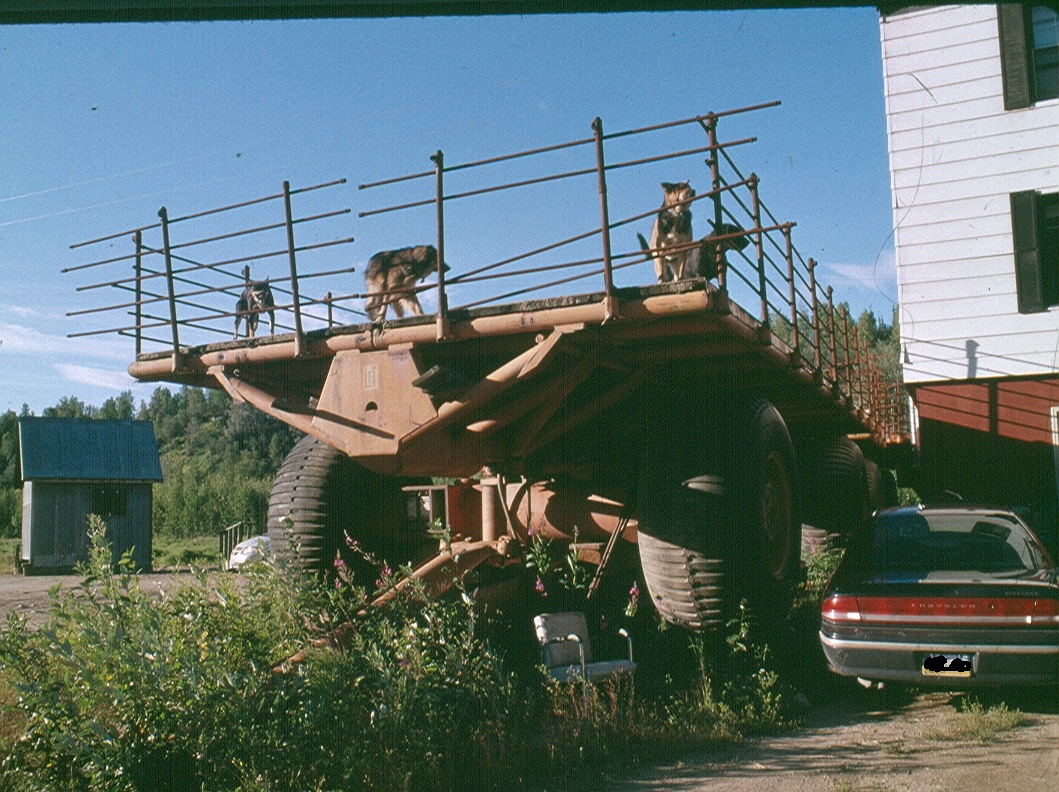
    Prior to the Sno-Freighter’s more prominent display along the Steese Highway at Gold Daughters, the trailers were featured as decking for a home placed adjacent to the property. One of these images and the story of how the trailers came to be at the property are featured in my book on page 136.

  • Yukon Transportation Museum Beta Testing new Virtual Reality Sno-Train

    Yukon Transportation Museum Beta Testing new Virtual Reality Sno-Train

    The Yukon Transportation Museum is testing out a Virtual Reality (VR) platform for the Sno-Train. In short, you will be able to use your smartphone and place the Sno-Train anywhere within your current landscape or an image. Here are a few images that should give you an idea of the capabilities.

    Image courtesy Janna Swales
    image courtesy Janna Swales

    Look for the VR site to go live soon!

  • Building Strong Relationships Helps Retain our History

    Building Strong Relationships Helps Retain our History

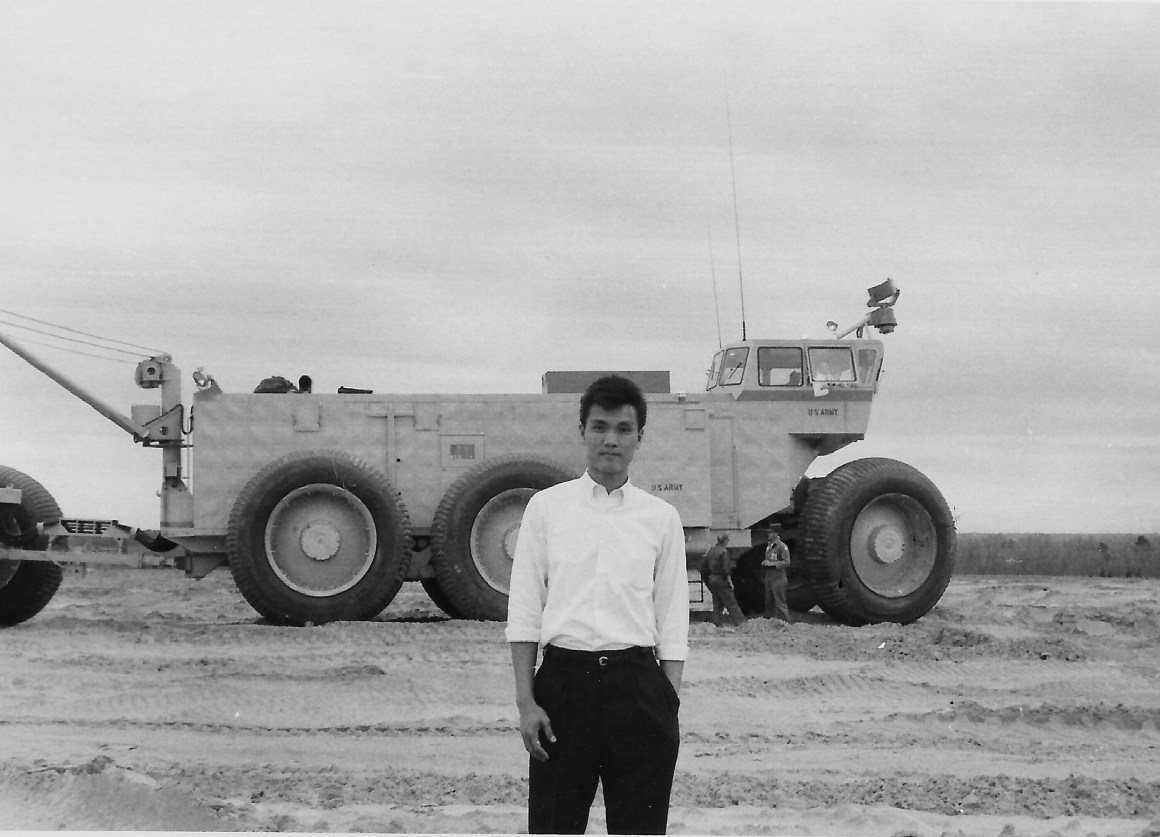
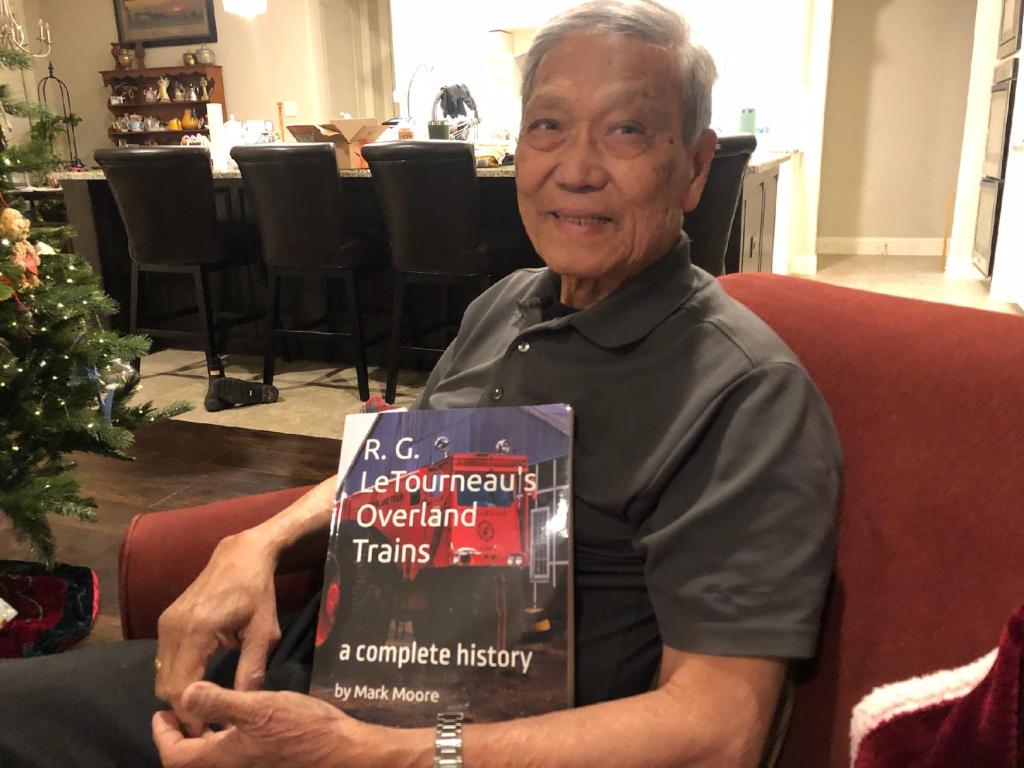
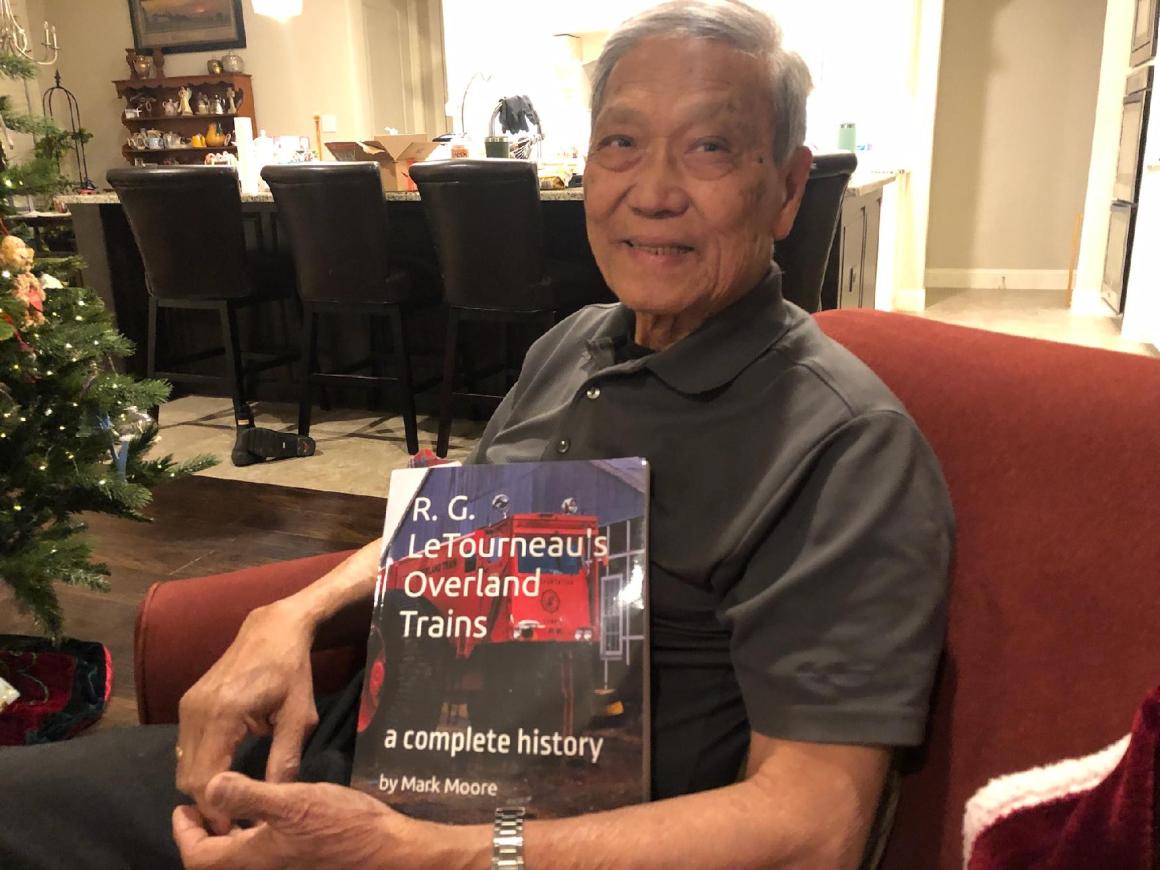
    One of the best parts of researching, writing, and publishing the Overland Trains book was building relationships. I am grateful to the two dozen plus individuals that let me into their lives and family’s lives to write these stories. Christmas Eve rolled around and I received a text from Timmy Vessakosol with the following picture.

    Vic Vessakosol, Christmas Eve, 2022

    Virothai “Vic” Vessakosol is featured in the TC-497 chapter, beginning on page 255. Vic’s story with the Overland Trains begins in 1960, when he came to the United States from Thailand. He attended LeTourneau College in 1961 and worked the Alterday Program in the Publications Department. His family developed a relationship with LeTourneau company artist H. D. “Red” Reynolds and went on to represent R. G. LeTourneau, Inc. at the Royal Mining Show in 1966.

    “Vic” Vessakosol in 1960-1961 in front of the TC-497

    If Vic’s son had not reached out two years ago to tell his dad’s story, it is likely that I would be writing this today.