Articles

  • Book Writing Media Organization

    Writing a book of this nature requires attention to detail, data analysis skills, and the ability to effectively organize information. As I research and collect data, it’s become apparent that I need to come up with an organization system for media. It’s important for me to keep metadata, and sources in tact, in addition to having a naming scheme that is recognizable and scriptable if necessary.

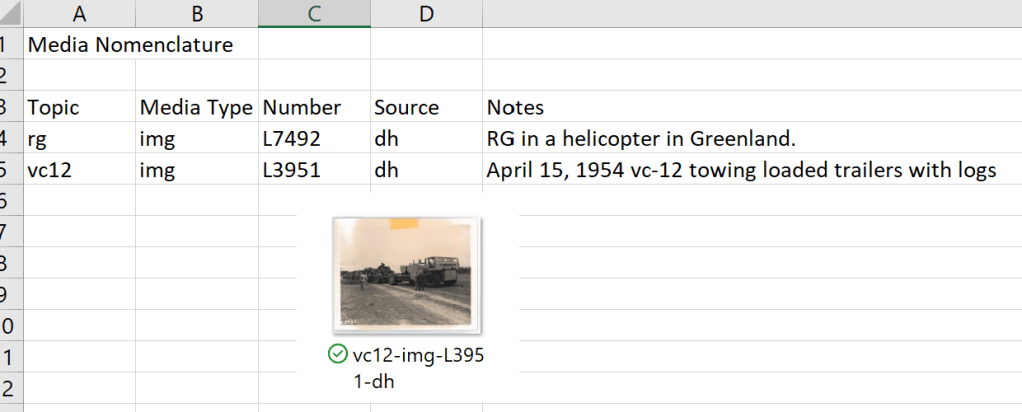
    For example, the image below is now named vc12-img-L3951-dh. I chose to define my media by topic (Overland Train type), the media type (e.g. image (img), document (doc)), a number system using the original filename if applicable, and the source. In this case, I have a separate tab showing source values.
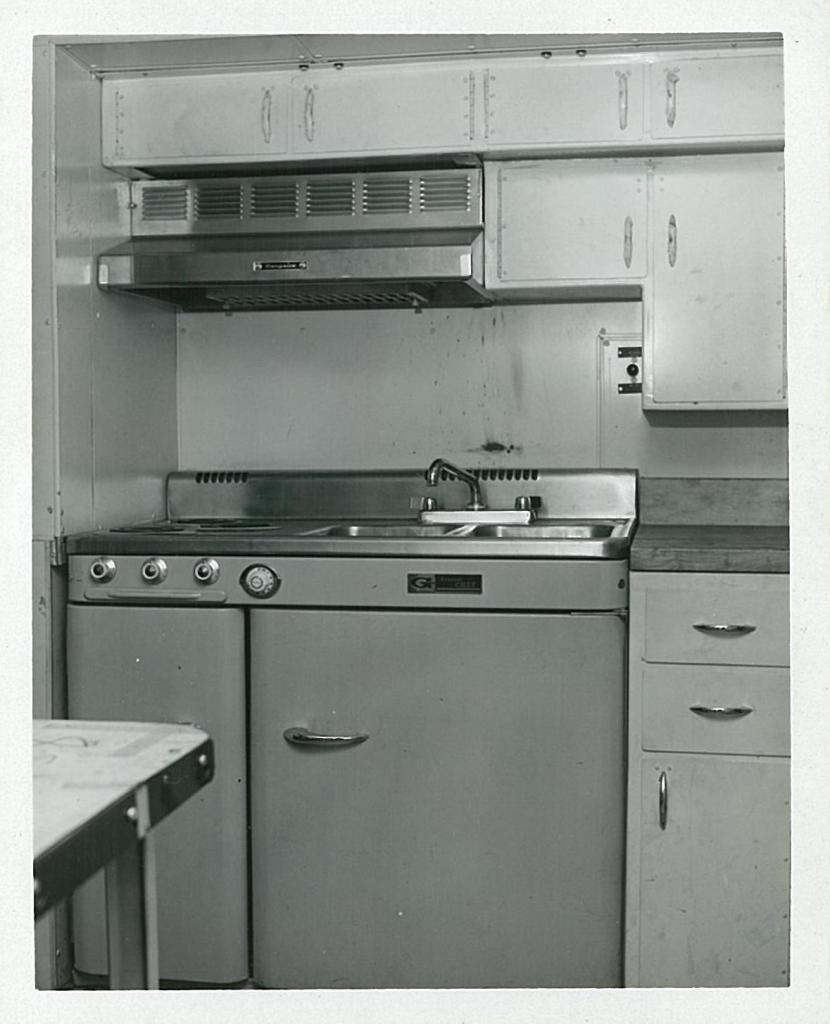
  • Overland MkII (TC-497) Cab Restoration

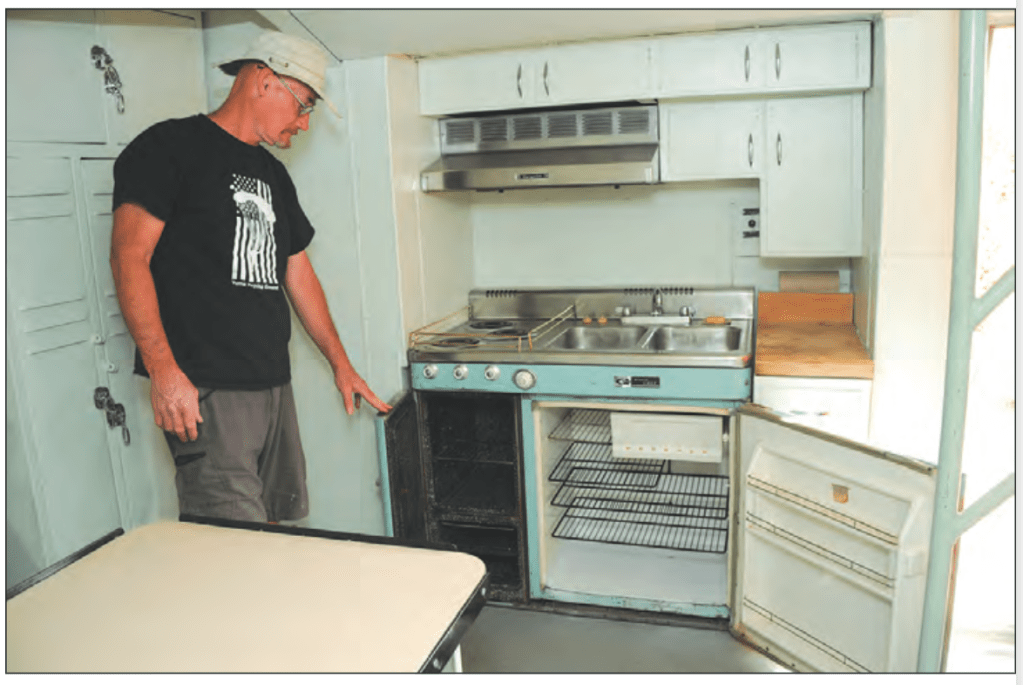
    In 2019, retired Army NCO Mark Sandercock led a crew of 5 to restore the relatively untouched control cab interior. They hand cleaned and painted the interior over the course of a couple of weeks. Other improvements and repairs include restitching the dry rotted curtains and the addition of solar powered night lights. The volunteers would still like to re-canvas the cockpit seats. Aside from that, they feel their job is complete.

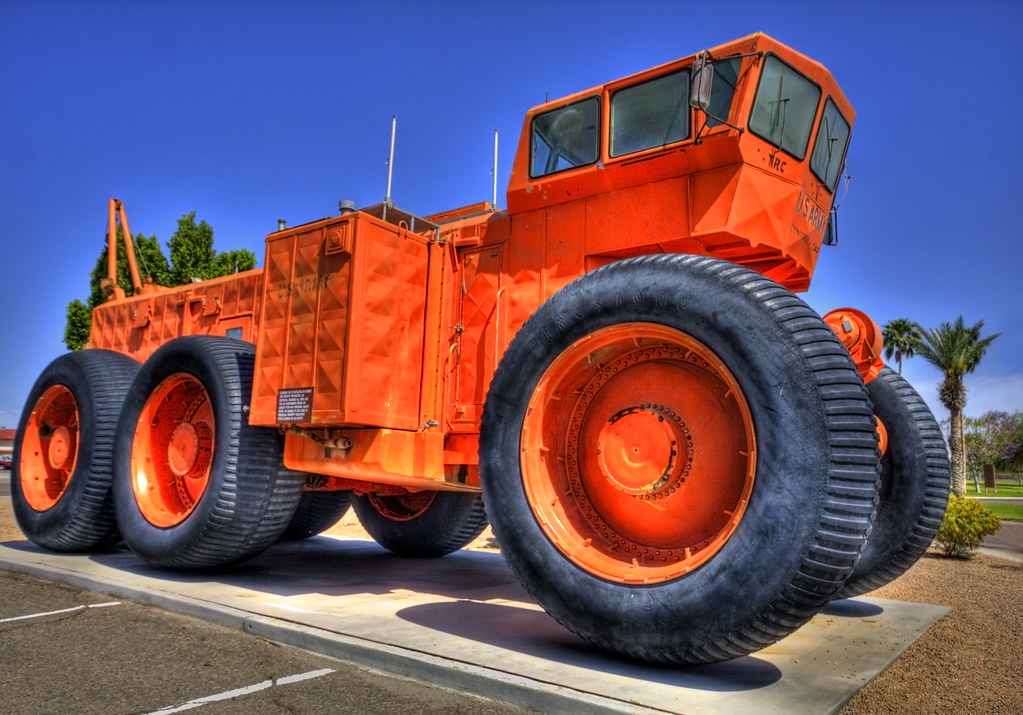
    Overland Train MkII (TC-497) at the Yuma Proving Ground Heritage Center //Flickr

  • A Nuclear Sno-Train

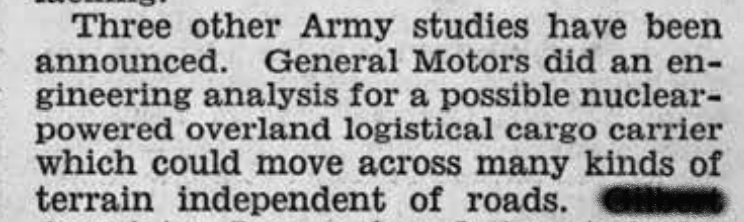
    As early as 1956, the United States Army Nuclear Power Program had been researching and developing a compact nuclear power plant. These compact reactors would be movable on semitrailers, railroad flatcars, or barges. The January 15, 1958 United State House of Representatives record relates the following.

    The Army’s Nuclear Power Program was heavily scaled back in 1966 because of budget cuts related to the Vietnam War. Nuclear power never found its way to any of the 6 Overland Trains.

  • LeTourneau’s Monsters

    “The Monster” was noted in a Canadian geology publication. Local residents saw the VC-22 Sno-Freighter abandoned for many years. It’s awesome size led to the term “The Monster.” The resulting name led to geologic formations known as “Monster Syncline” and “Monster Formation” and also the “Monster River.”

    The LCC-1 Sno-Train also received a similar and endearing name. Because of it’s size and large wheels, local residents referred to the Sno-Train as the “Snow Monster.” Read the other names associated with the Sno-Train.

  • VC-22 Sno-Freighter Brochure

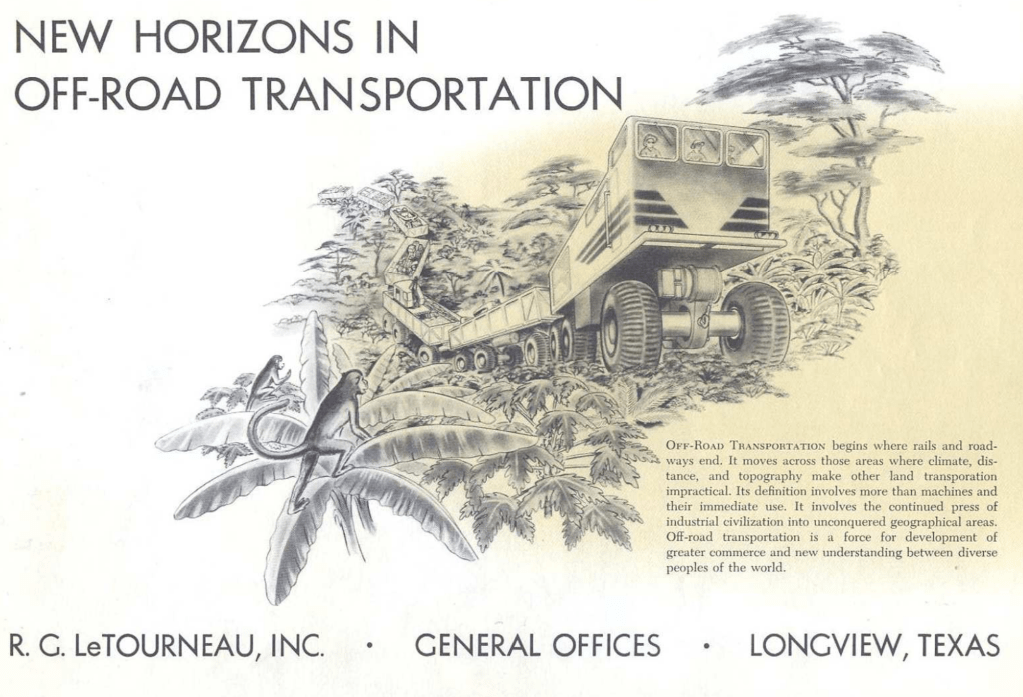
    The VC-22 Sno-Freighter brochure targets use in the Sahara during WWII.

    VC-22 Sno-Freighter brochure thumbnail
  • Christmas LCC-1 Drawing

    The Yukon Transportation Museum posted this Tweet in 2016. I still love it!

    https://platform.twitter.com/widgets.js
  • Engines used in the LCC-1

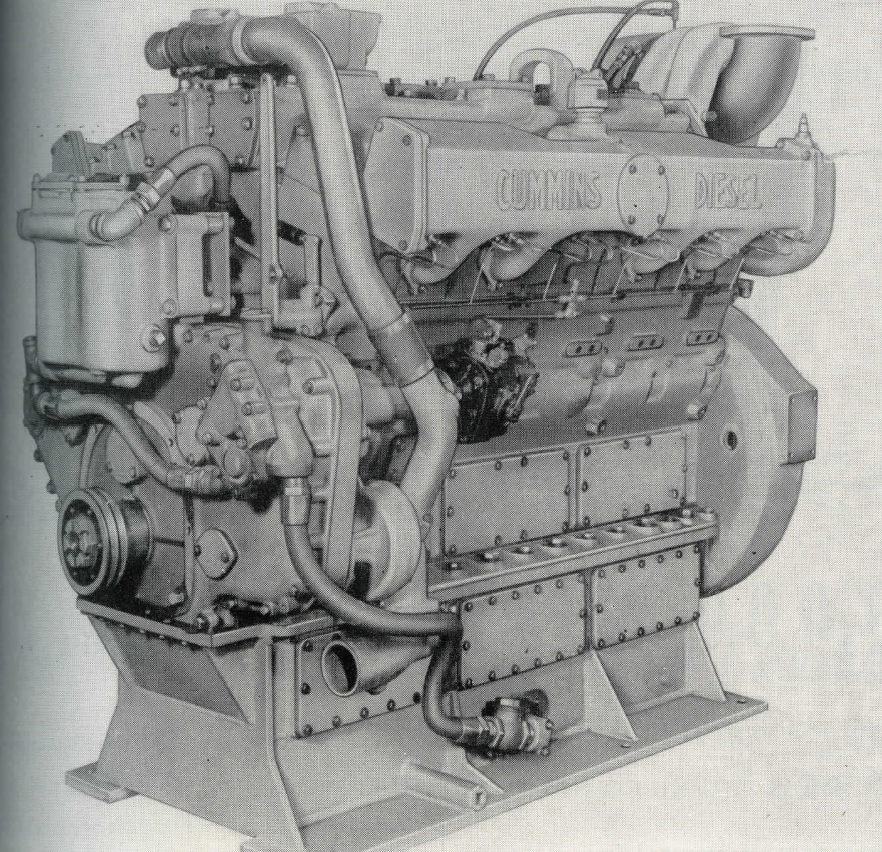
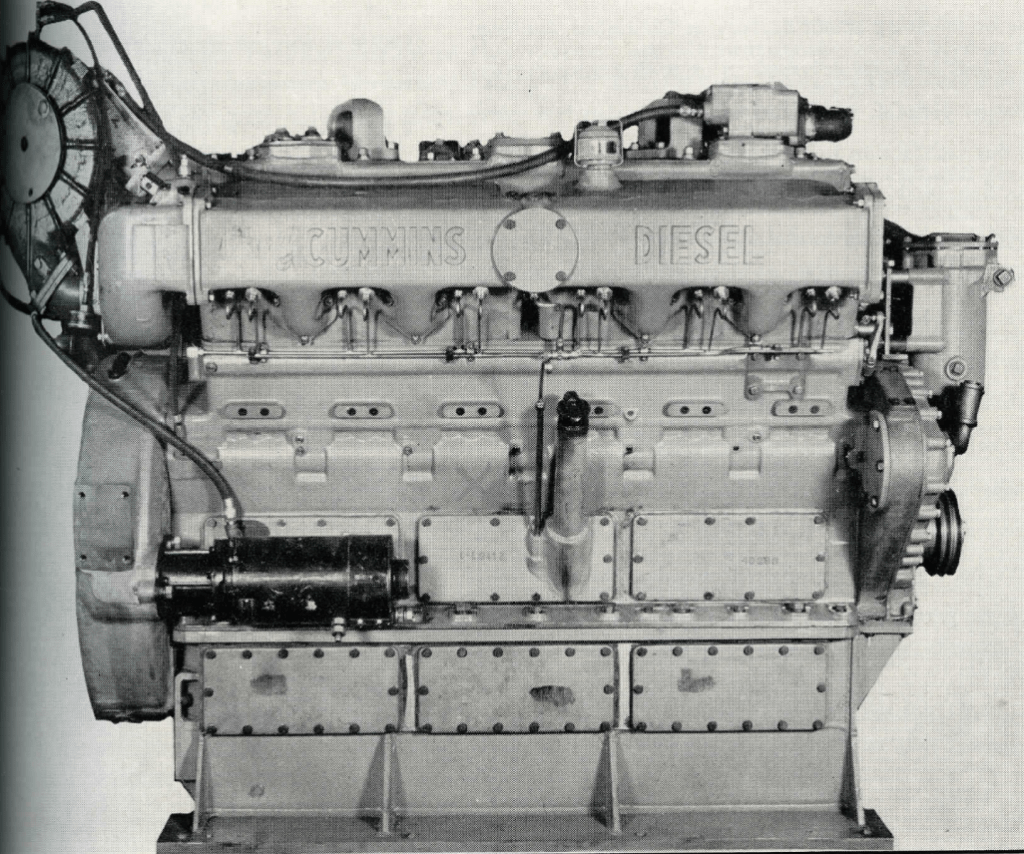
    The Cummins VT-12 produced 600 horsepower for the Logistical Cargo Carrier – 1 (LCC-1). The images below show the engine used in the LCC-1 with a right and left side view. The images are from the Illustrated Parts Catalog for Army Sno-Train X-1, Volume 2 of 2, 30 March 1955.

  • The LCC-1 Sno-Train has many names

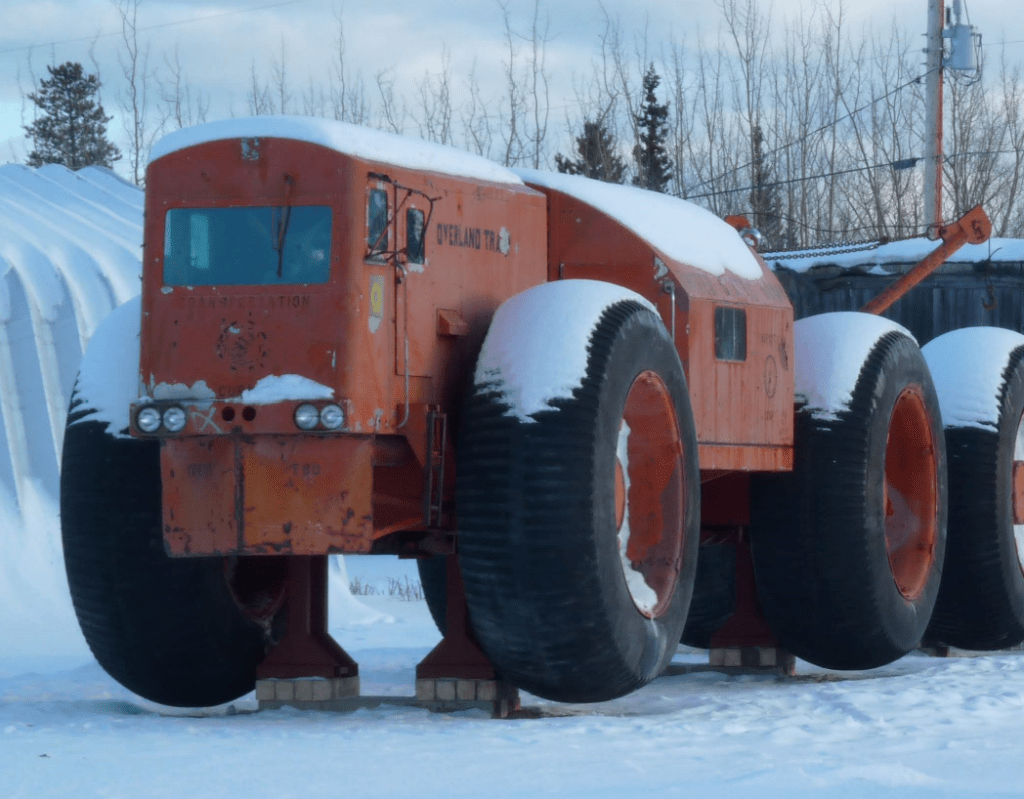
    The Sno-Buggy was built as a proof of concept for the LCC-1 Sno-Train. Here are some other names that you might see associated with the LCC-1

    • Logistical Cargo Carrier (LCC) Sno-Train
    • Army Snow Train X-1
    • YS-1 Sno Train
    • Overland Train Mk I
    LCC-1 at the Yukon Transportation Museum
  • LCC-1 Photo Received: New Perspective

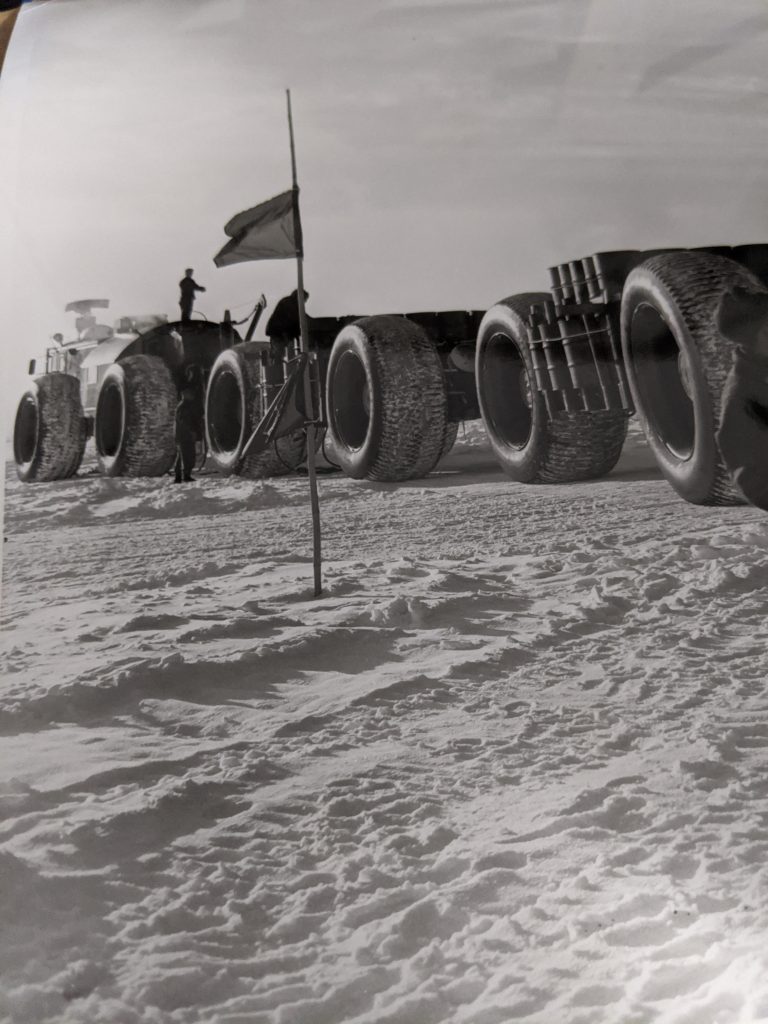
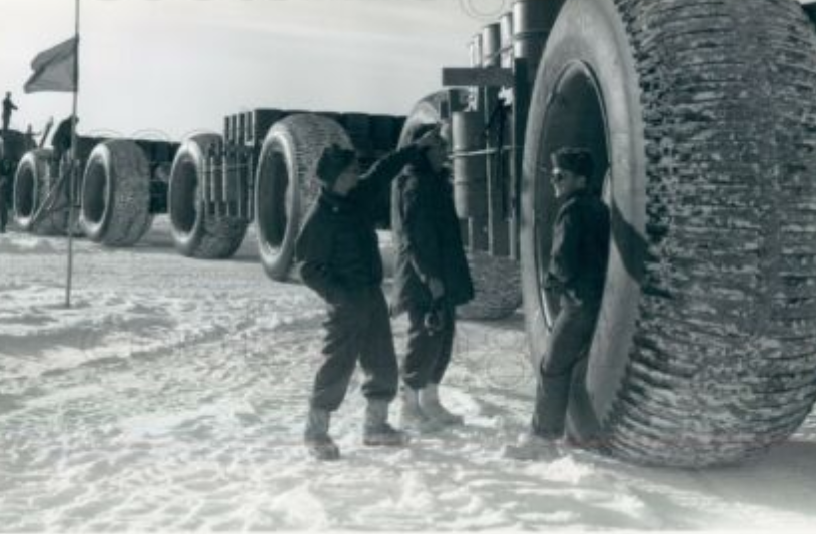
    My photo from Coots Imagery arrived this weekend. It is an original press photo with types metadata on the reverse. I was really excited to see that the original photo includes a rear perspective of the LCC-1 as it accomplished the supply mission to Camp Century. The image typically seen on the internet (below) cuts out the LCC-1 and only shows the freight car.

    Source: U.S. Army Photos
    Source: U.S. Army Photos
  • LCC-1 Sno-Train Photo

    I found and bought a fantastic photo of the LCC-1 Sno Train on eBay yesterday. I’ve seen this photo on the net, but didn’t have any verifiable background to the source.

    Source: U.S. Army Photos

    As part of the photo purchase, it comes with a typed description (metadata) about the photo. This photo was captured on 25June55 at Camp Century, Greenland. Camp Century was part of Project Iceworm. The barrels mounted to the side of the freight cars are Petroleum, Oil, and Lubricants (POL). The base was abandoned and decommissioned in 1967. Historic photographs like this are available from Coots Imagery and Historic Images to name a few.