John Lewis Gaddis “On Grand Strategy.” UPDATE: 15Jan21: I had a difficult time getting into this book. Moving on…

John Lewis Gaddis “On Grand Strategy.” UPDATE: 15Jan21: I had a difficult time getting into this book. Moving on…
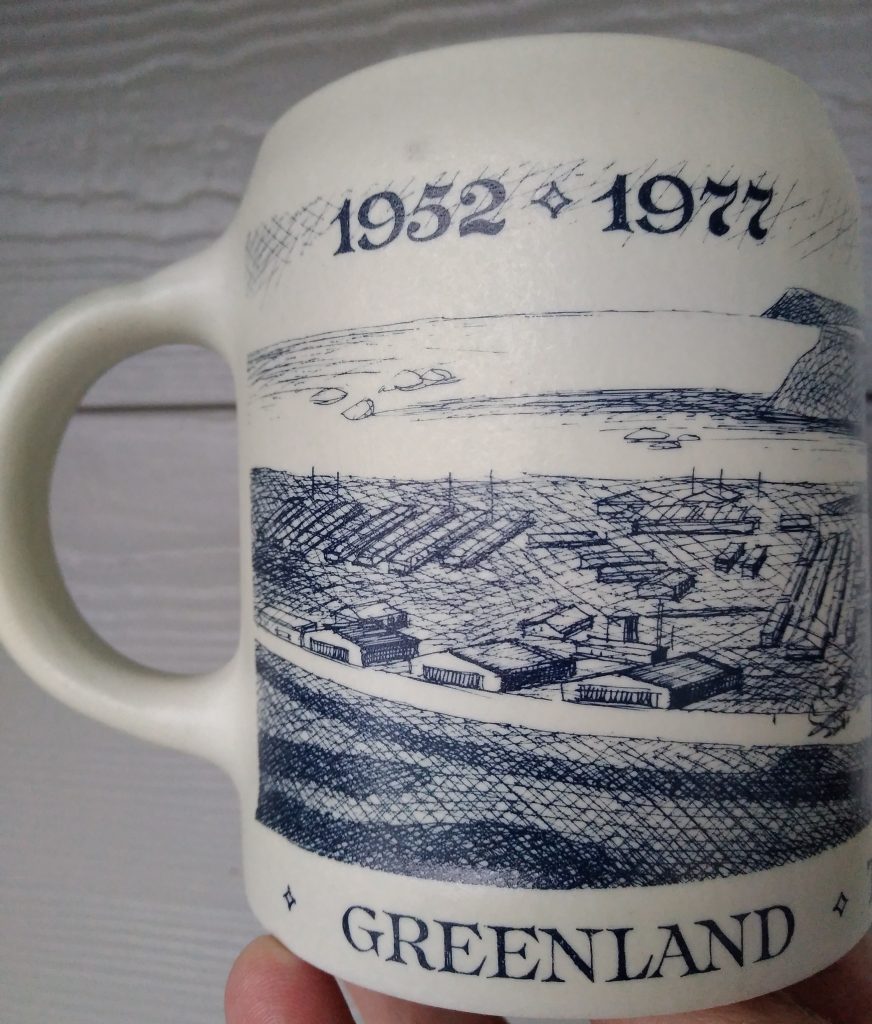
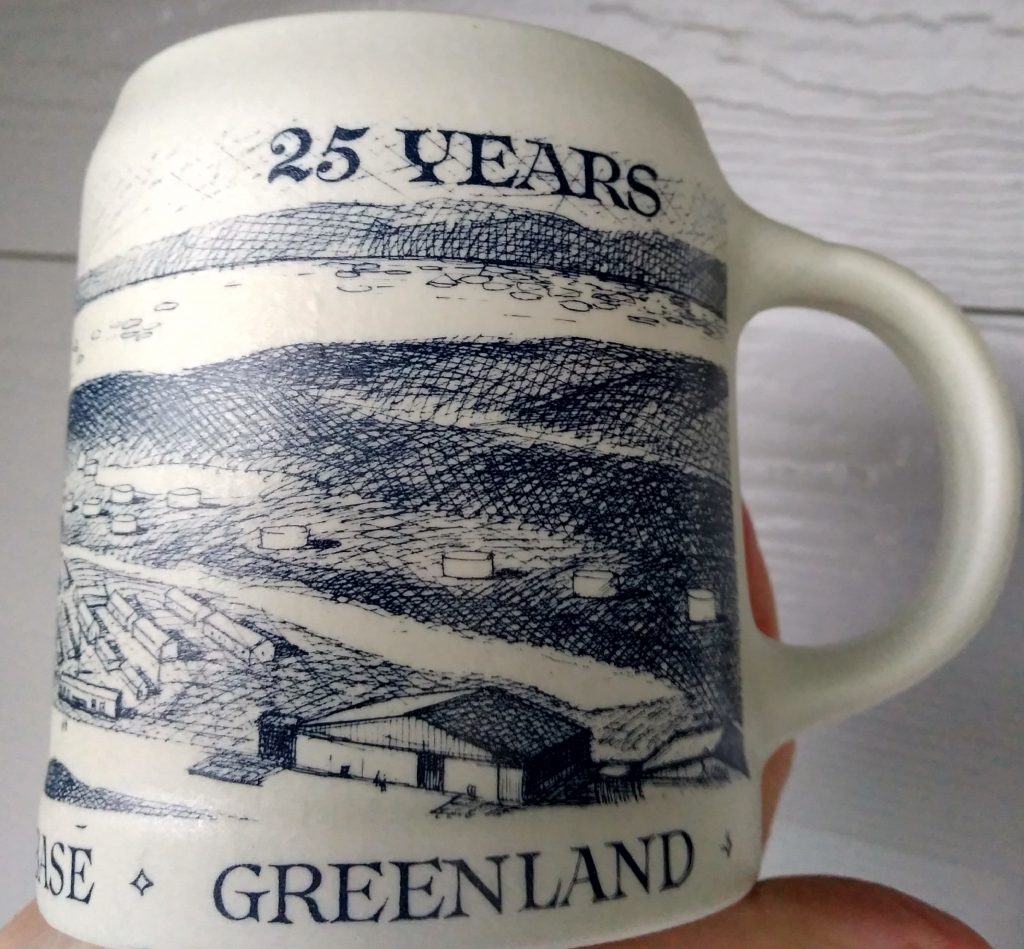
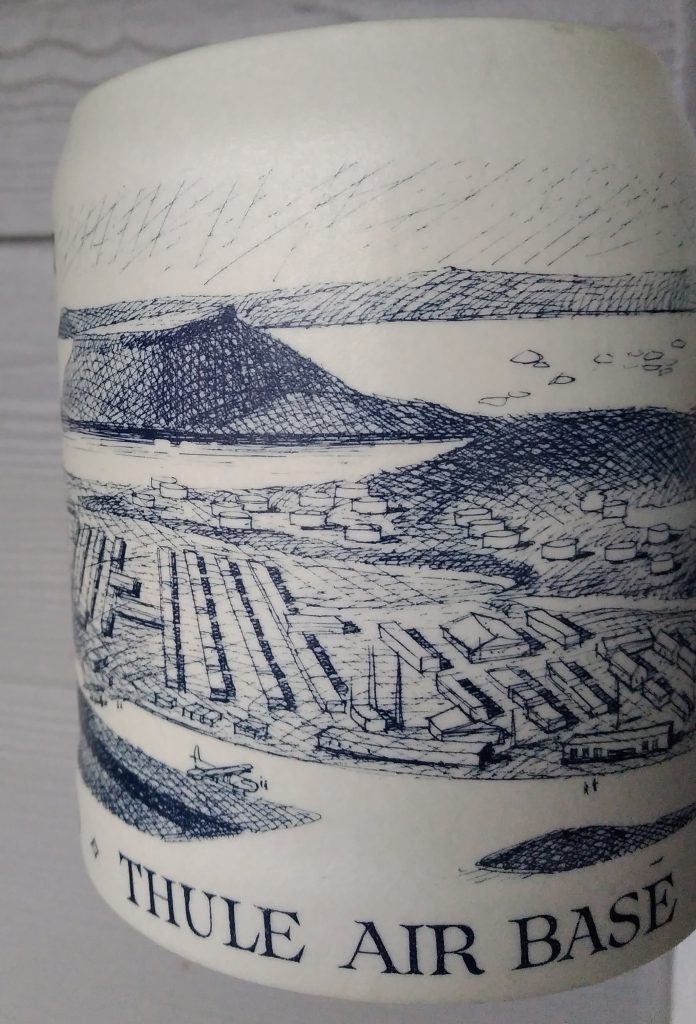
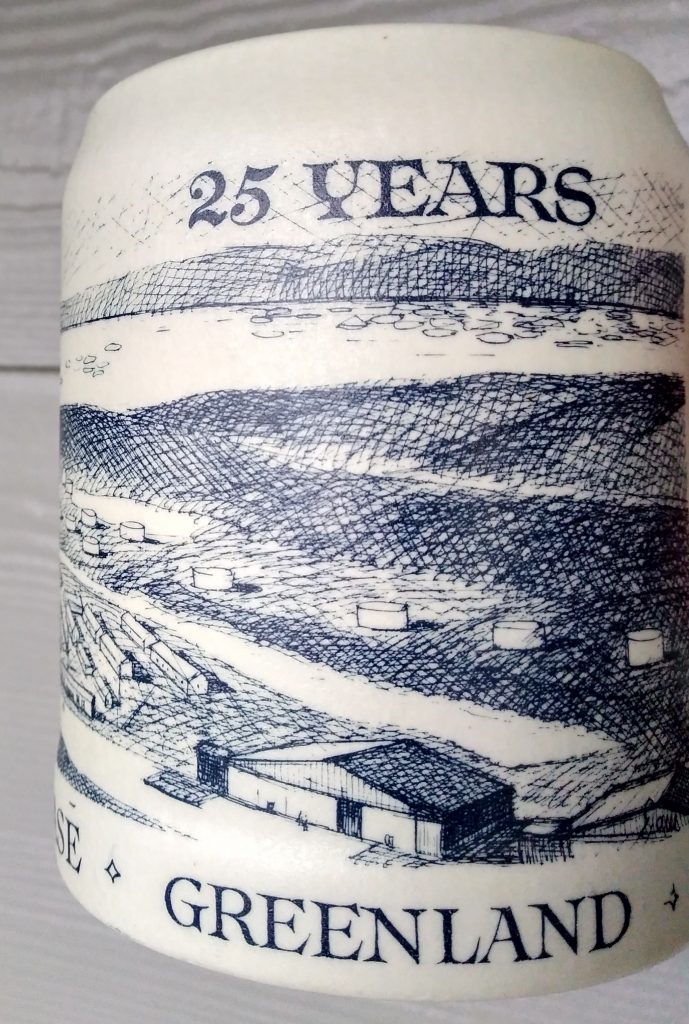
I purchased this 25 years at Thule Air Base, Greenland mug at eBay. The mug shows the Air Base and Mount Dundas in the background.
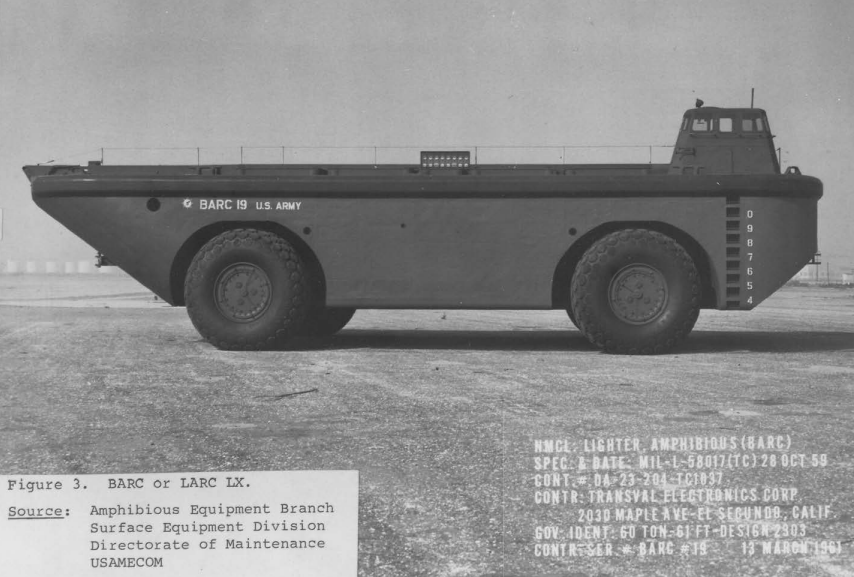
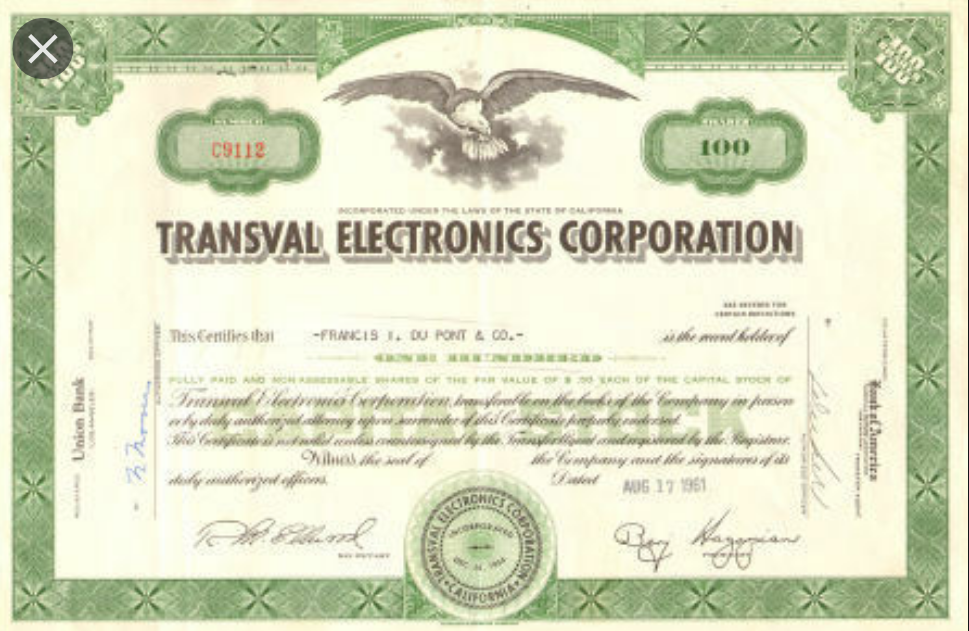
In 1961, Transval Electronics Corporation (TEC) was contracted by the U.S. Army (USAR) to develop a vehicle that could solve a major problem. The USAR needed a vehicle that could be dropped off of a ship carrying heavy equipment, float, navigate to the shore, and drive up the beach. TEC developed the Barge Resupply Cargo Vehicle, or BARC.
The six BARCs were built for the Army Transportation Corps. These vehicles weigh 100 tons and designed to carry 60 tons. In an emergency, they could carry their own weight. Each 9 foot tall wheel was driven by a 200hp diesel engine. Two marine propellers provide drive for the craft within water. The BARC was 62.5 feet long, 26.5 feet wide, and 19 feet high.
TEC developed other cargo carrying capabilities for the USAR, which will be expanded upon in my Overland Trains book, due out mid to late 2021.
I took a month long book writing break during the holidays. My day job has been demanding my full attention and I didn’t have the energy to conduct the research and writing after work hours. I have a tremendous amount of data to parse.
How I organize data
Whenever I find or receive new data, I place it in a folder for review. Once I read the information, I place it in one of my chapter folders to review at a later time. Each folder contains a Word document with the chapter contents. As I read through information, I write out the content in timeline order. I have assembled rough topical sections for each chapter. So far, most of the chapters are around 20 full pages, with the longest at 28 pages. Each page is only written content, single spacing, and no images. Images will be the last additions to the book.
If you have questions about the book or my process, please get ahold of me at mark@nwlinux.com.
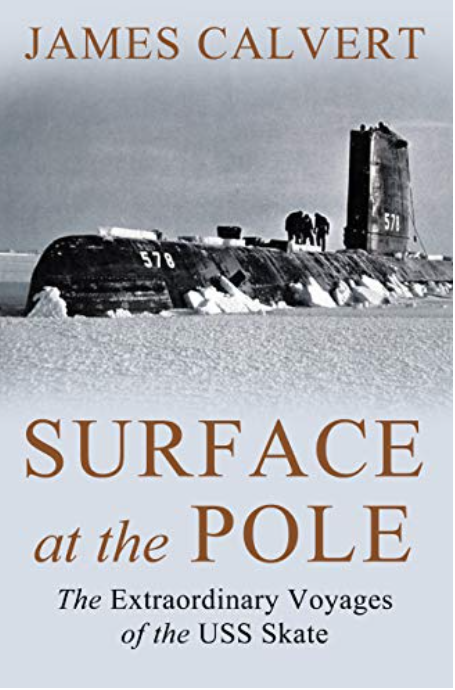
Surface at the Pole: The Extraordinary Voyages of the USS Skate by James Calvert.
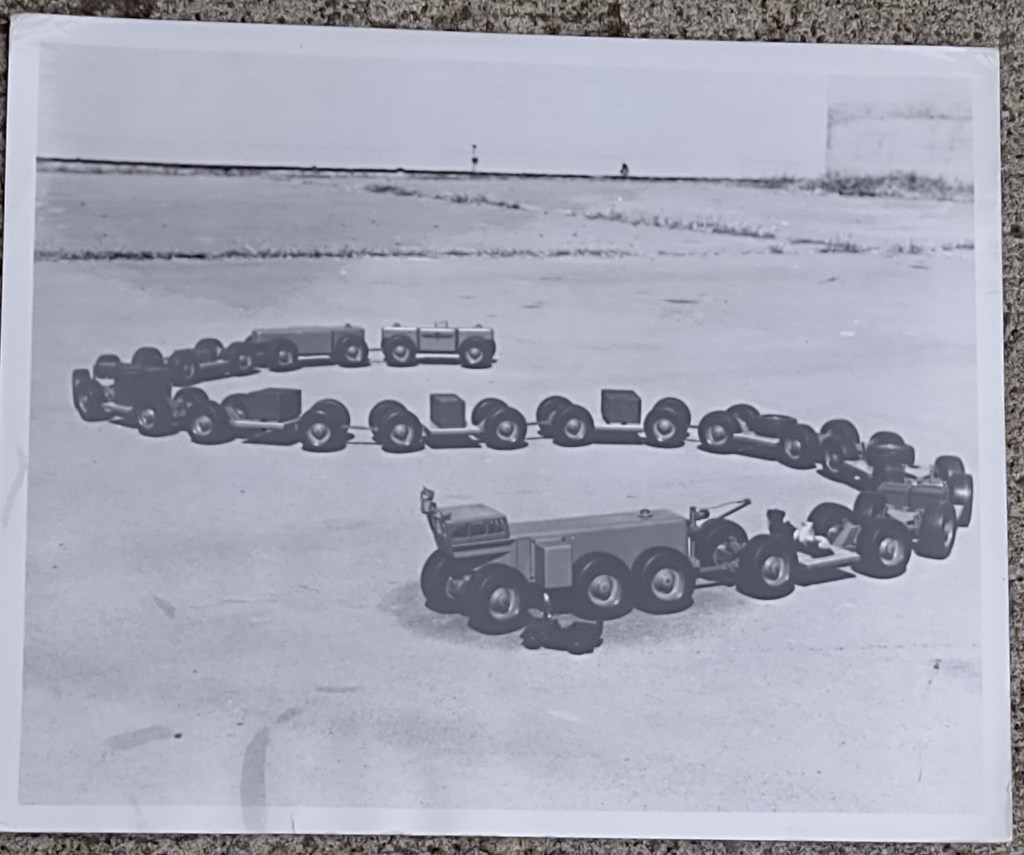
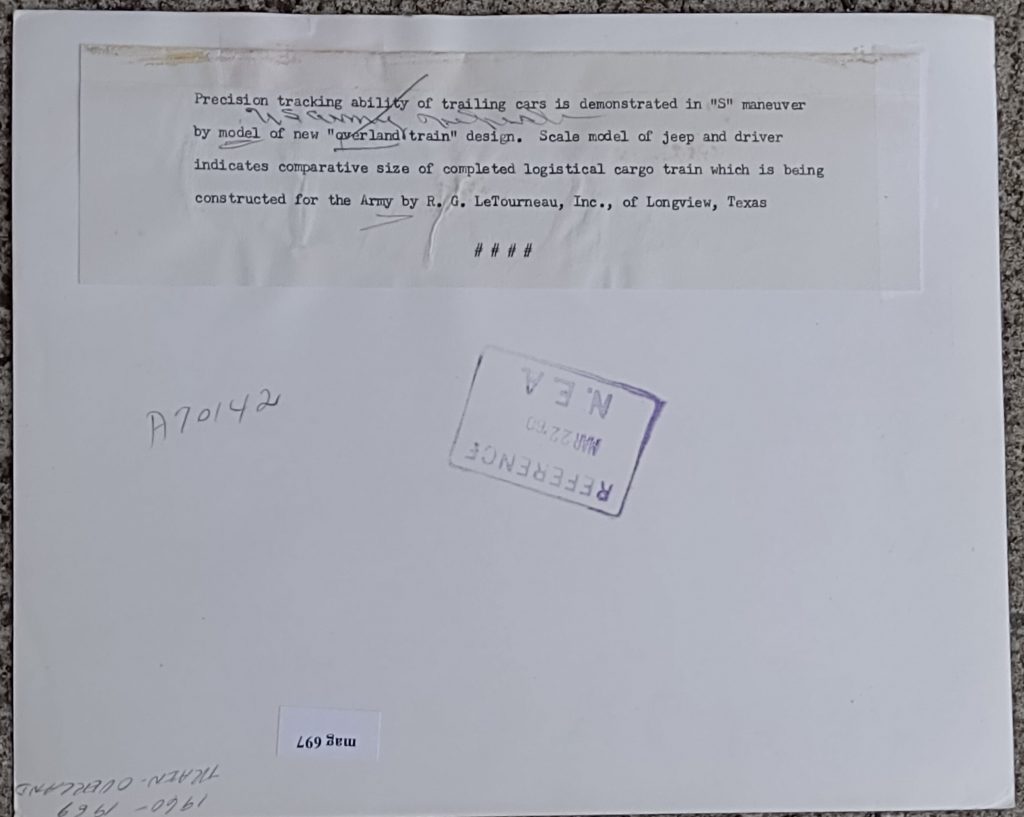
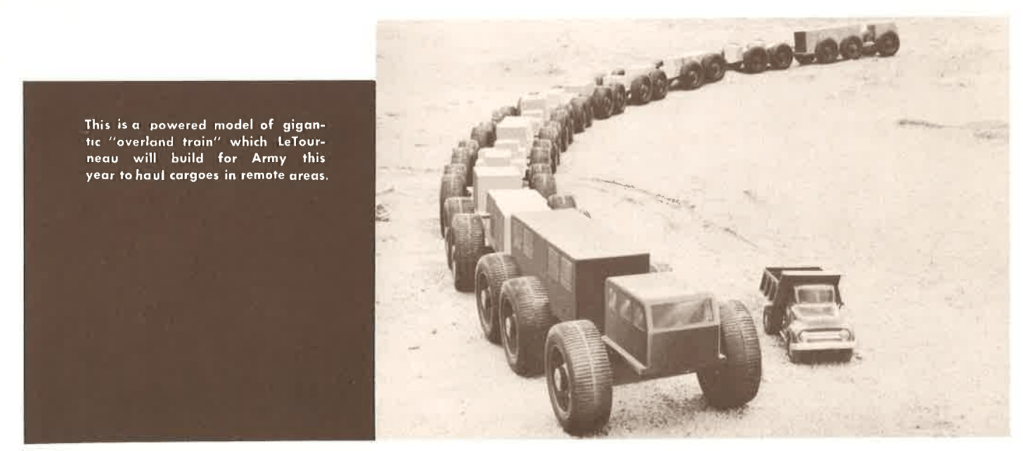
R.G. LeTourneau’s TC-497, or the Overland Train MkII, never saw production outside of one unit. It was the most engineered out of all of the Overland Trains. The model MkII seen below was one of the first steps in testing the S-curve ability of the design. This model was electrified and tested. You can see the toy Jeep for scale.
I acquired a letter with the Byrd/Poulter Snow Cruiser; it arrived in the mail today. You can read about the Snow Cruiser journey on my blog at The Overland Trains weren’t the First Big Wheels on the Snow. The Snow Cruiser wasn’t an Overland Train. It was around well before R.G. LeTourneau’s Overland Train concept came to reality in the early 50s. I write about the Snow Cruiser because Byrd and Poulter’s mission in Antarctica paved the way for Arctic exploration. As it relates to the Overland Trains, the Snow Cruiser was the first to use the large 48×68 sized tires in the snow. While the Snow Cruiser wasn’t at all successful with the tires setup, we learned a great deal about how to start navigating in the snow, ice, and extreme cold.


The U.S.S. North Star transported the Snow Cruiser from Boston, MA.
R.G. LeTourneau, Inc. began work on the Overland Mk II as early as 1958. Unlike the previous Overland Trains, the Mk II was years in the making. Engineers and laborers spent large swaths of time with the larger train concept, designing suspension, wheel motor cooling, and other components and features. The model Overland Mark II you see below, in R.G. LeTourneau’s Annual Report, is one stage of development used to understand steering and trailer tracking. The Mk II was handed over to the United States Army in Mar/Apr of 1962, where it was transported to the Yuma Proving Grounds for testing.

 Overland Trains