Articles

  • Sno-Train during Environmental Operation Willow Freeze

    Sno-Train during Environmental Operation Willow Freeze

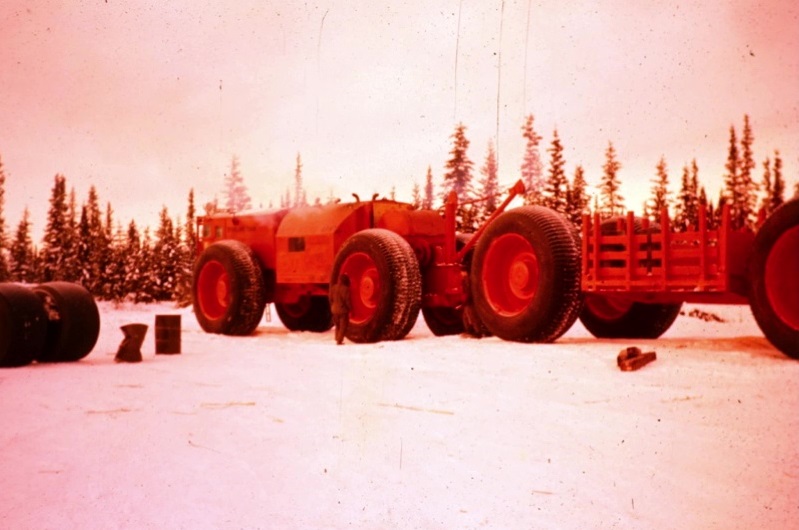
    Willow Freeze was a 5 phase maneuver during the winter of 1960-1961. It involved elements from the United States Army Transportation Corps, United States Army Transportation Board Task Detachment Logistical Support, and others. The goal of Willow Freeze was to figure out logistical operations in Arctic terrain. The Sno-Train was one of many different types of logistics machinery. I will cover Willow Freeze and subsequent recovery operations in great detail within my book.
    Sno-Train during Willow Freeze – image courtesy Marty Martinez

    The image above shows the Sno-Train and two large wheels to the left-hand side. These wheels were the 1,000 gallon Rolling Liquid Transporters (RLT). The RLT were designed to transport fuel within the wheels. They performed well over the terrain. The Army’s only concern was that fuel could only be dispensed out of one RLT at a time.
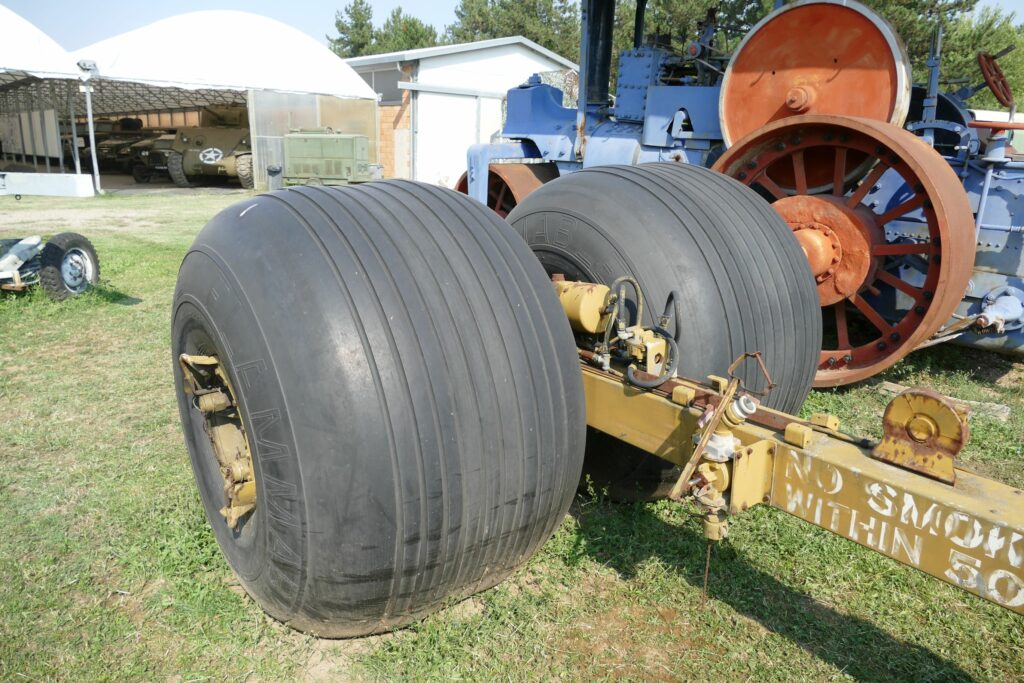
    Rolling Liquid Transporter – image: maquetland.com
  • LeTourneau Tactical Tree Crusher Location

    LeTourneau Tactical Tree Crusher Location

    The Tree Crusher is not an Overland Train. I wanted to showcase a unique machine built by R.G.

    In 1968, the United States military leased the only two Tree Crushers in existence from R.G. LeTourneau, Inc. The military needed a win against the overbearing vegetation in Vietnam. They hoped that the answer would be the LeTourneau Tree Crusher.

    War is Boring (https://warisboring.com/the-u-s-army-leveled-vietnamese-forests-with-monstrous-tree-crushers/) has an extensive write-up on them.

    Where are They now?

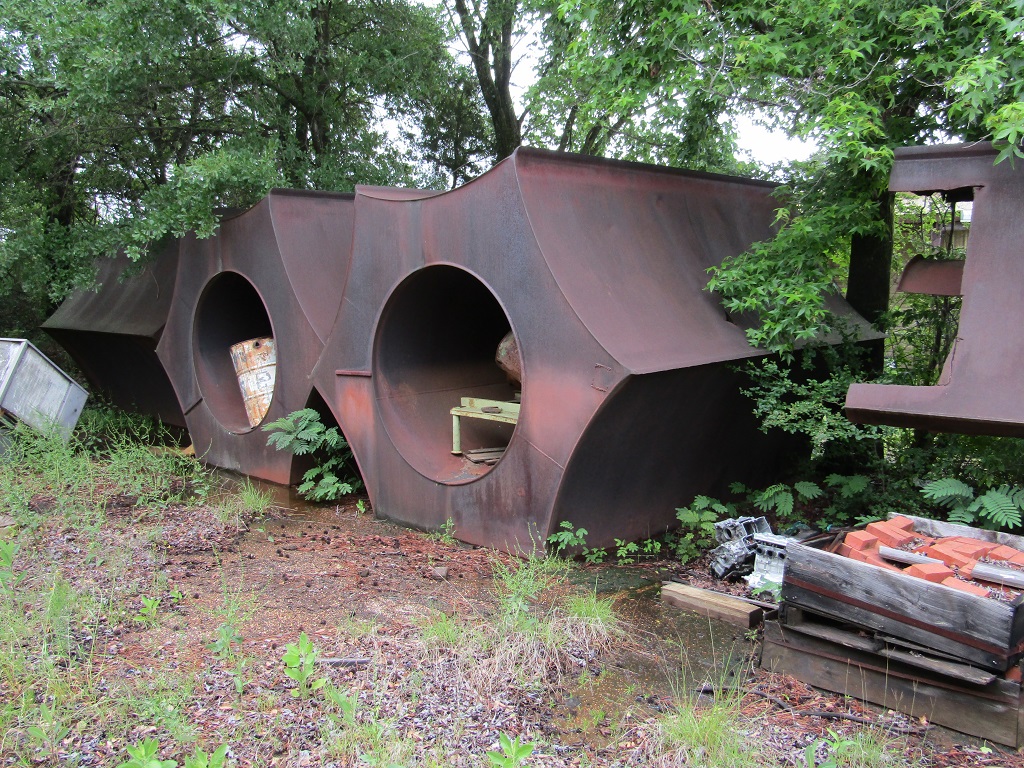
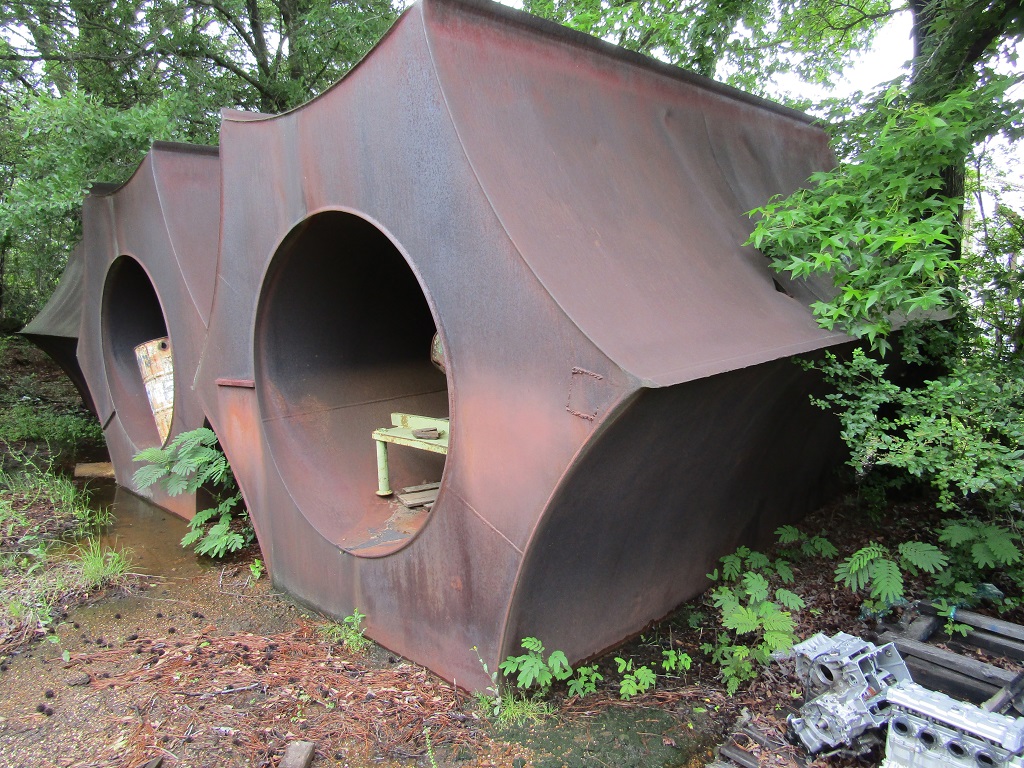
    What is left of the Tree Crushers reside in Longview, TX. Both cabs and the drums are sitting behind a workshop, rusting away. The bottom two image gallery pictures show a partially cut drum. A local Longview scrapper contacted the drums owner to see if he could salvage the steel. After repeated attempts, the owner agreed and the scrapper started cutting. The scrapper did not anticipate the foam’s toxicity inside the drum. The foam was used to create buoyancy with the heavy machine. As the welder cut into the steel, toxic fumes from the foam made him sick. The scrapper came back again and to give cutting another try. This time the foam off-gassing made him sick and landed him in the hospital. The scrapper abandoned his efforts to salvage the drum steel.

  • Sharing Overland Trains Links using Neeva Spaces

    Sharing Overland Trains Links using Neeva Spaces

    Neeva provides ad-free, private search results. They are in a private Beta with around 5,000 users, with plans to go public using a paid subscription model – priced somewhere around $5 a month. Because Neeva is supported by your subscription fee, they are accountable to their users, not advertisers. Read the Neeva Bill of Rights at https://neeva.com/digital-bill-of-rights.

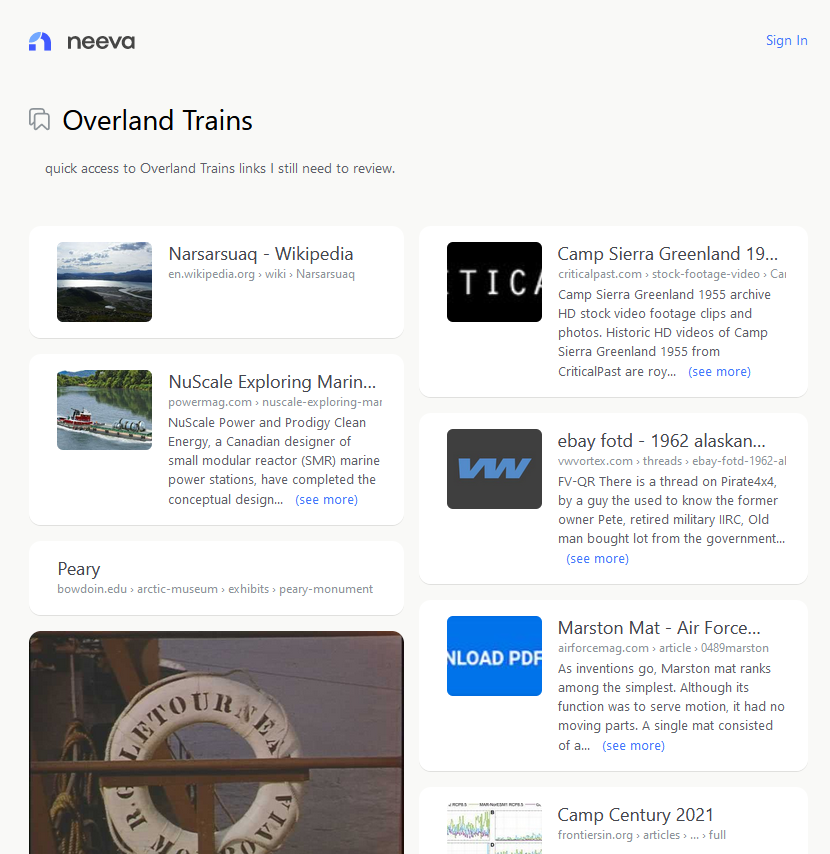
    Neeva Spaces is a new way to organize bookmarks. You can add links through the Neeva Search page, manually, or through the Neeva browser extension. You can take a look at the Overland Trains Neeva Spaces at https://neeva.com/spaces/nBACORibPbXU4a0Pje25-cXpT5XP9JObytsry0n_.

    The Overland Trains Neeva Spaces

  • Research & Writing Update, June 3, 2021

    Research & Writing Update, June 3, 2021

    Two weeks ago, I traveled to Texas for an extensive week long research mission. After braving a tornado siren warning and the extreme heat and humidity, I have to say MISSION ACCOMPLISHED. I visited in-person with a LeTourneau Historian, visited the Gregg County Historical Museum, spent hours sifting through boxes and boxes of records – spiders too – and interviewed two individuals that had direct experience assembling and drafting the Overland Trains. The information from this trip added over 6GB of electronic data, one sling shot, a piece of the former R.G. LeTourneau, Inc. Dome 1, and relayed experiences that will significant add to the Overland Train’s provenance.

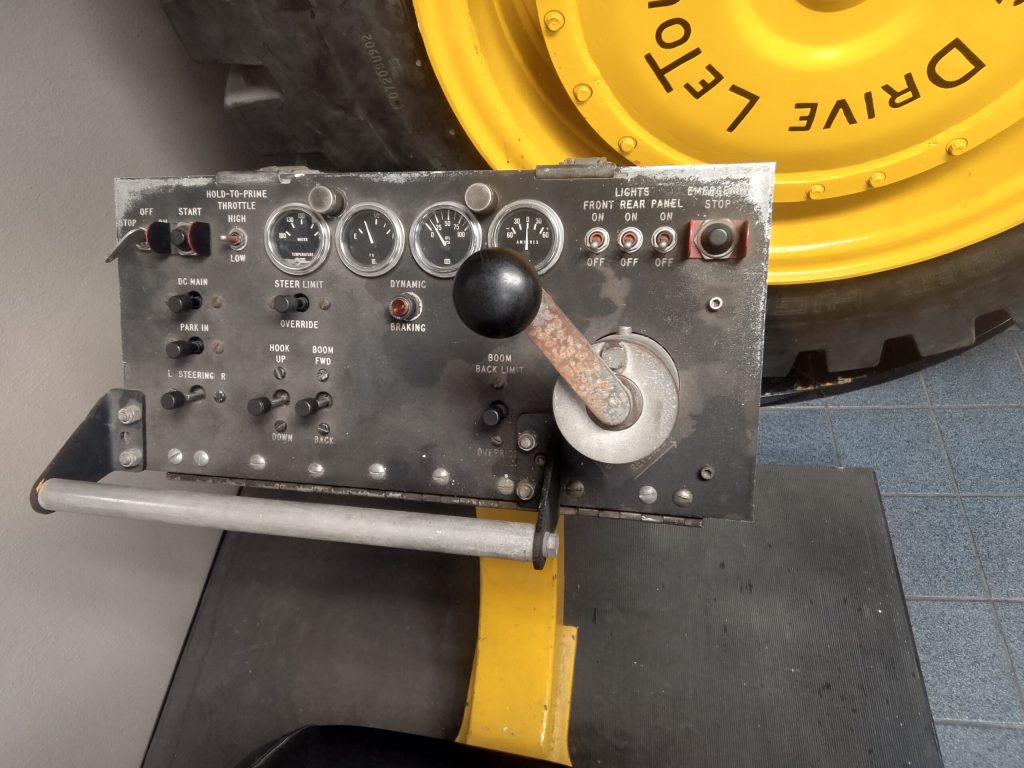
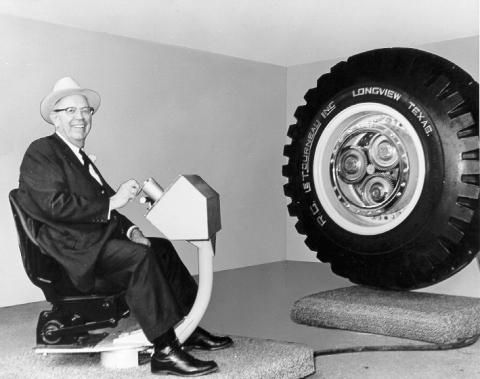
    The image with R.G. is a functional demonstration model using during shows. When the operator turned the potentiometer, the wheel would turn and the operator could see components move. The color image on the right side of the gallery is the actual control dashboard that R.G. sat in as it sits today. I was able to see and sit in the operator’s chair seen right during my trip.

  • Overland Train MkII Rear Control Car Electrical Connection

    Overland Train MkII Rear Control Car Electrical Connection

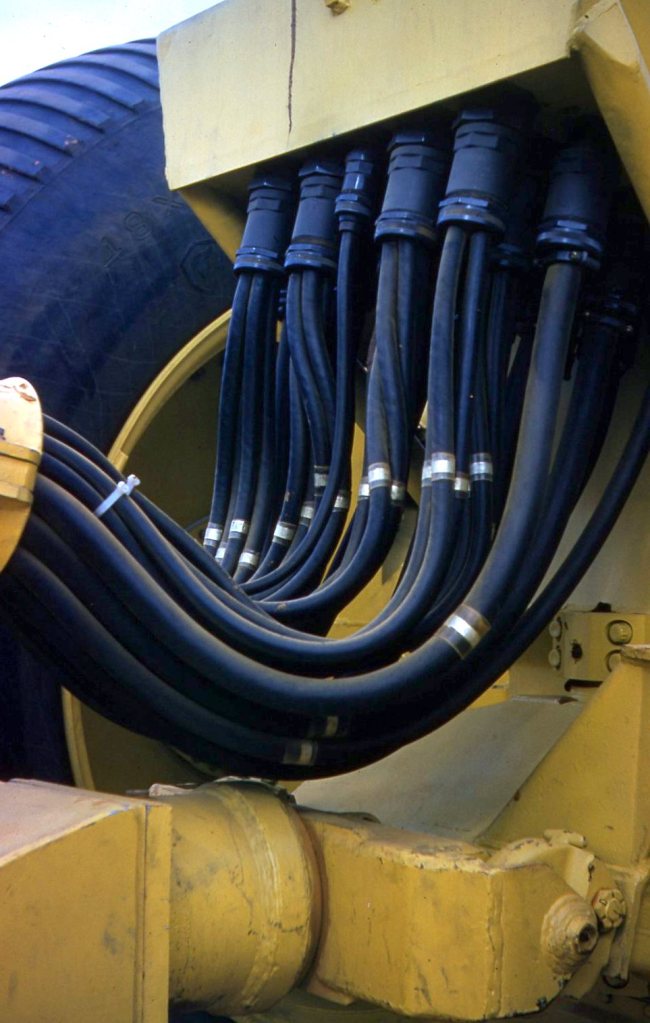
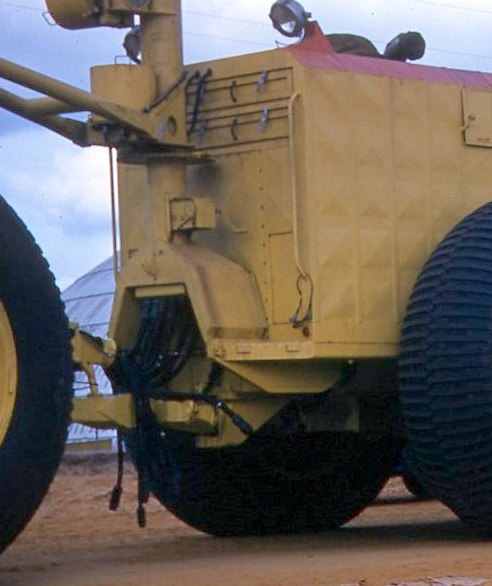
    In 1961, the Overland MkII was being fabricated and tested, prior to handing it over to the United States Army in 1962. The image to the left shows the large quantity of electrical wire gauges coming out of the Control Car. The MkII Control Car produced enormous amounts of current from the Solar engines (company name, not solar panels) connected to electric generators. The Control Car’s AC generator produced 150-KVA, 480 volt, 60 cycle, 3-phase, while the DC generator produced 600-V.

    These images were captured at the previous R.G. LeTourneau, Inc. in Longview, TX.

  • Sno-Buggy Image: Then and Now

    Sno-Buggy Image: Then and Now

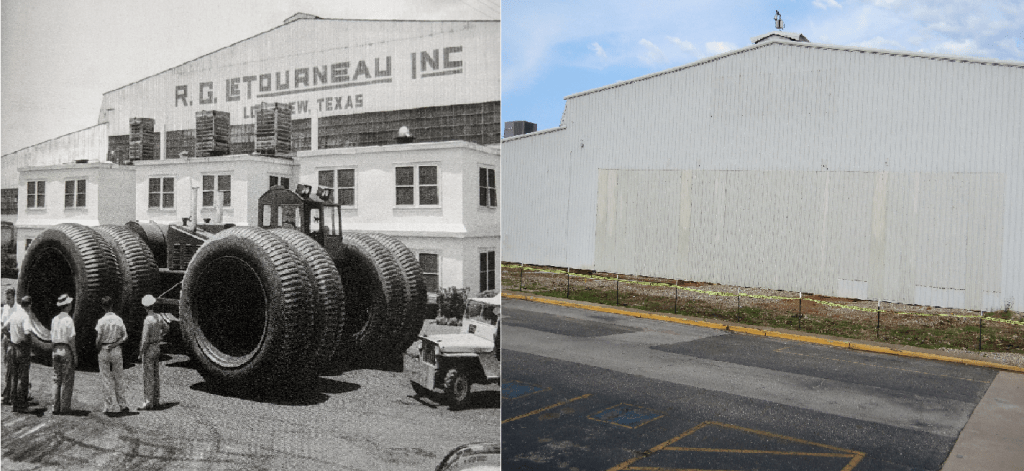
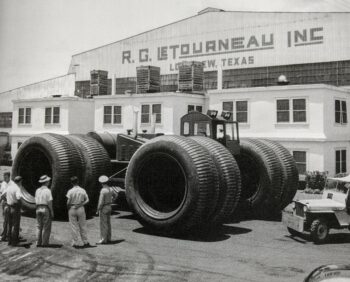
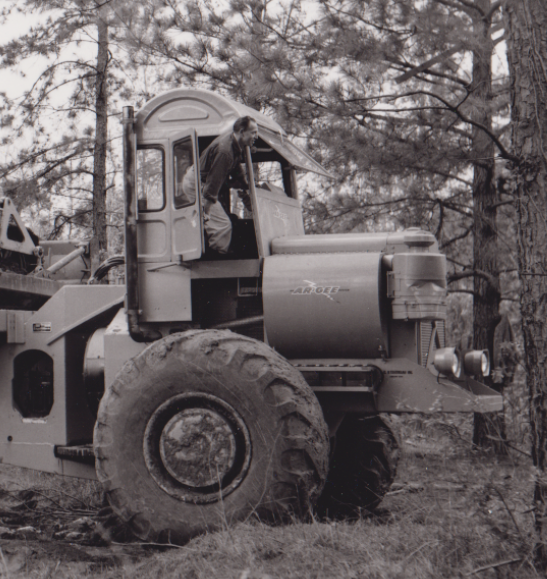
    The image of the TC-264 Sno-Buggy below was captured in front of the R.G. LeTourneau building in Longview, TX, very close to the original guard shack.

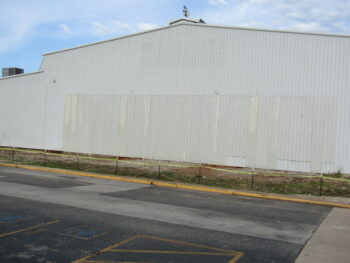
    In May of 2021, I traveled to Longview, TX. I was able to capture an image of the building, now owned by Japanese based Komatsu. The two-story buildings in front are gone. You can still see their outline.

    The old R.G. LeTourneau, Inc. building in Longview, TX May of 2021

    I placed the images side by side for comparison below.

    Then and Now

    The Sno-Buggy spent some time in Greenland, where it engaged in a variety of tests. The United States Army (USAR) was evaluating equipment for logistics operations and others – most importantly, how to move petroleum, oil, and lubricant efficiently over the ice.

    The Sno-Buggy was not an Overland Train. However, the machine greatly contributed to the development of that concept. I will expand on the Sno-Buggy, it’s role in Greenland, another piece of equipment that was shipped and tested with it, and how the Buggy transformed when it came back from Greenland, in my book.

    • An Ar-Gee Design

      An Ar-Gee Design

      You won’t see the Ar-Gee Design logo very often. It was used in 1957 only. When R.G. LeTourneau wanted to attend a trade show, he was still restricted from using the R.G. LeTourneau, Inc. name, pending a 5 year moratorium on selling earth moving machinery. He came up with the Ar-Gee name.

    • R.G. LeTourneau’s first Oil Barge Sold to George H.W. Bush

      R.G. LeTourneau’s first Oil Barge Sold to George H.W. Bush

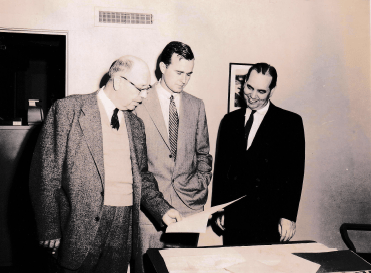
      In December of 1954, R.G. LeTourneau, George H.W. Bush, and R.L. LeTourneau met to go over plans for the late President’s first offshore oil platform (image below). In 1954, President Bush ran Zapata Offshore Co. from 1954-1966. He bought one of R.G. LeTourneau’s first offshore oil barges.

      Pictured left to right: R.G. LeTourneau, George H.W. Bush, and R.L. (Dick) LeTourneau

      When R.G. LeTourneau approached Zapata Offshore Co. about purchasing a barge, Bush was hesitant. After some back and forth, R.G. proposed a low risk scenario to Bush. Considering that the platform was R.G.’s first platform sale, he made an offer that Bush could not refuse. R.G. told Bush that he would build the platform and have it towed out to a location of his choice at no cost to Zapata Offshore Co. If the platform did not function as desired, R.G. would tow it back and Zapata Offshore Co. would not be out a dime. If the barge performed as expected, Zapata would then be obligated to purchase the rig – nearly $3 million). Bush accepted.

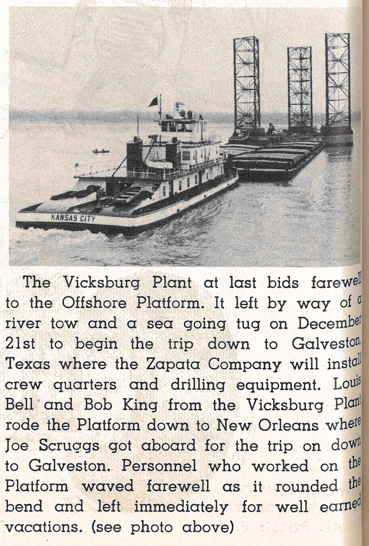
      SCOPE, December 30, 1955

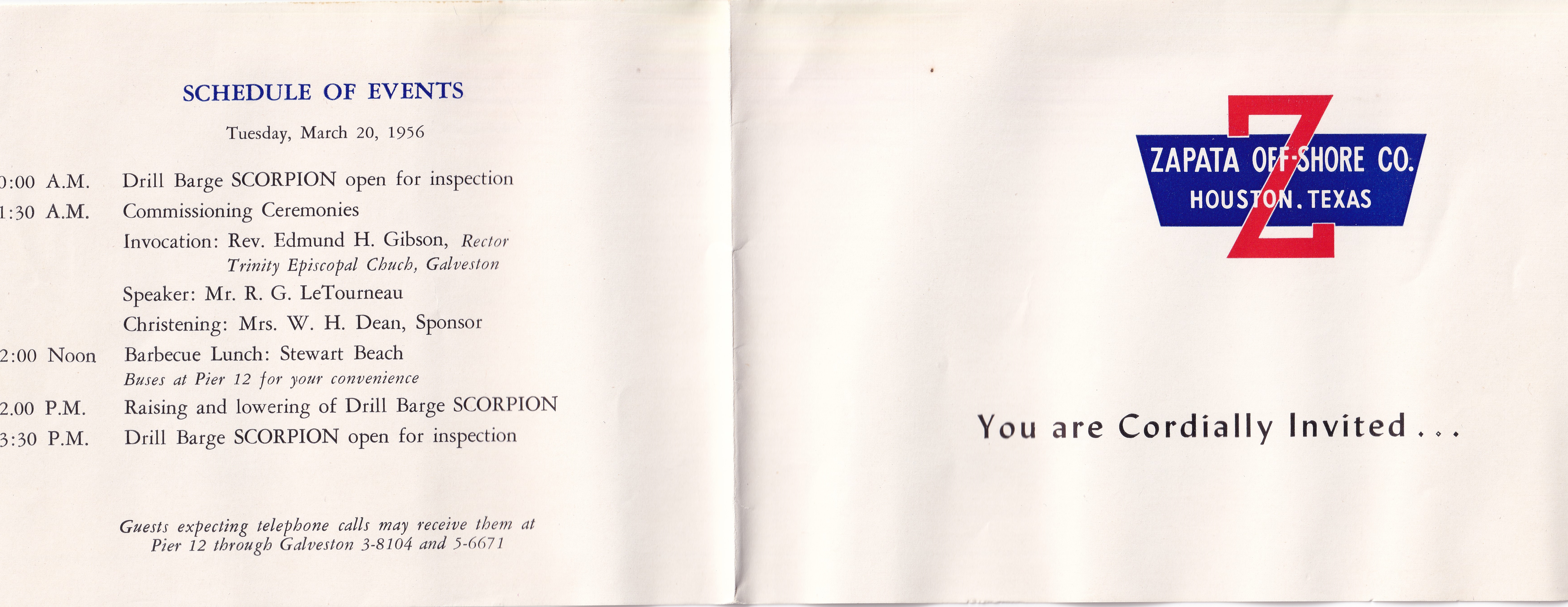
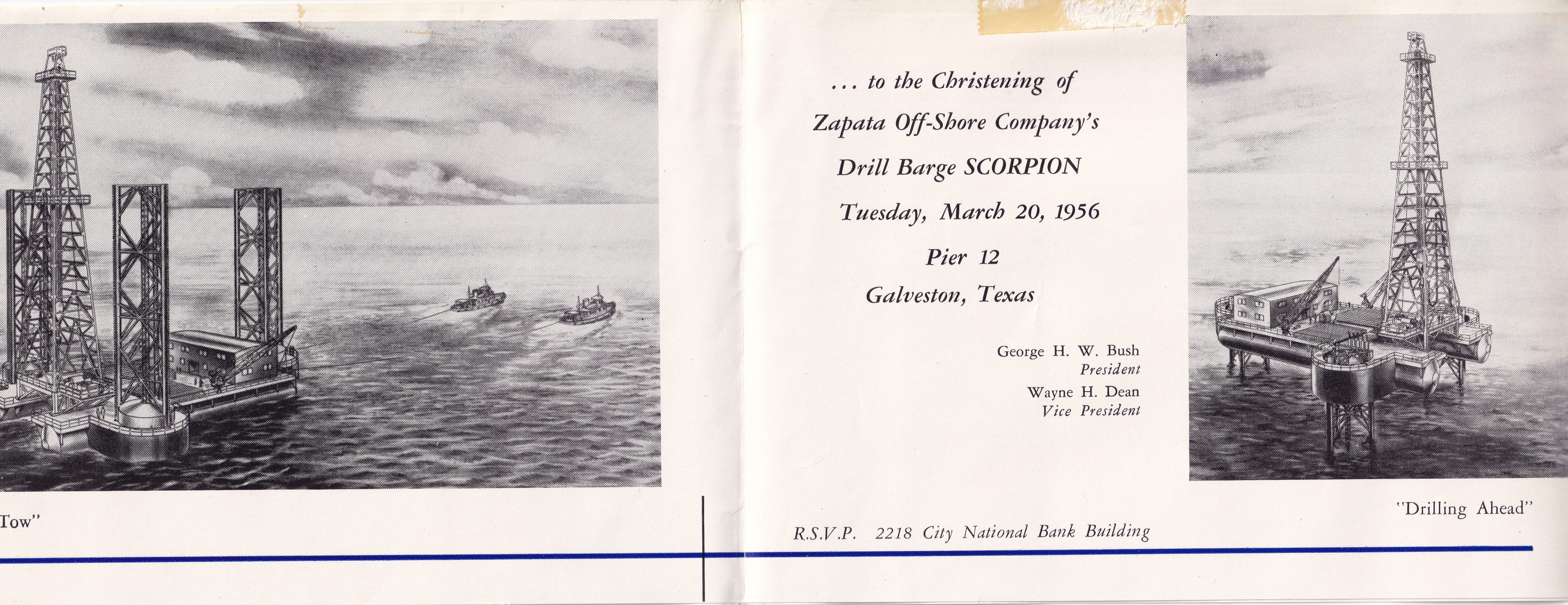
      After R.G. built and towed the platform out to a location, the platform did not deliver. R.G. hurried out to the platform and took out his soap stone, marking up a few locations on the platform. Welders came out and followed R.G.’s marks and repair instructions. After the corrections, R.G.’s platform operated as intended. On March 20, 1956, drill barge SCORPION was open for inspection and commissioning at Pier 12 in Galveston.

      Dale Hardy provided the background story for this article.

    • Custom Slingshot from a R.G. LeTourneau, Inc. Draftsman I Interviewed

      Custom Slingshot from a R.G. LeTourneau, Inc. Draftsman I Interviewed

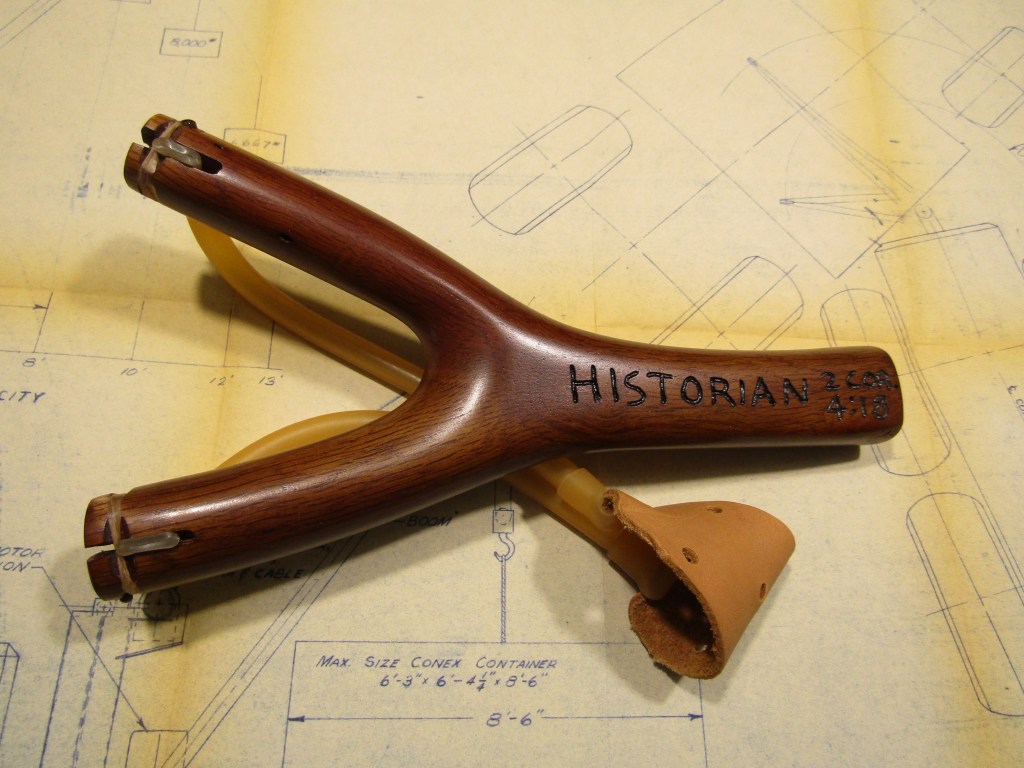
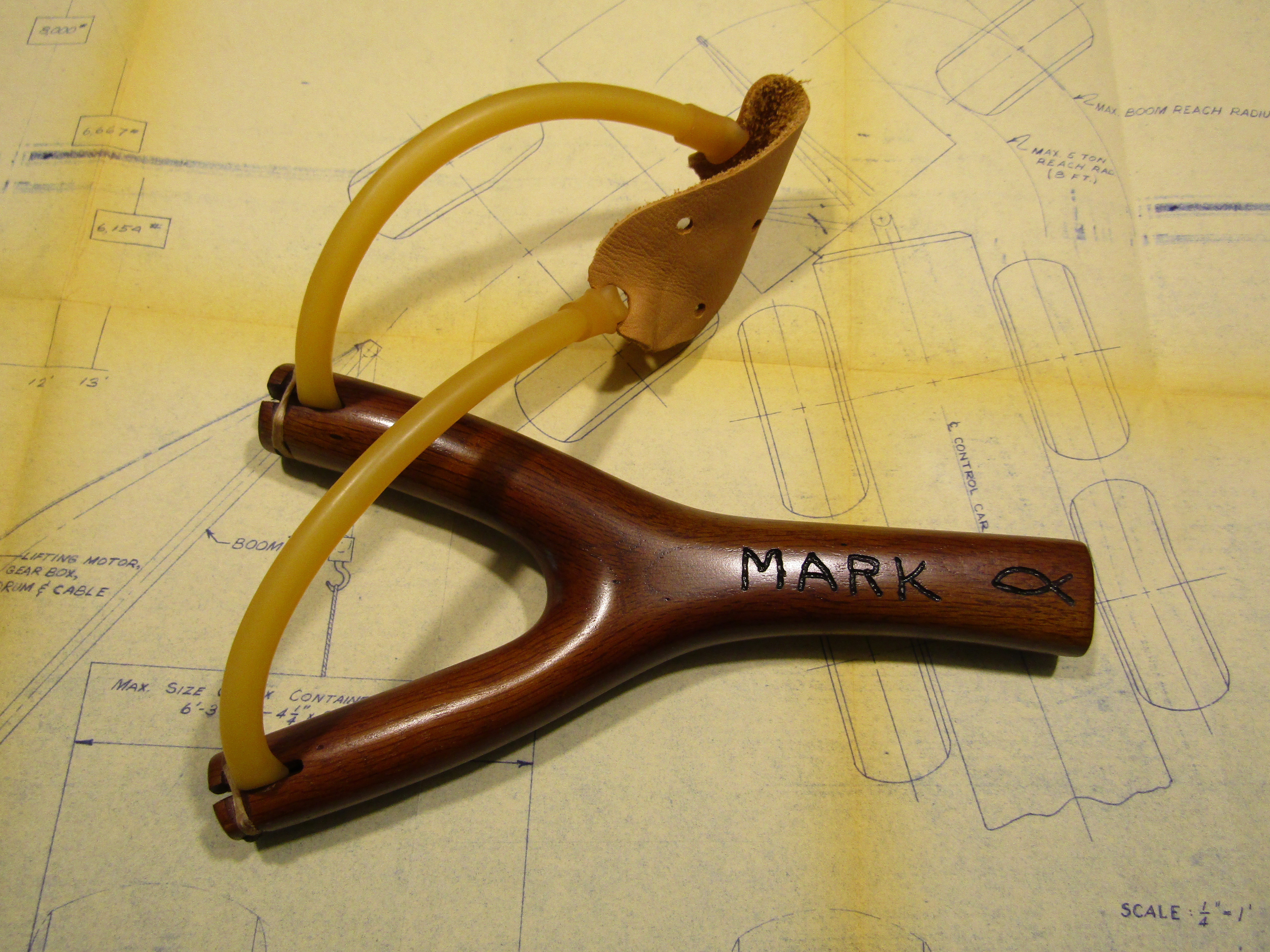
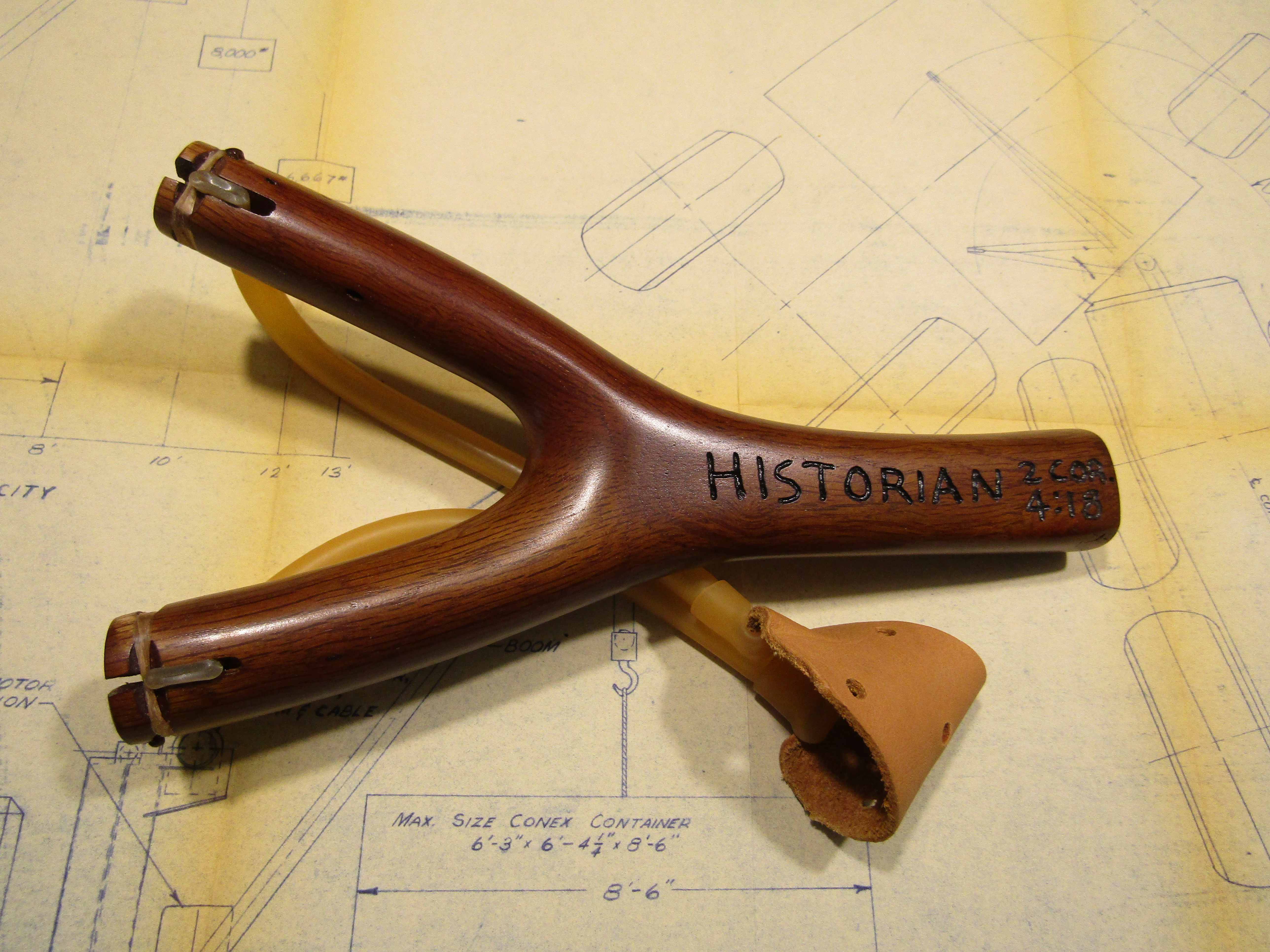
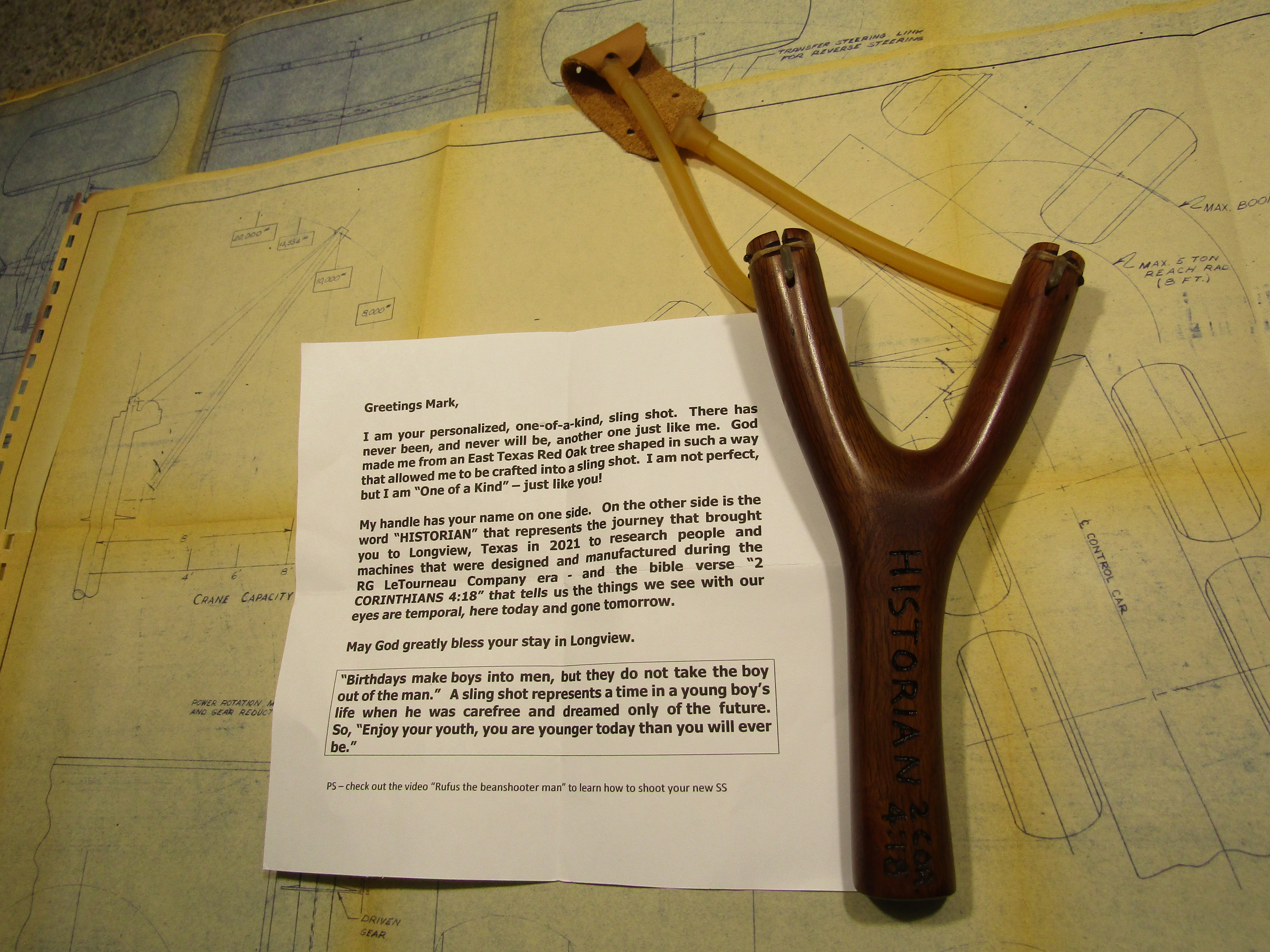
      During my trip to Texas last week, I interviewed a man who drafted the suspension components for the Overland Train MkII. The interview lasted only an hour. A couple of days later, we met up with another man who worked on the R.G. LeTourneau, Inc assembly line. During the 2 hour lunch, he gave me a custom slingshot. He makes these custom for each person that he deems worthy of his creations. This is built out of Red Oak and has custom engravings on each side.