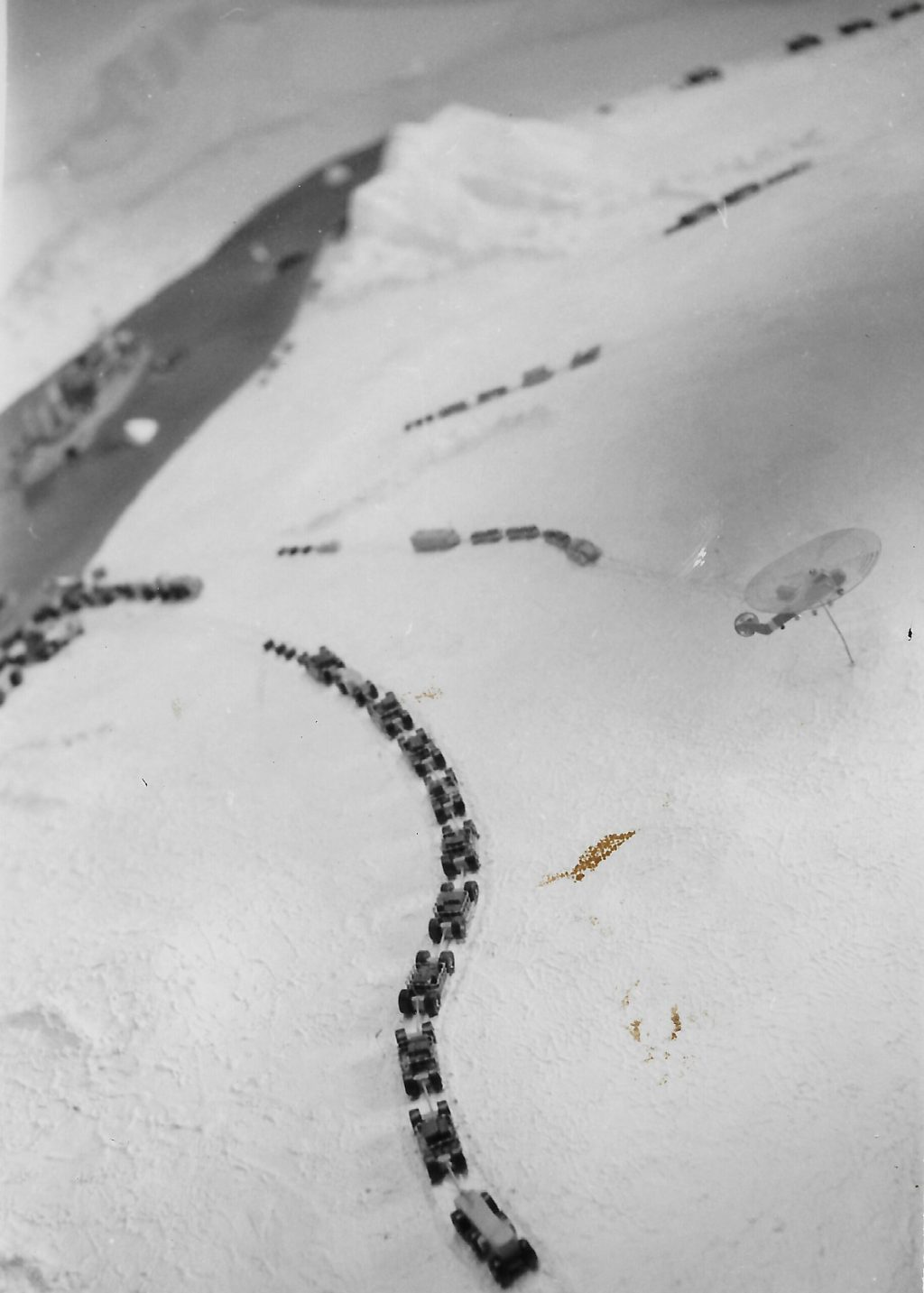
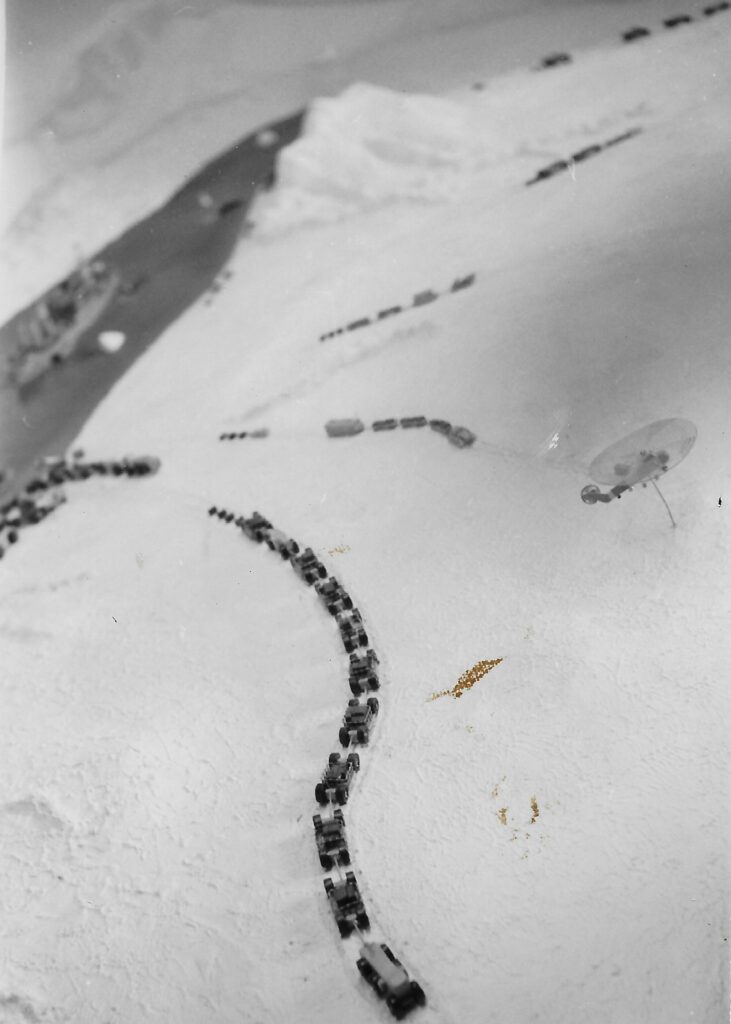
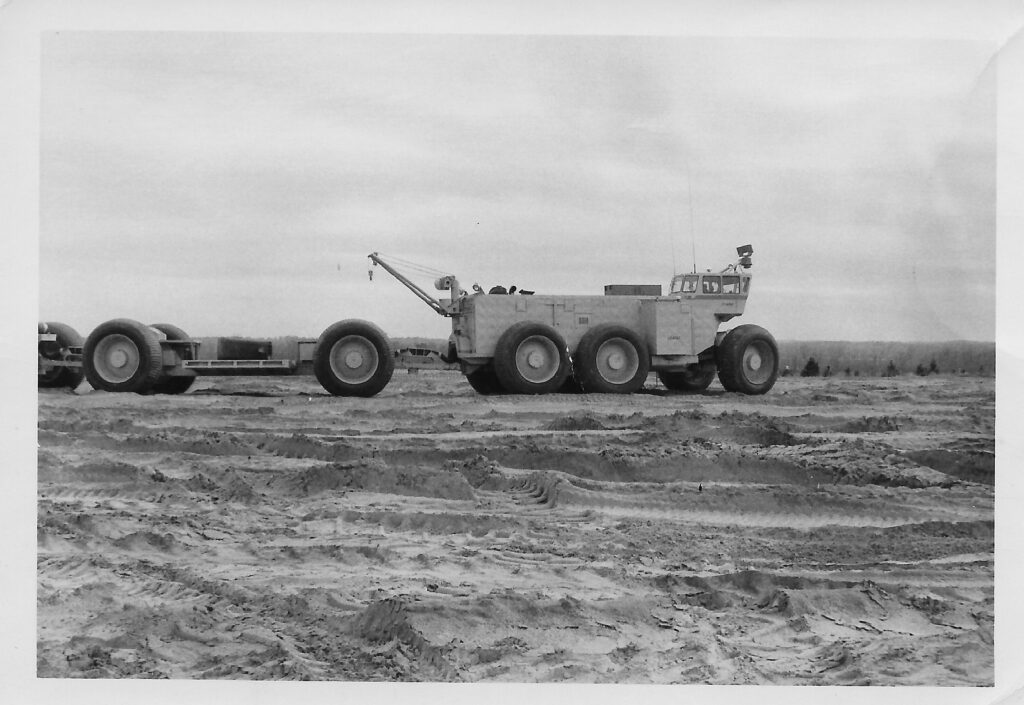
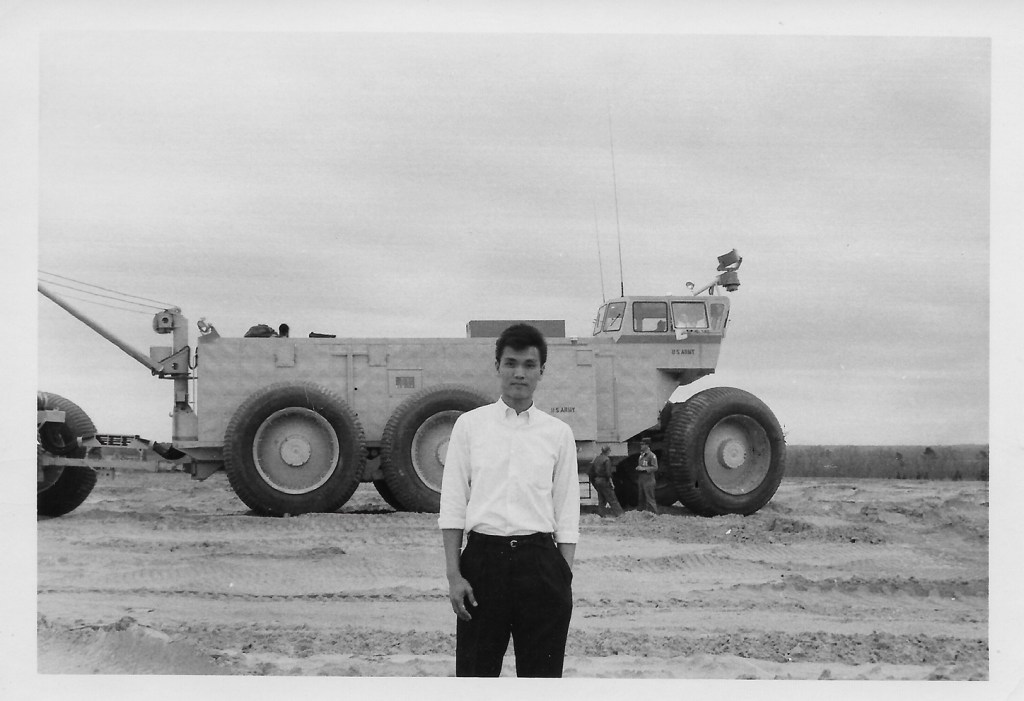
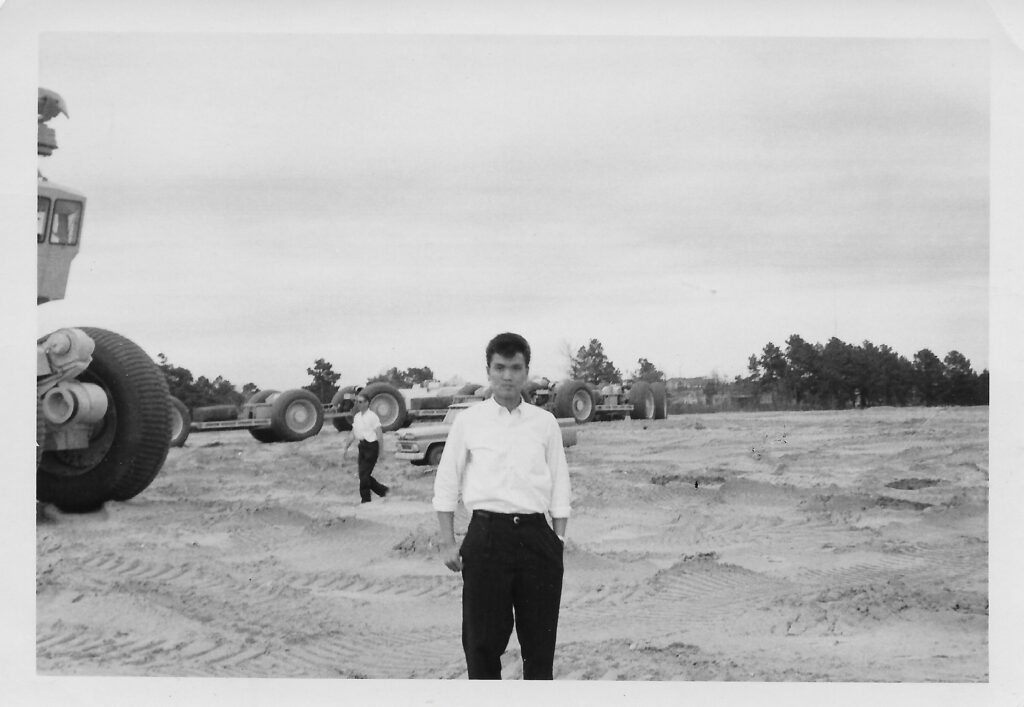
Last month I was contacted by a man who said that his father worked at R.G. LeTourneau’s Longview, TX factory. He went on to provide a fascinating story of his father’s birth country of Thailand and a Thailand Army Colonel – more on that in my book. The man included several images of the Overland Mark 2 (Mark 2) while it underwent testing at LeTourneau’s Longview factory. He also provided the image below of an Arctic scene with the Mark 2 in the foreground. In the model image below, the Mark 2 has 10 trailers and the control car leading the charge. It is difficult to say for certain, however there appears to be 4 Rolling Liquid Transporters, or RLTs trailing the Mark 2. These were trailers with very large, balloon-like tires designed to carry fuel. The remaining scene shows a ship (top-left) with a helicopter (middle-right), and what appear to be swings, or vehicle convoys, in the middle and top-middle.
Arctic Scene with Overland Mark 2. Image Virothai “Vic” VessakosolOverland Mark 2 in Longview, TX. Image Virothai “Vic” Vessakosol
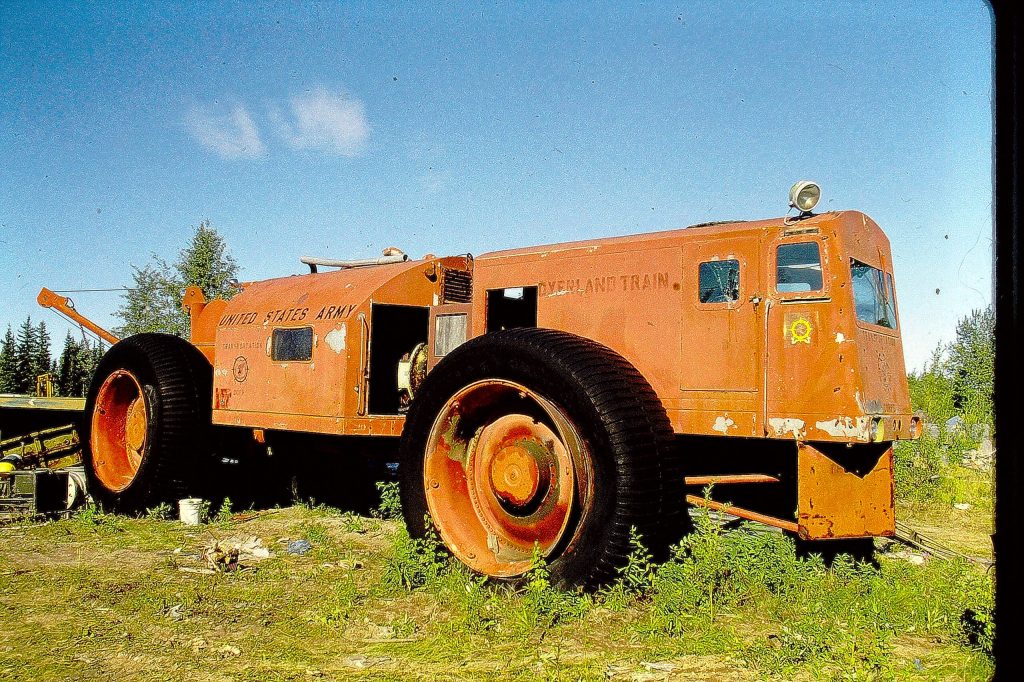
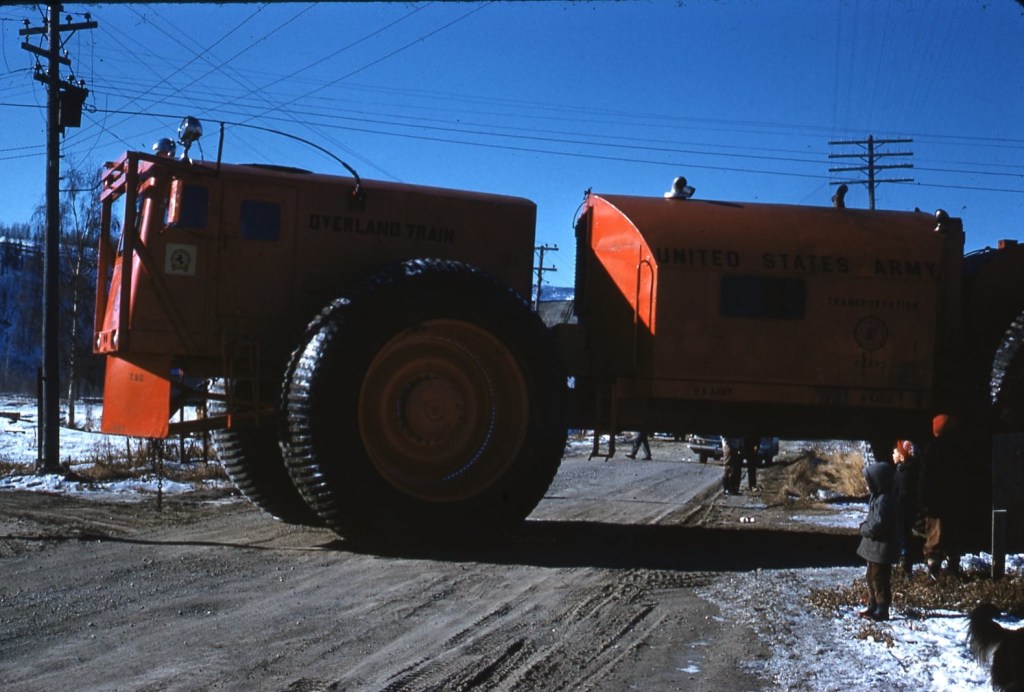
When the Sno-Train was originally designed in 1955 and accepted by the Army in 1956, it did not have a snow-plow, the v-shaped steel component directly under the front window. Shortly after the Sno-Train was in Greenland, the Army decided that it needed a device to keep the snow from building up around the components underneath.
Sno-Train without snow plow in Houghton, Michigan. Image: R.L. Book
The resulting modification was a v-shaped steel plow to push the snow buildup away from the machine. In late 1960, the snow plow was scrapped and rebuilt. The differences in construction between the original and rebuilt snow plow help historians date photographs and further enhance the timeline for the Sno-Train. Most of the ungroomed terrain the Sno-Train traveled was snow or muskeg. In 1960, the Army realized that the snow-plow caused problems in heavy brush areas. During an Army operation in 1960, the snow plow would break trees off at the 3 foot and lower height, causing excessive tire popping hazards. As you could imagine, changing a 2,322 pound tire and rim is not the easiest of operations.
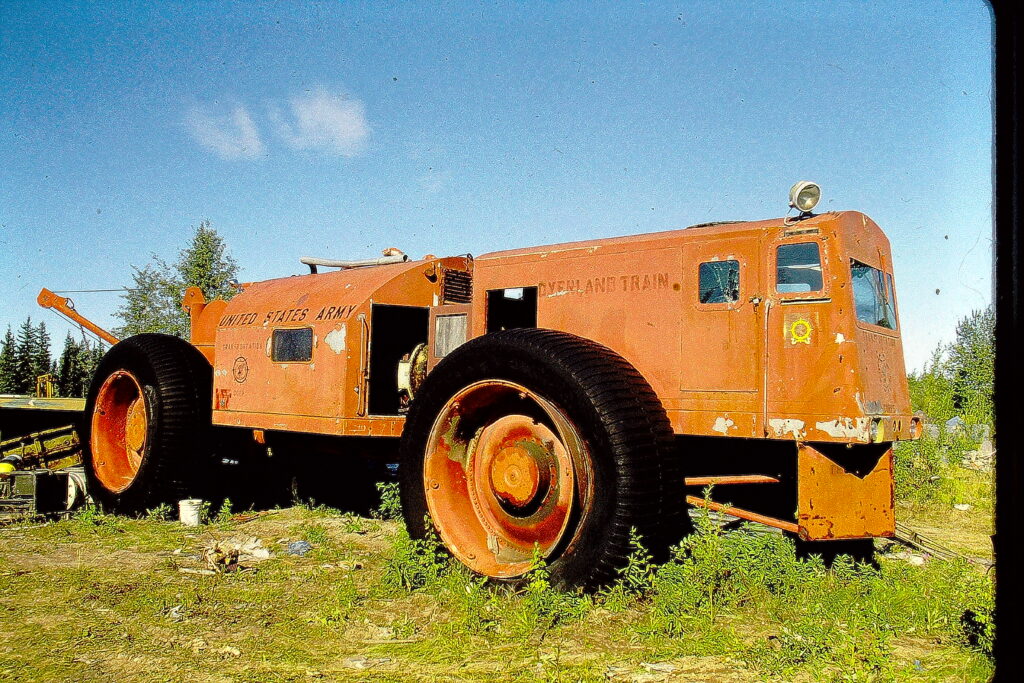
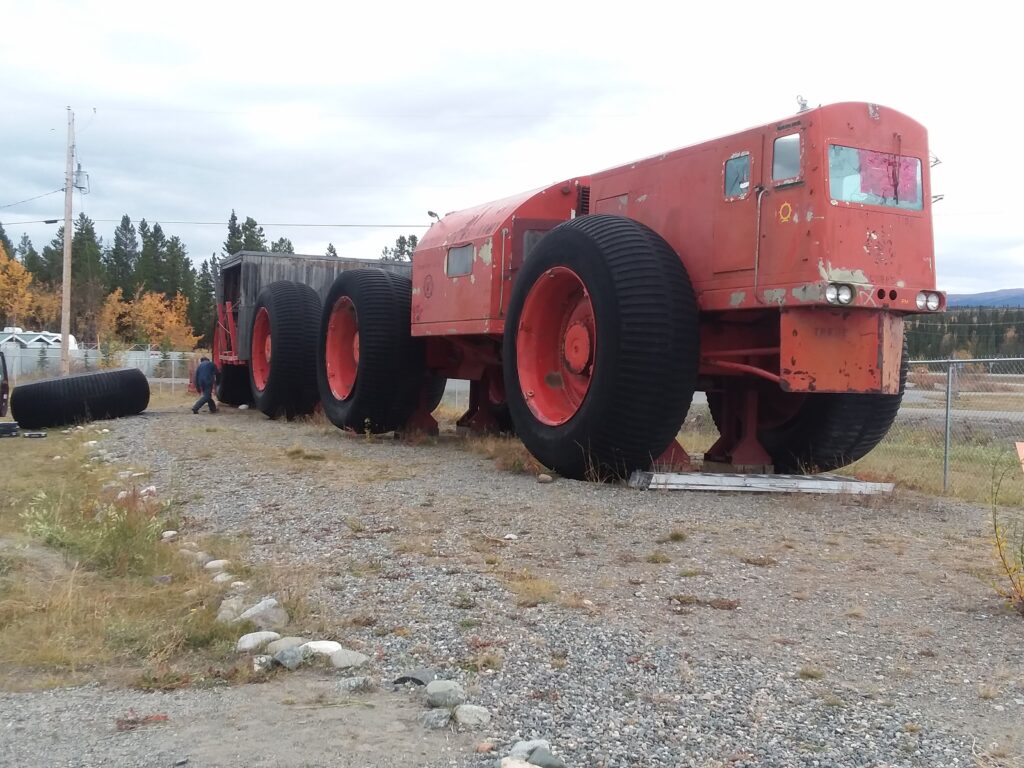
from the Roy McPhail fonds, Dawson City MuseumSno-Train at Carl “Pete” Pederson’s salvage yard. Image: Mike HaskinsSno-Train at the Yukon Transportation Museum. Image: Arnold Haynes.
The Russian humor/satirical magazine “Crocodile” began publishing in 1922. During the United States Greenland build-up, the Soviets were watching us closely. Their Moscow Millie radio propaganda broadcasts knew intimate details about the service members that were at the base. For example, the broadcast would call out service members by name and state the hut number where they bunked. Investigators into information leakage at Thule Air Base never revealed their findings. It was assumed that the more than 8,000 individual contractors that helped build the base were leaking information to the Soviets.
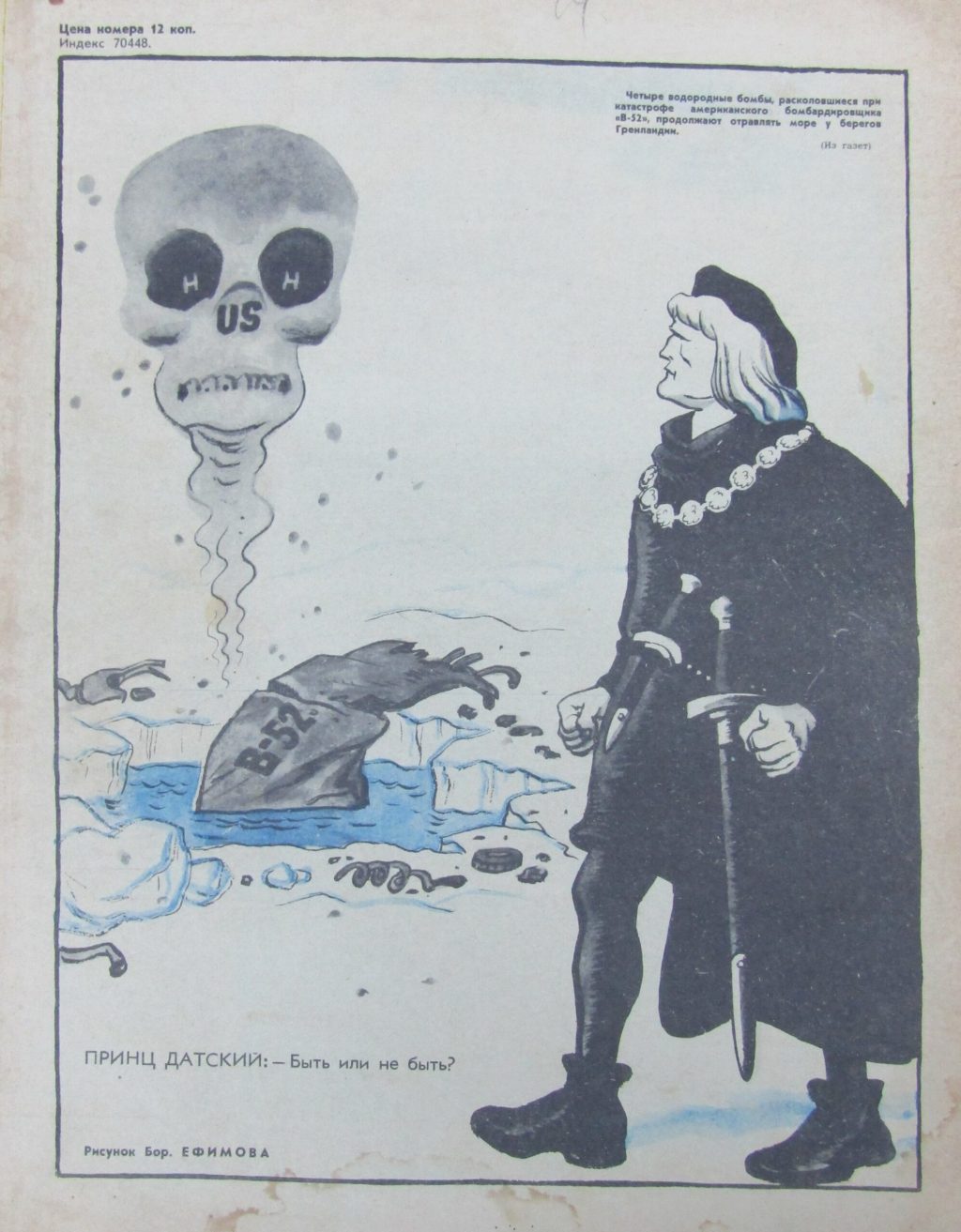
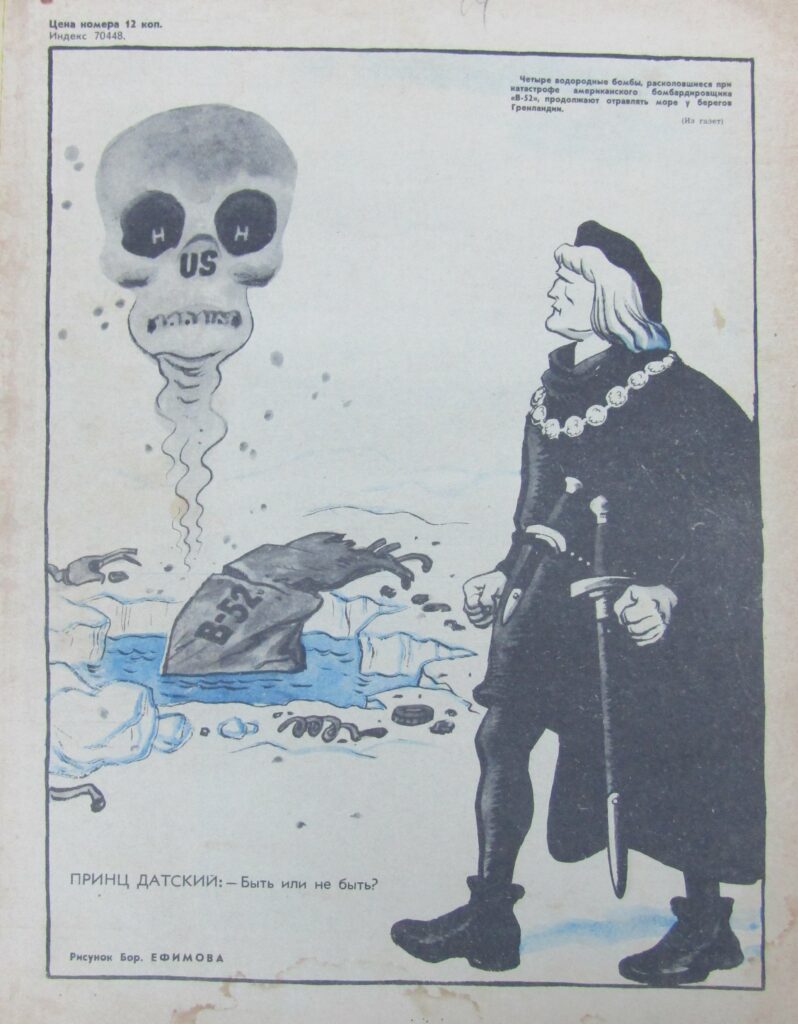
In the magazine below, the Soviet magazine “Crocodile” depicts the January 21, 1968 crash of an American nuclear B-52 bomber. The crash was caused by a a crew member placing seat cushions in a heater vent, which later caused a fire onboard. The smoke became so thick that the pilot lost visibility and it crashed. Unknown to the Dutch, the United States had been conducting flyovers with nuclear bombs. The B-52 bomber crashed on the northwest corner of Greenland – Wolstenholme Fjord. 6 of the 7 crew escaped by parachute before impact and the subsequent fire. The fire broke up the hydrogen bomb’s fissionable nuclear material and leaked radiation into the fjord, contaminating the surrounding waters. Russian translation are in the captions. Thank you for the translation Irina. “Crocodile” ceased publication in 2008.
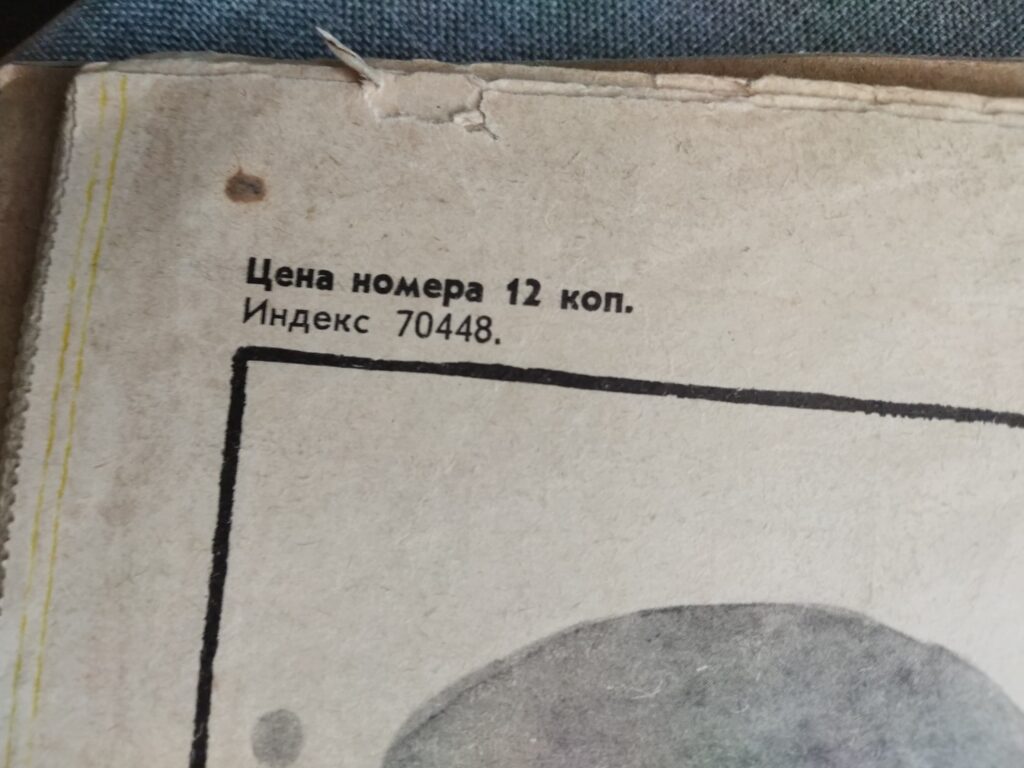
The price of the issue is 12 cents – kopeek are similar to American cents. Index 70448
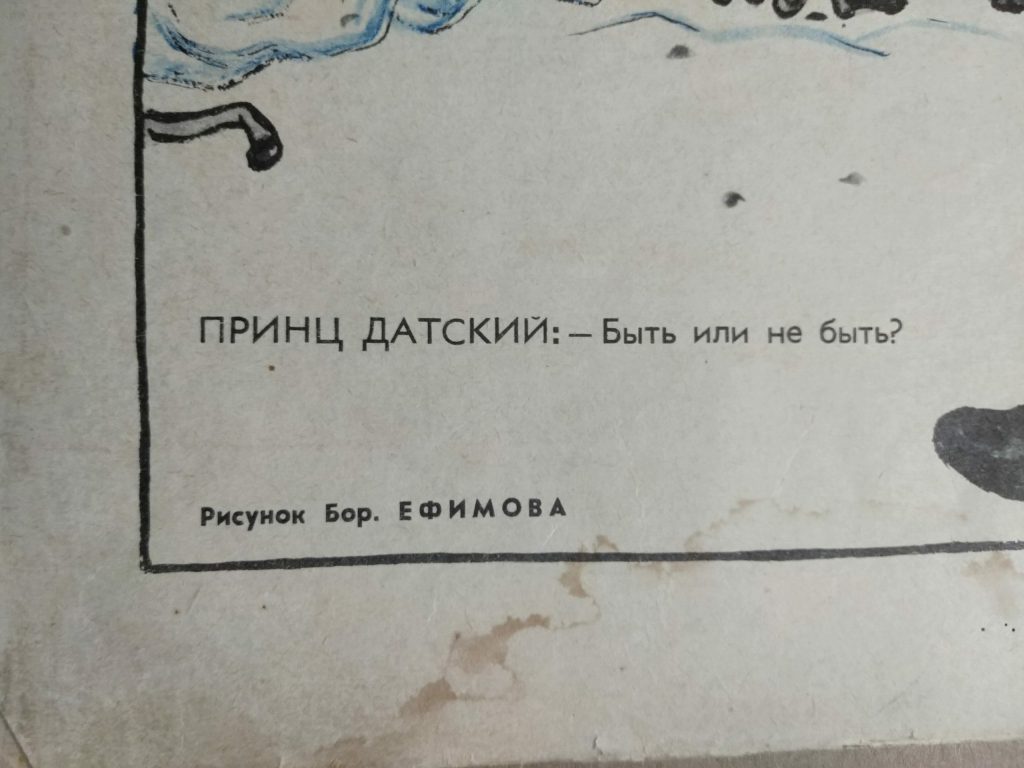
Dutch Prince: “To be or not to be” Drawing by Bor. Efimov
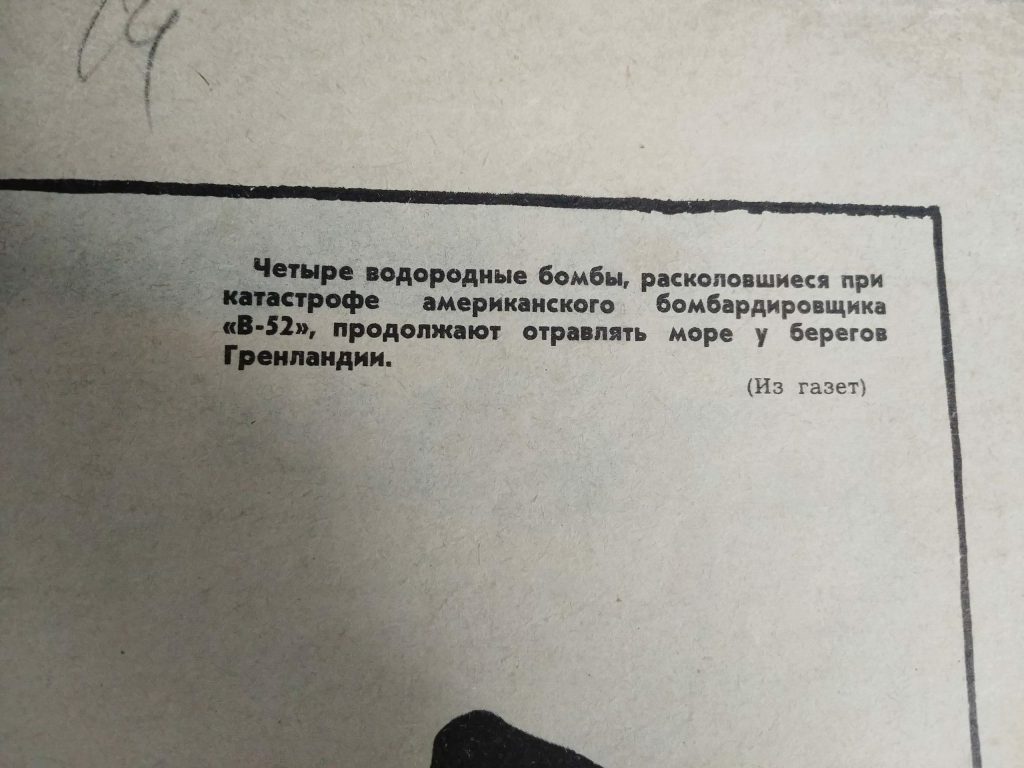
Four hydrogen bombs, that were broken and opened up upon the crash of American “B-52” bomber, continue to poison the see at the coast of Greenland.
Close-up of the three text areas on the magazine back page
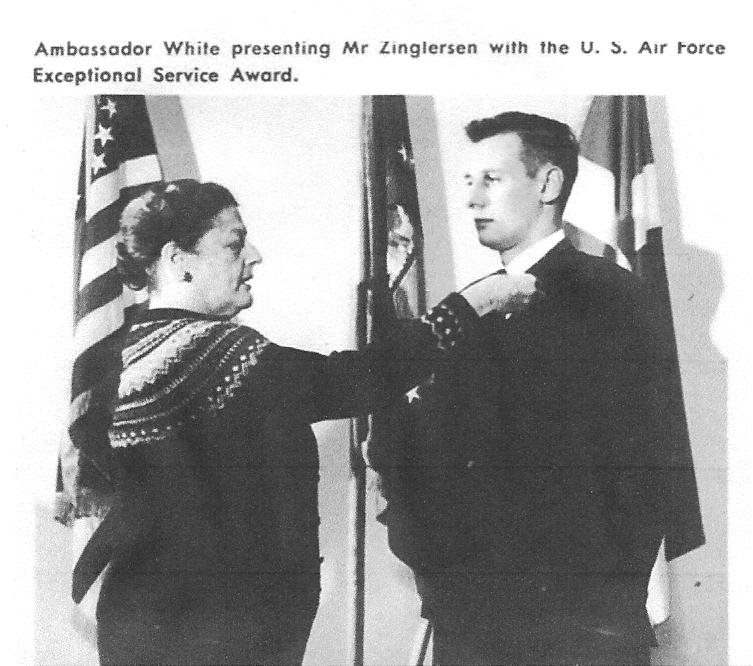
Jens Zinglersen and Jim Calhoun are the only two living members of the United States Air Force EOD SAC team that had the responsibility to find and recover, whatever that was left of the 4 hydrogen bombs. The B-52 crashed with 4-MK28 hydrogen bombs 11 kilometers west of Thule Air Base. The rescue and recovery took 9 months. Jim Calhoun retired as a Chief Master Sergeant after 20 years of service.
Jens Zinglersen receiving the Exceptional Service Award by Ambassador White.
The Prince depicted above is the Soviets depiction of “HAMLET.”
I have been working on the finishing the Sno-Train chapter for the last two weeks. This machine has the most complex history out of all of the 6 Overland Trains. In one of the more detailed sections of my book, I am writing about a vehicle recovery journey where the Sno-Train was used as the primary vehicle. This journey took months of travel time, ingenuity, and drive to complete the mission.
During the months long recovery mission, men were exposed to continuous Arctic cold, rain, mucky conditions, and then more cold. They did not have running water or YouTube videos to help them figure out how-to. They had the knowledge, skills, and ability to fail fast and often, then keep on going to accomplish the mission.
My day job has nothing to do with writing or history. When I find my self in a conversation about history at work, it tends to spark my interest a little more. I was talking to a guy on video chat yesterday about publishing options and why I chose Amazon. He was explaining that Amazon would not publish his friend’s book because it was too gory and too long of a book. The book was titled simply and was about the lifecycle of a pig – it was something like “Pig to Table.” The book describes and shows how to go from a living animal to a meal on your plate in graphic detail. How many people living know the right way to raise, kill, butcher, and prepare a pig full cycle? I don’t. The book successfully raised money on Kickstarter and was published.
The conversation with this man led to his own interests in iron works and our inability to figure things out. How many people know how, or have the ability work with iron? How many of us could can effectively farm to feed ourselves or our family? I have interviewed over a dozen people for my book, with the majority between the ages of 75-98. Their stories demonstrate extreme adaptation abilities, humility, and character. How many of us would be willing to get paid Army wages to go out into the mud for months on end without our home comforts, finish the job, and not complain a single day?
We have forgotten how to endure. We have forgotten how to adapt creatively in less than ideal physical conditions. More importantly, we have forgotten how to be good humans. As David Goggins would say, “Go out and do something that sucks everyday.” Let’s see what happens.
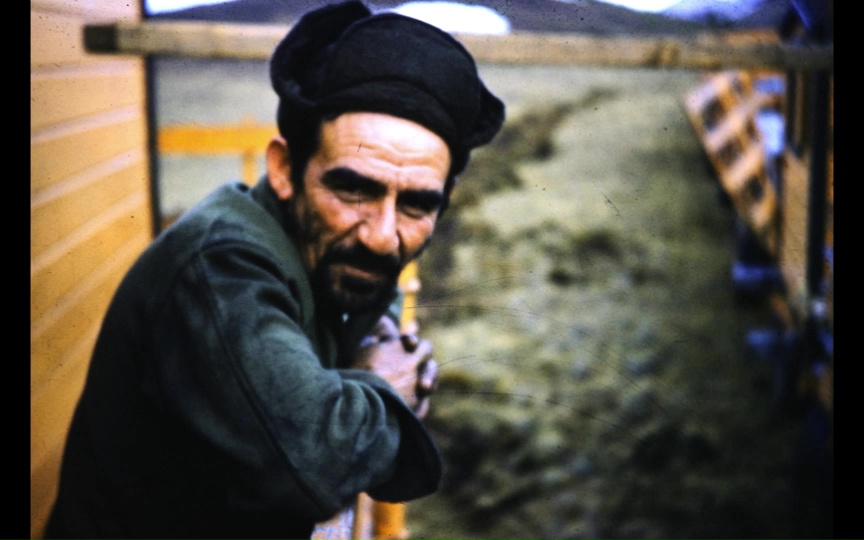
SP5 Alfonso Colon-Rivera 1961. Image: Marty Martinez.
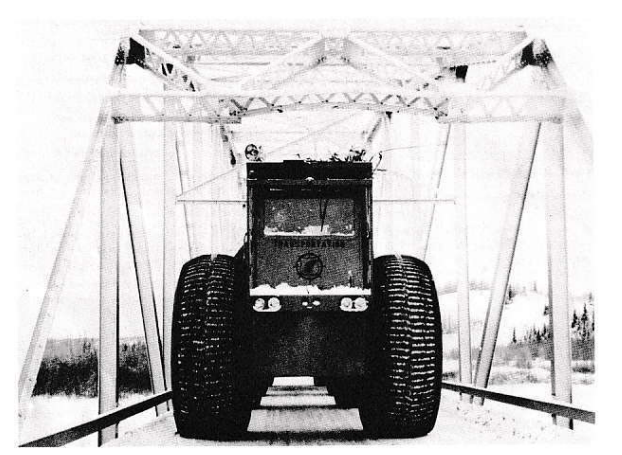
In 1961, the Sno-Train was involved in Environmental Operation Willow Freeze. At the conclusion of the exercise, it departed Gulkana, Alaska for a contract mission east of Dawson. The Sno-Train image below was captured March 31, 1961. The Sno-Train left Galkana at Mile 117 on the Richardson Highway and cross the bridge at Mile 126.5.
Sno-Train crossing the Gulkana River Bridge, Alaska. Image: U.S. Army 1962 Public Domain
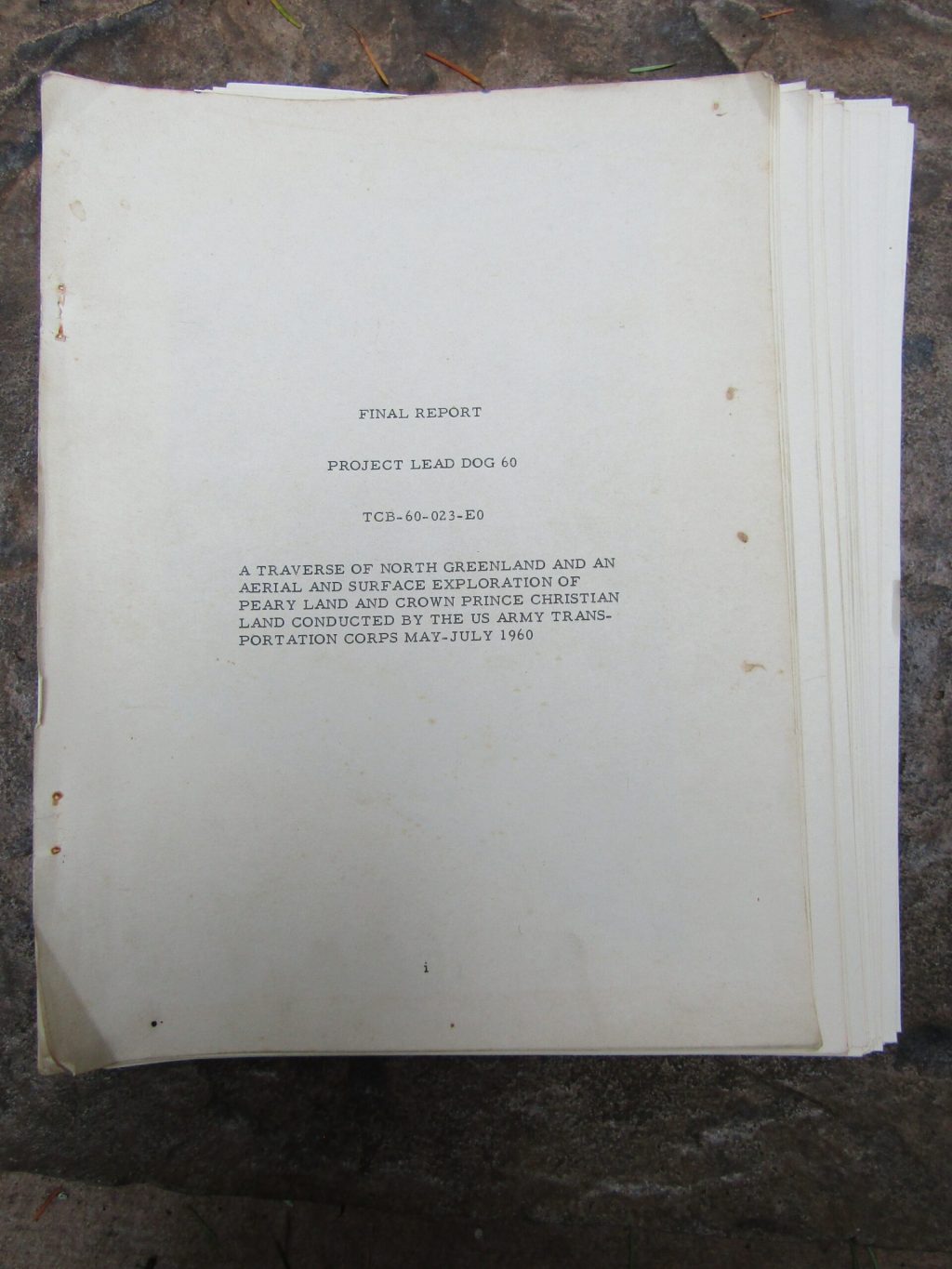
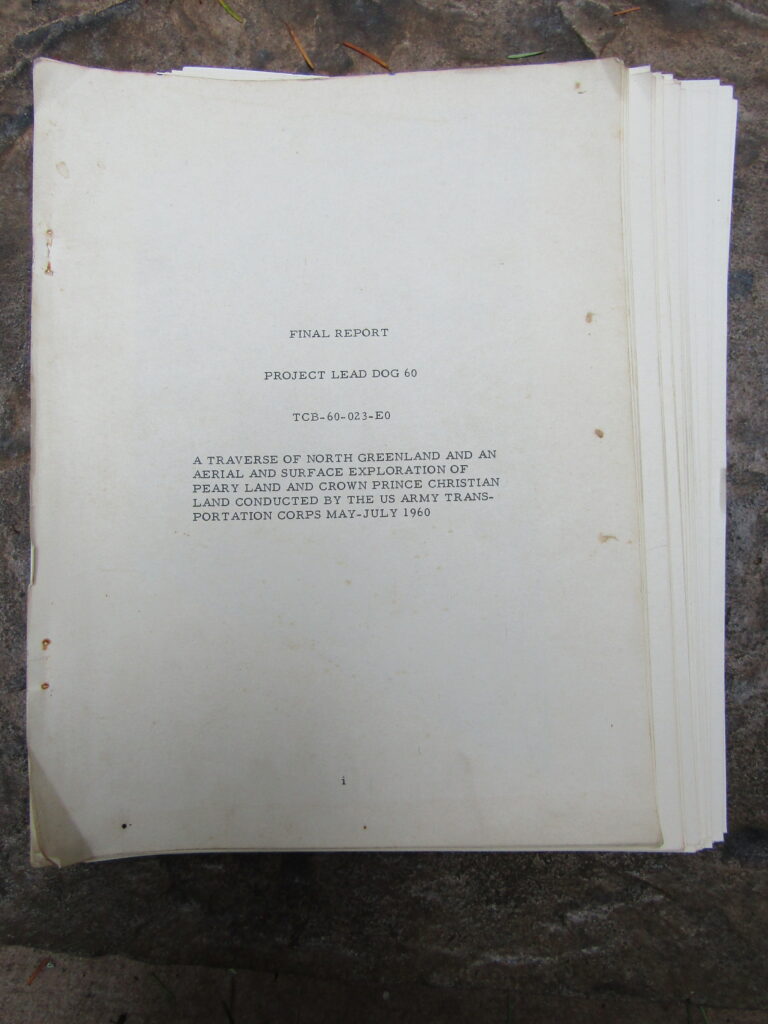
Since 1952, the United States Army has operated annual exercises and scientific studies to expand military and civilian knowledge of the Greenland icecap and other neighboring land areas. Project Lead Dog 60 is a continuation of those studies from 1952 that includes the Department of Defense and 9 other agencies.
During this study, PR&DC at Camp Tuto, Greenland provided cached fuel support for the convoy. They also provided support in the way of spare parts, communication, and two support flights. The convoy, or swing, departed Camp Tuto on May 18, 1960. Scientists conducted geologic, geographic, and archeologic studies. The operation lasted 68 days.
In October 1968, the Sno-Freighter and its trailers were being shipped out of the Yukon. The 5 trailers and Control, or Power Car were transported across the International line to Alaska by a local contractor. The equipment sat at Boundary for several years until it made its way to Miller Salvage in Fairbanks, Alaska. The Sno-Freighter and its trailers would reside in Miller Salvage until purchased by two Fairbanks locals.
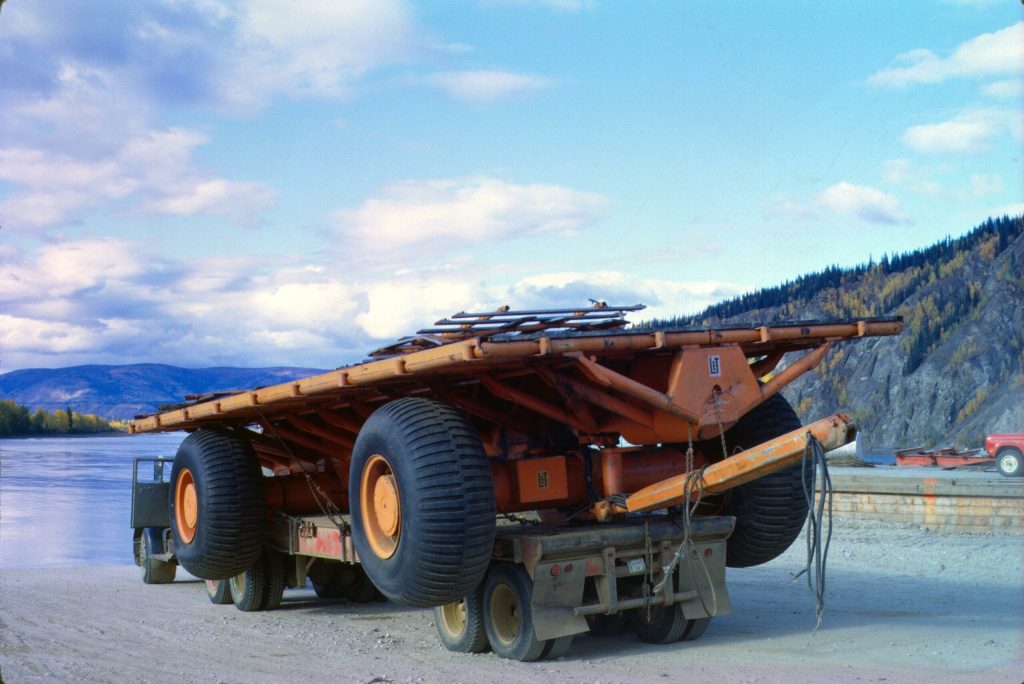
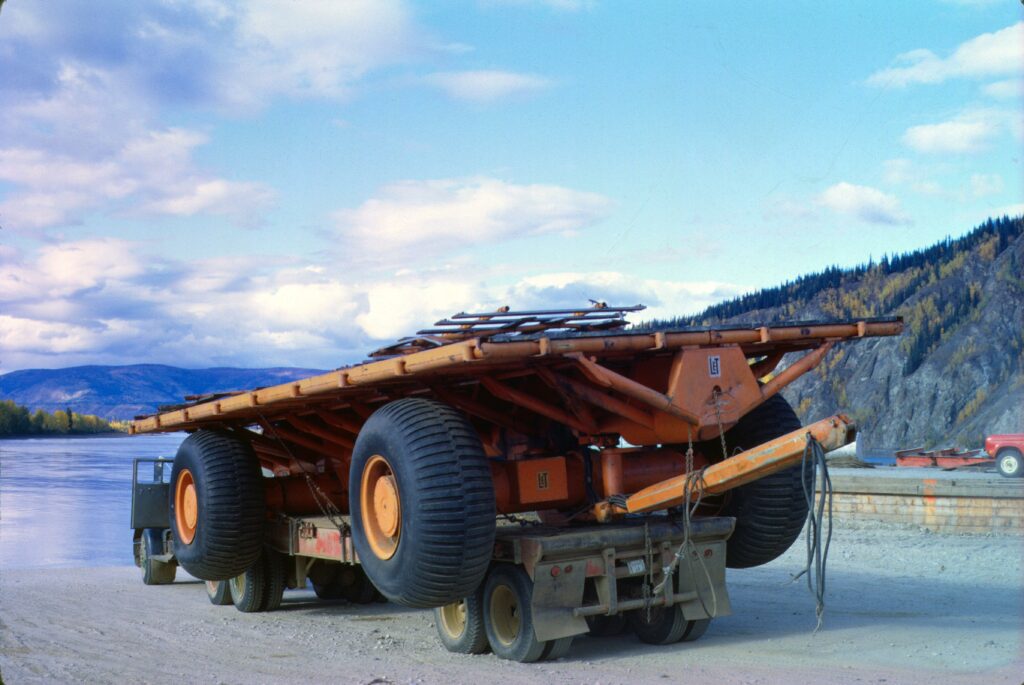
One of the Alaska Freight Lines trailers preparing to cross the river. Image: Millen Collection
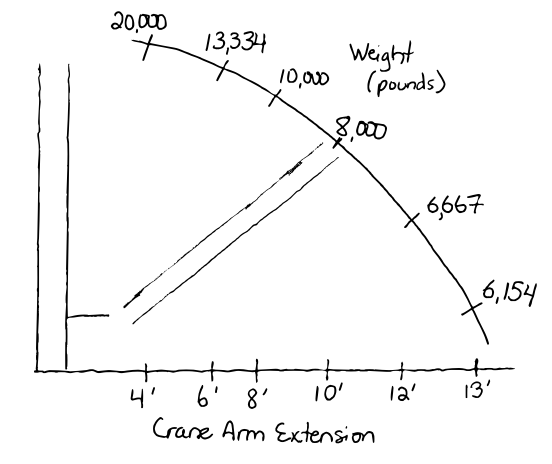
Similar to the LCC-1 Sno-Train, the Overland Mark 2 came with a jib crane. It was designed for moving freight and even changing a tire if needed. The jib crane had a usable capacity of 20 tons. But, the weight capacity changed based on the angle of the crane arm.
Drawing showing Mark 2 crane arm extension angle versus weight capacity
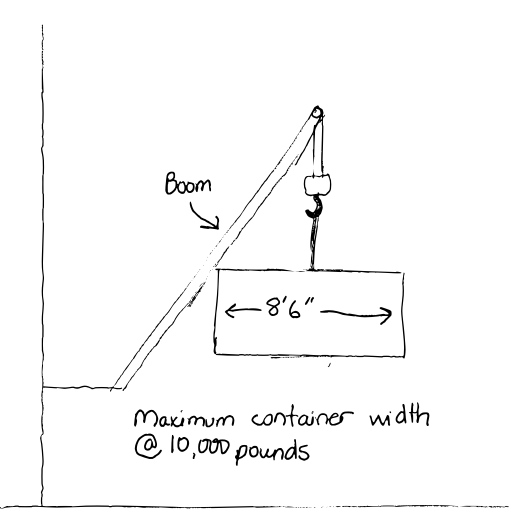
The cargo size limitations also changed depending on the jib crane angle. For example, if your working load was 10,000 pounds, the maximum width crate the Mark 2 could load was 8 feet 6 inches.
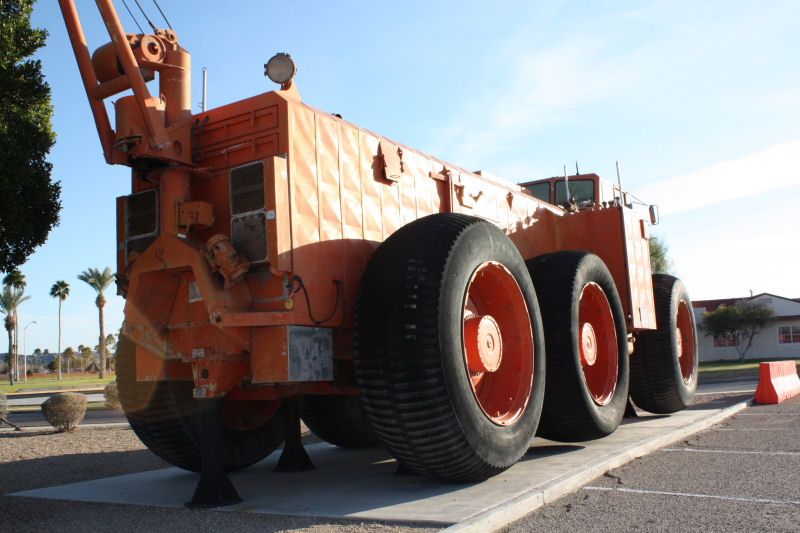
Max container width at 10,000 poundsRear view of Overland Mark 2 at Yuma Heritage Museum, Yuma, AZ. Image: source unknown, for educational purposes only. Contact for attribution.
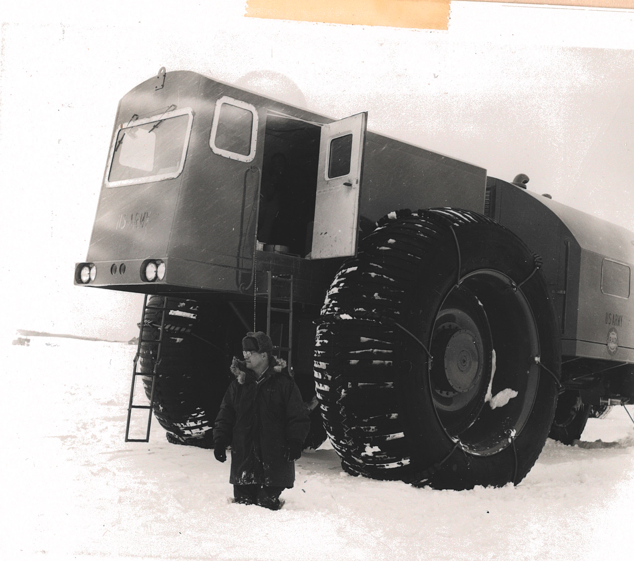
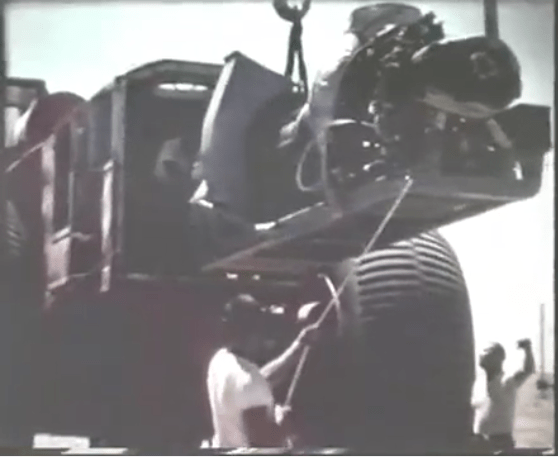
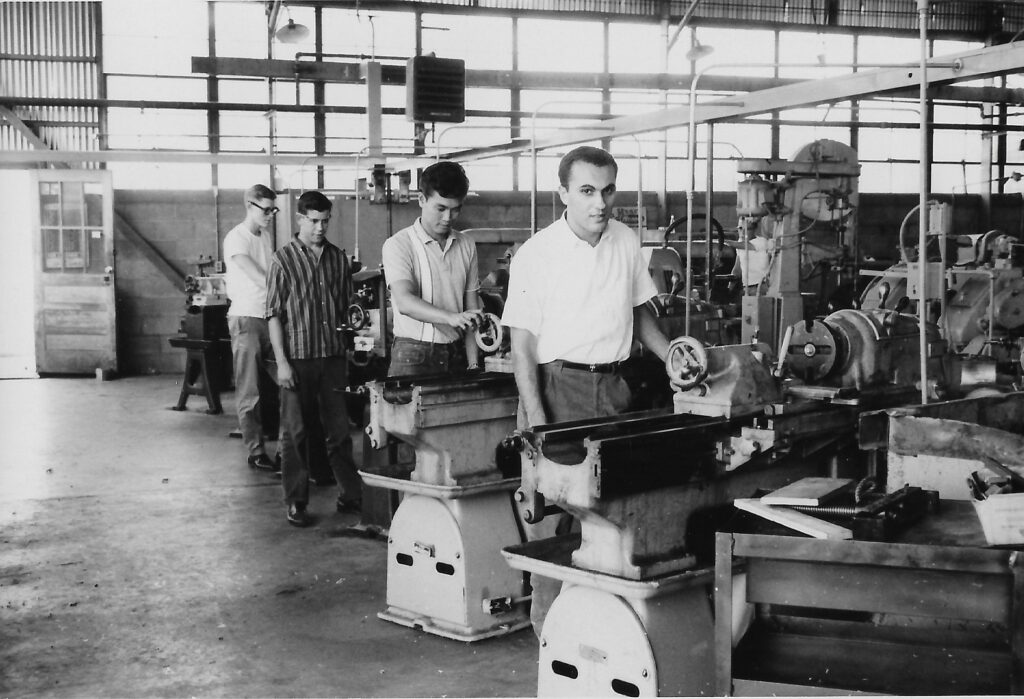
A few days ago, I received an email from a man who said his dad, Vic Vessakosal, had been around the Overland Mark 2. His email goes on to say that his dad went to high school then worked at R.G. LeTourneau, Inc. He also knew H.D. “Red” Reynolds, or “Mr. Reynolds” as his dad imparted upon him. His family has a number of his wildlife nature paintings and had no clue that Red painted for R.G. LeTourneau, Inc. His son Timmy said, “I knew him as a kid in the 1970s but, he was just Mr Reynolds to me.”
Timmy’s dad came from Thailand and attended LeTourneau University, while working at R.G. LeTourneau, Inc. I’ll talk more about Vic Vessakosal and his ties to a Thailand Colonel in my book.
Vic standing in front of the Overland Mark 2. Image courtesy Timmy VessakosalVic Vessakosal, second from front, at the Longview, TX R.G. LeTourneau, Inc. factory. Image courtesy Timmy VessakosalVic Vessakosal at the Longview, TX factory. Image courtesy Timmy Vessakosal.
 Overland Trains