Articles
-
Sno-Train Exterior Components Description
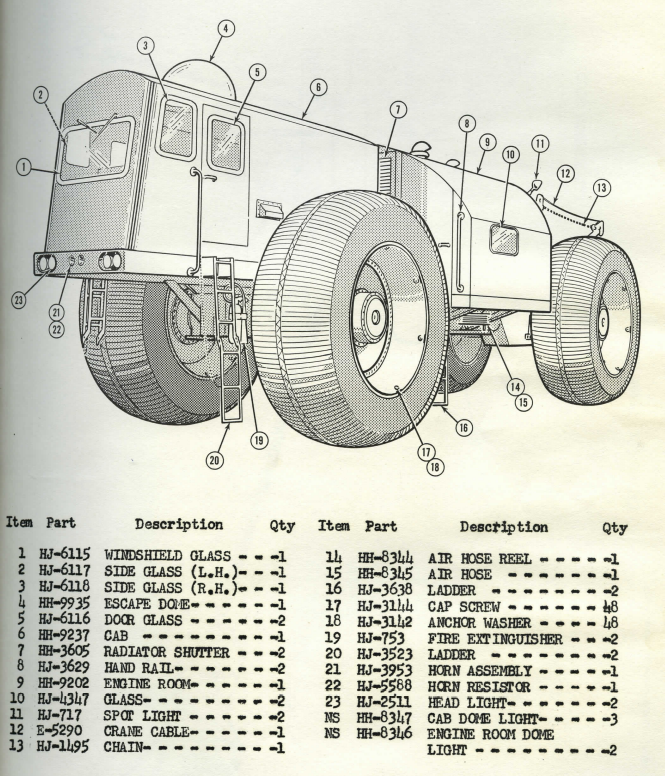
Sno-Train exterior parts identification. Image: Illustrated Parts Catalog for the Army Sno-Train, March 30, 1955 -
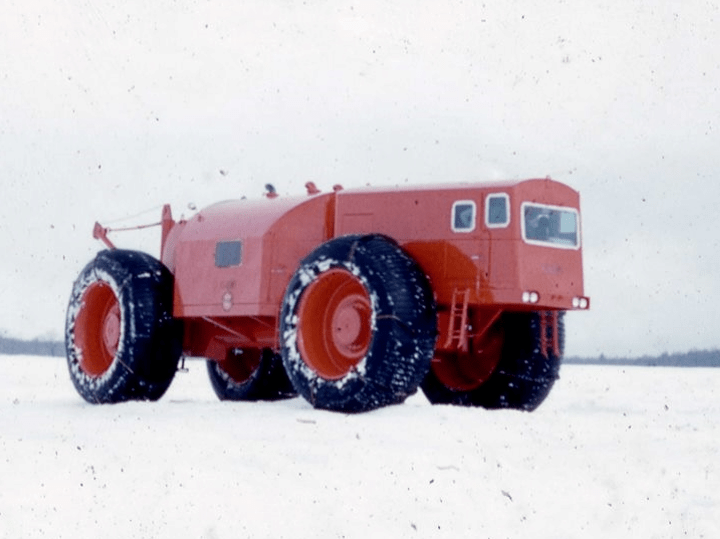
Sno-Train in Houghton, Michigan
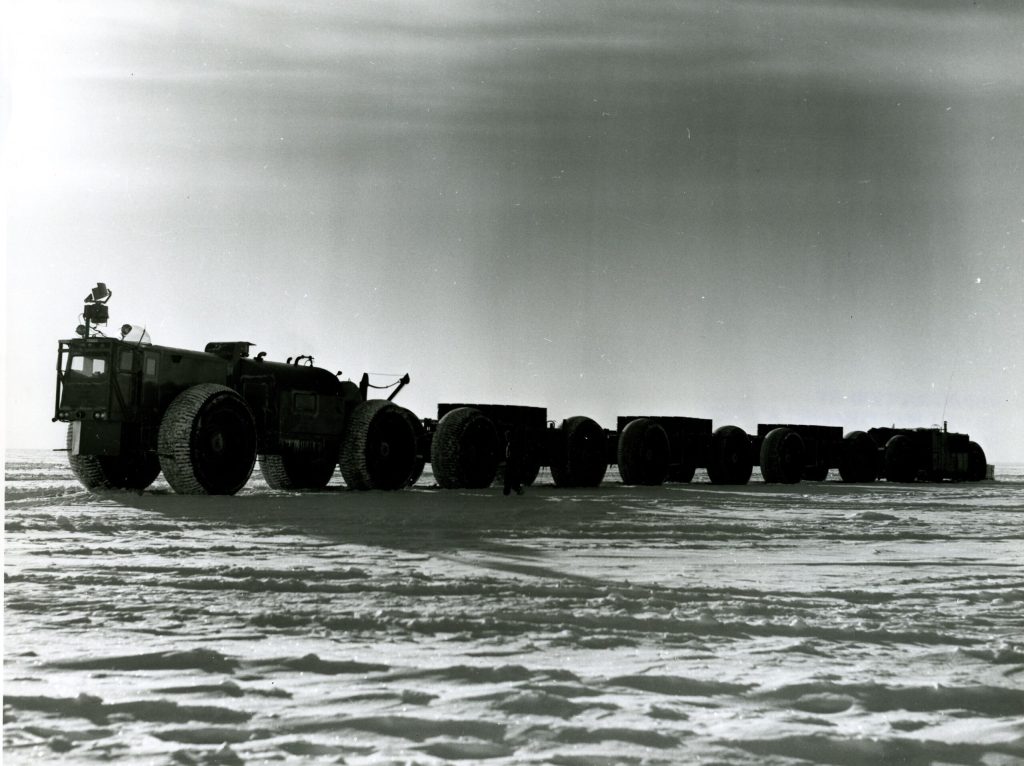
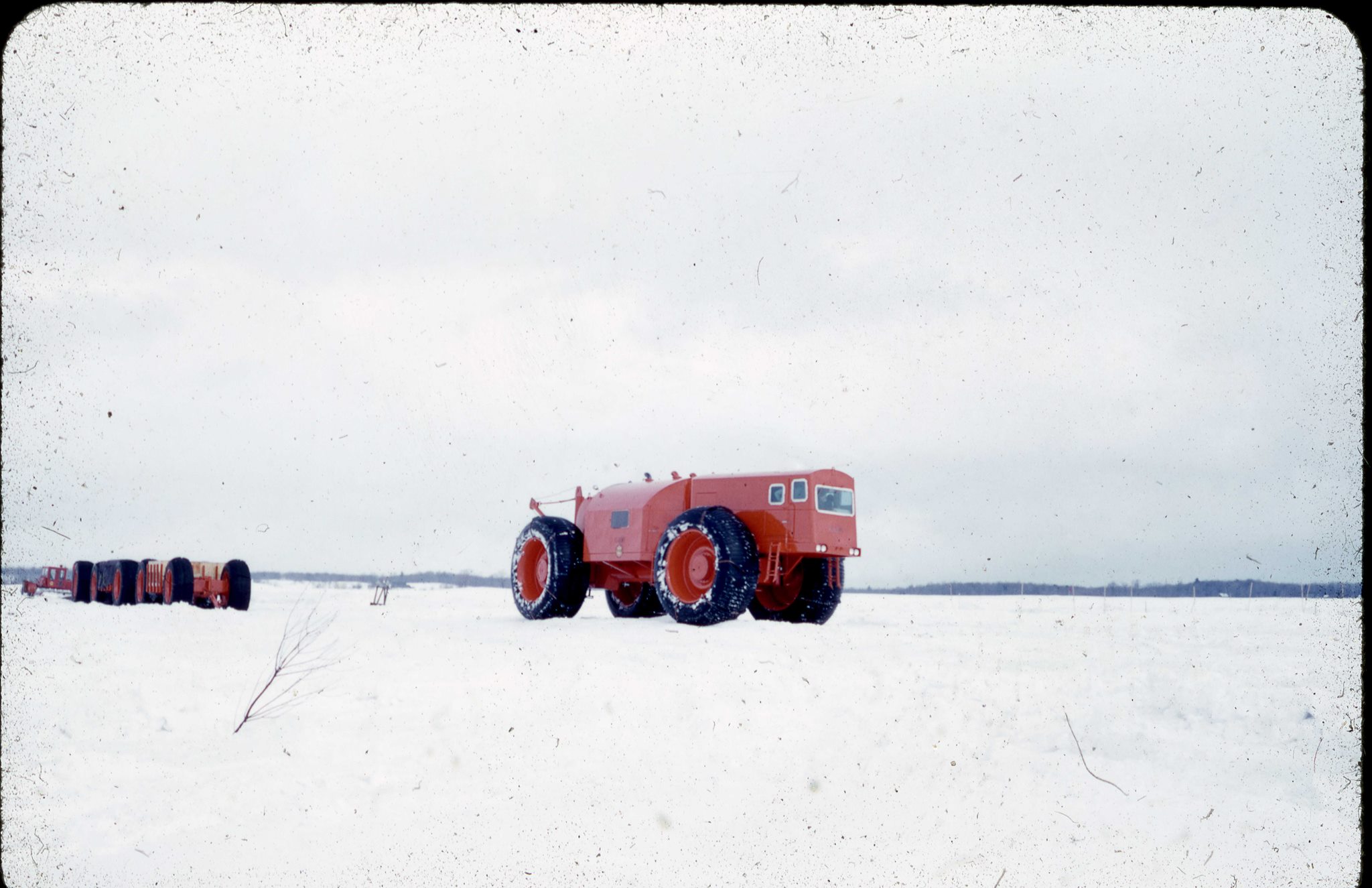
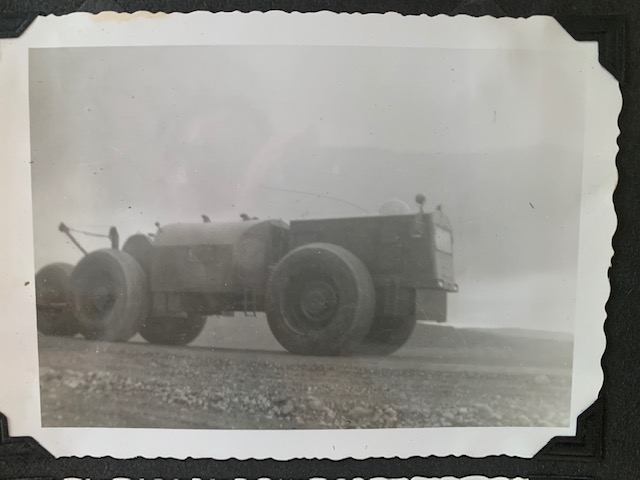
The Sno-Train arrived in Houghton Michigan in the middle of February 1956. It would stay there until early April 1956, where it was tested in a variety of snow and ice conditions. R. G. LeTourneau took the opportunity to visit Michigan in early March to see how his new machine was progressing. During the tests, the Sno-Train tried out the traction lugs for the first time. These were the equivalent of tire chains. There appear to be 6 traction lugs present on each wheel.
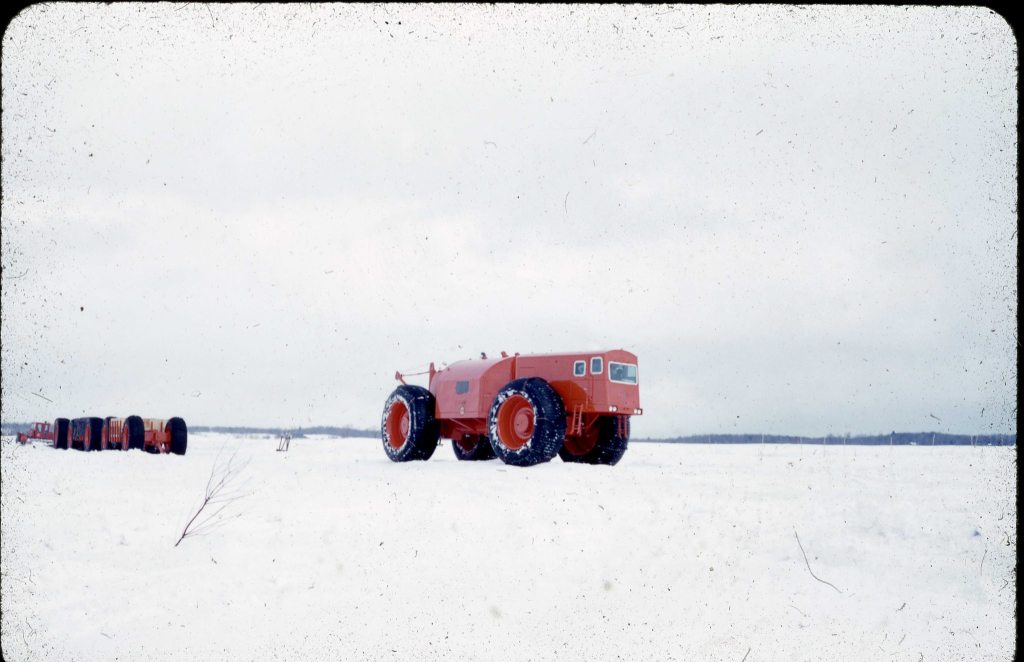
Sno-Train in Houghton, MI. Image: U.S. Army Fair use. 
Zoomed image of Sno-Train in Houghton, MI. Image: U.S. Army Fair Use
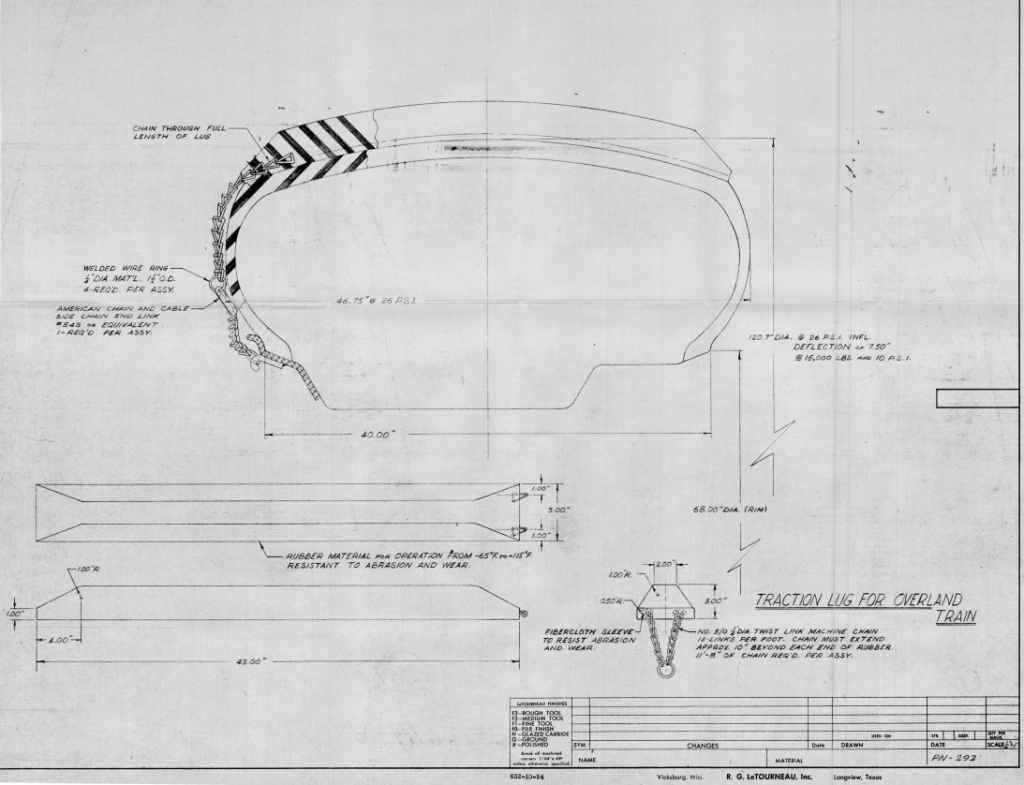
Traction Lug drawing. Image: Phase 4 Overland Train book, U.S. Army Fair Use. -
Overland Mark 2 Electrical Cable Weight
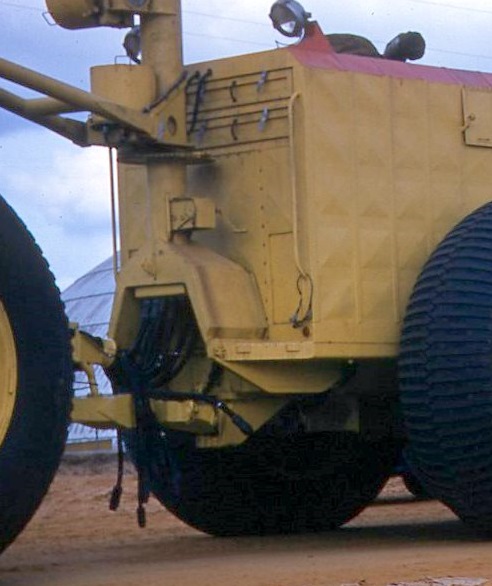
When R. G. LeTourneau, Inc. engineers were calculating the Mark 2’s electrical systems, they had to consider electrical systems and cable weight. The largest insulated copper cable that could be handled by a person was 1.86 inches in diameter, weighing 5.91 pounds per foot. After calculating cable weight and conductors, engineers came up with 4,137 pounds for conductors and 1,044 pounds for cable weight per car – 5,181 pounds. The copper cabling used was designed to handle a 5,730 ampere load.
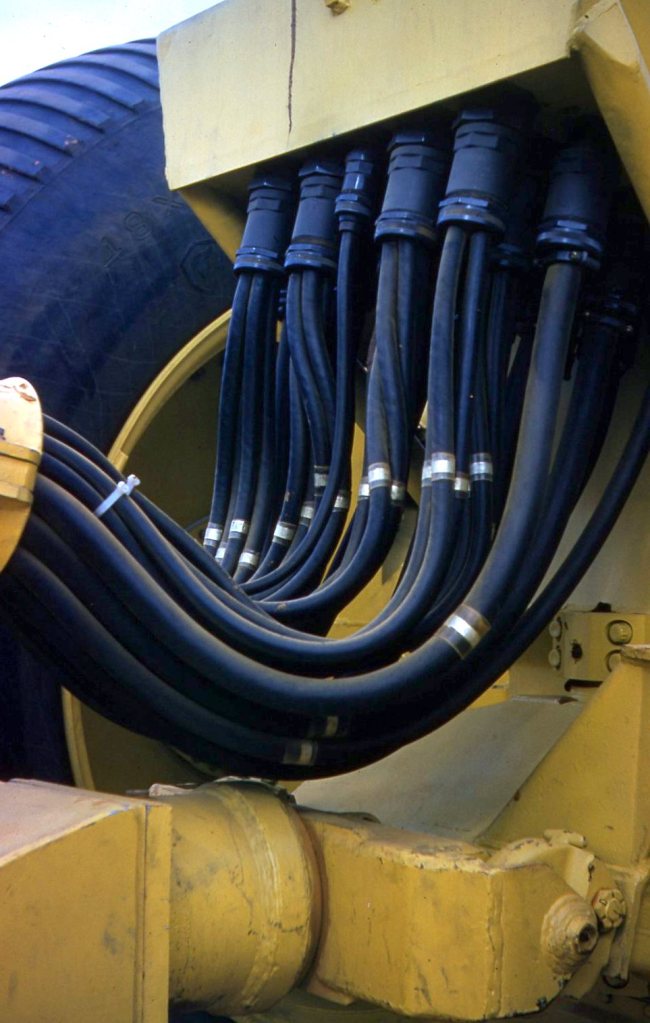
Overland Mark 2 electrical connectors. Image: Lloyd and Larry Smith -
The Overland Train Mark 2 Fuel Capacity
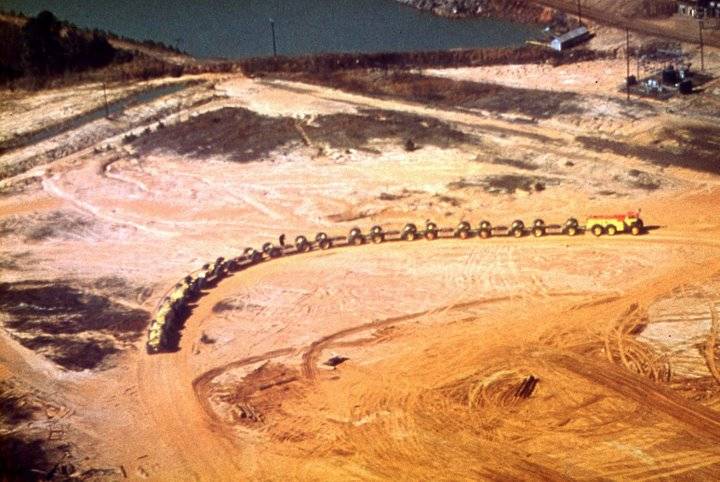
The Overland Train Mark 2 performance standards were proposed in 1958 to R. G. LeTourneau, Inc. Engineers had to work backwards to determine how to best meet the Army’s needs for self support, cargo capacity, and resiliency. In total, the Mark 2 was able to carry 7,794 gallons of fuel. The control car, power generating car number 1 and 2 all had space heaters with 150 gallon tanks, adding on an additional 450 gallons of fuel.
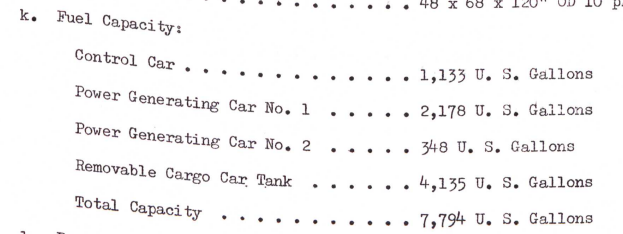
Mark 2 fuel capacity. Image: snippet from Phase 4 Design Report 
Aerial view of the Mark 2 during testing at R. G. LeTourneau, Inc. Image: Lloyd and Larry Smith. -
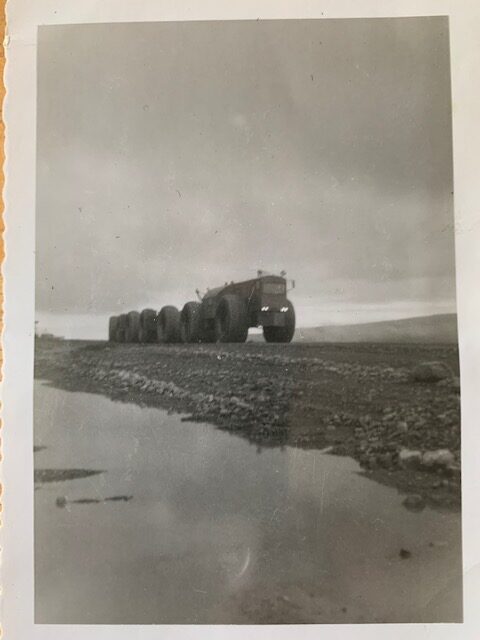
Sno-Train in Greenland 1956
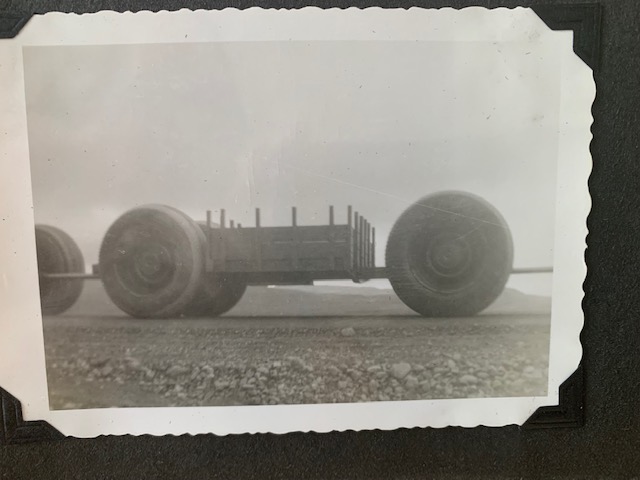
The Sno-Train arrived in Greenland in June 1956. It was being tested in extreme conditions. The Army Transportation Corps was looking at how the Sno-Train performed in the cold Arctic terrain. The Army was also testing how the huge Firestone 120x48x68 tires performed. During the Sno-Train’s time in Greenland, it was also tested with a variety of other trailers and load configurations. The image below were captured between June and December 1956. One year earlier, R. G. LeTourneau visited Greenland to see firsthand how the Sno-Buggy was performing with its dual stacked Firestone tires.
All images courtesy Lloyd Molby -
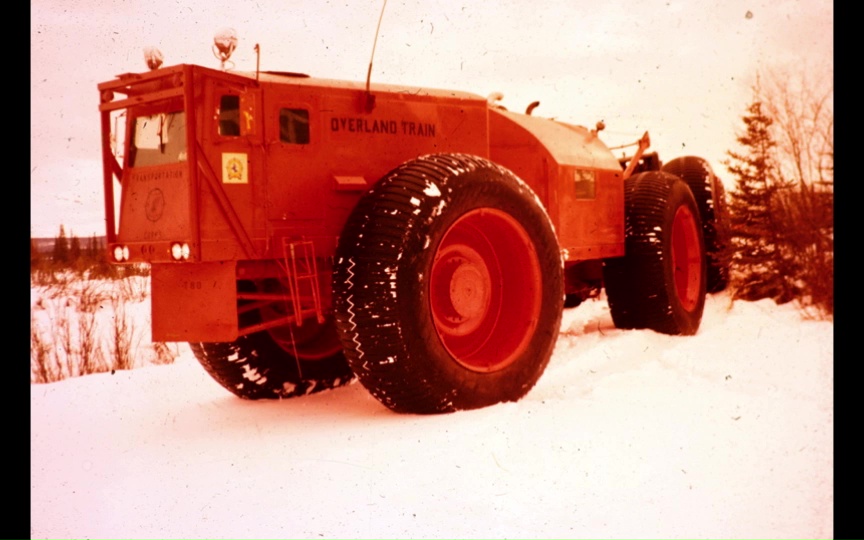
How did the Sno-Train Steer?
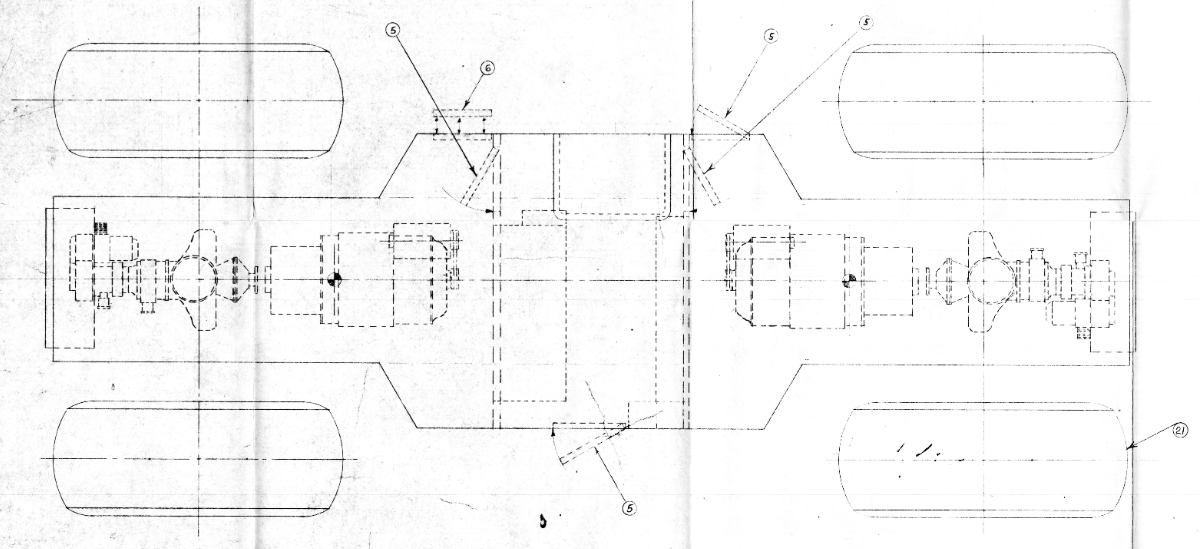
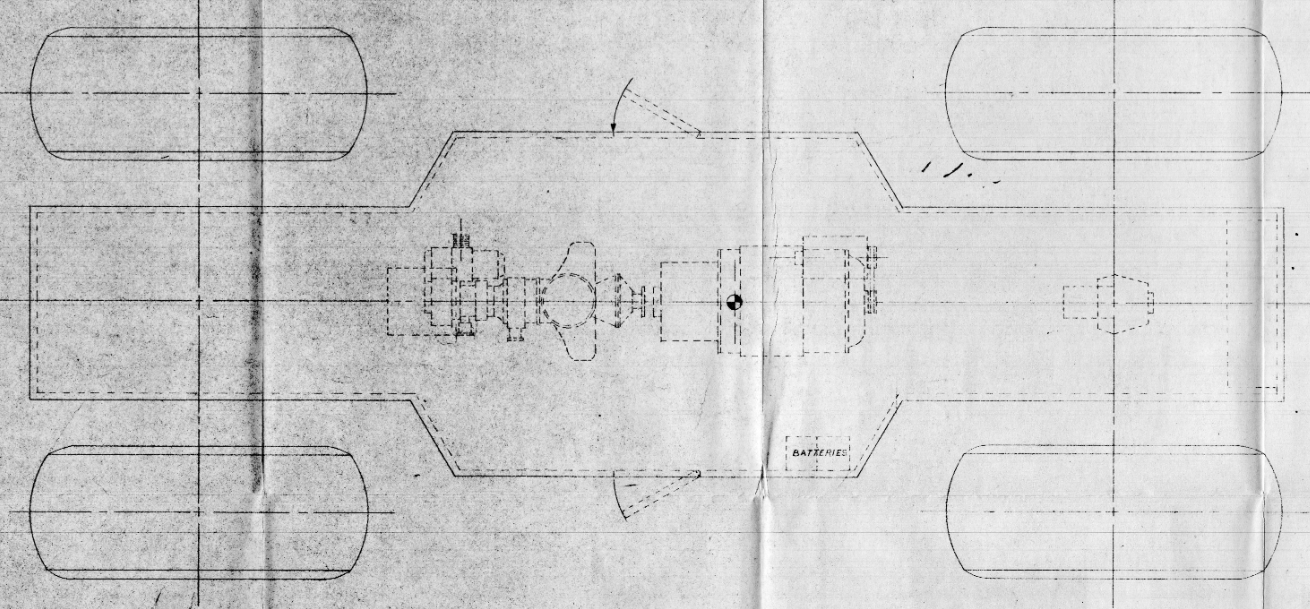
The Sno-Train’s power car and 3 cargo cars have square axles in front. These square axles were responsible for steering the Sno-Train and the cargo cars behind it. However, only the control car had an active role in steering. The Sno-Train used a 120 volt, 3 phase Alternating Current (A/C) electric motor, which connects to a large steering gear, turning the axle. As the control car turned, the cargo cars would follow, or track, right behind it with amazing accuracy.
The rear axles on the control car do not have the ability to steer. However, they can move up and down to ease the cabin and cargo movements over uneven terrain.
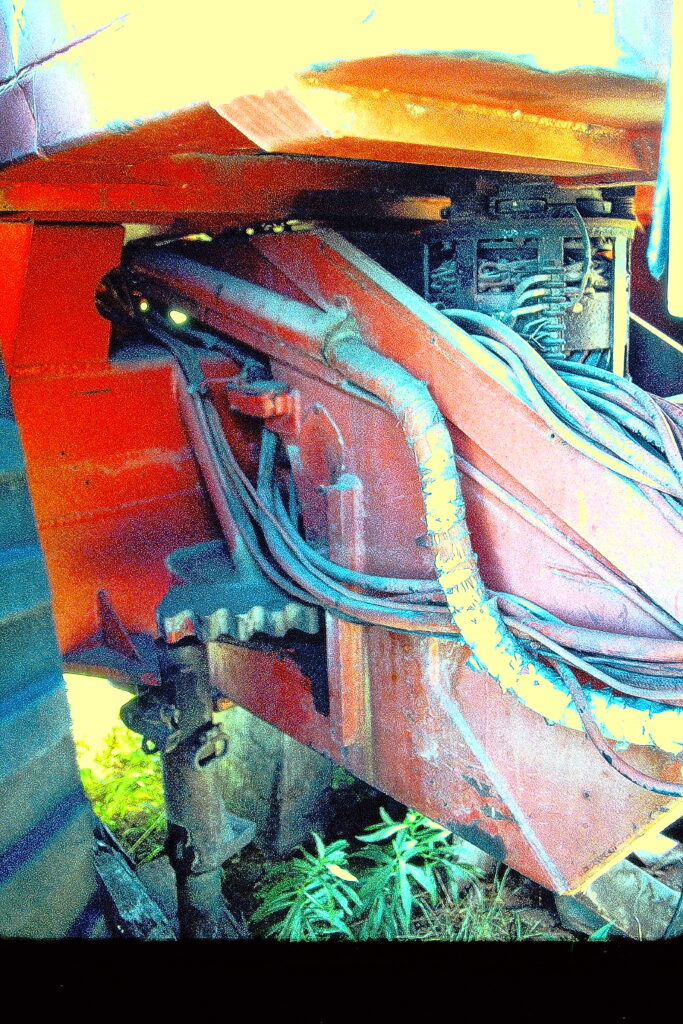
Steering gear shown middle. A/C steering motor shown top right. Image: Mike Haskins. 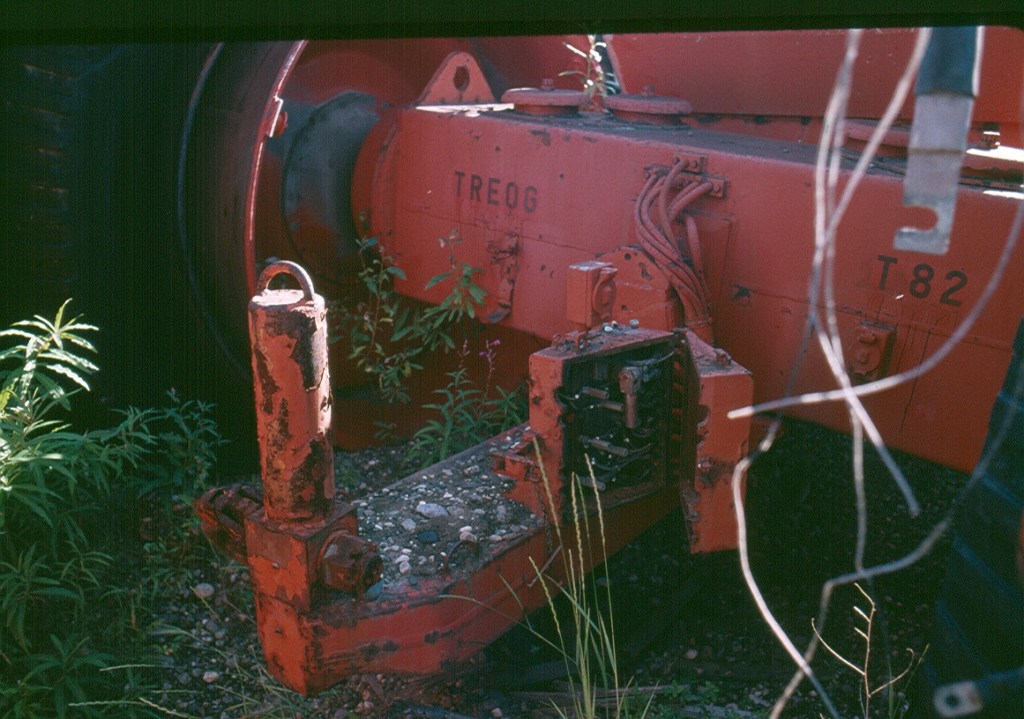
Cargo car square axle. Image: Mike Haskins. 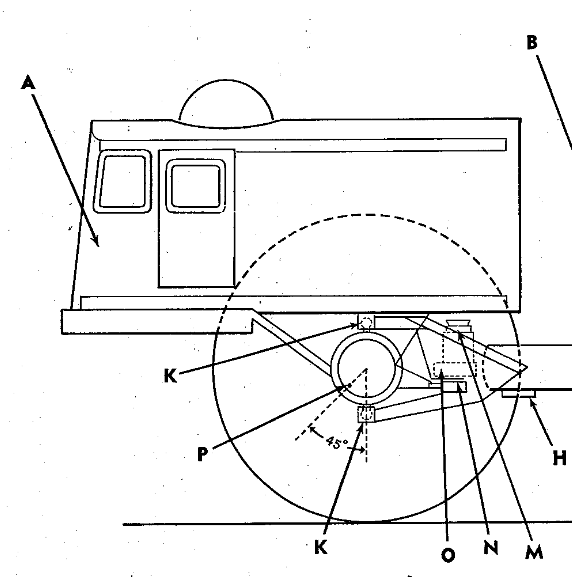
Sno-Train control car schematic. Image: O&M Manual 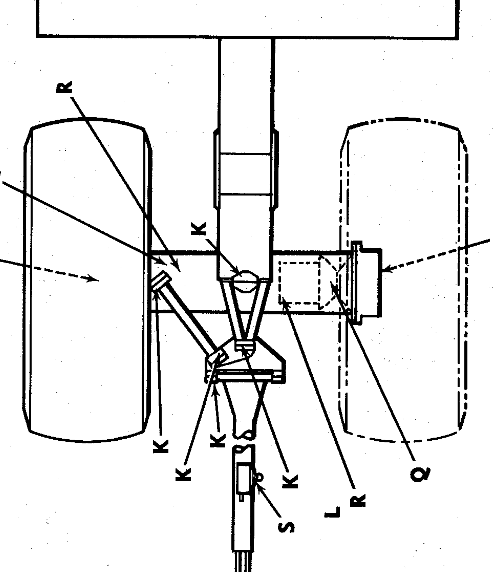
Sno-Train cargo car steering pivot denoted by a “K.” Image: O&M Manual
-
Sno-Train Sold as Surplus
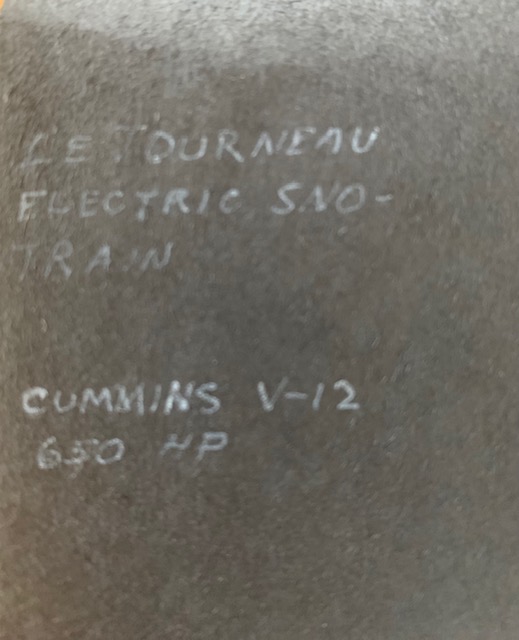
When the United States Army decided to sell the Sno-Train as surplus, it came with a parts inventory valued at $20,000, description, technical capabilities, and images. All of this were listed on the Army form “Sale of Government Property: Item Bid Page.” One of the images that came with the Sno-Train was of the Cummins VT-12 diesel engine, seen below. The Cummins produced 600 horsepower. The engine was coupled with an A/C and D/C generator to power The Electric Drive (wheel motors and drivers (mechanical gears)), interior cab lights, exterior lighting, winch, and job crane. The Sno-Train was sold as surplus from the Fort Wainwright Property Disposal Office. At the time of its sale, it was in working condition.
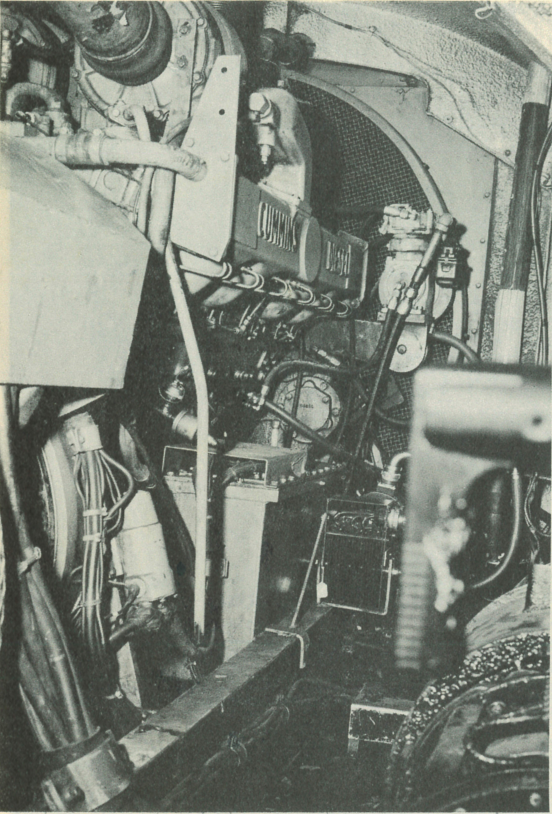
The Sno-Train engine room Image: Greater St. Louis Air & Space Museum 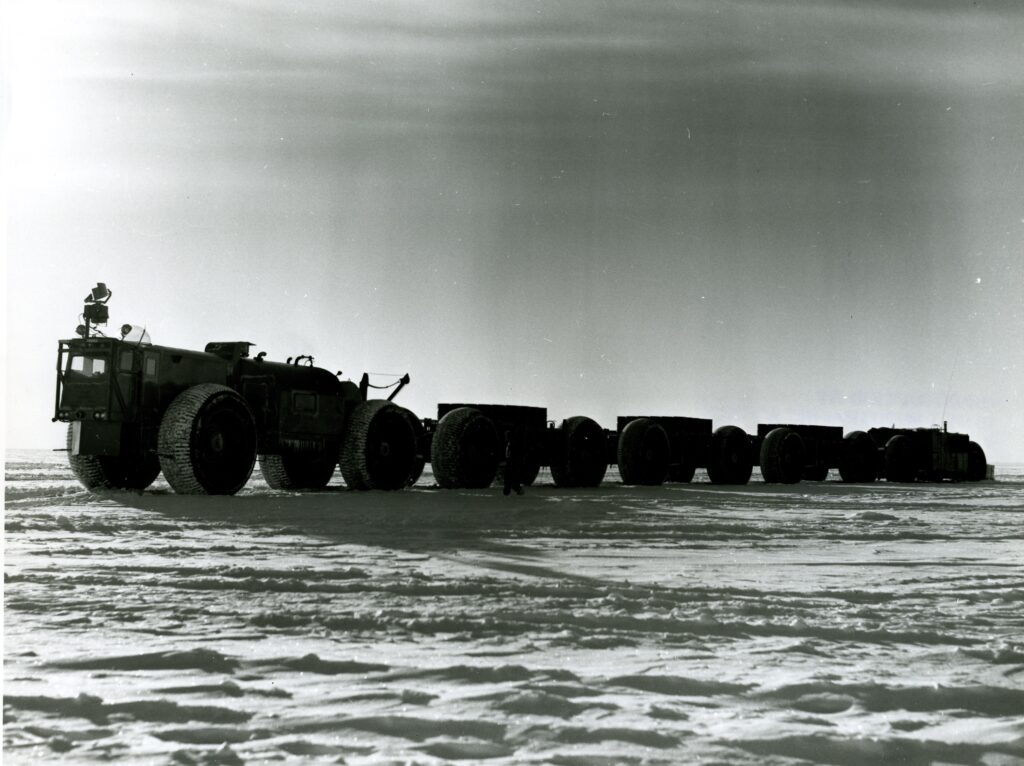
Sno-Train. Image: U.S. Army, Fair Use. -
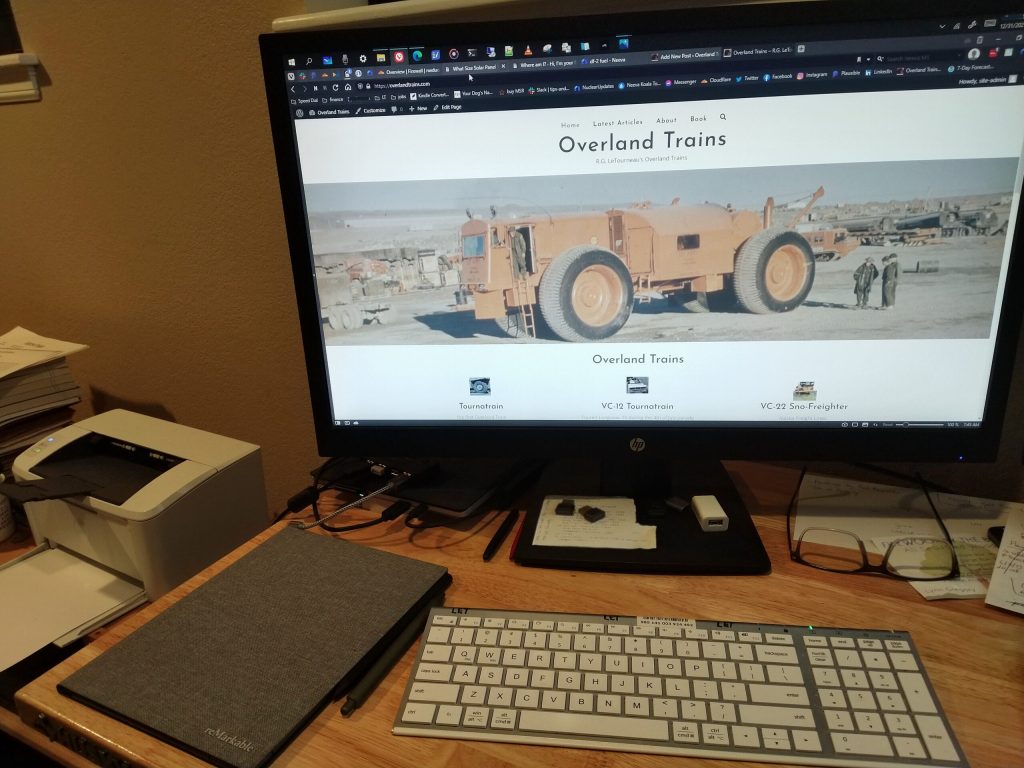
What Technical Resources do I Need to Research and Publish a Book and Companion Website
When I started researching the Overland Trains book, I thought that I had a pretty good idea of how to accomplish the technical aspects. I have worked in information technology for the past 12 years, working in Linux, networks, and information security. One of the most important aspects of any projects is data. Data is the lifeblood of everything that we do. I realized that I did not want to store my files on any system where privacy would not be paramount. I decided to spin up another virtual server and install a clean version of Nextcloud. Nextcloud is a free and open-source software that provides calendar, contacts, data storage and sync, and a whole other host of services.
My Ubuntu tattoo Gadgets
I use a Microsoft Surface to house my data and work (pictured underneath my monitor on the left). A large external monitor gives me the screen real estate to open a document side-by-side to my writing document. When I save the document or add files to my Nextcloud Sync, they are automatically saved on my server. As added protection against data loss, I backup all of my files, now a little over 30GB, to a USB3.0 thumb drive. Some of the other electronic gadgets that I use during my writing are a reMarkable 2 (for taking notes during interviews and editing documents), USB drives for data backup, printer, scanner (critical), and a digital camera.
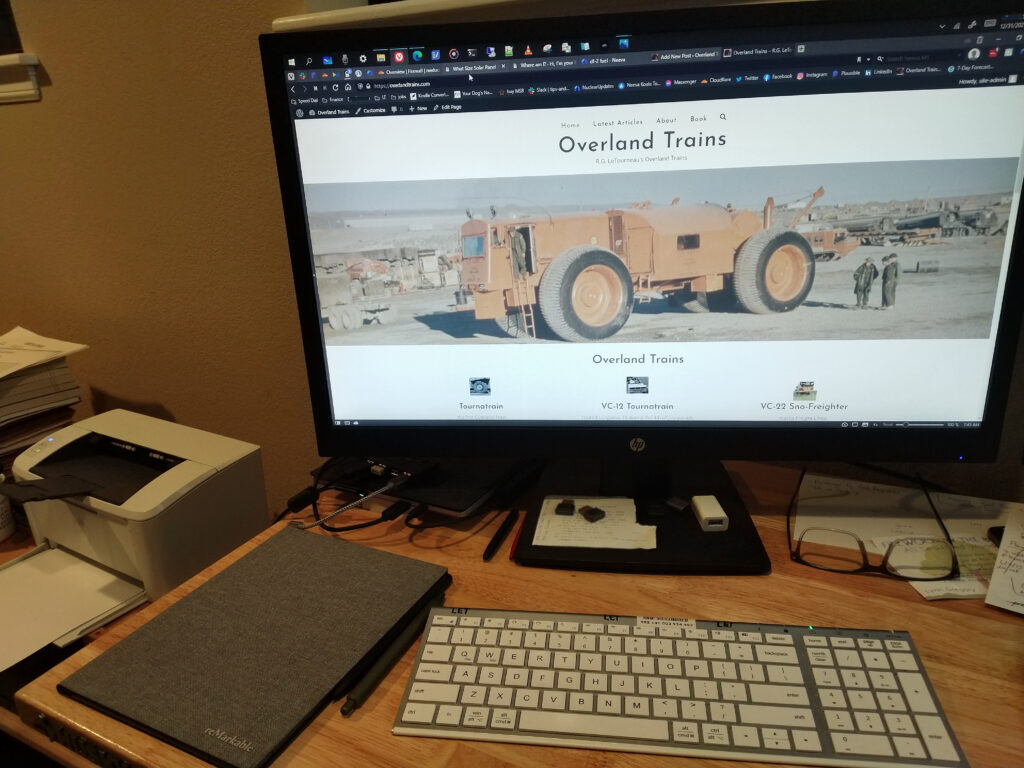
My writing desk Servers and Services
The Overland Trains website, which you are reading from right now, is a hosted virtual server with WordPress. I use 2-factor authentication for everything, including service providers that I use. I protect my Nextcloud server and this website with a paid instance of Cloudflare. This service processes DNS queries for my sites and protects them from all of the attempted cyber attacks or hacks. First and foremost, I keep things simple. You could easily go crazy and spend a fortune with this or that. Based on the project scale, this is my easy. Your easy may vary.
What does it Cost?
As I have put in another post, the virtual servers hosting data storage and this website cost me a little over $60 a month. Cloudflare cost me $20 a month. I also spend $100-$200 a month of promoting website articles on Facebook. I traveled to Texas for a week for interviews and research, which cost around $2,000. I also purchased Hancom Office, instead of using Microsoft Office or Libre Office. I bought a Surface just to write this book, which was around $800. Lastly, the printer and scanner for this project cost around $400 for both. I also pay for Plausible website analytics, which tells me articles that are more popular, my audience, and overall traffic. If you are writing a non-fiction book, costs may be significantly less. However, this is a deep, deep, deep dive into history. I consider this a research project, which requires the level of certainty and resiliency needed in the paragraphs above.
-
Overland Mark 2 SOLAR Turbines Layout
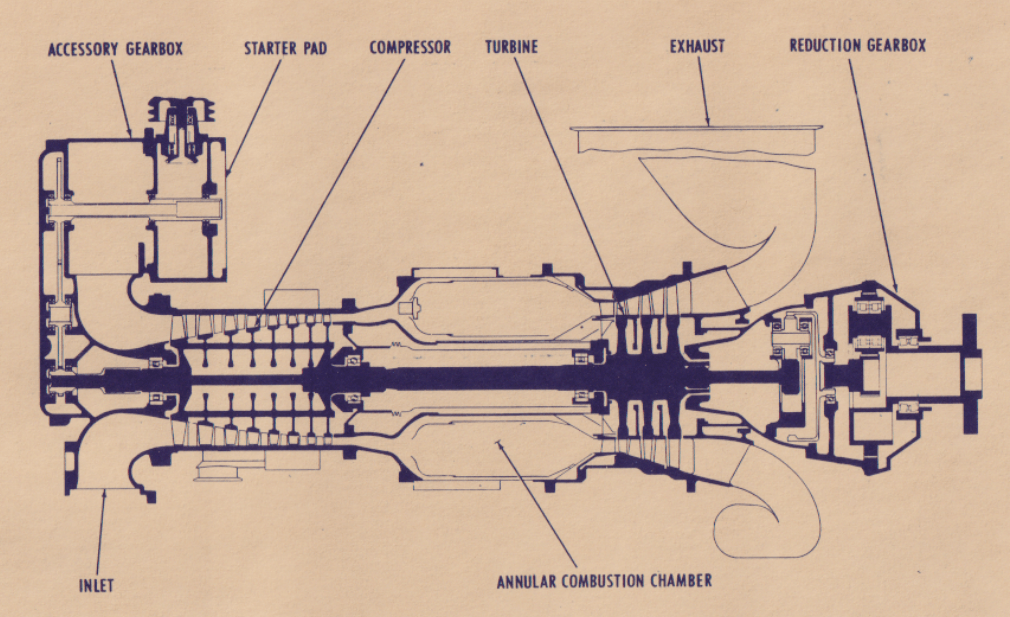
The Overland Mark 2 SOLAR 10MC gas turbines were an off the shelf product at the time of their use in 1961. R. G. LeTourneau, Inc. mated the turbines directly to inline A/C and D/C generators. The Mark 2 had 4 SOLAR turbines. One was located in the control car, which is where the driver and crew occupied. The second to the last car contains one turbine, while the last car contains two. The turbine intake was designed to be filtered, especially in desert terrain. The intake is located to the rear of the train, while the engine room air is circulated using a blower fan. The turbine intake was never taken from the engine room.
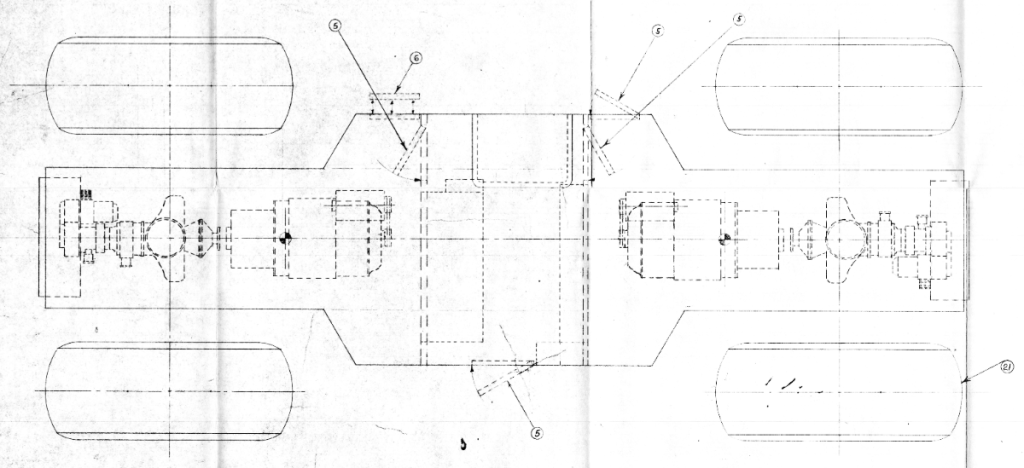
Mark 2 double turbine layout. Image: Phase 2 Book 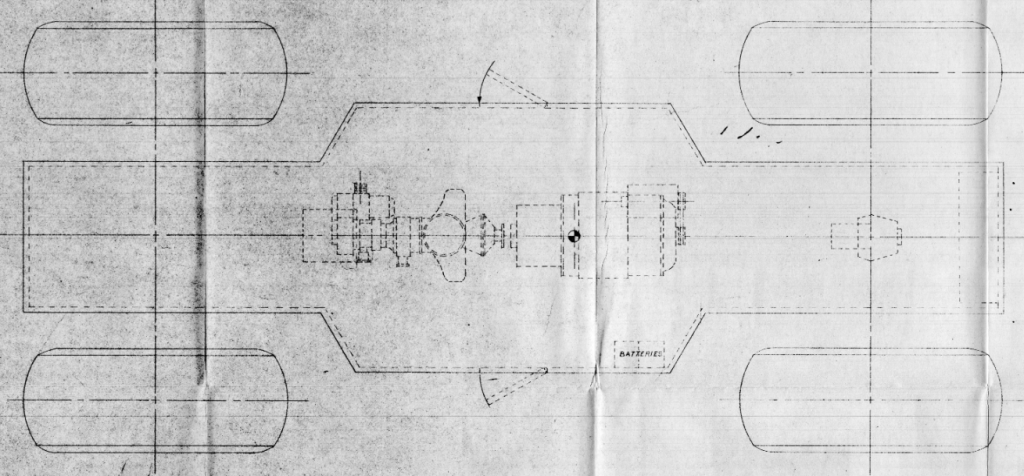
Mark 2 single turbine layout. Image: Phase 2 Book
SOLAR 10MC gas turbine diagram. Image: Phase 1 book Turbine exhaust exits the turbine out a large circular exhaust pipe on top of the car bodies. The image below shows the Mark 2 control car starting up for the first time at Yuma Proving Ground, Yuma, AZ.
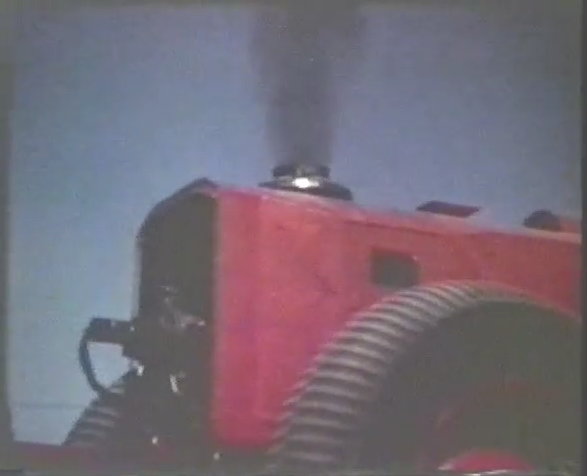
Overland Train Mark 2 exhaust. Image: U.S. Army, fair use. 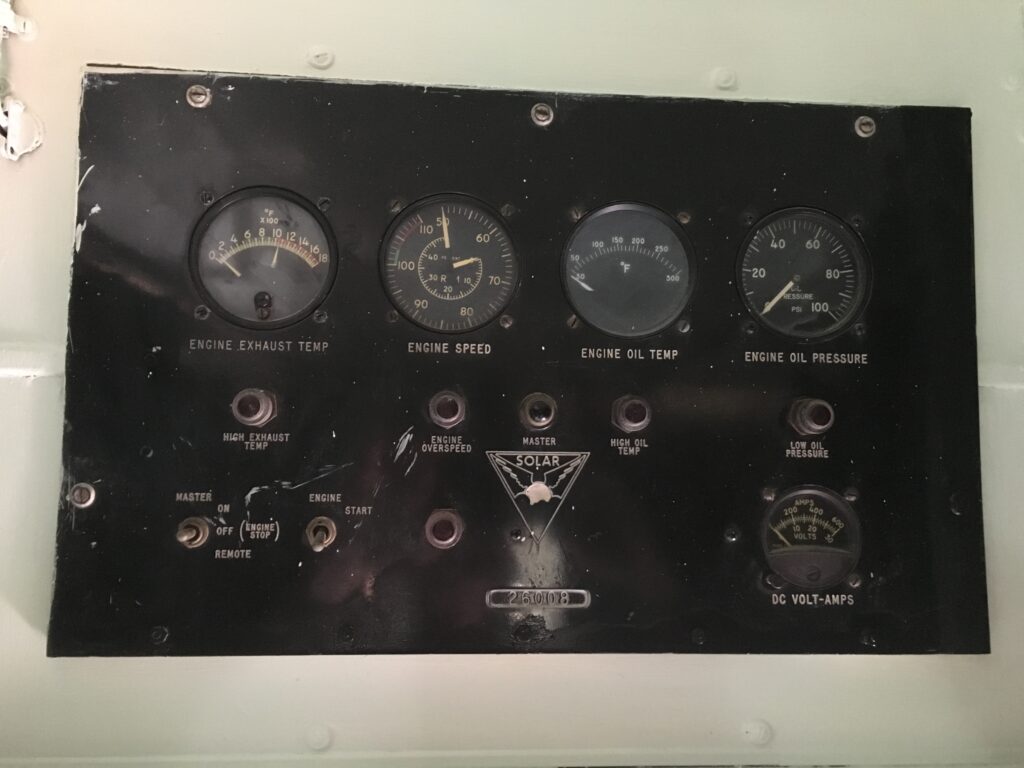
SOLAR 10MC instrumentation on the Mark 2. Image courtesy of Mark H. Sandercock, US Army, RET. -
The Overland Mark 2 SOLAR Gas Turbine Fuel Use
A few weeks ago, I published an image of a SOLAR 10MC (Model Saturn T-1020S-4) gas turbine being installed within the Mark 2. The large circular tube on the top of the Mark 2 power generation cars and control car are exhaust ports – one port per turbine. Fuel use ranged anywhere from 30-65 gallons per minute while operating off road and 18-28 gallons per minute while on road.
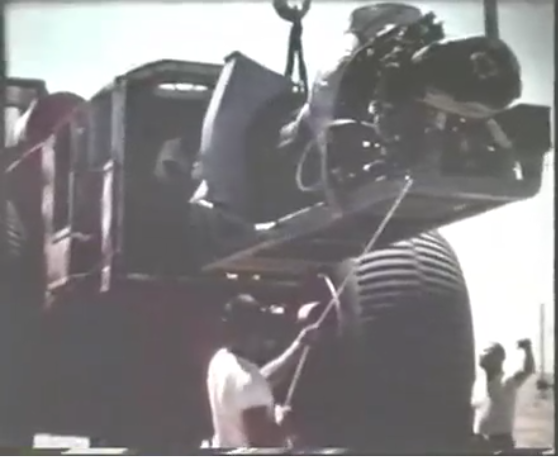
Installing a Solar turbine in the Overland Train Mark II at Yuma Proving Ground. Image: United States government fair use. Overland Train Mark 2 startup exhaust. Image: U.S. Army, fair use.
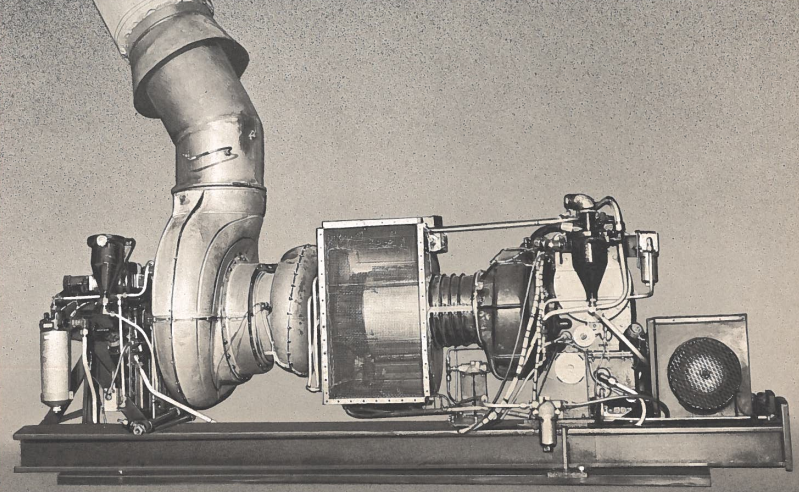
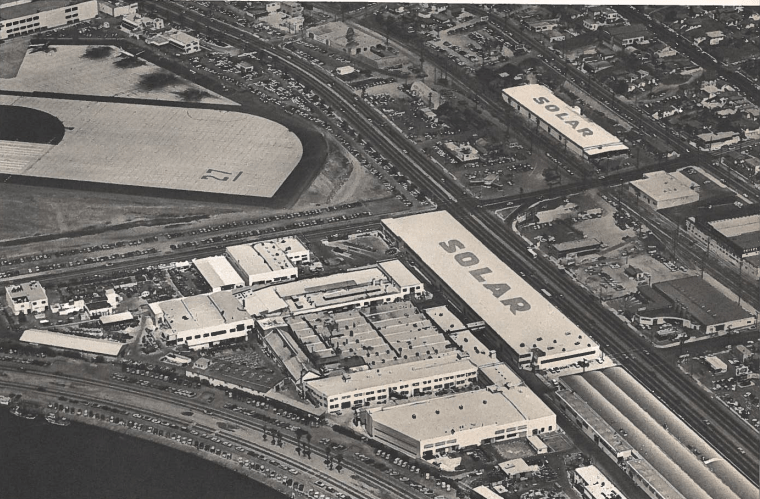
SOLAR gas turbine. Image: SOLAR brochure. Here is a quick comparison of the SOLAR factory in San Diego. The first image is from a SOLAR Jupiter brochure, while the image on the right was captured 27Dec21 on Google Maps.
SOLAR plant in San Diego, CA. Image: SOLAR brochure 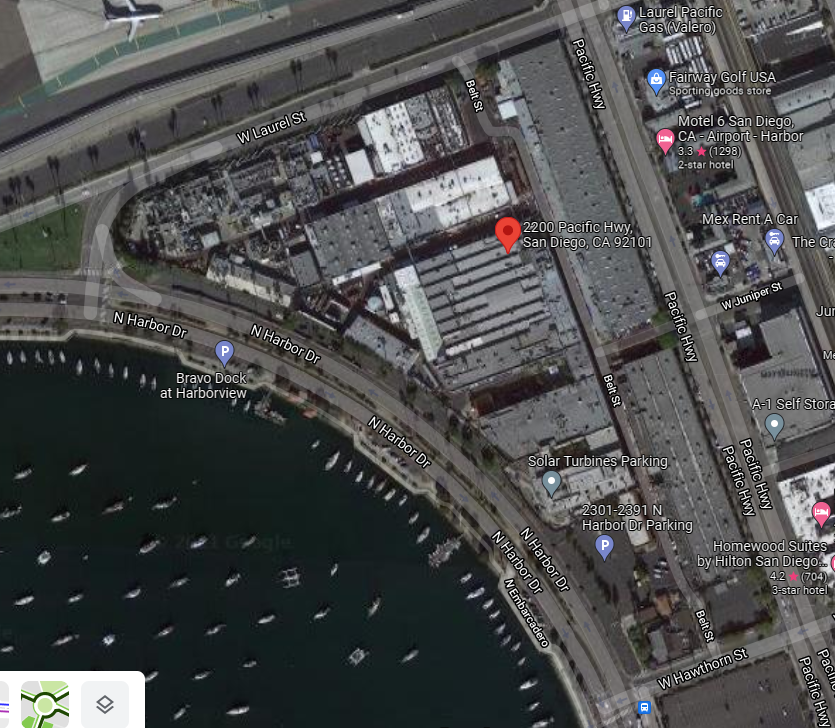
SOLAR factory 27Dec21. Image: Google Maps, for educational purposes only.
 Overland Trains