There were three known nuclear powered Overland Trains concepts. I have included two free pages from my book talking about these concepts. enjoy pages 292 and 293 below.
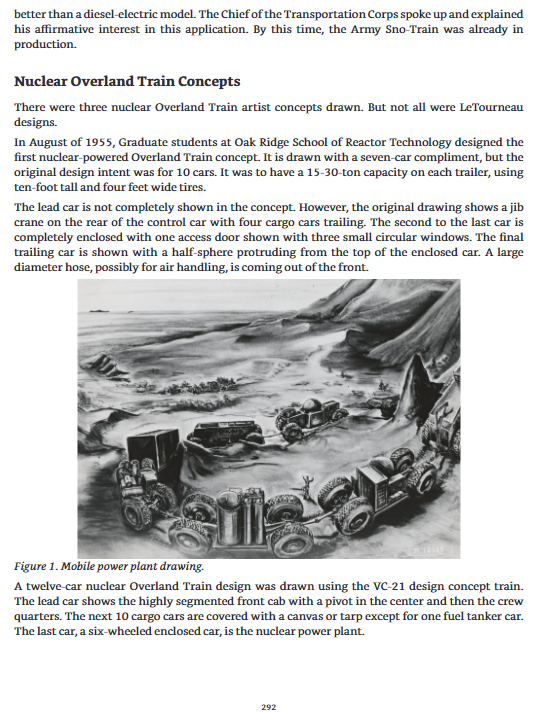
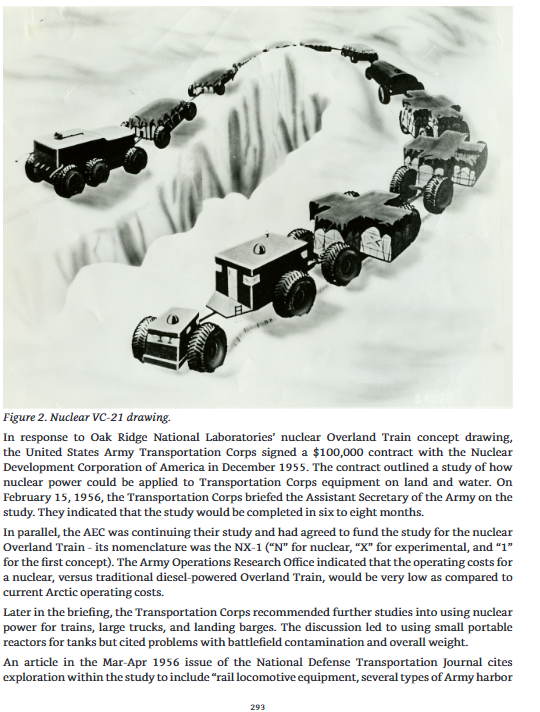
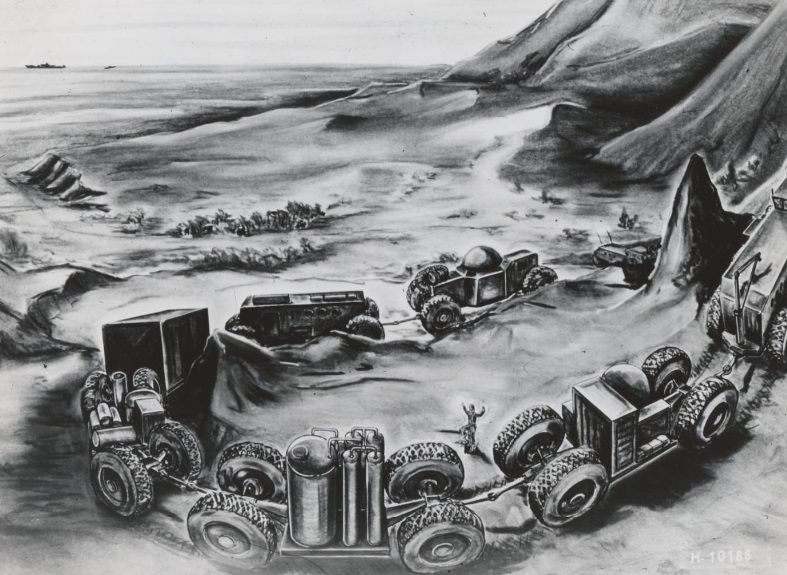
There were three known nuclear powered Overland Trains concepts. I have included two free pages from my book talking about these concepts. enjoy pages 292 and 293 below.
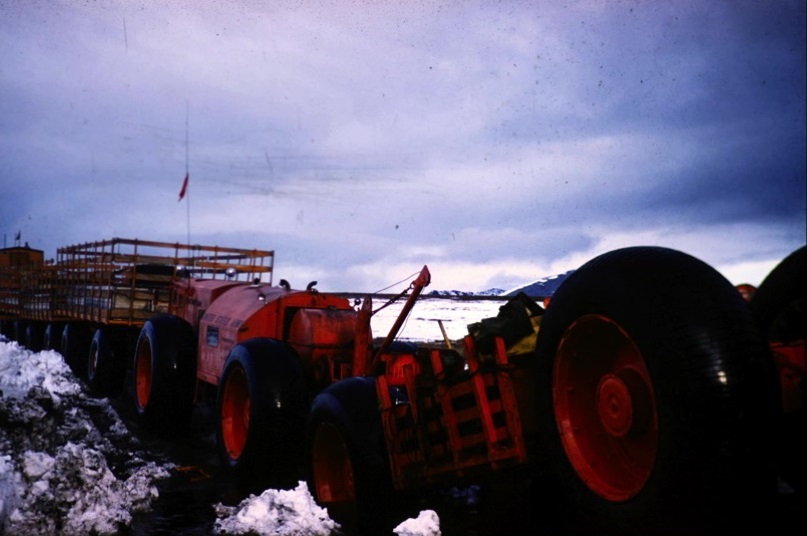
I started writing this book in February of 2020. Two and a half years later, I have captured the most complete Overland Trains story ever published. Buy the book now on Amazon.com (https://www.amazon.com/dp/B0BFL91FX6).
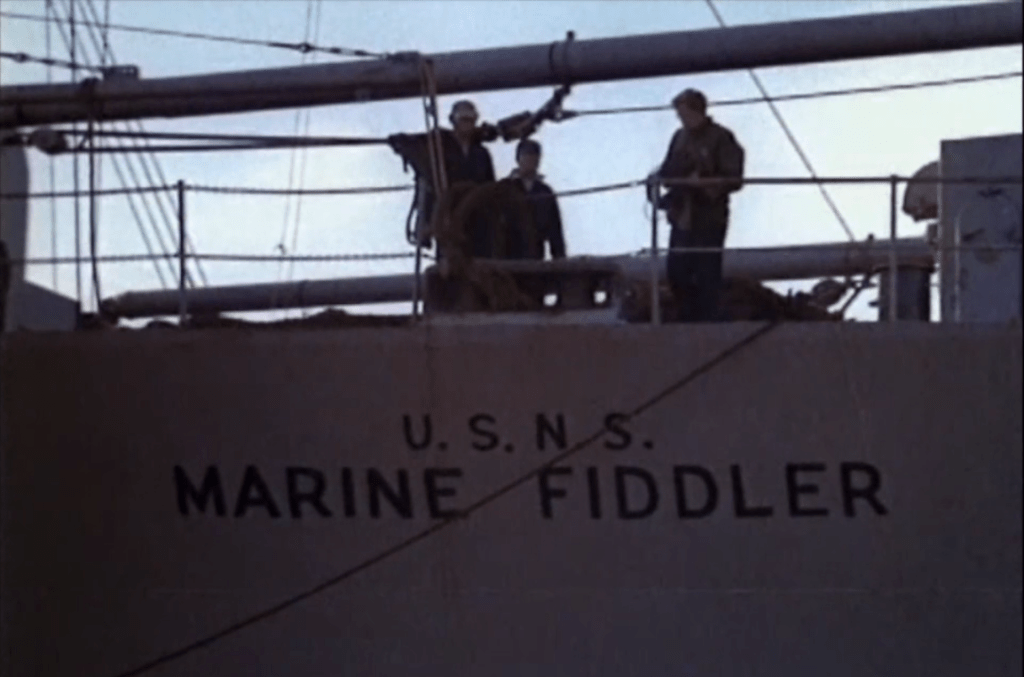
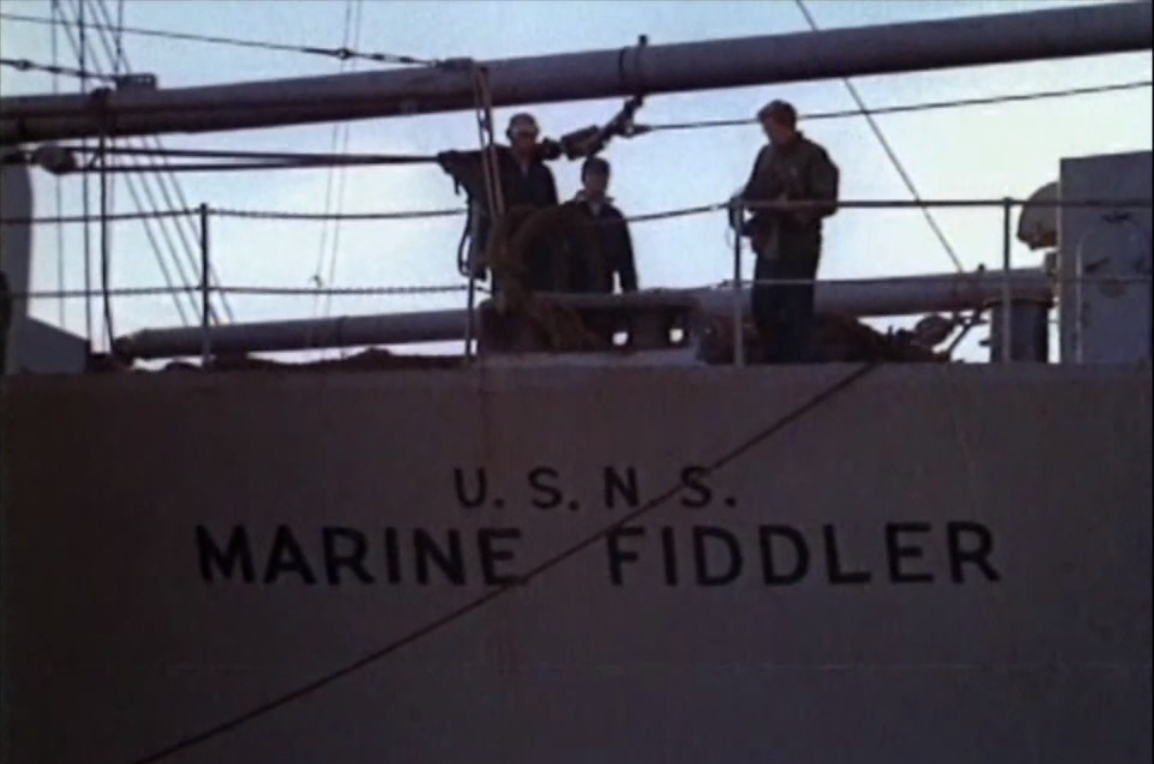
On June 25, 1960, the United States Navy Ship (USNS) Marine Fiddler departed from Buffalo, NY. It was the first cargo ship of the 1960 shipping season in the Arctic. It arrived at Thule on July 10, 1960, carrying some of the most important cargo the Army would see for years to come.
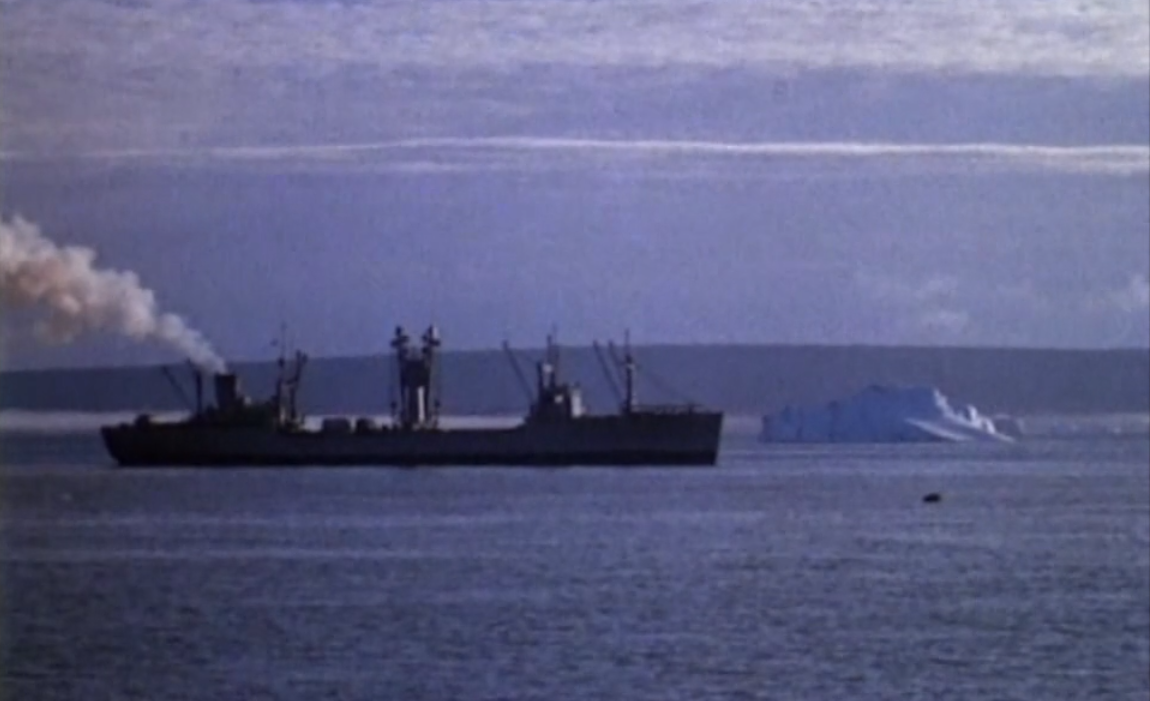
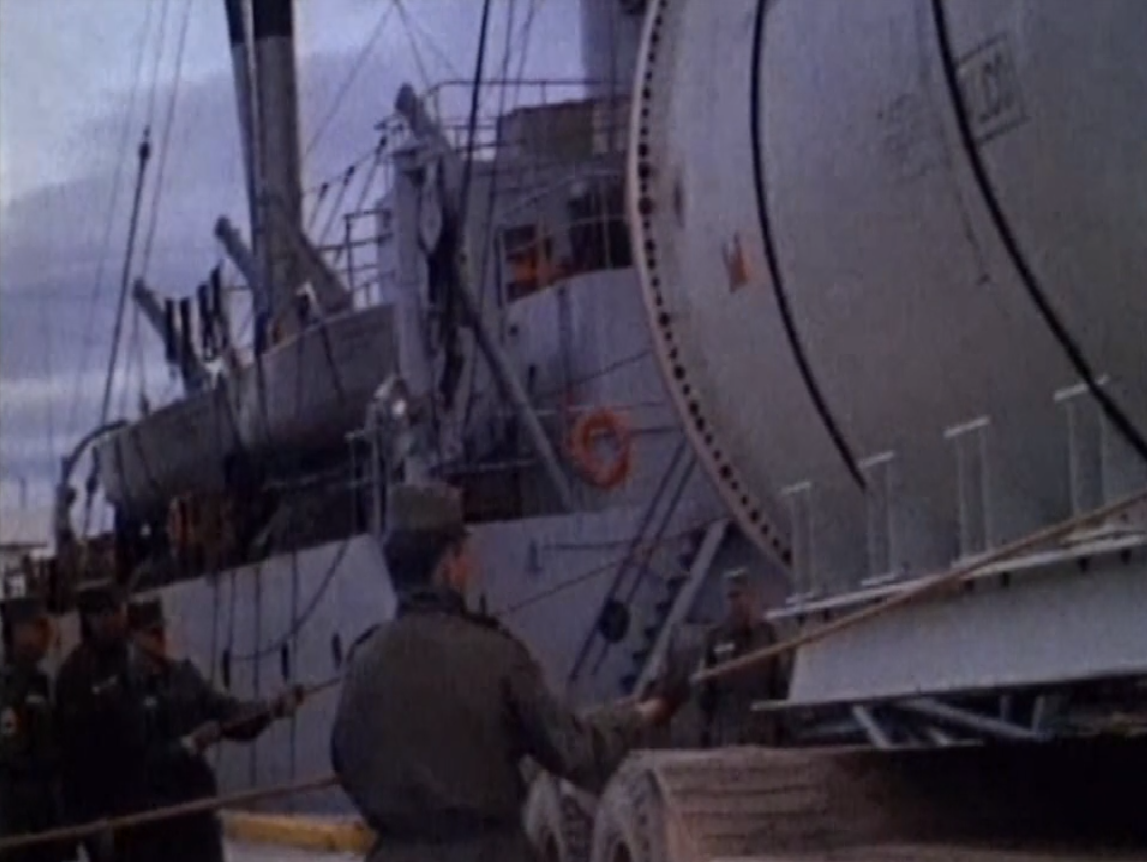
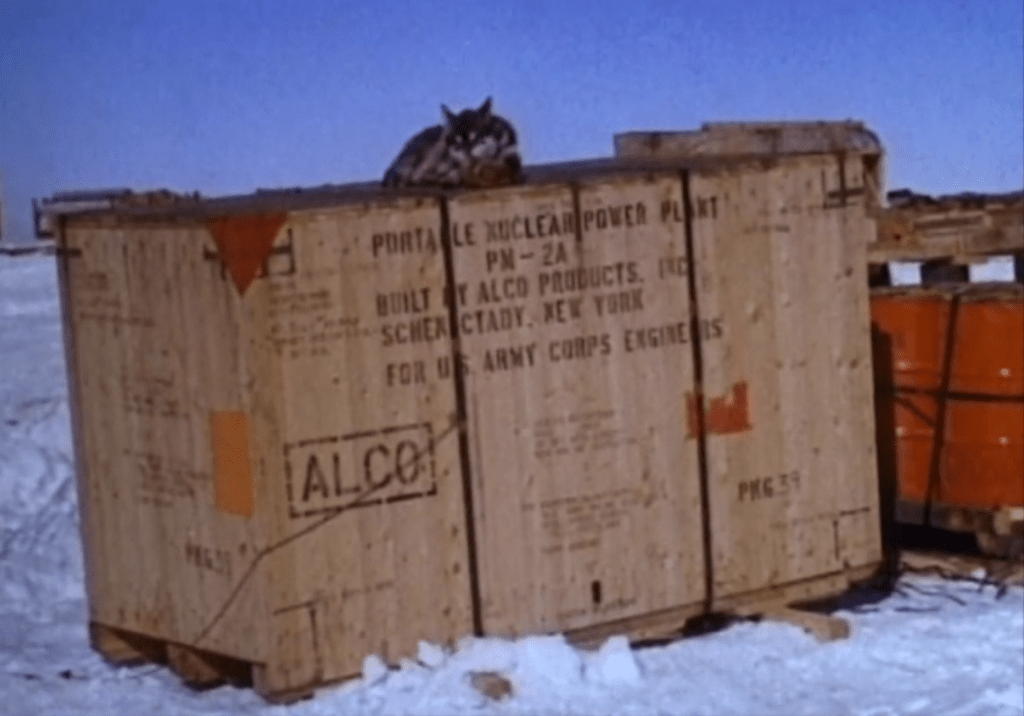
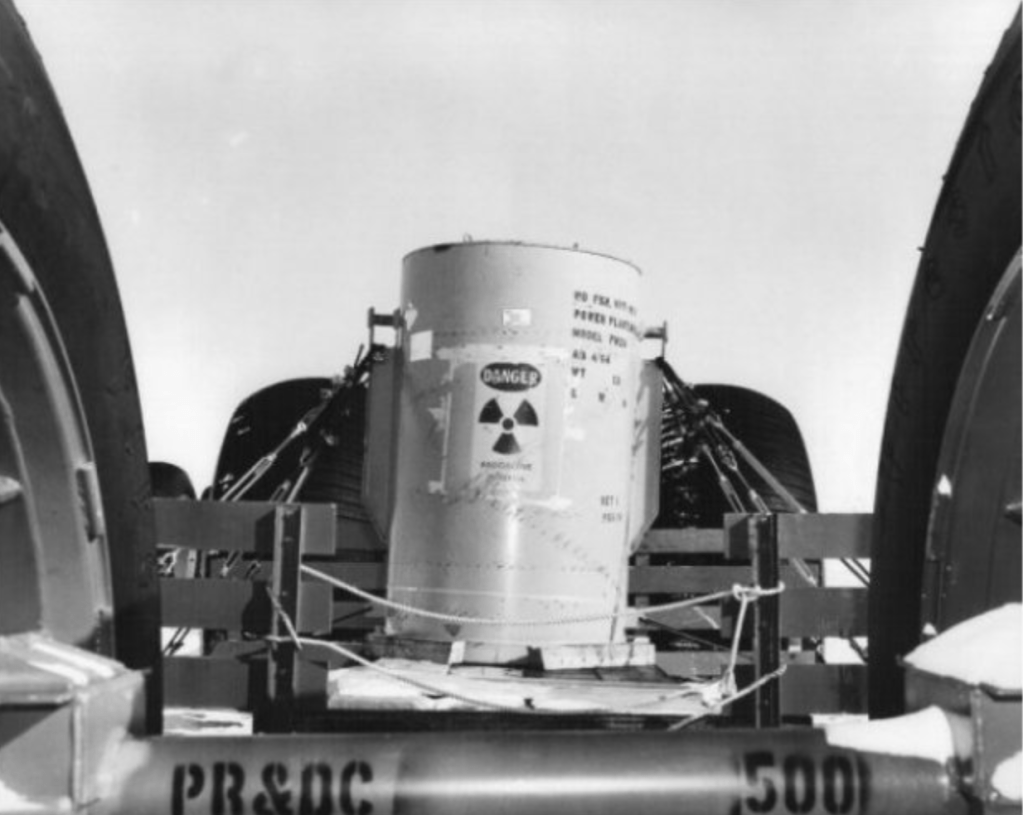
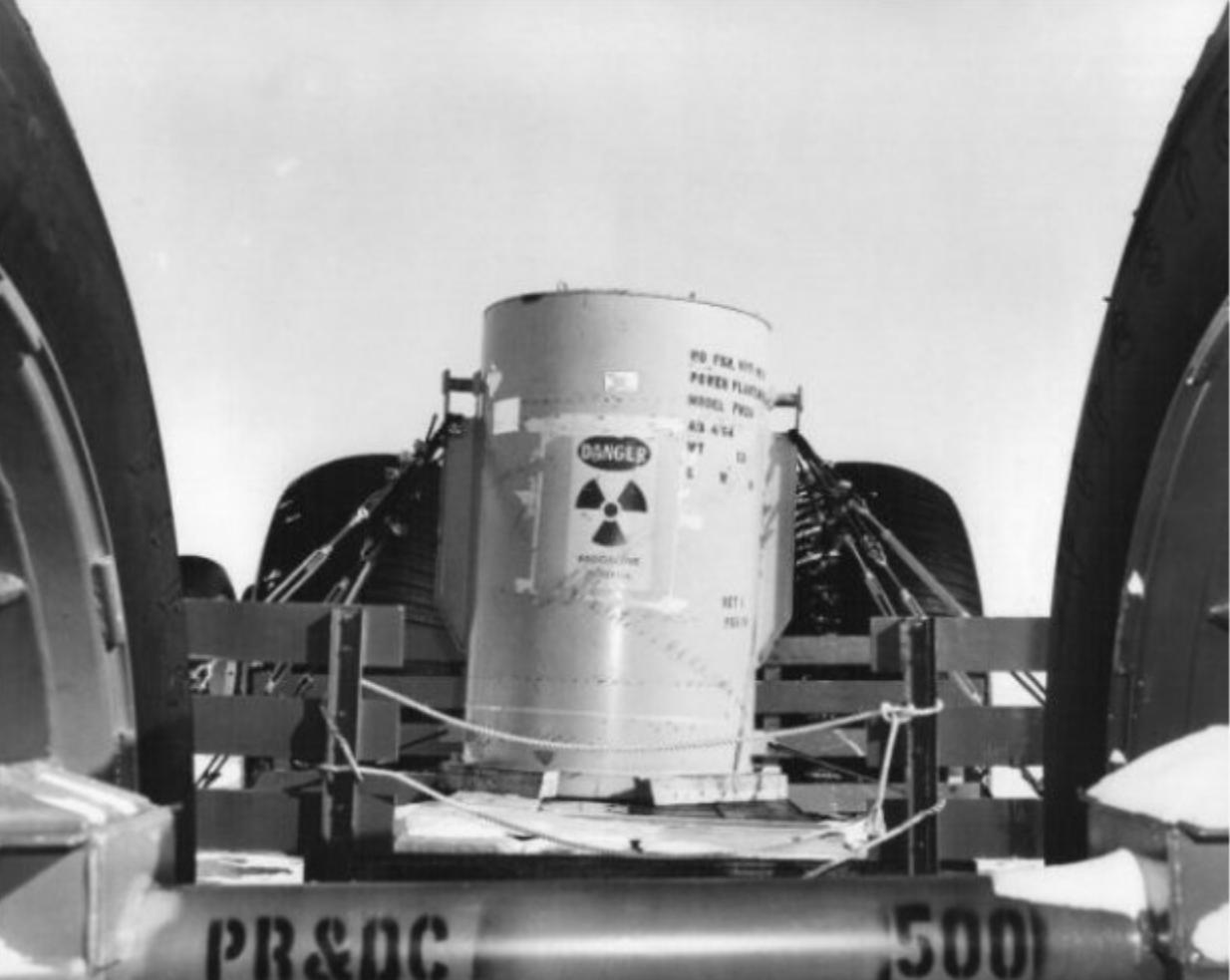
In three days of uninterrupted operations, the Army’s first small modular reactor would be placed in trailers and shipped to Camp Tuto. It was designated as PM-2A.
Roland Jasmin was one of the service members that were part of Polar Research & Development Center (PR&DC) out of Fort Belvoir. From there, the reactor was transferred to sleds where it would find its new home at Camp Century.
The Camp Century PM-2A reactor cost around $6 million dollars at the time. The 800 pound core was the equivalent to more than a million gallons of diesel fuel (1 pound of uranium equaled around 6,000 pounds of diesel).
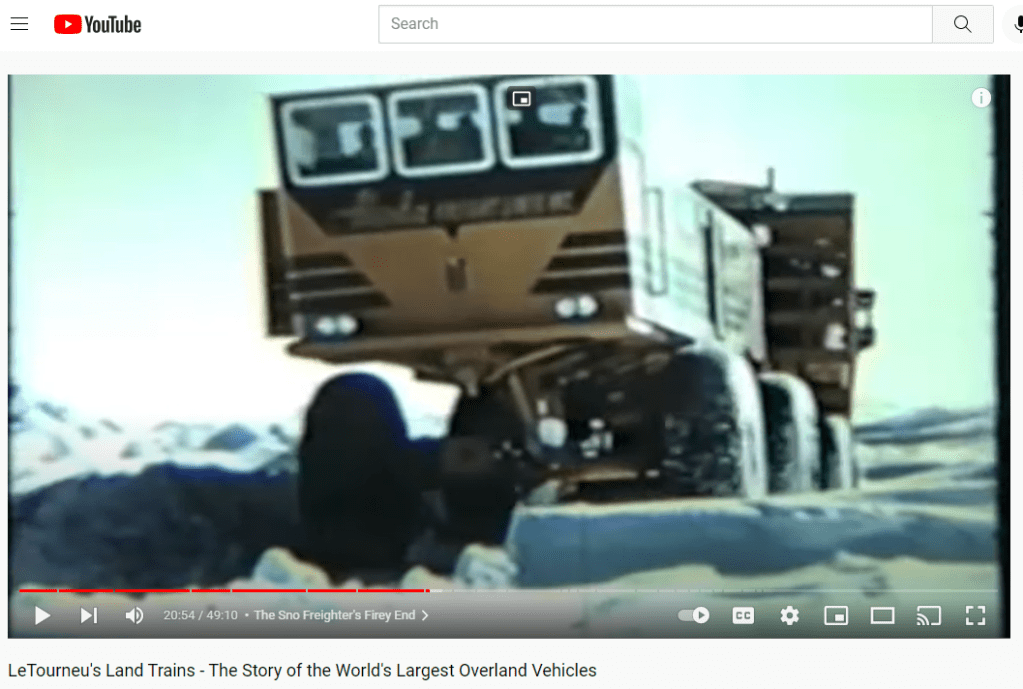
An acquaintance of mine posted a video on the Overland Trains today. It has been a labour of love for him over the past 2 years. His research and narration are top class. I can’t recommend watching his video enough.
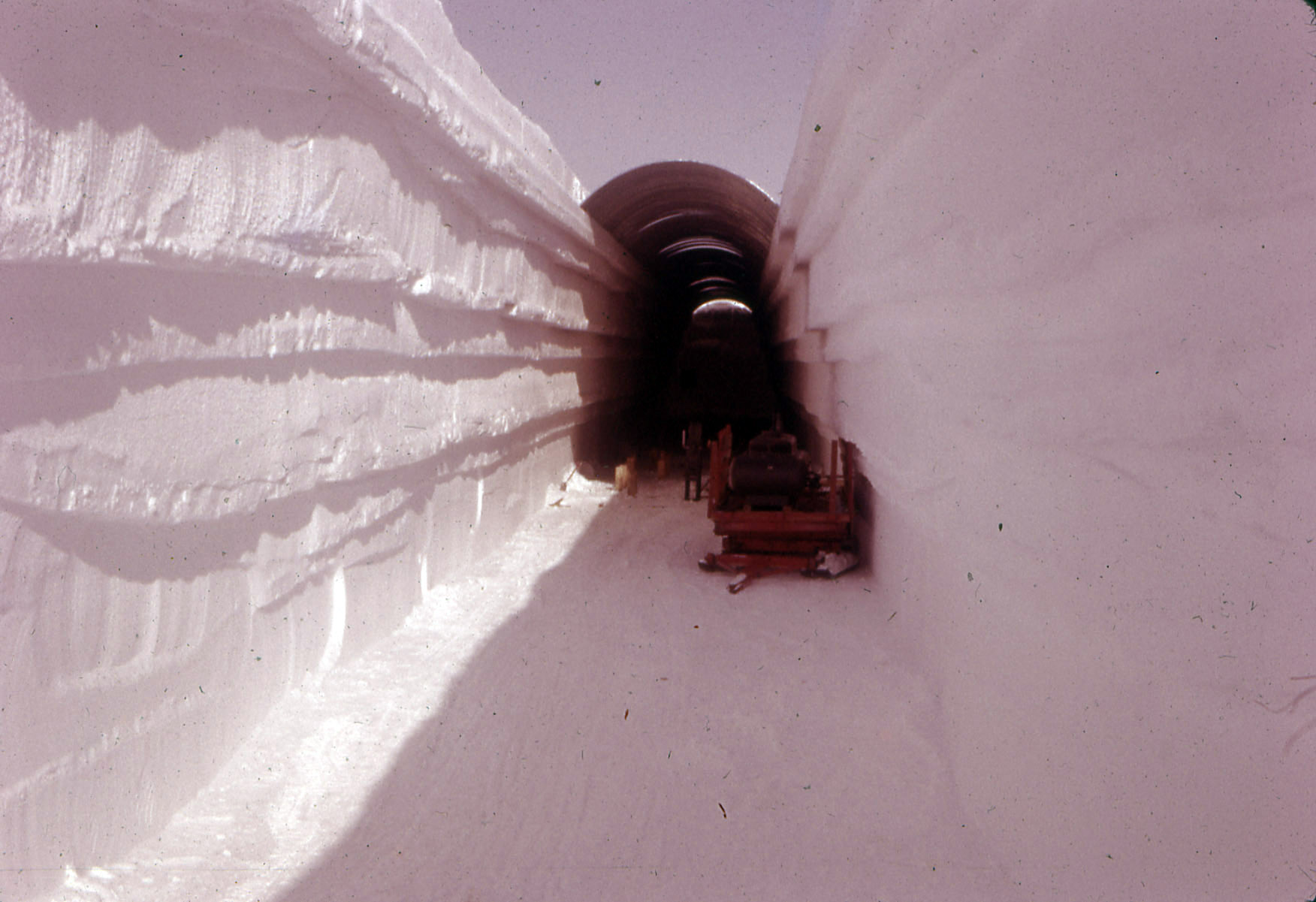
Camp Century was a United States military installation buried under the northwestern tip of the Greenland ice sheet. It was active from 1959 and quickly dismantled in 1967. In 1960, Camp Century received it’s electrical and heat energy from a Portable Medium-sized nuclear reactor, starting operations on October 3, 1960. It ceased operations the next year when Camp Century shifted operations to summer only. Camp Century was used for a wide array of experiments, from using the ice for fuel storage to determining if it was feasible to have a city under the ice. When Camp Century was abandoned, the Army left behind equipment, petroleum, oil and lubricants (POL), and other materials.
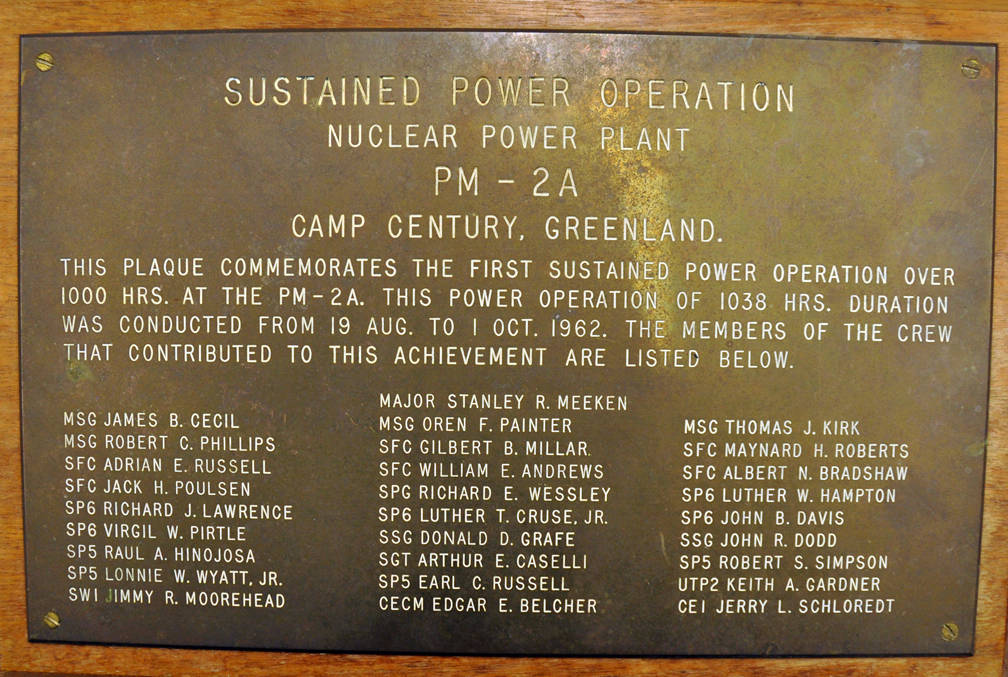
In the summer of 2017, scientists at the Geology Survey of Denmark and Greenland (GEUS), lead by Project Manager William Colgen, headed up a project to understand the climate and snow cover at Camp Century (http://campcenturyclimate.dk/ccc). The nuclear material, POL, and other leftovers from Camp Century has scientists wanting to understand more of how glacial and water flows under the ice might transport these toxic materials. The report conclusion was the snow will continue to accumulate on top of Camp Century and meltwater will not reach the toxic debris field – by the year 2100, it will be buried under 190 feet to 209 feet of ice and snow. Read more about the project and data at http://campcenturyclimate.dk/ccc.
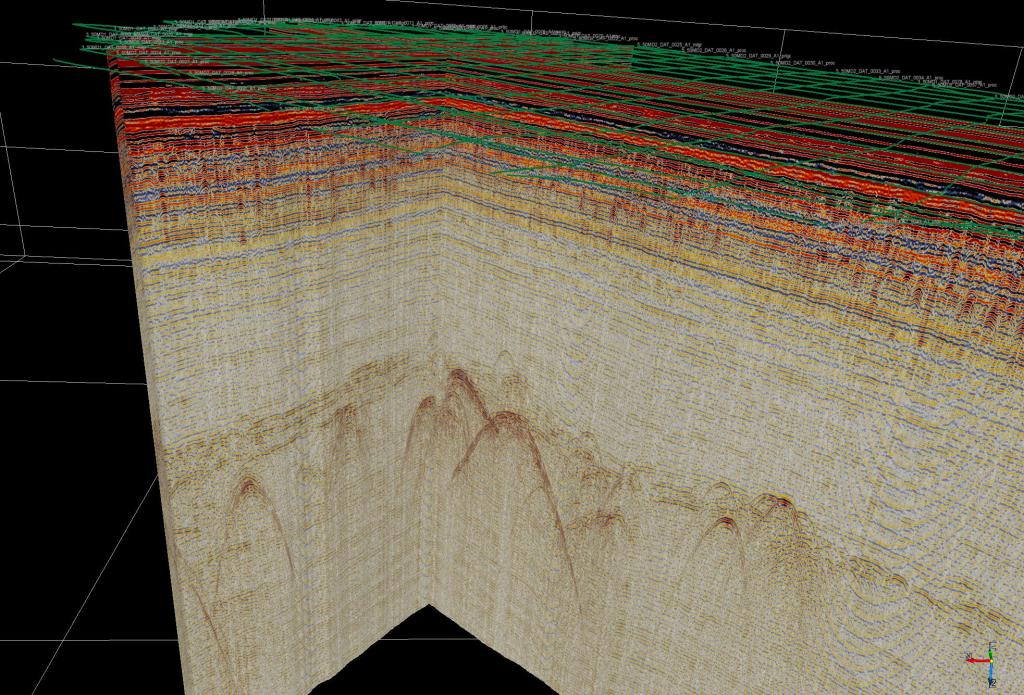
Research links from the project include:
Ice-penetrating radar survey of the subsurface debris field at Camp Century, Greenland – https://www.sciencedirect.com/science/article/pii/S0165232X18304671?via%3Dihub
https://dataverse01.geus.dk/dataverse/campcenturyclimate
Firn Evolution at Camp Century, Greenland: 1966–2100 – https://www.frontiersin.org/articles/10.3389/feart.2021.578978/full
Initial field activities of the Camp Century Climate Monitoring Programme in Greenland – https://geusbulletin.org/index.php/geusb/article/view/4347
New programme for climate monitoring at Camp Century, Greenland – https://geusbulletin.org/index.php/geusb/article/view/4415
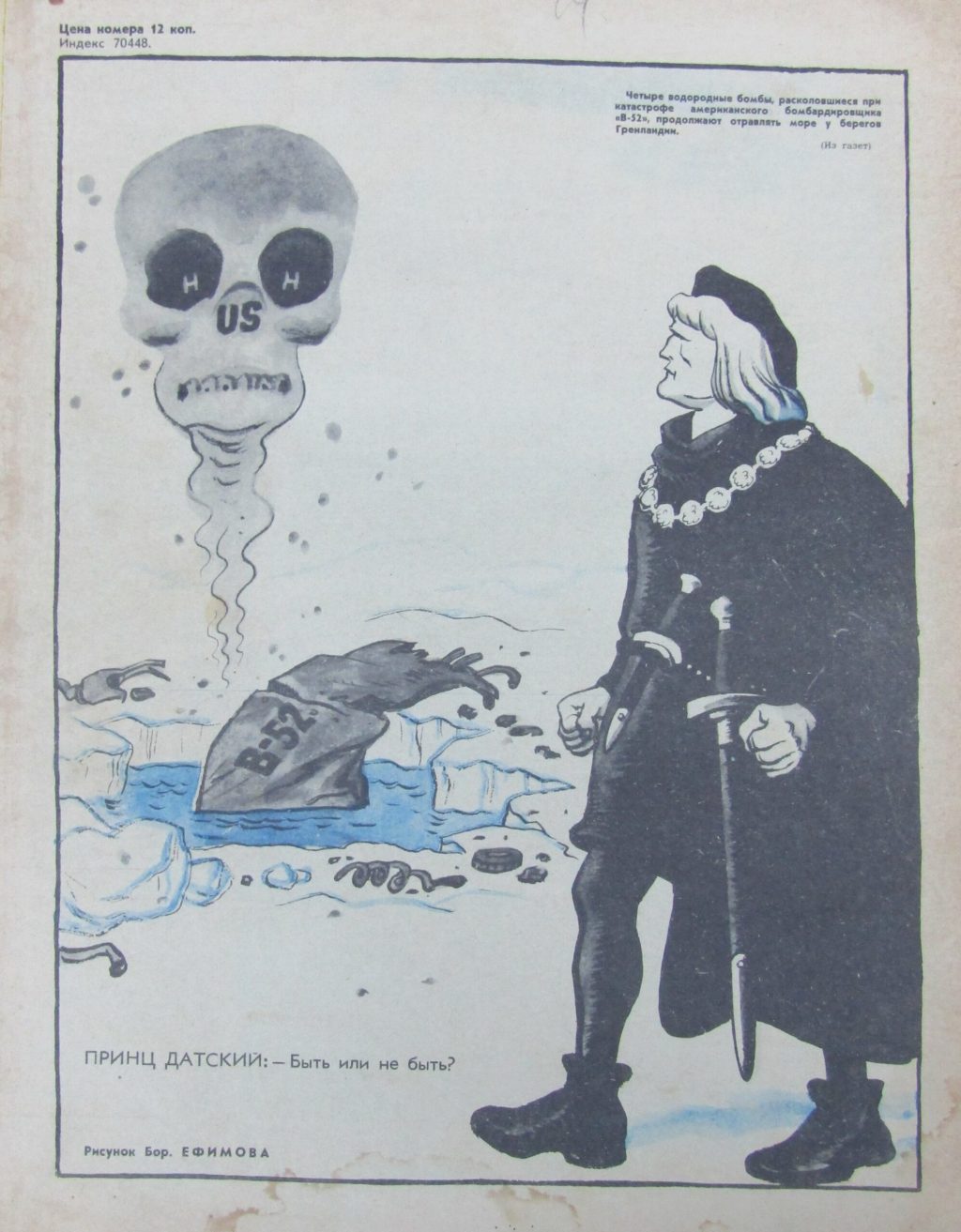
The Russian humor/satirical magazine “Crocodile” began publishing in 1922. During the United States Greenland build-up, the Soviets were watching us closely. Their Moscow Millie radio propaganda broadcasts knew intimate details about the service members that were at the base. For example, the broadcast would call out service members by name and state the hut number where they bunked. Investigators into information leakage at Thule Air Base never revealed their findings. It was assumed that the more than 8,000 individual contractors that helped build the base were leaking information to the Soviets.
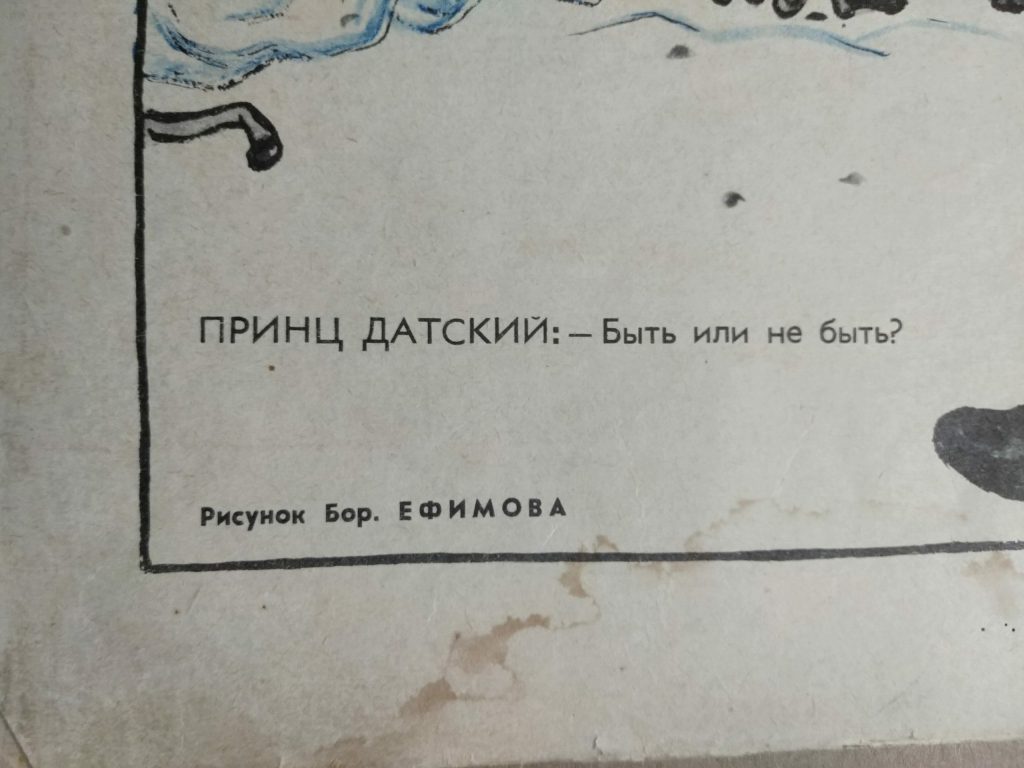
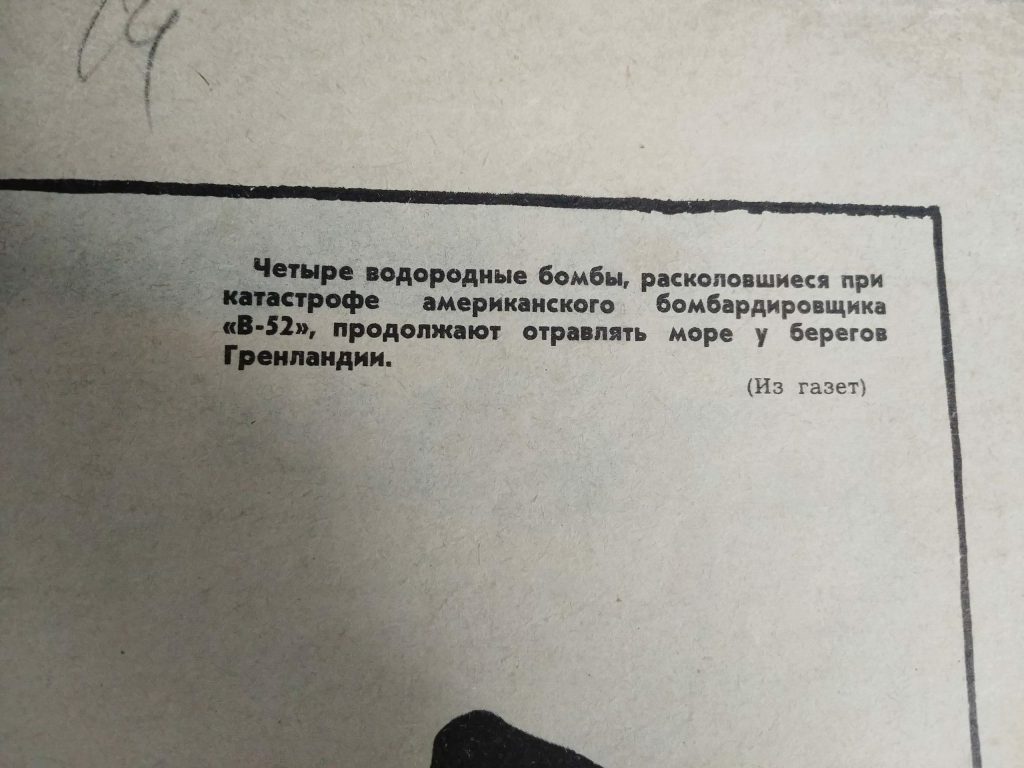
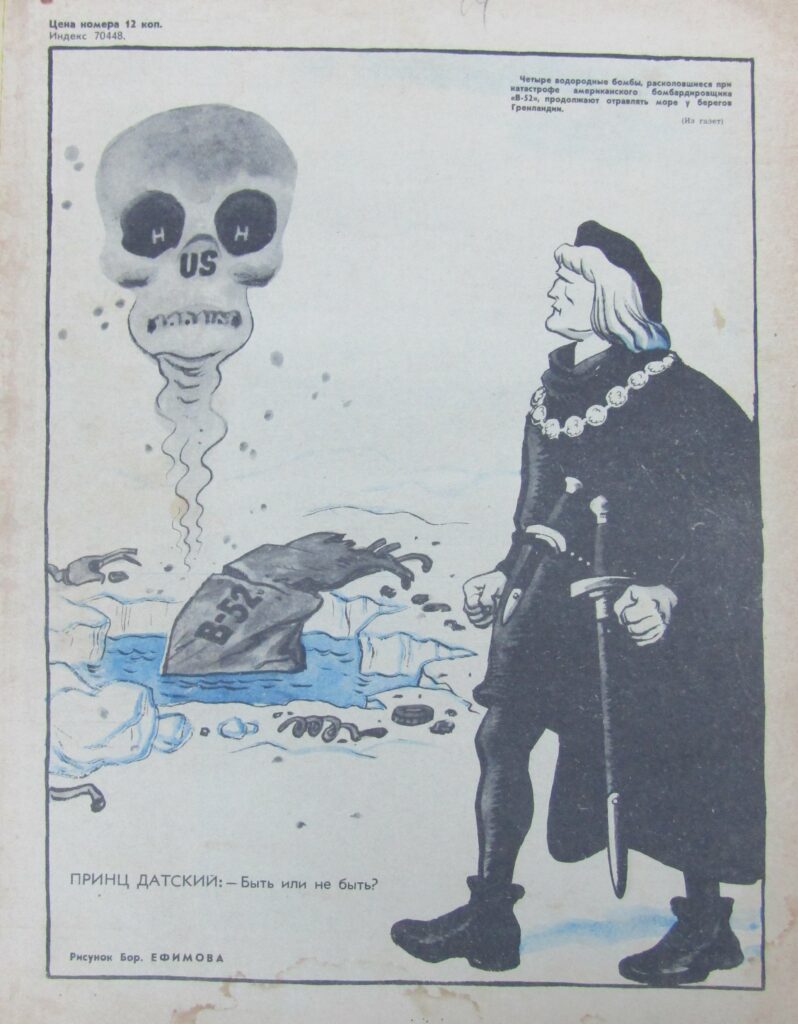
In the magazine below, the Soviet magazine “Crocodile” depicts the January 21, 1968 crash of an American nuclear B-52 bomber. The crash was caused by a a crew member placing seat cushions in a heater vent, which later caused a fire onboard. The smoke became so thick that the pilot lost visibility and it crashed. Unknown to the Dutch, the United States had been conducting flyovers with nuclear bombs. The B-52 bomber crashed on the northwest corner of Greenland – Wolstenholme Fjord. 6 of the 7 crew escaped by parachute before impact and the subsequent fire. The fire broke up the hydrogen bomb’s fissionable nuclear material and leaked radiation into the fjord, contaminating the surrounding waters. Russian translation are in the captions. Thank you for the translation Irina. “Crocodile” ceased publication in 2008.
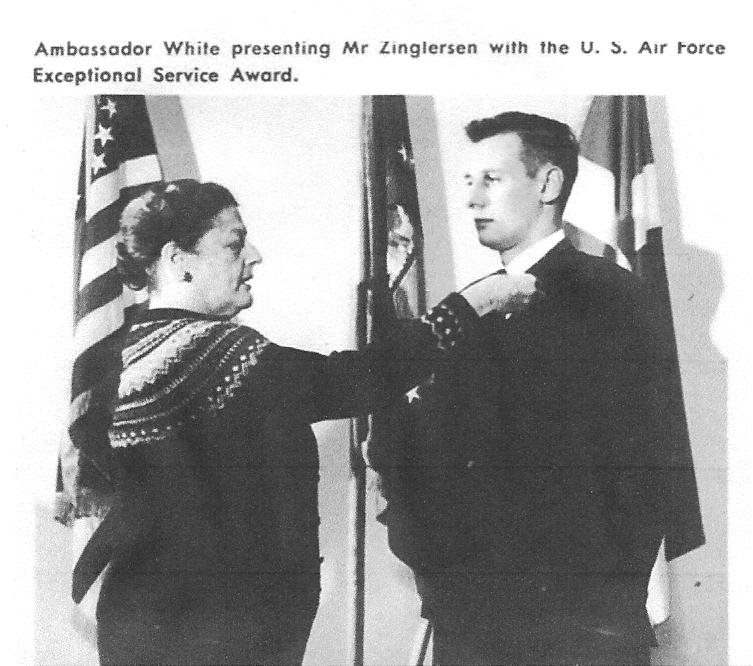
Jens Zinglersen and Jim Calhoun are the only two living members of the United States Air Force EOD SAC team that had the responsibility to find and recover, whatever that was left of the 4 hydrogen bombs. The B-52 crashed with 4-MK28 hydrogen bombs 11 kilometers west of Thule Air Base. The rescue and recovery took 9 months. Jim Calhoun retired as a Chief Master Sergeant after 20 years of service.
The Prince depicted above is the Soviets depiction of “HAMLET.”
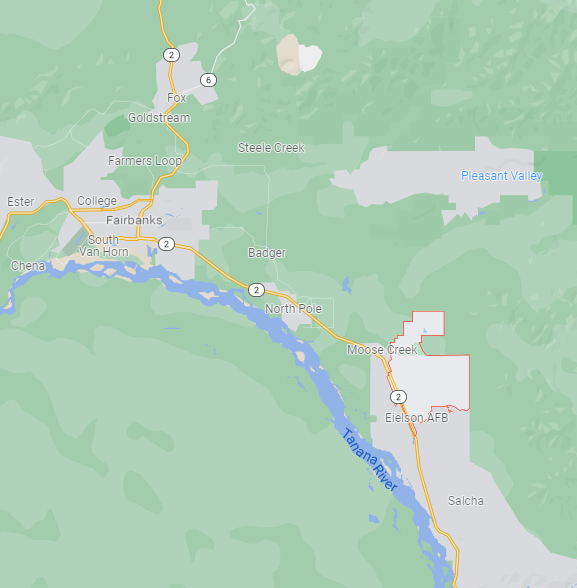
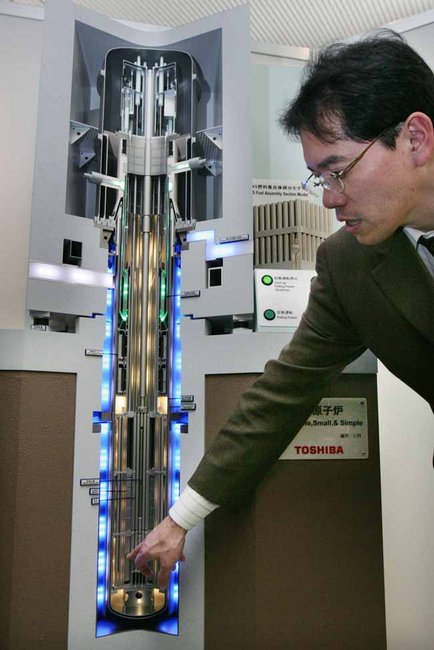
The United States Department of the Air Force announced that Eielson Air Force Base (AFB) will start producing 1-5 mW micro-reactor nuclear power by 2027. Executive Order 13972 promoted small nuclear reactors for use in national defense and space exploration. Eielson AFB is southeast of Fairbanks, Alaska. This isn’t the first time that Alaska has hosted a nuclear reactor. As part of the Army’s Nuclear Power Program in the mid 1950’s, the Army developed a number of small reactors to test nuclear concepts and feasibility.
The United States Government is approaching nuclear micro reactors on two fronts. Project Pele is reviewing mobile micro-reactor technology with the Defense Logistics Agency. That reactor will be based at Idaho National Laboratory. Eielson AFB will host the stationary micro reactor technology pilot through the Department of the Air Force. The latter project will post updates at https://www.safie.hq.af.mil/installationenergy/currentinitiatives/.
Here is the timing for the 2027 reactor go-live.
• Sep 2020: Request for Information (RFI) released
• Dec 2020: RFI responses received
• Jul 2021: Data gathering and environmental baselining site visit
• Oct 2021: Public Announcement of Eielson as chosen micro-reactor pilot location
• Fall 2021: Draft Request for Proposal (RFP) and compile environmental data
• Dec 2021: RFP reviews
• Feb 2022: Release RFP
• Late 2022: Select vendor and release Notice of Intent to Award (NOITA)
• 2022-2023: Begin permitting and licensing
• 2024: Execute contract
• 2025: Begin construction and pilot phase
• 2026: Pre-operational testing
• 2027: End pilot phase, enter commercial operation
I saved a number of articles on Neeva Spaces for you to review. These links provide access to the Executive Order and other *.GOV sources. https://neeva.com/spaces/O8_mvY8skQ6ZZ8K-9kOAvfkBsb2tDYFFZX3dCS7v.

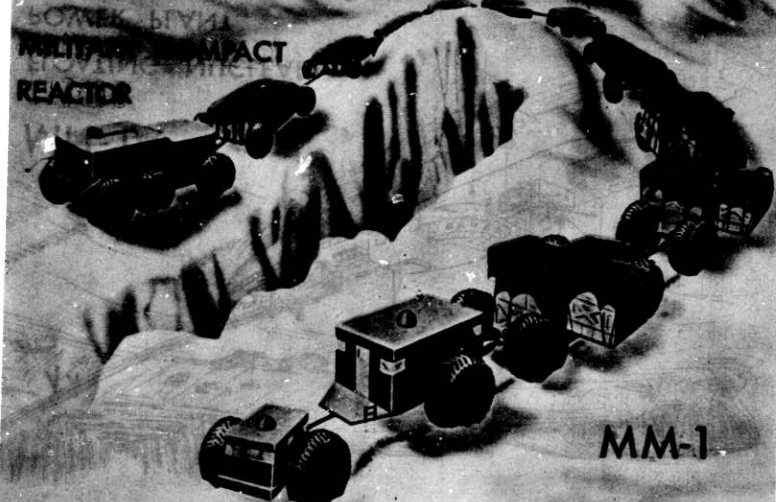
In 1960, the Army’s Nuclear Power Program had completed several nuclear reactors for research and testing purposes. Their micro-reactor (MCR (MM-1)) expected outputs were 500-800kW (MCR) and 2,000-3,000kW (MM-1). The MM-1 was targeted for use on a large logistical train and designed to help offset Petroleum, Oil, and Lubricants (POL) logistics needs in active war-time environments. During the 1960-1970 Army estimates, a theater of military operations would require fuel equivalent to 3.4 gallons/man/day to 7.5 gallons/man/day.
The MM-1 concept never came to reality, as the radiation shielding needed to protect men and equipment was too heavy. In 2016, the Defense Science Board (DSB) identified energy use as a major requirement for military operations. We have know this since before the Army Nuclear Power Program in the 1960’s. I am not sure why this point needed to be justified again.
Renewable power sources simply can not keep up with the military demands, which catalyzed the military to restart their efforts at a meltdown-proof (see TRISO fuel), miniature nuclear reactor concepts as Project Pele. As of March 22, 2021, to companies, BWXT Advanced Technologies and X-energy were given the go-ahead for their final mobile micro-reactor designs.
Similar to the 1960’s designs, these modern day micro-reactors are targeted at electrical output between 1mW to 5mW (1,000-5,000kW). I doubt we will see another logistical cargo train concept anytime soon. If you want to read more about Project Pele and micro-reactors, here are a few good places to start.
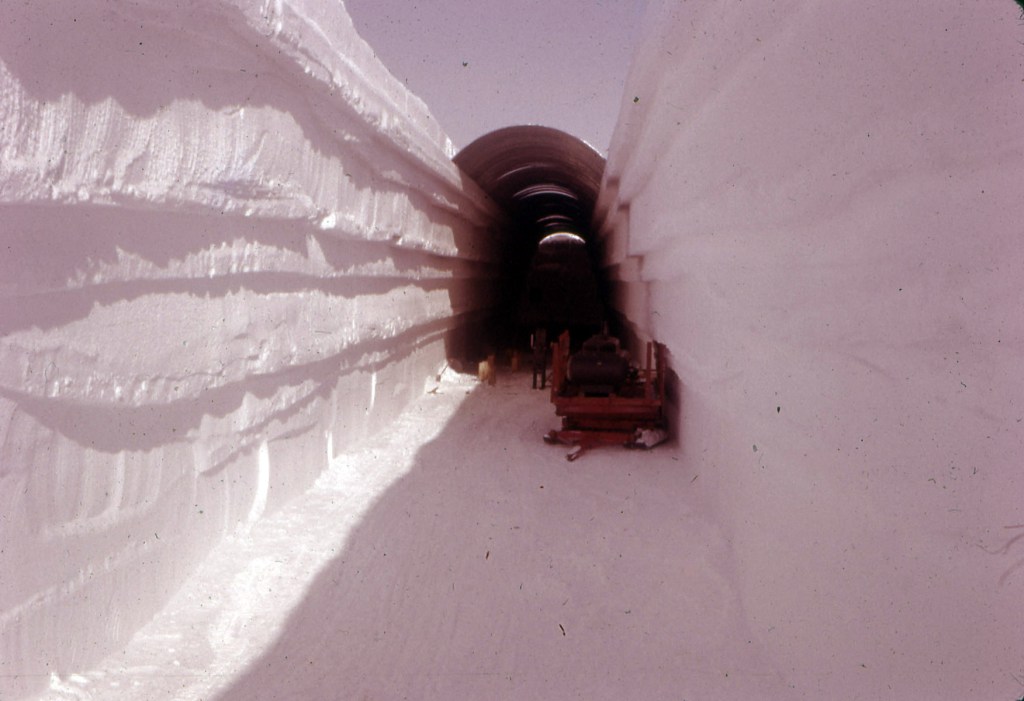
In the late 1950s, the United States Army (USAR) started carving ice tunnels in the Greenland ice shelf. The tunnels formed Camp Century, secretly known as Project Iceworm. Publicly, Camp Century was a research and development station. Ice cores sampled during this time are the foundation for scientists climate change assertion. The first functional nuclear power station, as part of the Army’s Nuclear Power Program, went CRITICAL in Camp Century – the reactor was called PM-2A and built by ALCO. Project Iceworm’s mission was to determine the feasibility for the Greenland ice shelf to support nuclear missile launches.
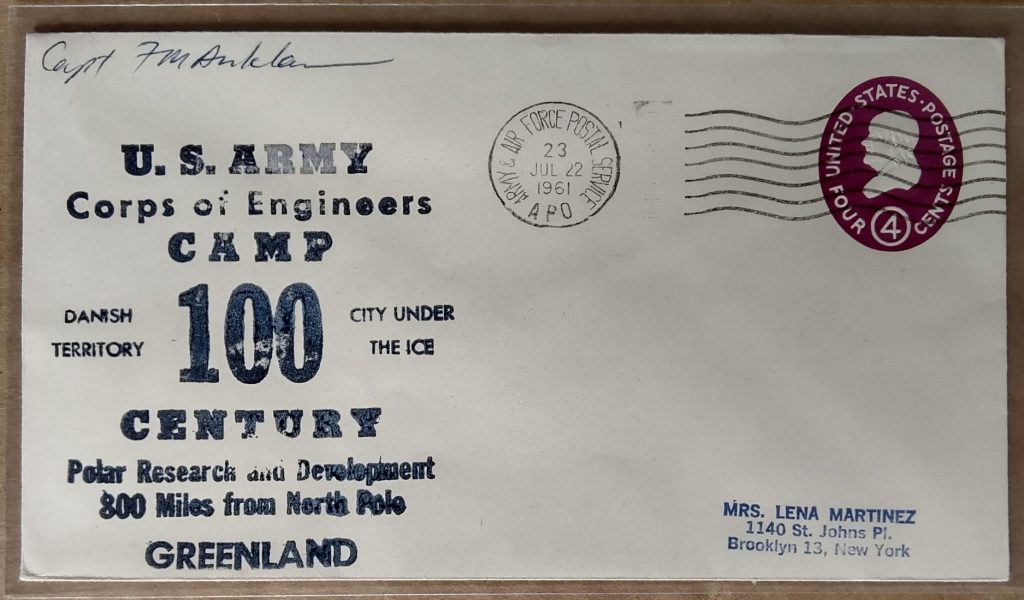
A couple of decades after Camp Century was abandoned, a 1962 memo was found, detailing Project Iceworm’s proposal. The USAR really wanted to determine the feasibility for the Greenland ice shelf to support 600 nuclear missiles, targeted at the Soviet Union. The missiles would be moved around, under the ice sheet, by rail. The warheads would be safely concealed under 28 feet of ice, with a surface area equal to the state of Alabama.
In 2013, the United States Air Force Nuclear Weapons Center was planning to award several study contracts, worth up to $3 million each. The goal of the study contract was to figure out how to extend the operational life of the Minuteman III missiles.
There were two possible outcomes that the Air Force was looking to pursue, (1) maintain the current Minuteman III missiles until around 2030 or, (2) replace the current setup with a new ICBM that would be hidden within a trackless, underground subway system. The cost of developing a complex underground system would be a considerable, with figures between $52 billion to $210 billion.
You can read the 2013 United States Air Force Counterproliferation Research & Education article at https://media.defense.gov/2019/Jul/24/2002161886/-1/-1/0/CPC%20OUTREACH%201049.PDF. I did not want to post the article here because of possible copyright issues.
 Overland Trains