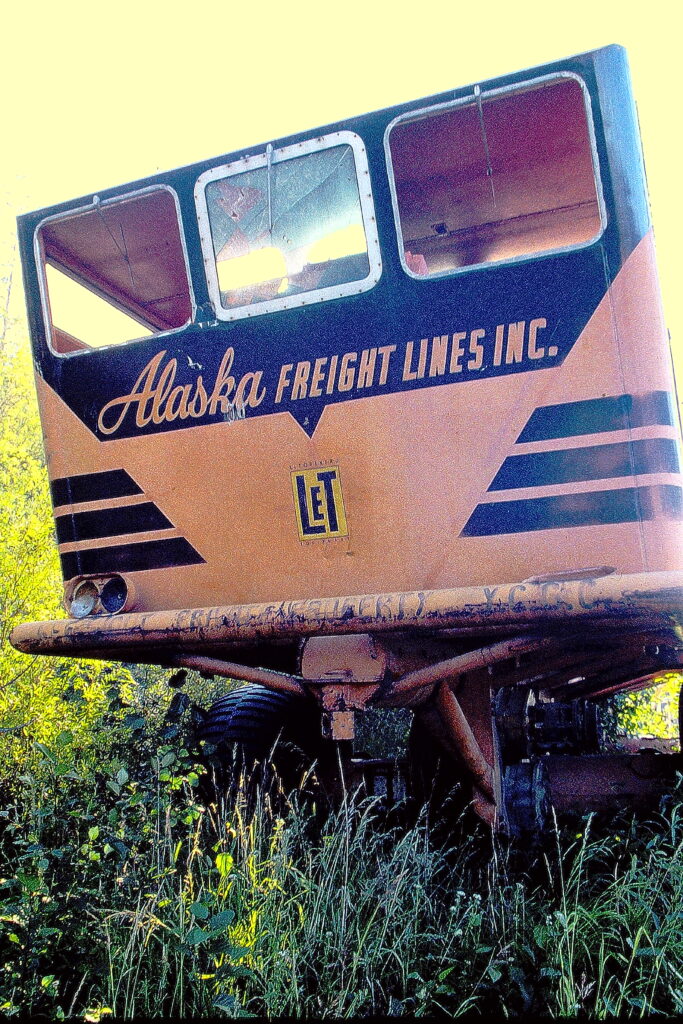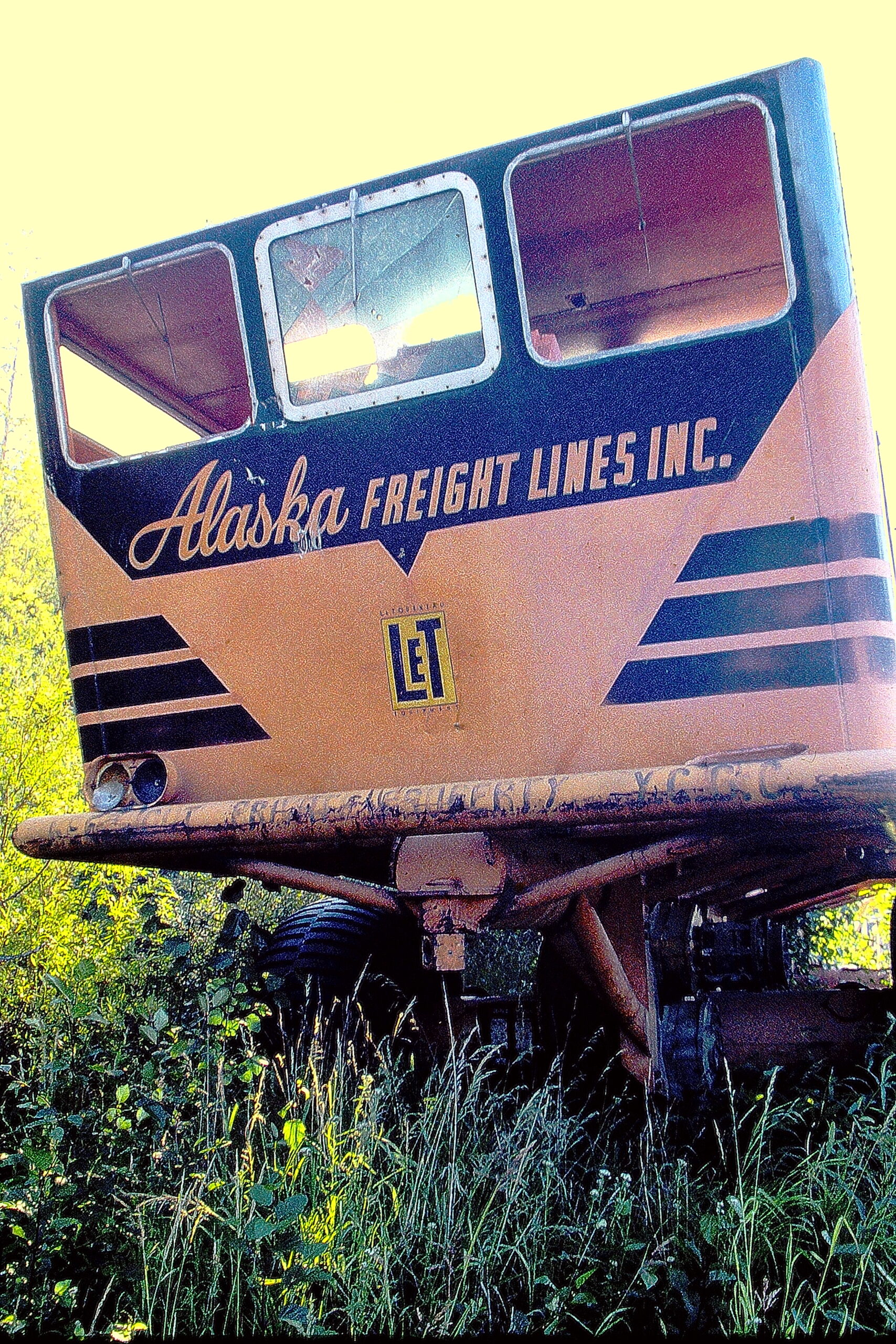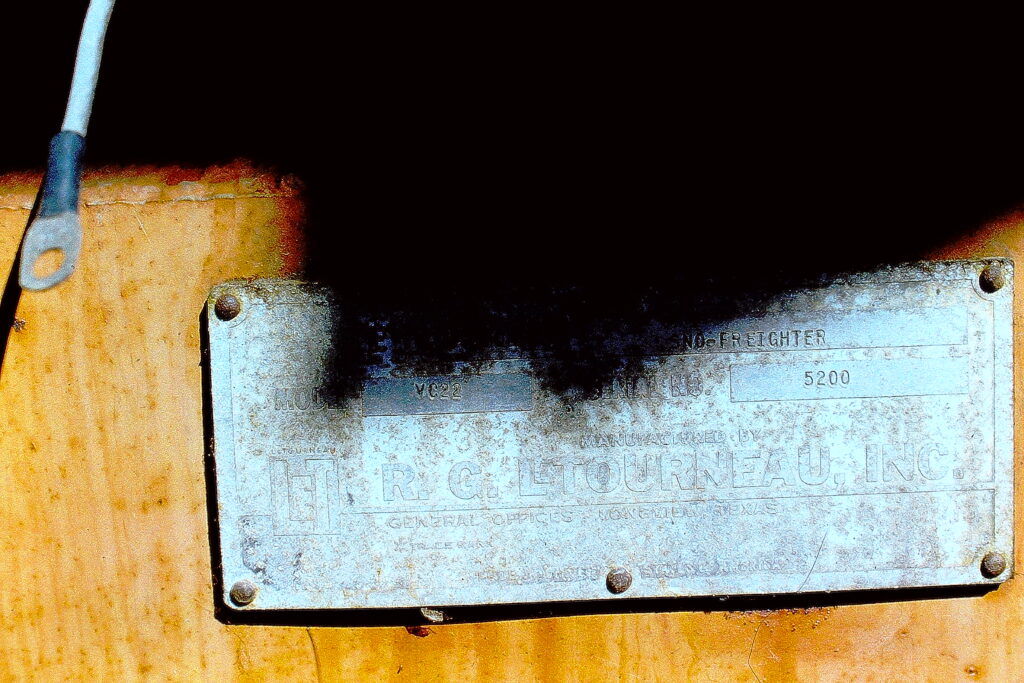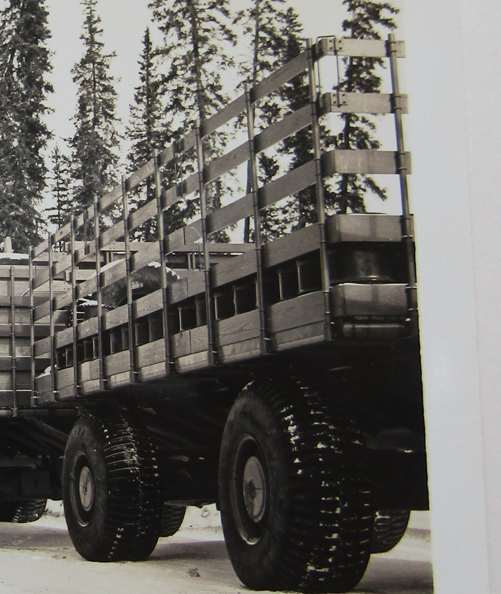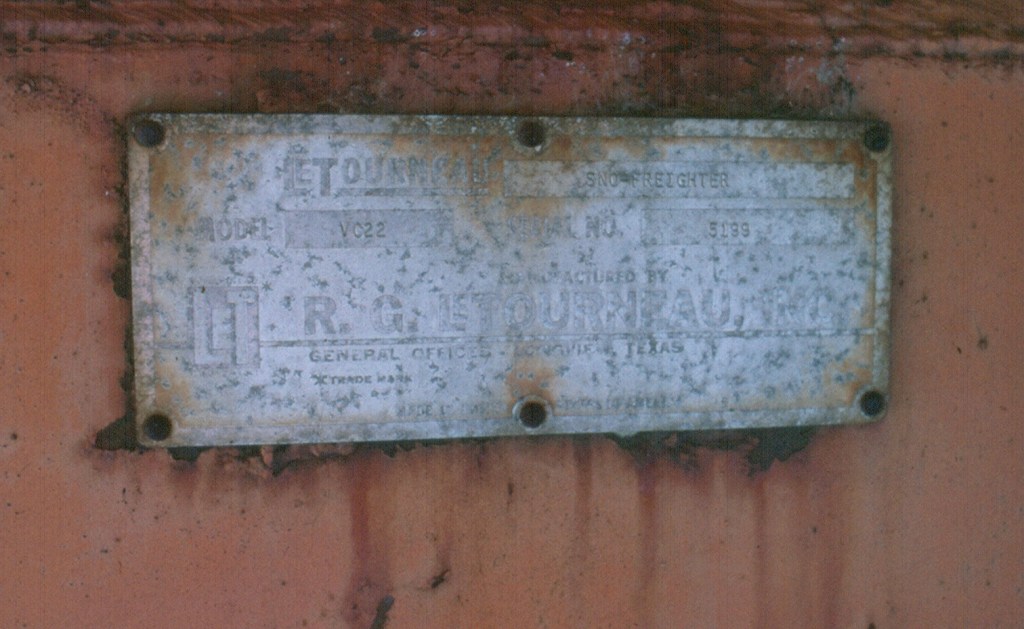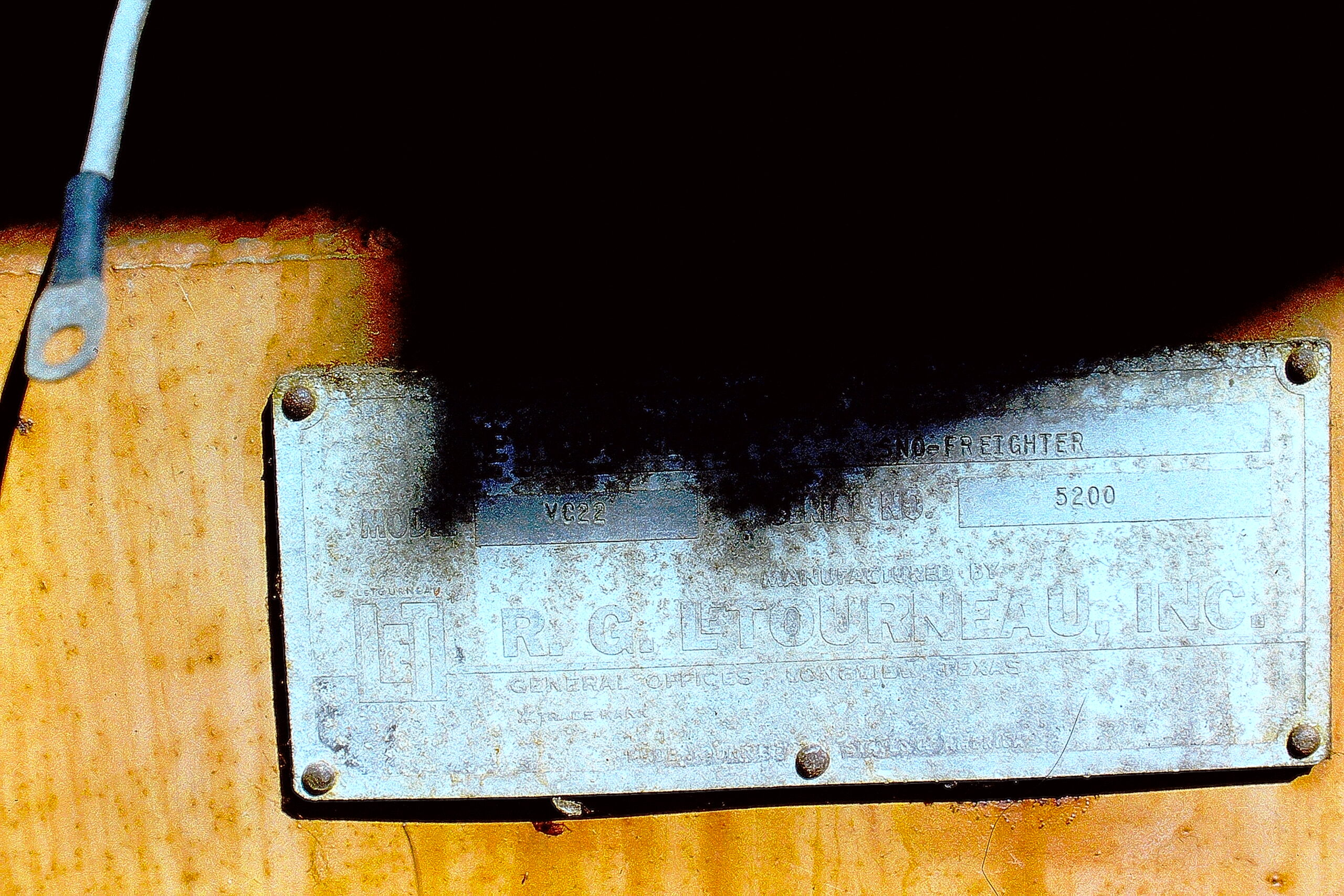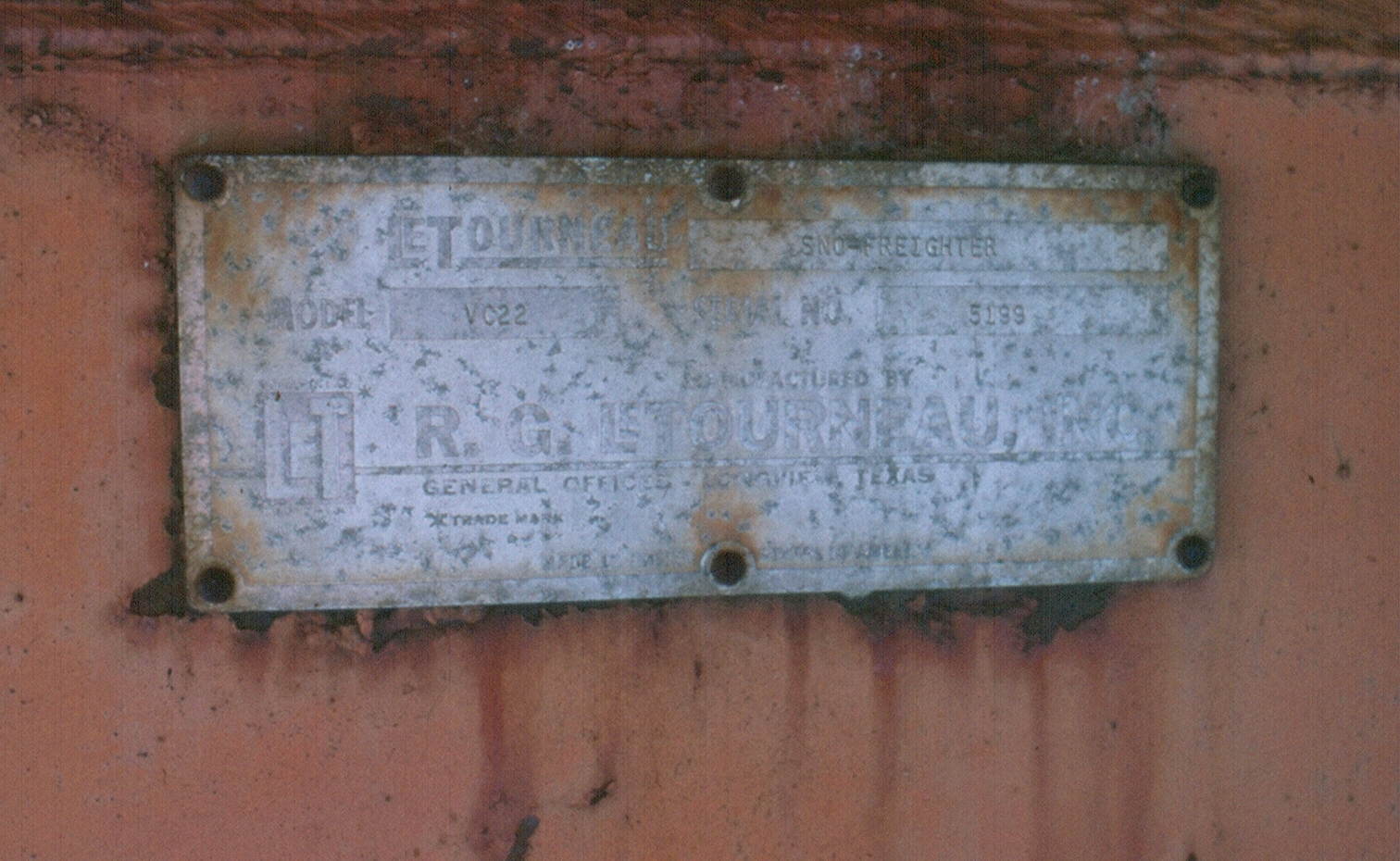
If the military is involved, you can be certain that they will use an abbreviation or acronym for their organized name, project, or equipment. Here are a few of the more commonly used abbreviations and acronyms used during the scope of the Overland Trains.
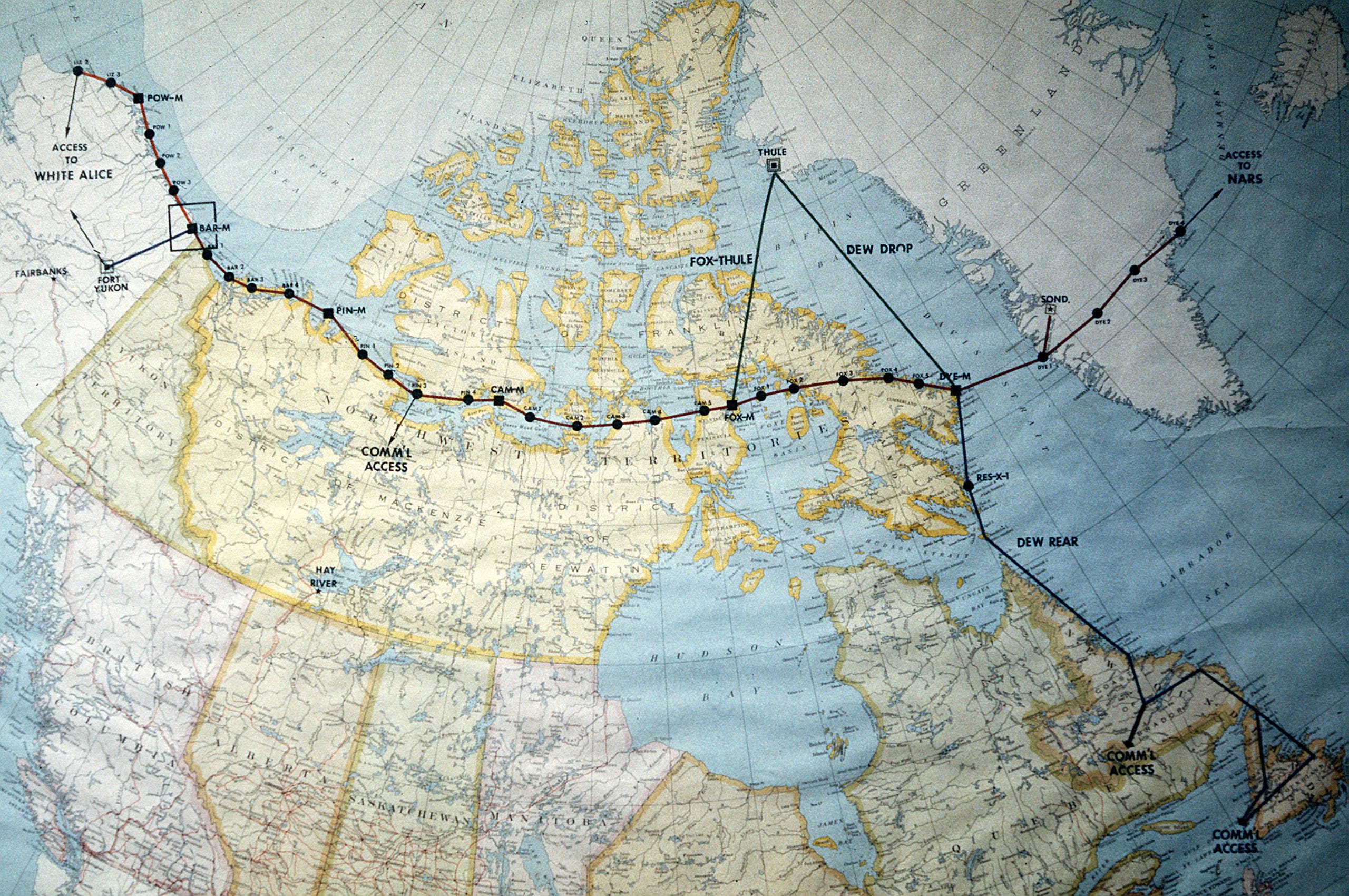
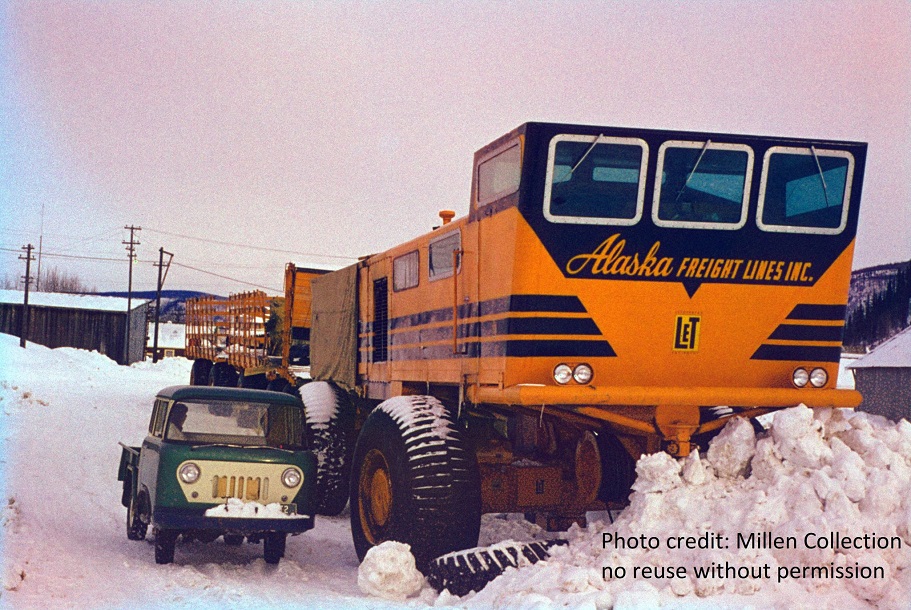
The Distant Early Warning (DEW) Line was a line of radar stations spanning from Alaska, Canada, and parts of Greenland. Large quantities of materials were needed to build and resupply these stations. There were a total of 63 remote radar sites. The President of Alaska Freight Lines (AFL) proposed to the government contractor building the DEW Line, that they could haul 500 tons of materials to these stations. As part of the contract, AFL would not be paid until all 500 tons of freight were supplied. In January of 1955, AFL contracted with R.G. LeTourneau, Inc to build the Sno-Freighter to accomplish the resupply contract.
DEW Line map
image: Millen Collection
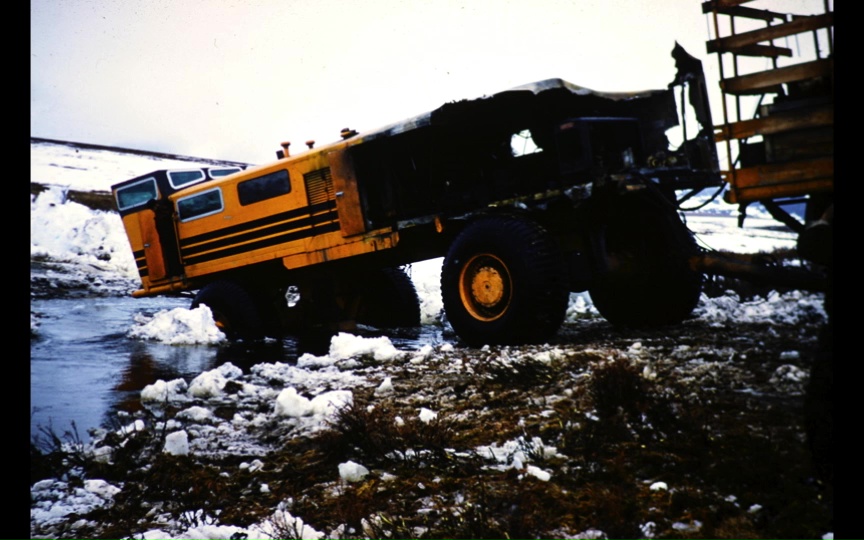
In the spring of 1956, its final supply trip, the Sno-Freighter lost control in the ice and snow and jackknifed. A fire started because of the jackknife, which destroyed it’s ability to transport under it’s own power. Cliff Bishop’s book “18 Wheels North to Alaska: A History of Trucking in Alaska” talks about his efforts to recover the Sno-Freighter from its break down. Fast forward 6 years later.
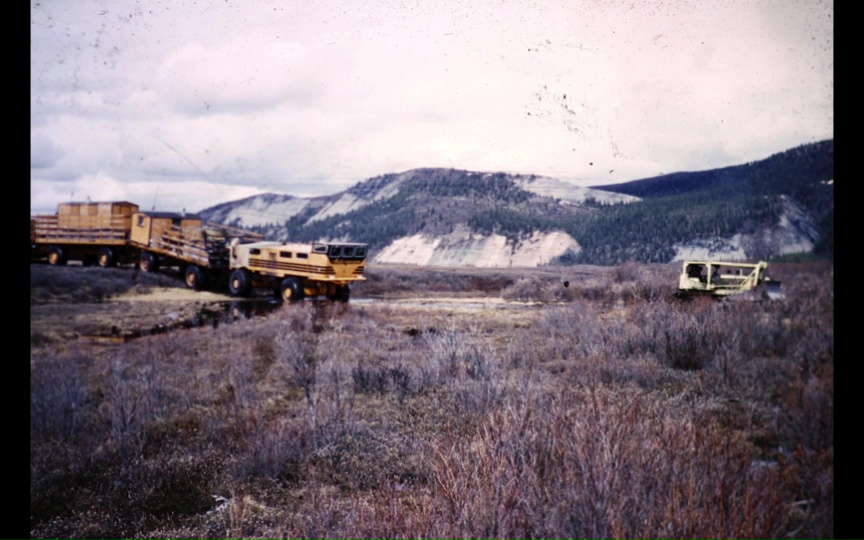
After a number of years of deteriorating in Canada, the government wanted it out of their territory. The United States Army was sent in to recover the Sno-Freighter in 1962. The images below show the Sno-Freighter as it makes its way from the Yukon Territory to Alaska.
image: M. Martinez
image: M. Martinez
The Sno-Freighter did not have the means to make it out of Canada on its own. As you can see from the image above-left, the entire engine and generator compartment are burnt out. As part of the research on the Overland Trains, I was fortunate to meet and interview the Non-Commissioned Officer in charge of the recovery out of Canada. More on how they did it in my book coming late 2021, early 2022.
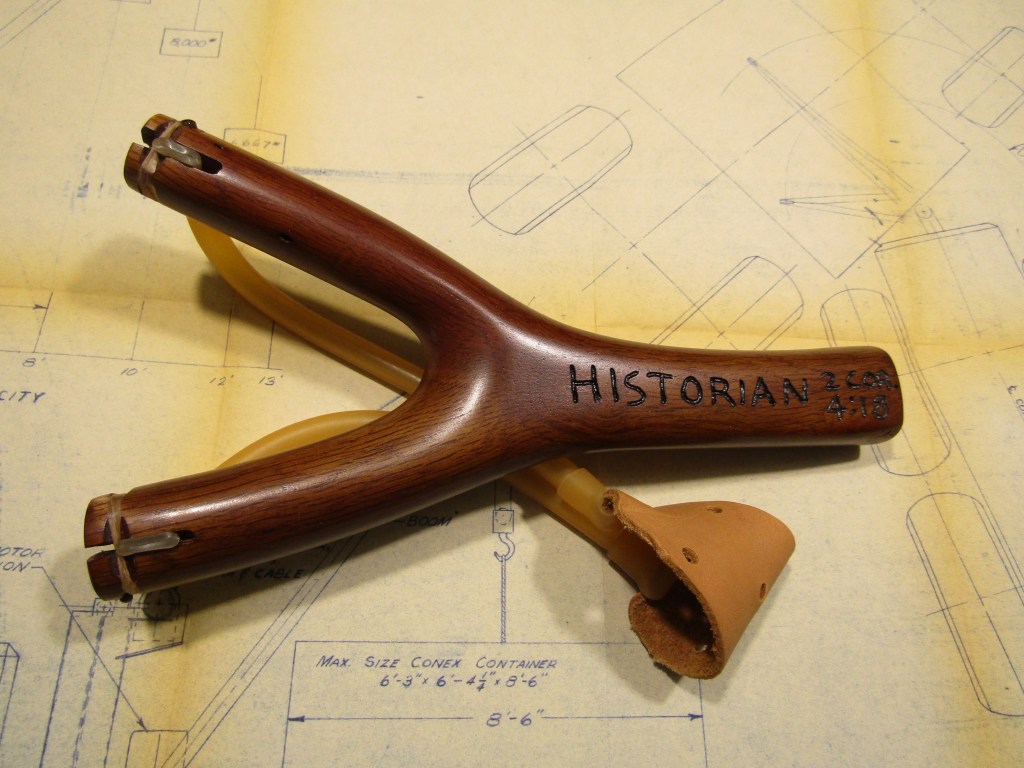
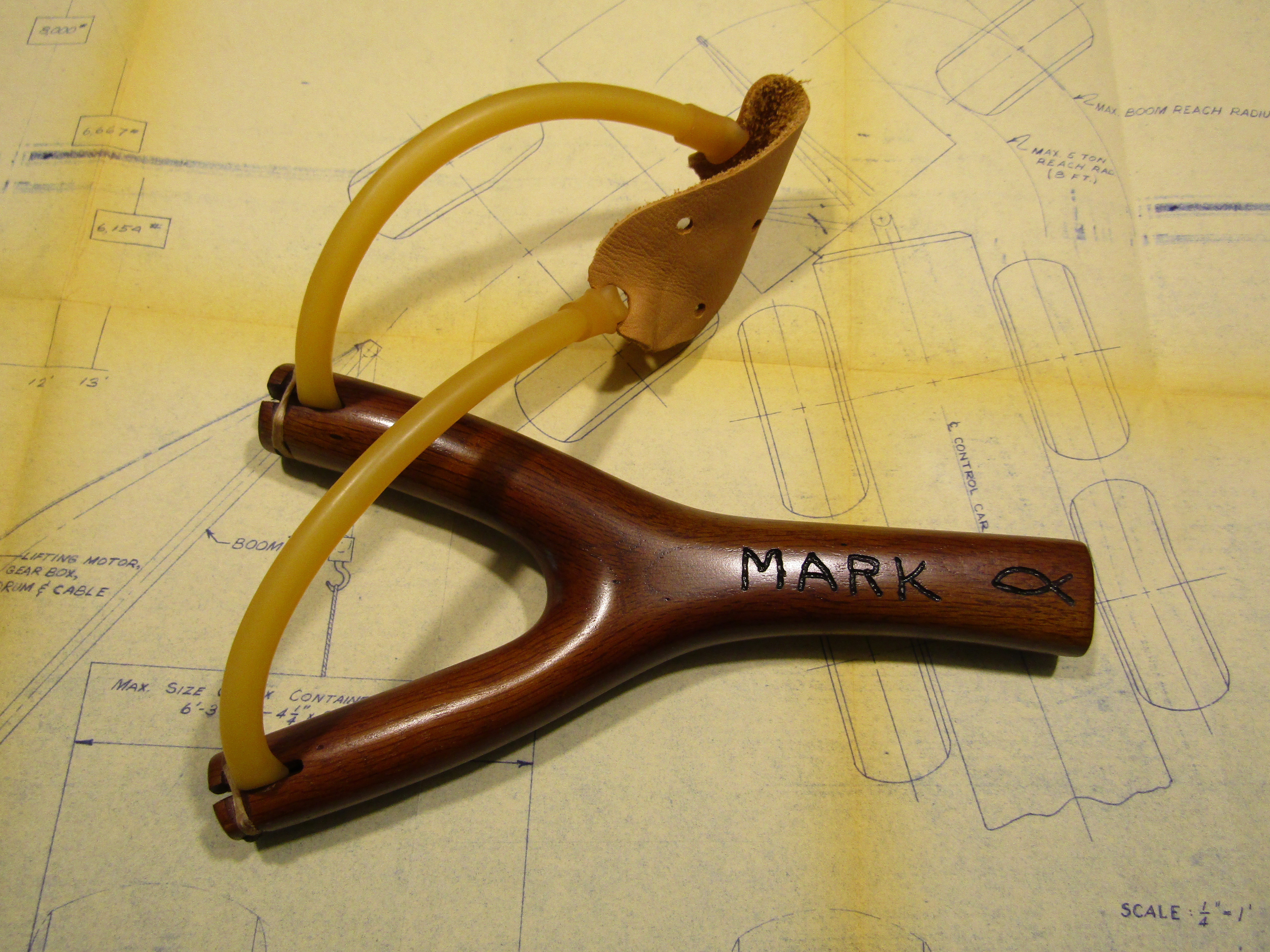
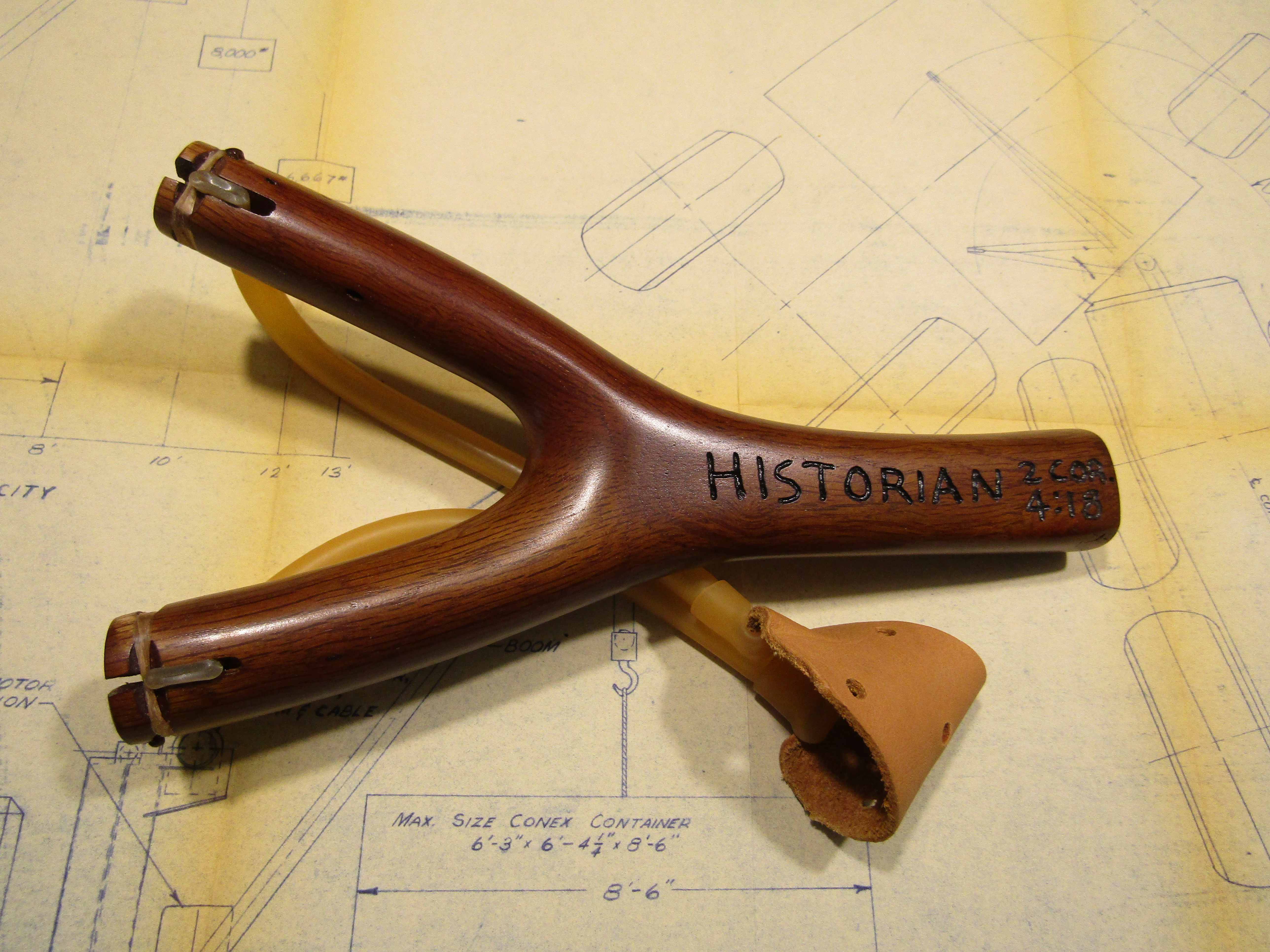
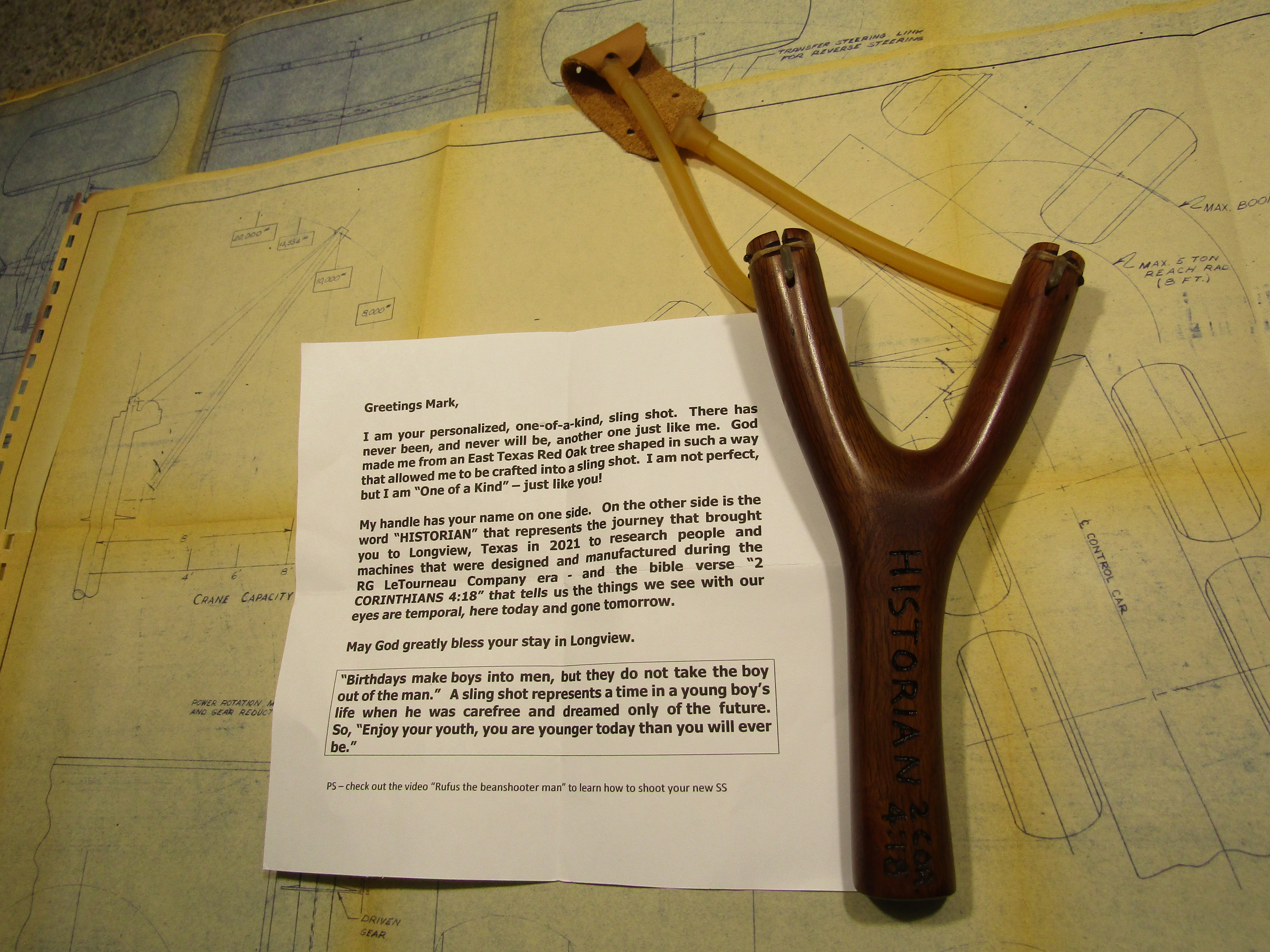
During my trip to Texas last week, I interviewed a man who drafted the suspension components for the Overland Train MkII. The interview lasted only an hour. A couple of days later, we met up with another man who worked on the R.G. LeTourneau, Inc assembly line. During the 2 hour lunch, he gave me a custom slingshot. He makes these custom for each person that he deems worthy of his creations. This is built out of Red Oak and has custom engravings on each side.
One side is engraved with my name “Mark.”
One side is engraved with the word “Historian.”
Each slingshot has a custom message for the owner. This was mine.
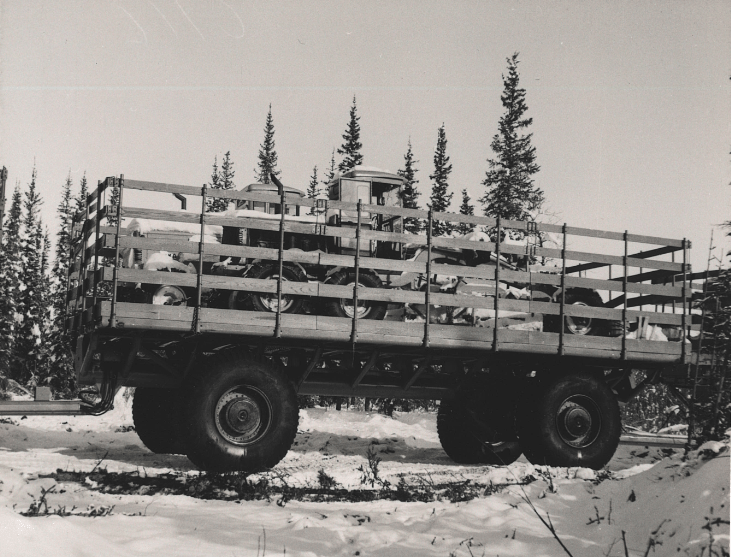
In the image below, the Alaska Freight Lines Sno-Freighter (Model VC-22) carries two scrapers in one of its cargo cars. The image is dated March 01, 1956. This timeframe places the Sno-Freighter during it’s last journey before it jack-knifed and caught fire.
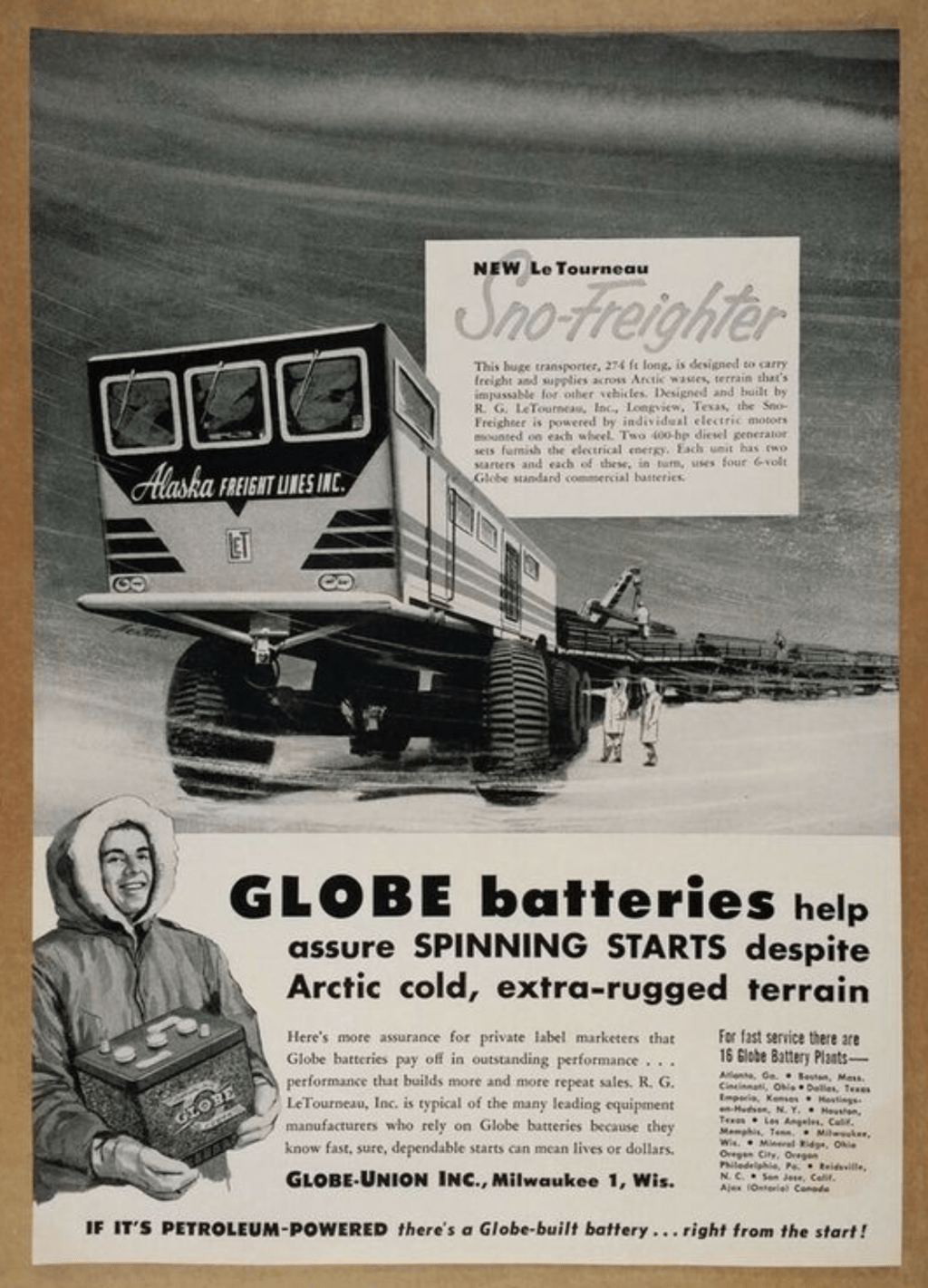
Have you noticed your car, truck, or equipment starts a little slower when it is cold outside? Anyone who lives in or near the Arctic knows that you better have a well maintained battery. When it gets cold, batteries lose efficiency. When the Sno-Freighter came to Alaska to help supply Distant Early Warning (DEW) Line sites, it captured the attention of corporate America. The Sno-Freighter was designed to carry heavy loads through the back country. Companies had the new rugged product comparison that they always wanted.
The advertisement assures performance of Globe-Union Inc. batteries with “…SPINNING STARTS despite the Arctic cold.”
The logs shown in the advertisement above were from the tests at LeTourneau’s Longview, TX facility. Typical cargo for resupplying DEW Line stations were cement, petroleum, oil, and liquids (POL), and a wannigan for housing the men and chef.
Globe-Union Inc. Notes
Globe-Union batteries production started at Tampa Industrial Park in 1958.
In 1970, battery production was up to 400,000 a year
In February of 1982, the Globe-Union factory experienced a gas fire at their factory.
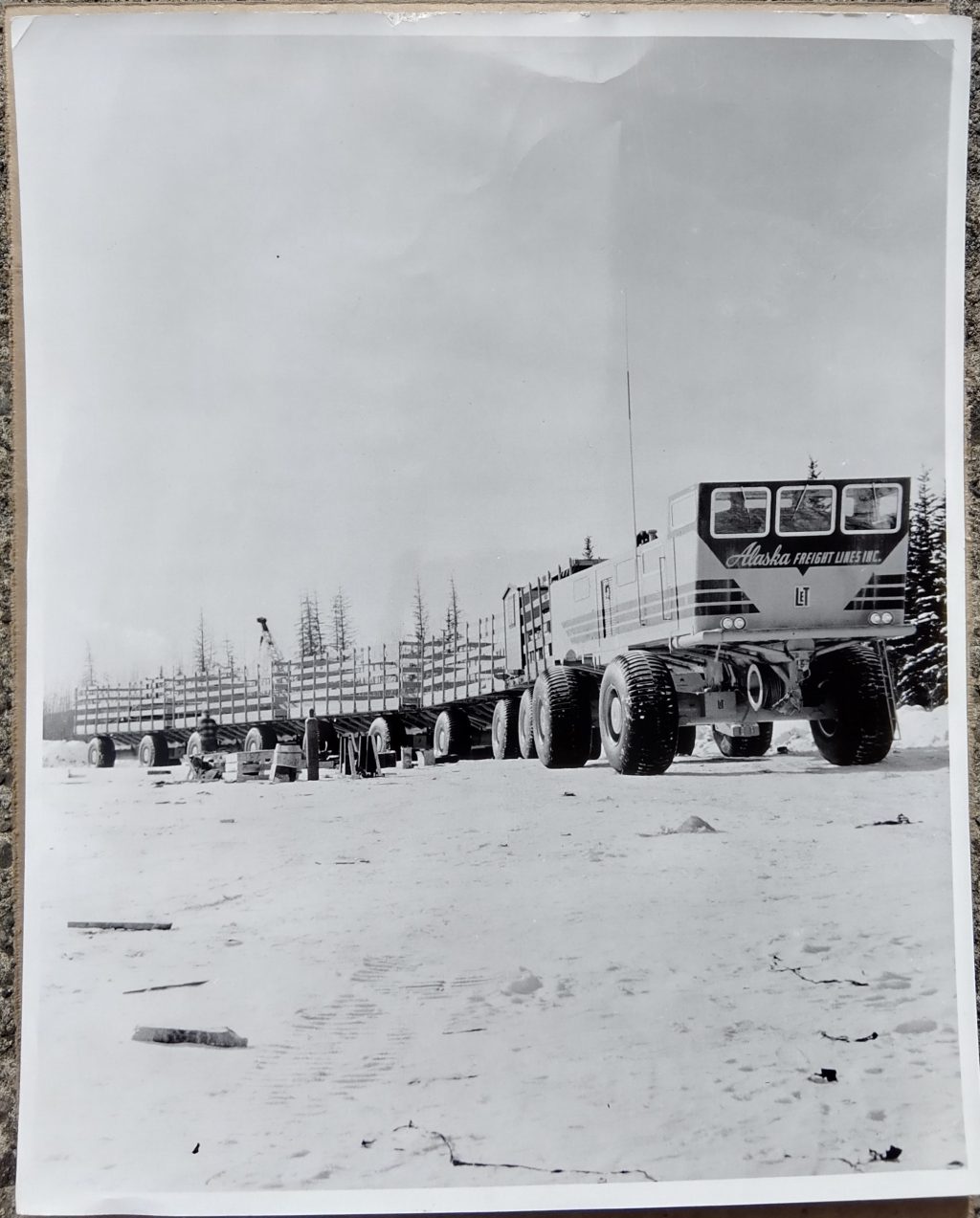
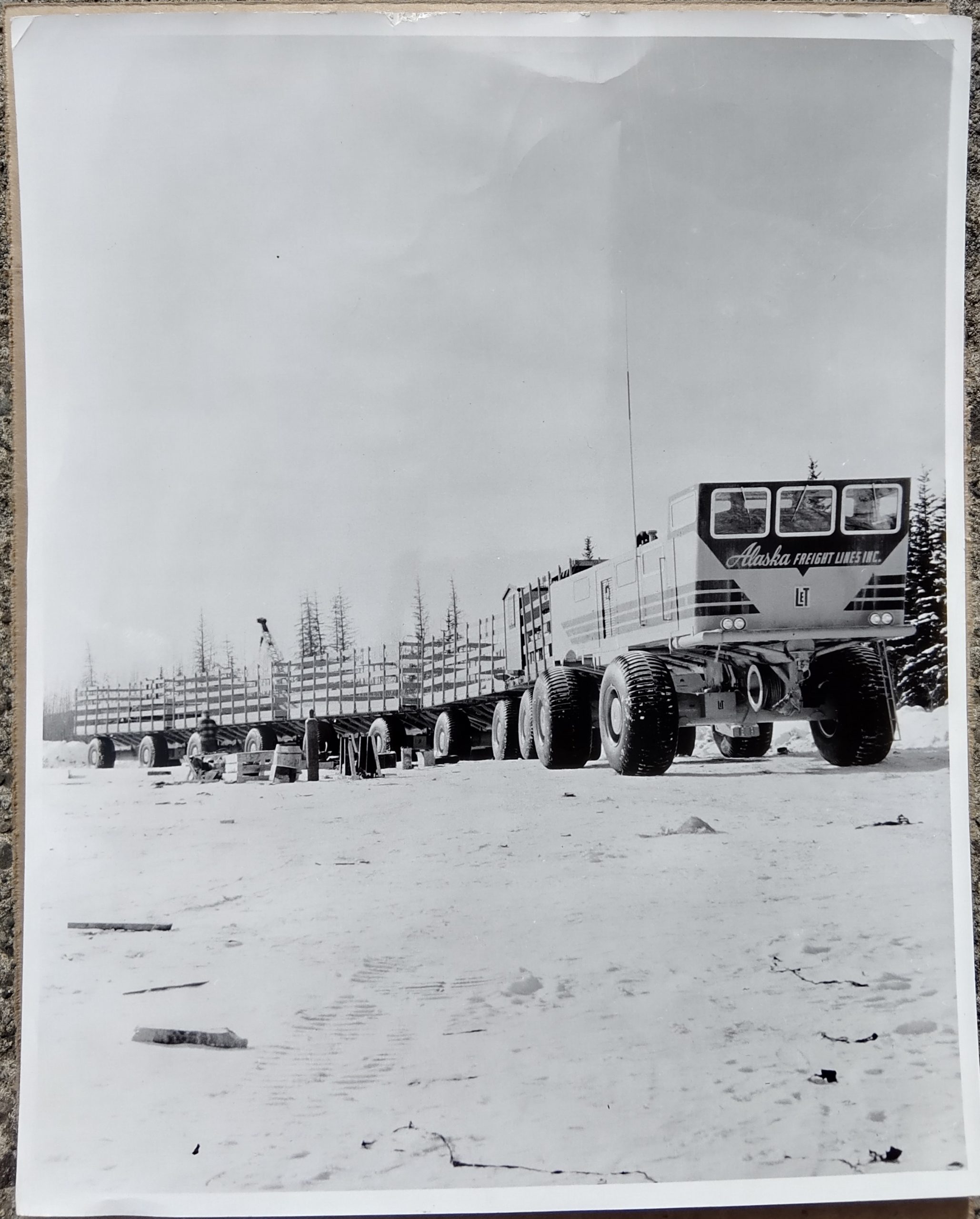
I received an image of the VC-22 Alaska Freight Lines Sno-Freighter Saturday, adding to my collection of historic images. To the left of the third trailer, you can zoom in and see a gas cylinder and an assortment of, what appear to be, wood boxes or crates. On the first trailer, there is a wannagan.
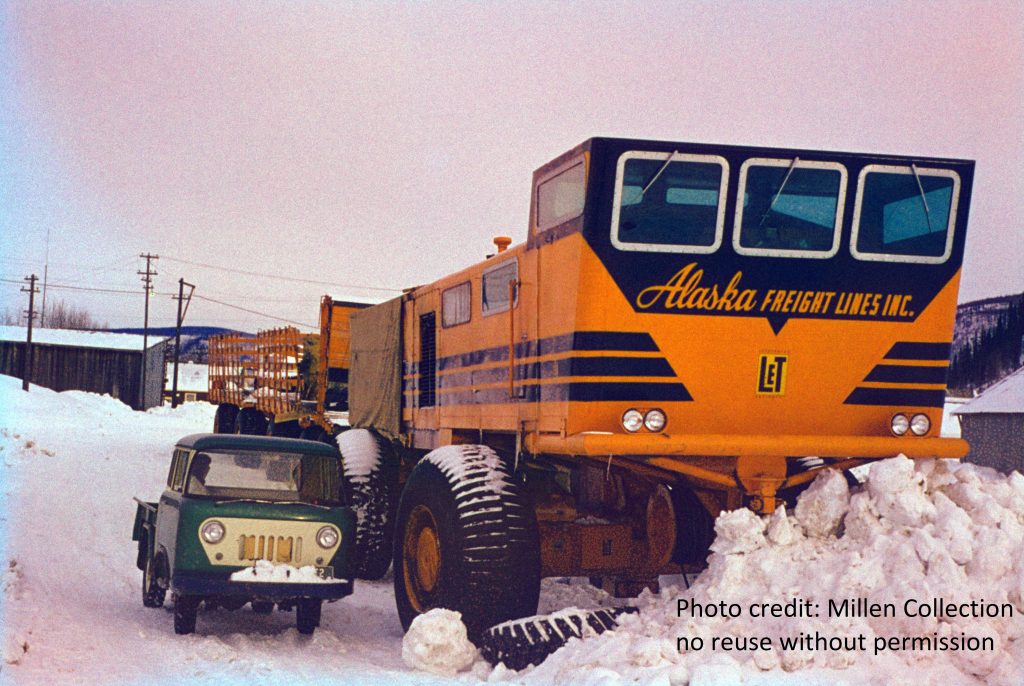
After the Sno-Freighter was recovered, it eventually ended up in Bear Creek, YT. It did not leave until 1965, when it was purchased by a private party. The tan colored tarp show in the image below covers the burnt out engine compartment. The Sno-Freighter now sits outside of Fairbanks, AK as part of the Gold Daughters outside museum tour. The photo below is dated May of 1965.
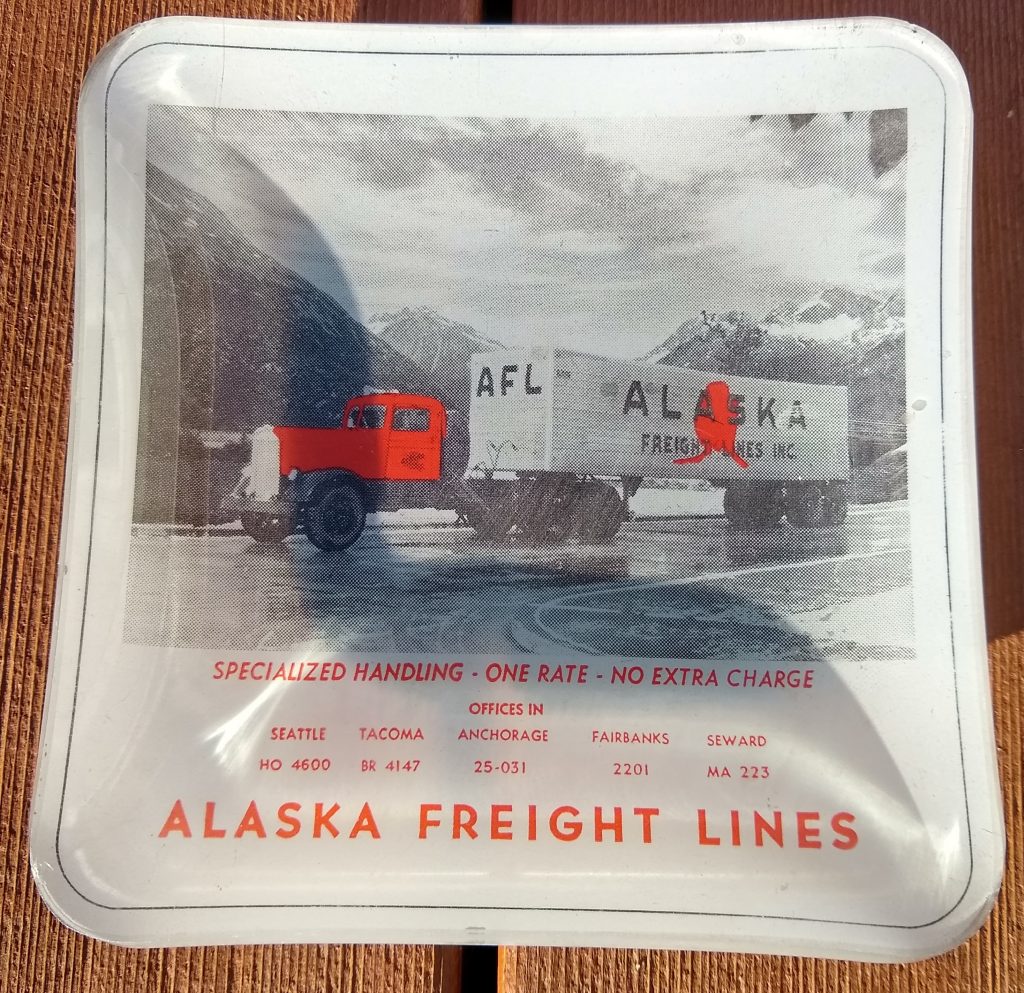
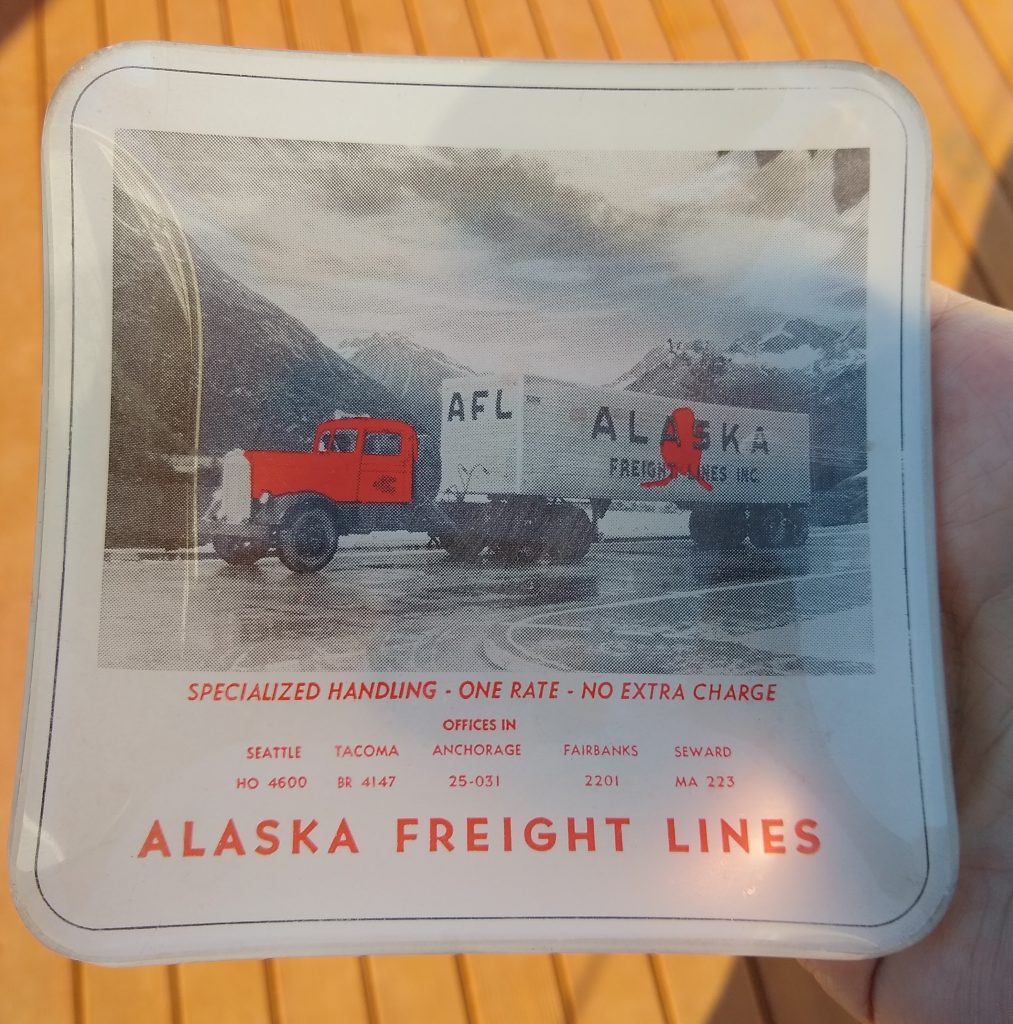
From time to time, I look for complimentary items on eBay and a few other sites. For the most part, I find old images and brochures. This time, I found an Alaska Freight Lines ash tray. It is in fantastic shape. The colors are still vibrant too. Enjoy!
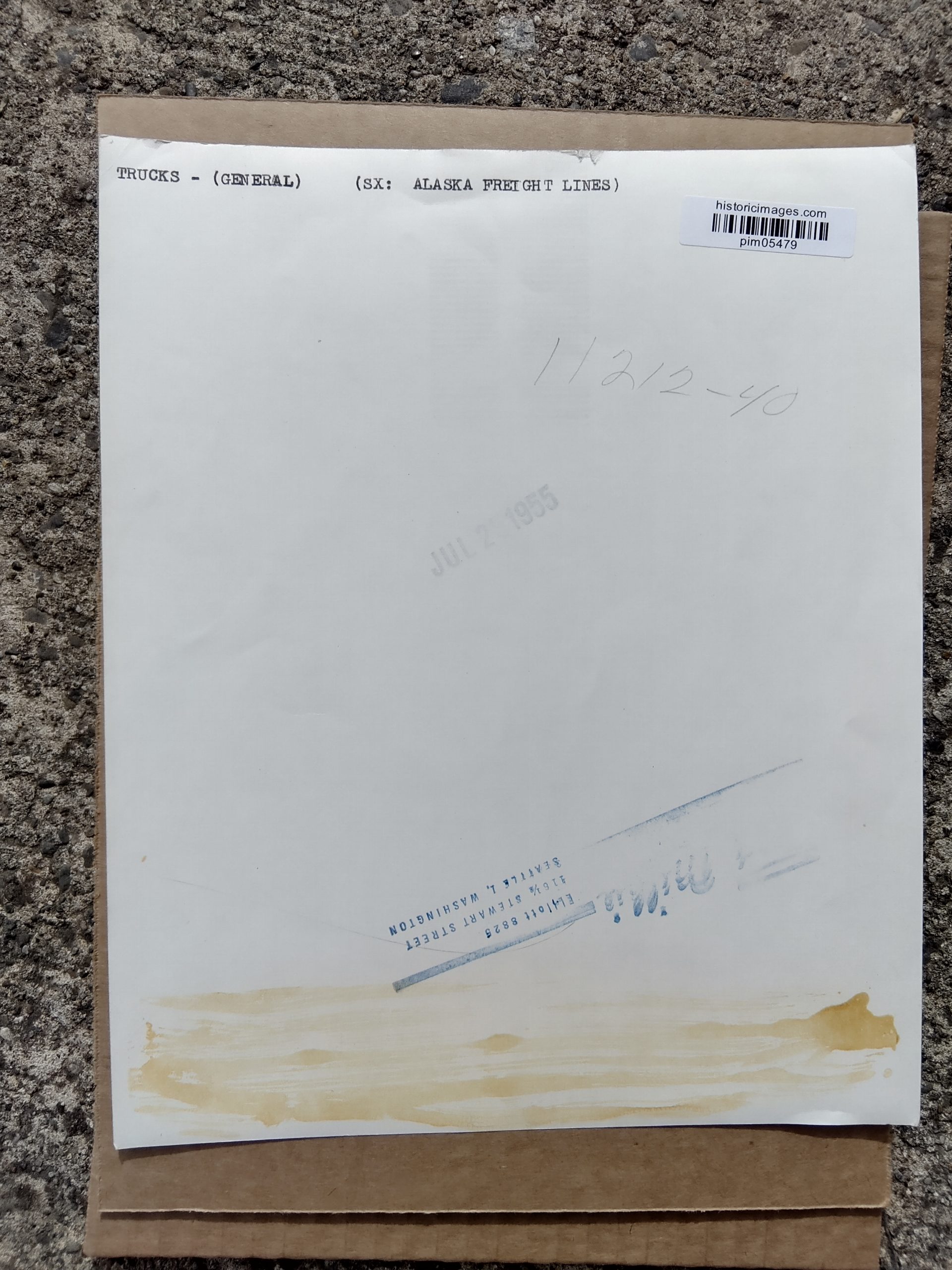
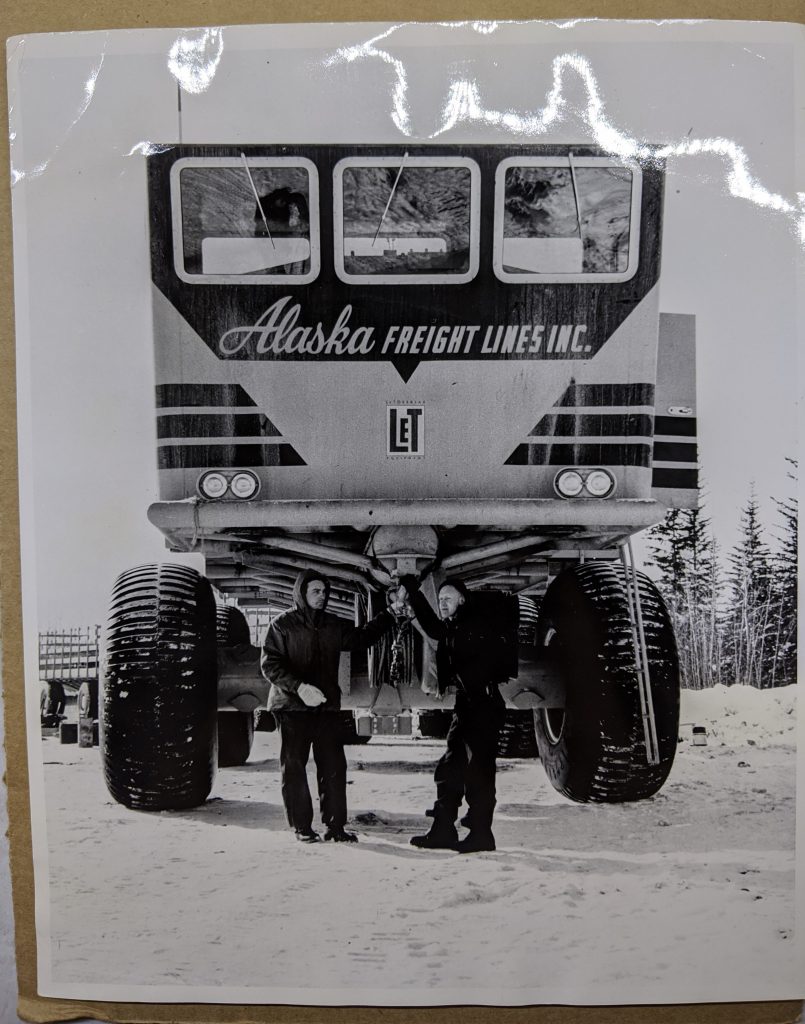
Coots and Historic Images are two online and historic photograph sources that I use to find these amazing relic photos. When you order their images, you receive tangible photos, oftentimes with some sort of metadata on the reverse. This particular image of the Sno-Freighter was dated July 25, 1955. At this time, the Sno-Freighter should be located at the mouth of the Blow River for the winter. It wasn’t until November of 1955, that it was retrieved and the catastrophic accident occurred.
VC-22 Sno-Freighter photograph dated July 25, 1955.