Category: TC-497 Overland Train

  • Building Strong Relationships Helps Retain our History

    Building Strong Relationships Helps Retain our History

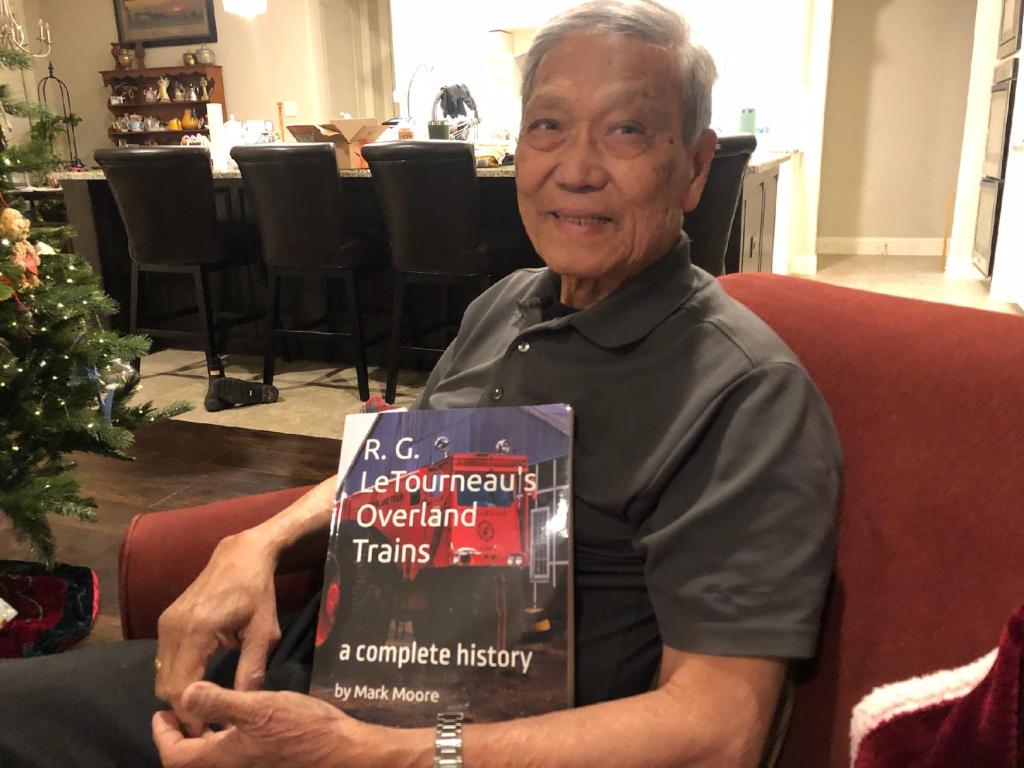
    One of the best parts of researching, writing, and publishing the Overland Trains book was building relationships. I am grateful to the two dozen plus individuals that let me into their lives and family’s lives to write these stories. Christmas Eve rolled around and I received a text from Timmy Vessakosol with the following picture.
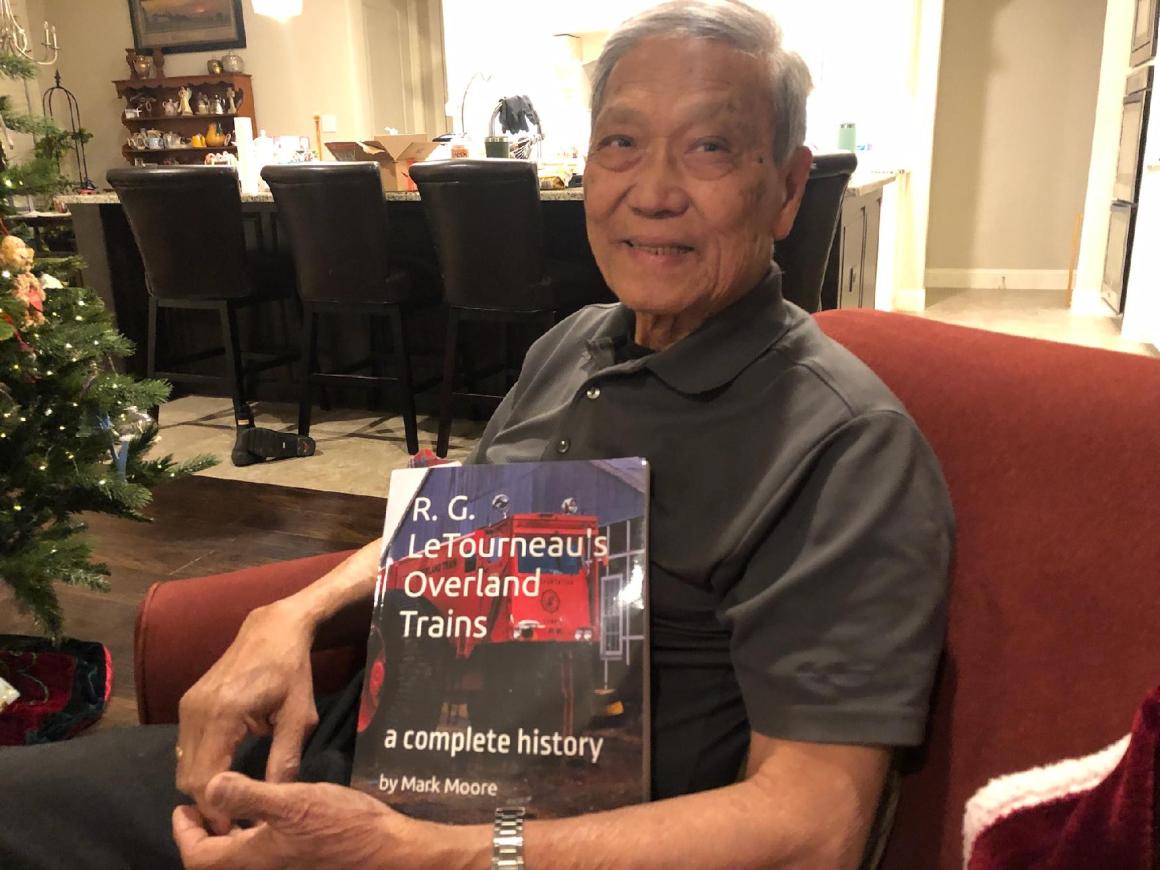
    Vic Vessakosol, Christmas Eve, 2022

    Virothai “Vic” Vessakosol is featured in the TC-497 chapter, beginning on page 255. Vic’s story with the Overland Trains begins in 1960, when he came to the United States from Thailand. He attended LeTourneau College in 1961 and worked the Alterday Program in the Publications Department. His family developed a relationship with LeTourneau company artist H. D. “Red” Reynolds and went on to represent R. G. LeTourneau, Inc. at the Royal Mining Show in 1966.
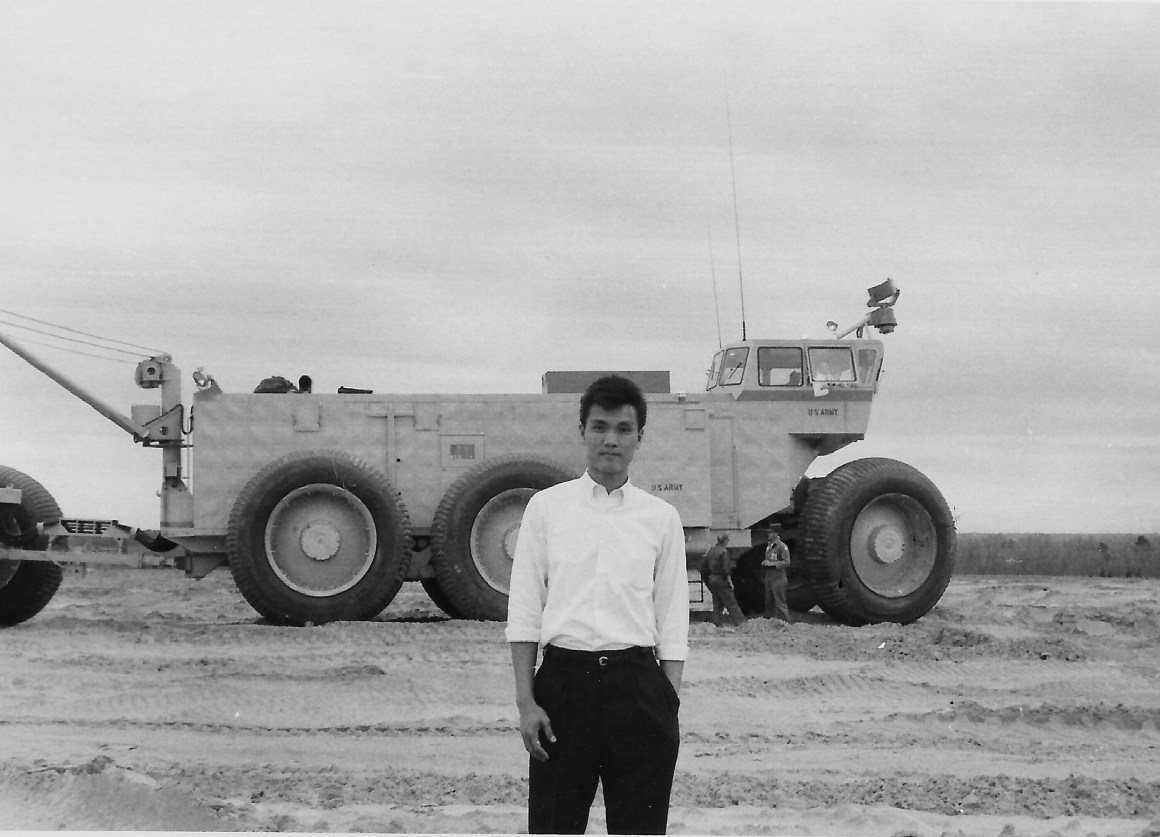
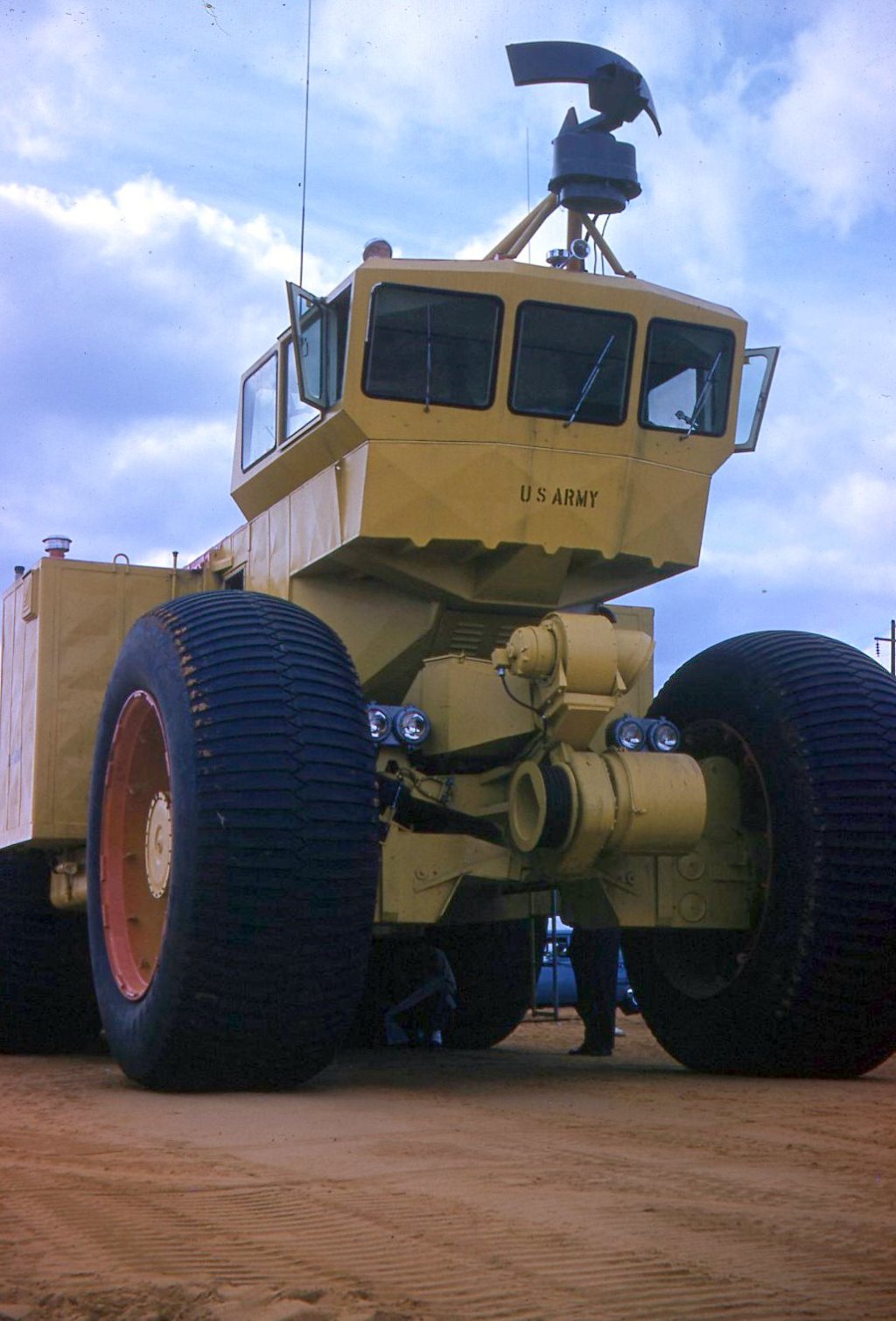
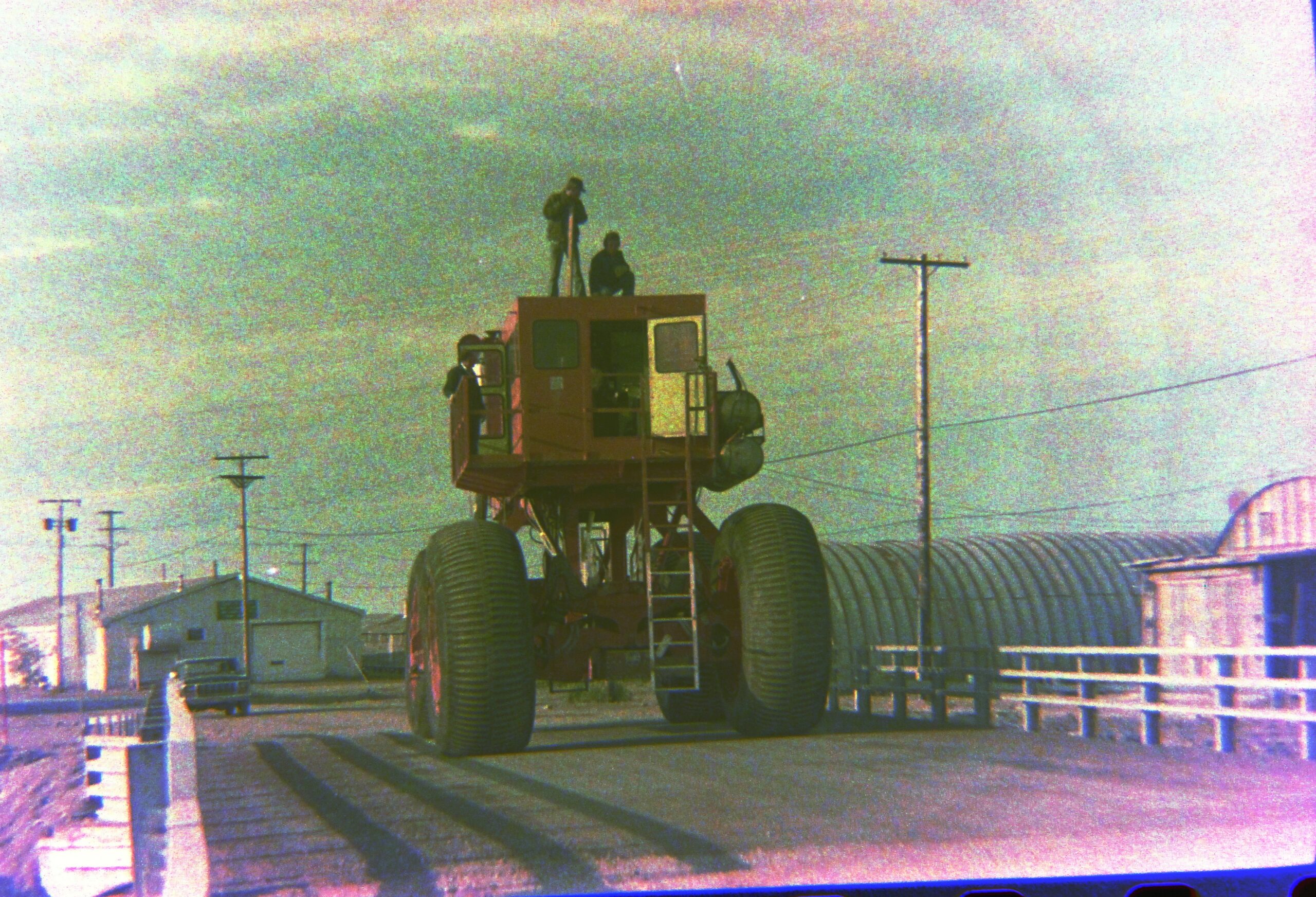
    “Vic” Vessakosol in 1960-1961 in front of the TC-497

    If Vic’s son had not reached out two years ago to tell his dad’s story, it is likely that I would be writing this today.
  • Original TC-497 Manuals Saved from the Garbage

    Original TC-497 Manuals Saved from the Garbage

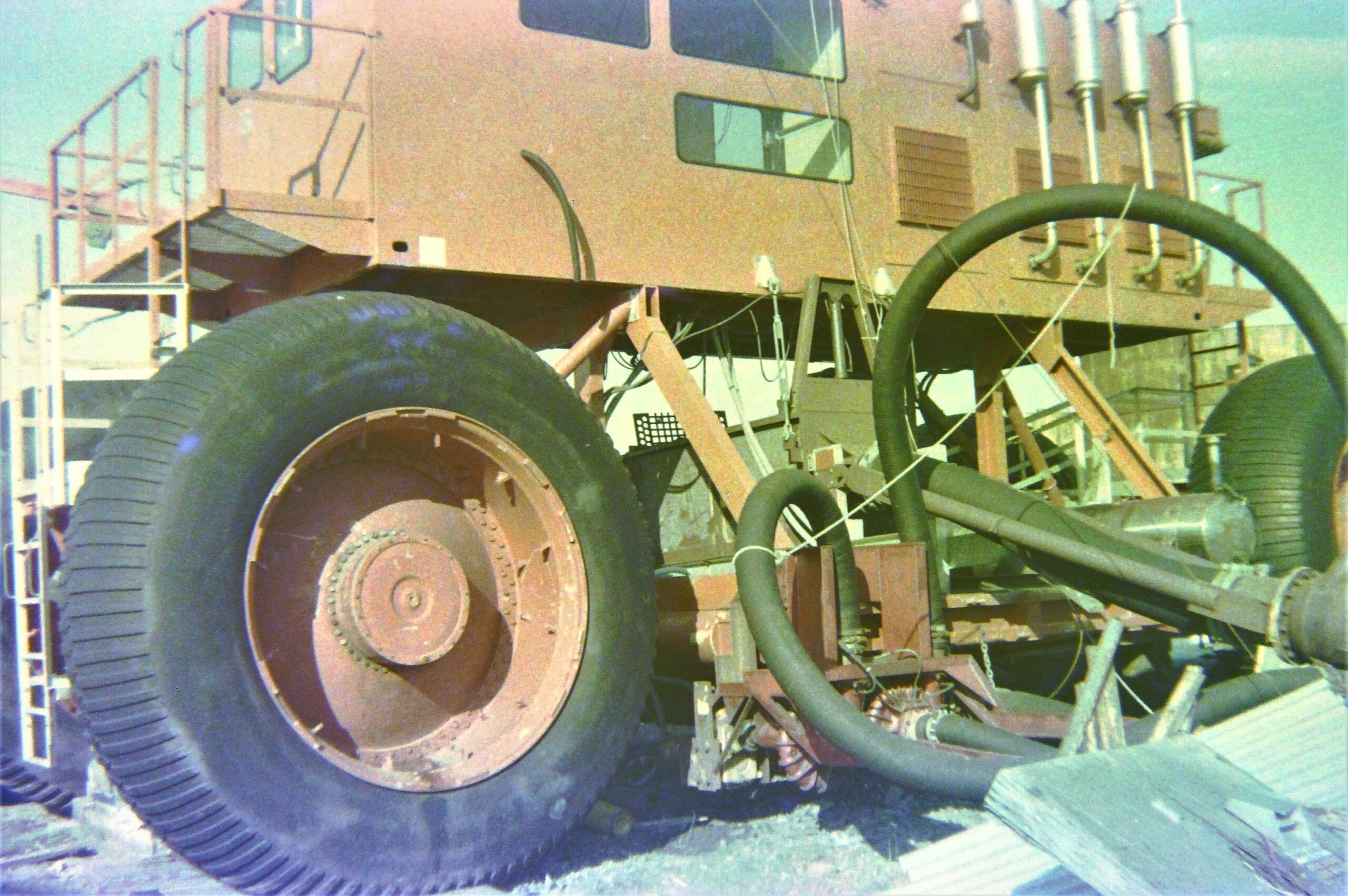
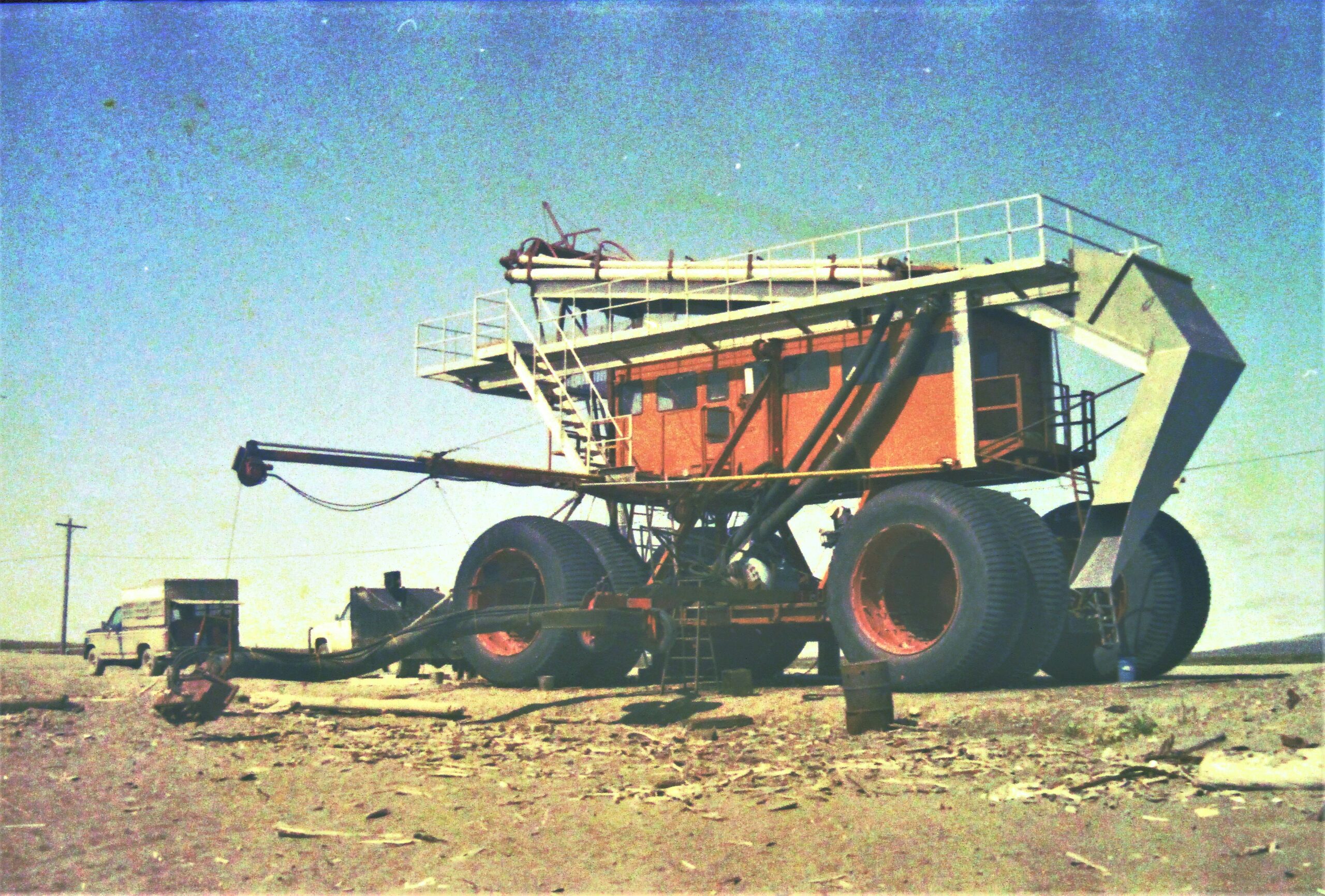
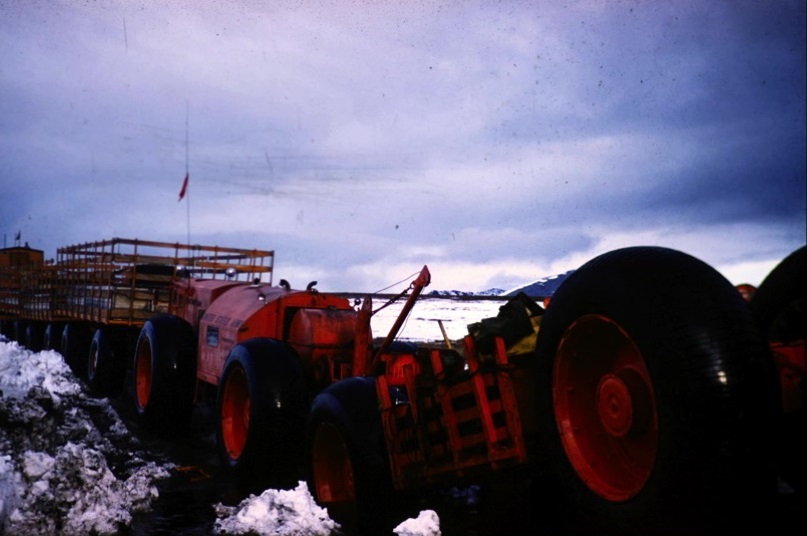
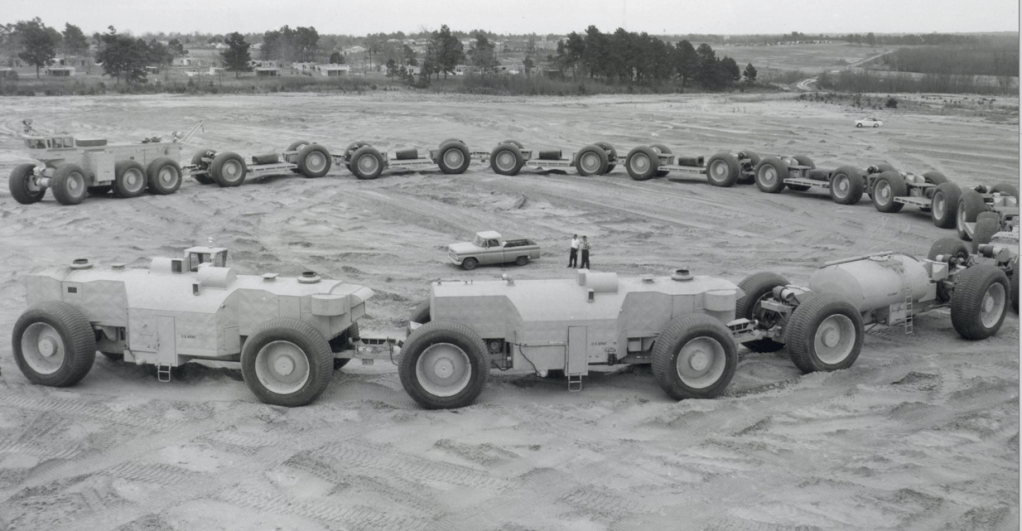
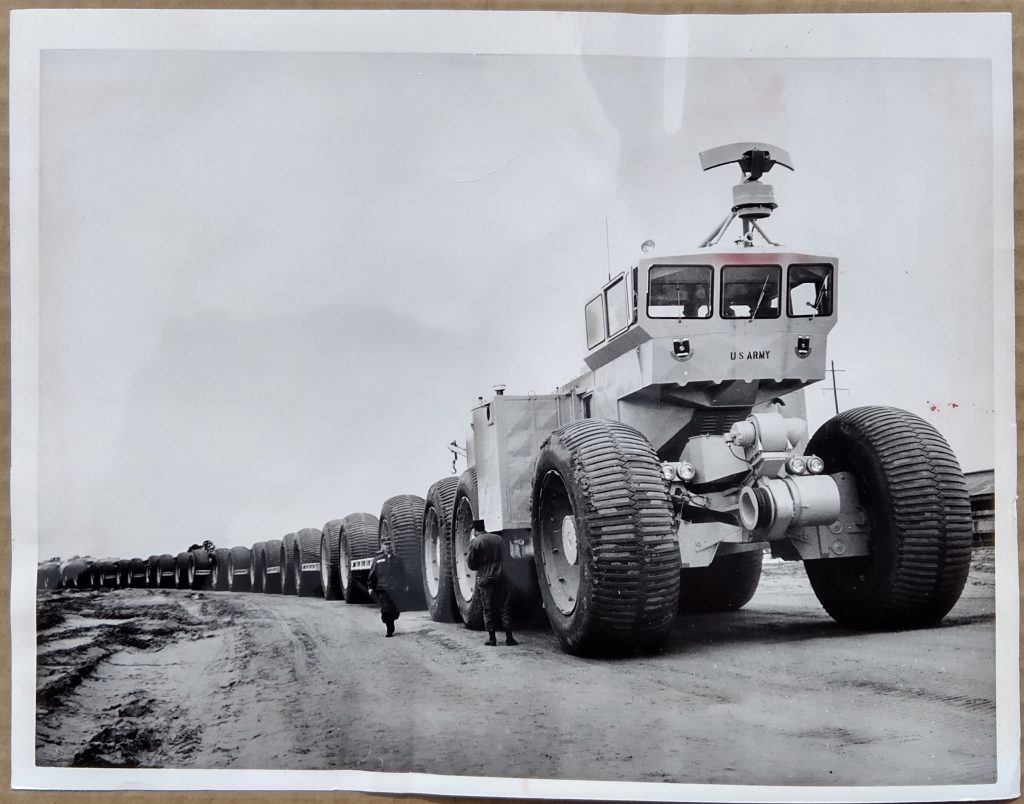
    When the Army sold the TC-497 for surplus, it ended up making its way to a local surplus and salvage yard – Jet Sales Company. The two power cars were cut up and sold as scrap, while the trailers were sold and sent to Nome, AK for a special dredging machine called Gold Digger. The story around Gold Digger is extensive in my book if you want to learn more. However, the Control Car, or the primary driver car, was saved.

    TC-497 with trailers

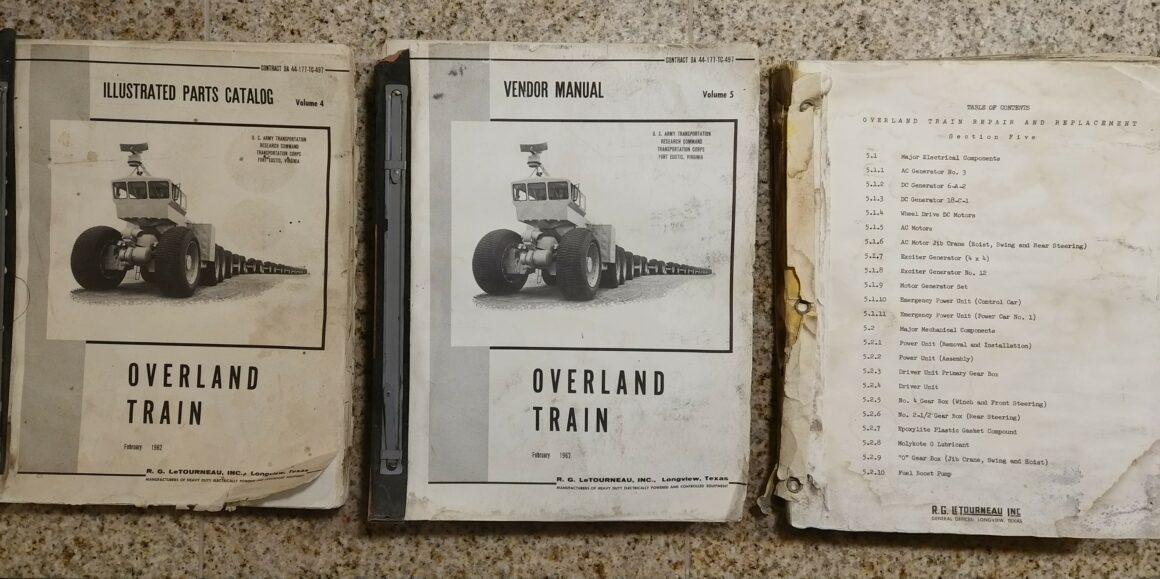
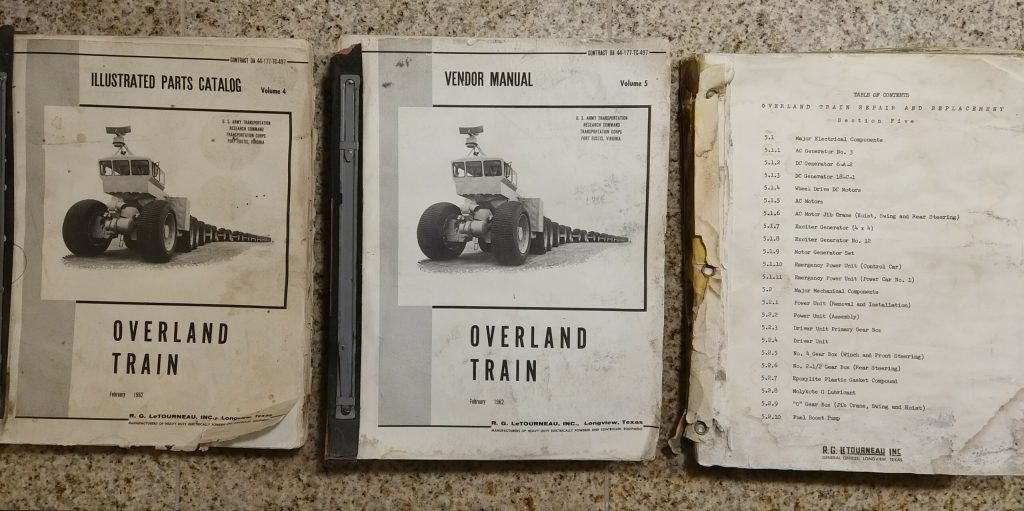
    The Control Car remained at Jet Sales Company until it was purchased by the Yuma Heritage Center for preservation. When the TC-497 was sold, a 3′ wide, 5′ tall cabinet held a variety of original manuals that were included in the Overland Train. Fortunately, we were able to save these manuals. The outside covers are in pretty bad shape, but the interior pages are near mint! Thank you Jensen.

    Three manuals
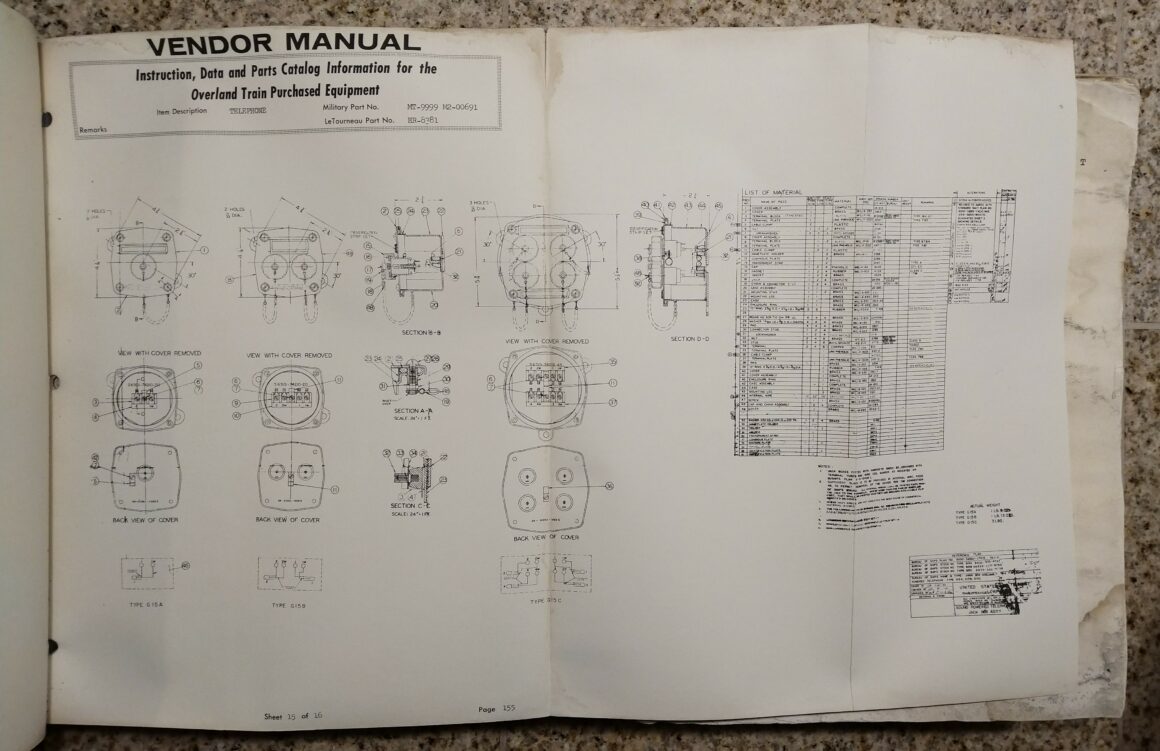
    Page showing the TC-497 phone connectors
  • Received LeTourneau NOW Newsletters 1953-1966

    Received LeTourneau NOW Newsletters 1953-1966

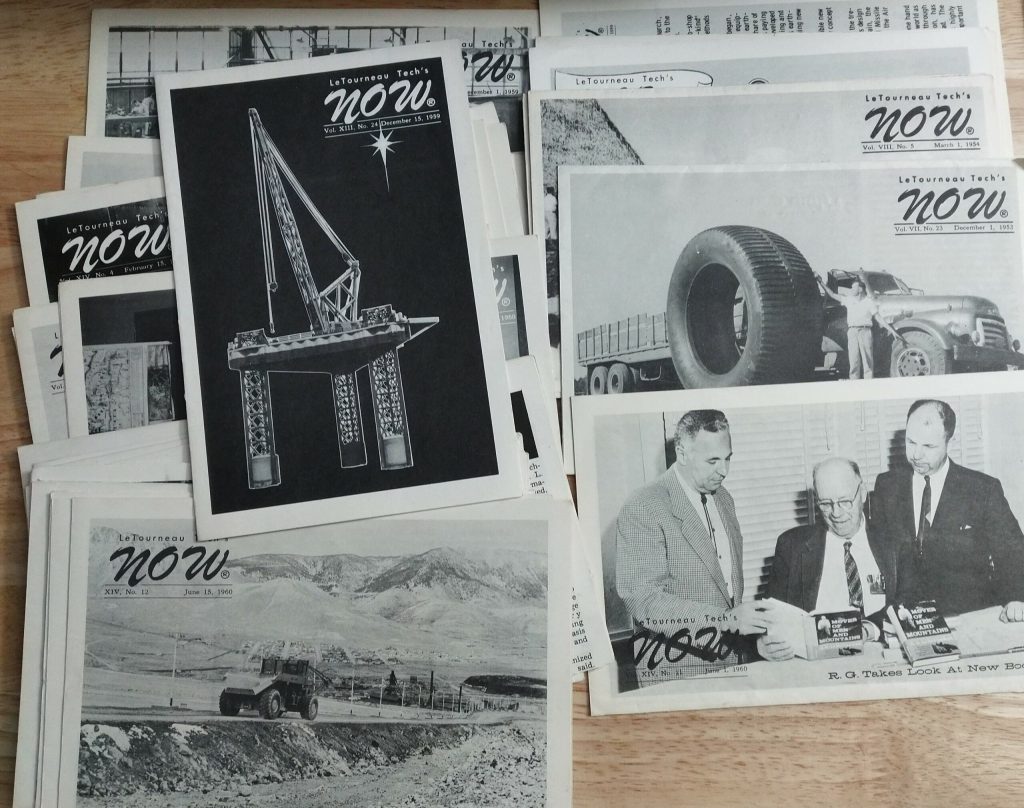
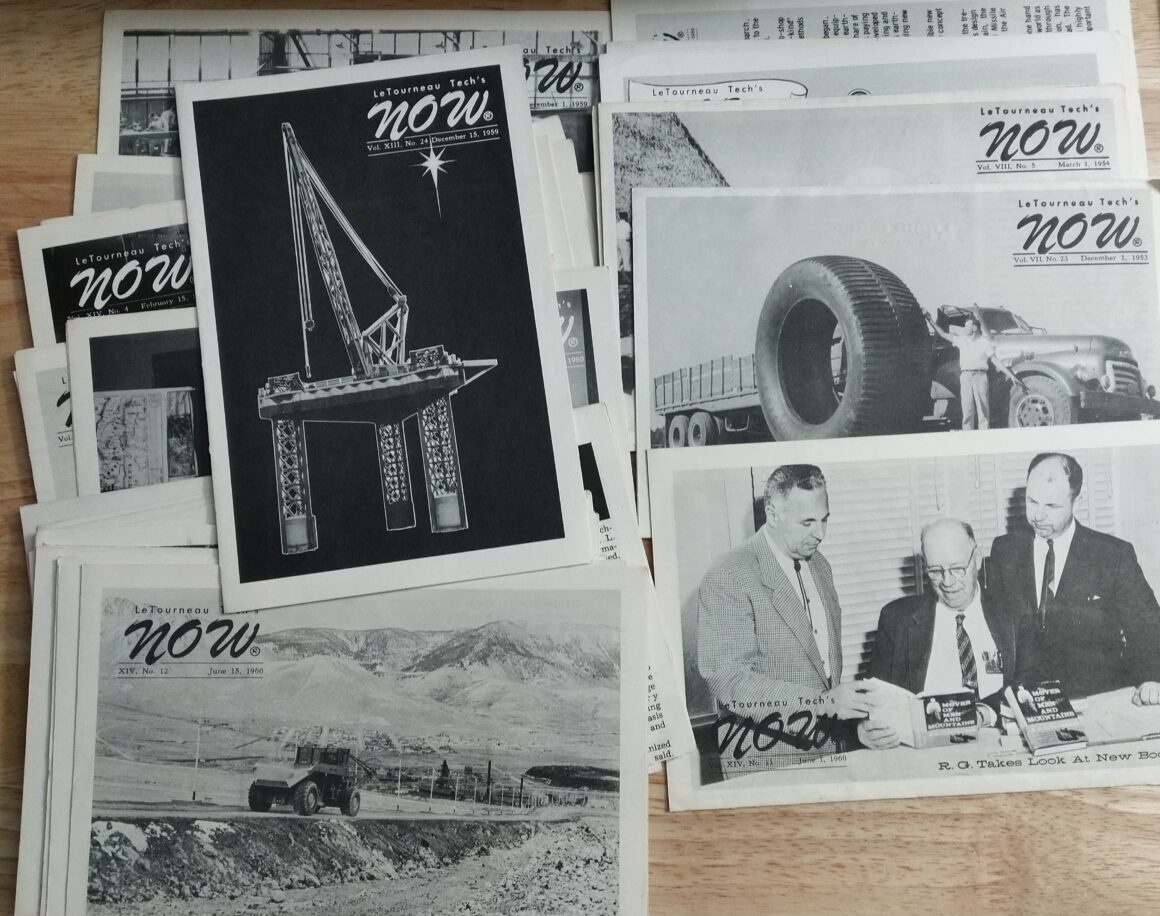
    I received a cache of gently read LeTourneau NOW newsletters in the mail yesterday. These company newsletters were published by R. G. LeTourneau. Inc. and mailed to whomever wanted to read it free of cost. The date range for these newsletters closely aligns with the Overland Trains development, including the Firestone 120x48x68 tires. I have scanned the December 1, 1953 issue and embedded it if you would like to read or download the issue.

  • TC-497 Operator’s Station: Then and Now

    TC-497 Operator’s Station: Then and Now

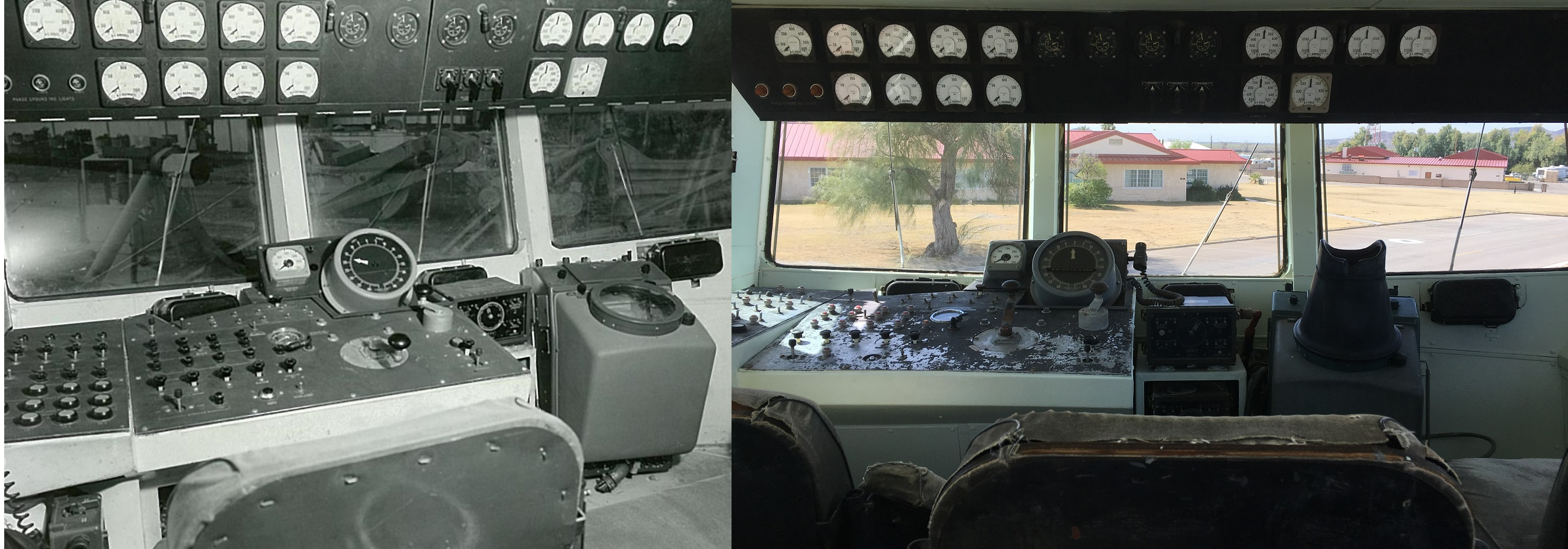
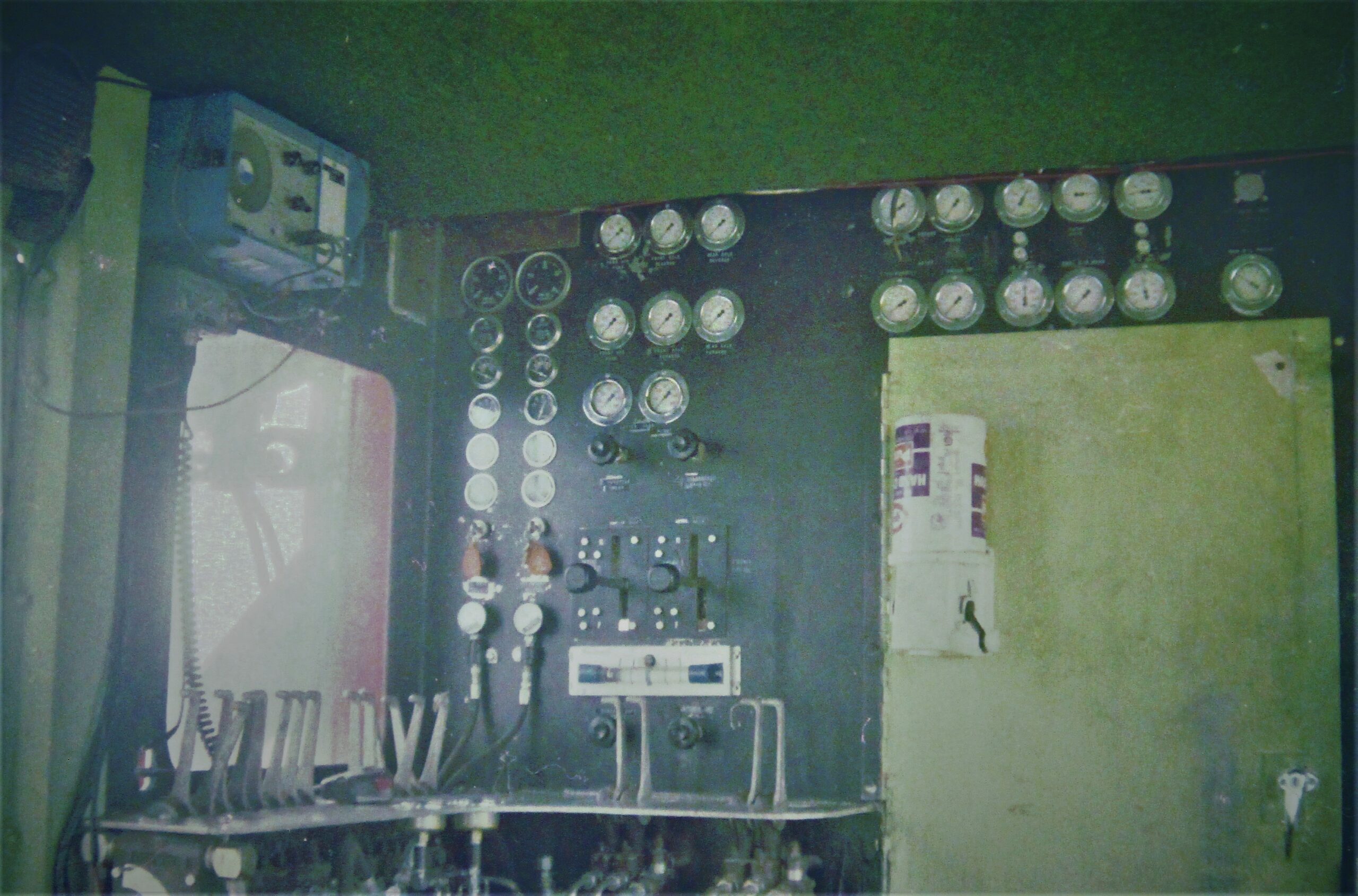
    Aside from a little paint and some wear and tear, I would say that the Operator’s seat and controls on the TC-497 have weathered well over the last 60 years. The left half of the image shows the Operator’s area while in LeTourneau’s Longview, TX factory. If you look closely, through the windows, you can see various components on the factory floor. The image on the right was captured around 2019 during a period of restoration, led by Mark Sandercock and others.

    The tc-497’s Operator’s station: Image (left) shows the TC-497 interior while in the Longview Factory, Courtesy R. G. LeTOurneau Museum & archives at LeTourneau university; image (right) shows the same view after restoration at the yuma proving ground heritage center, courtesy of mark sandercock, US Army RET.
  • Is there a TC-497 Radio Sets Discrepancy?

    Is there a TC-497 Radio Sets Discrepancy?

    I appreciate it when folks get ahold of me and point out issues, inconsistencies, or flat out errors in my published works, both my book and this website. It gives me the opportunity to make corrections or further explain something.

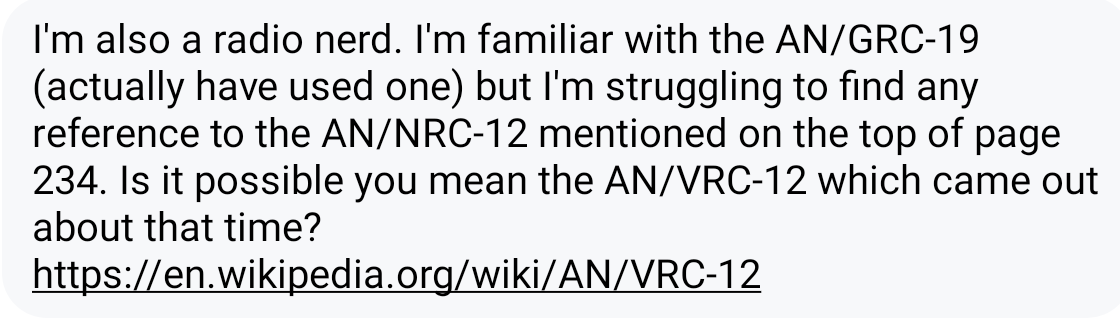
    In this case, a man name “Bob” wrote to me and said…

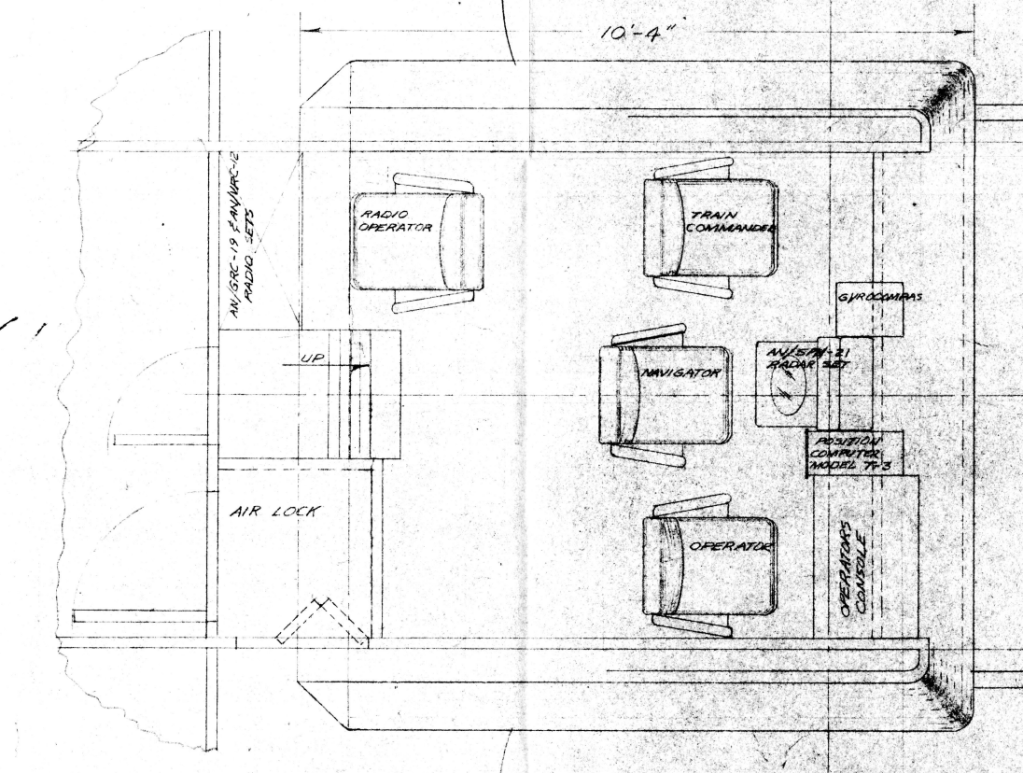
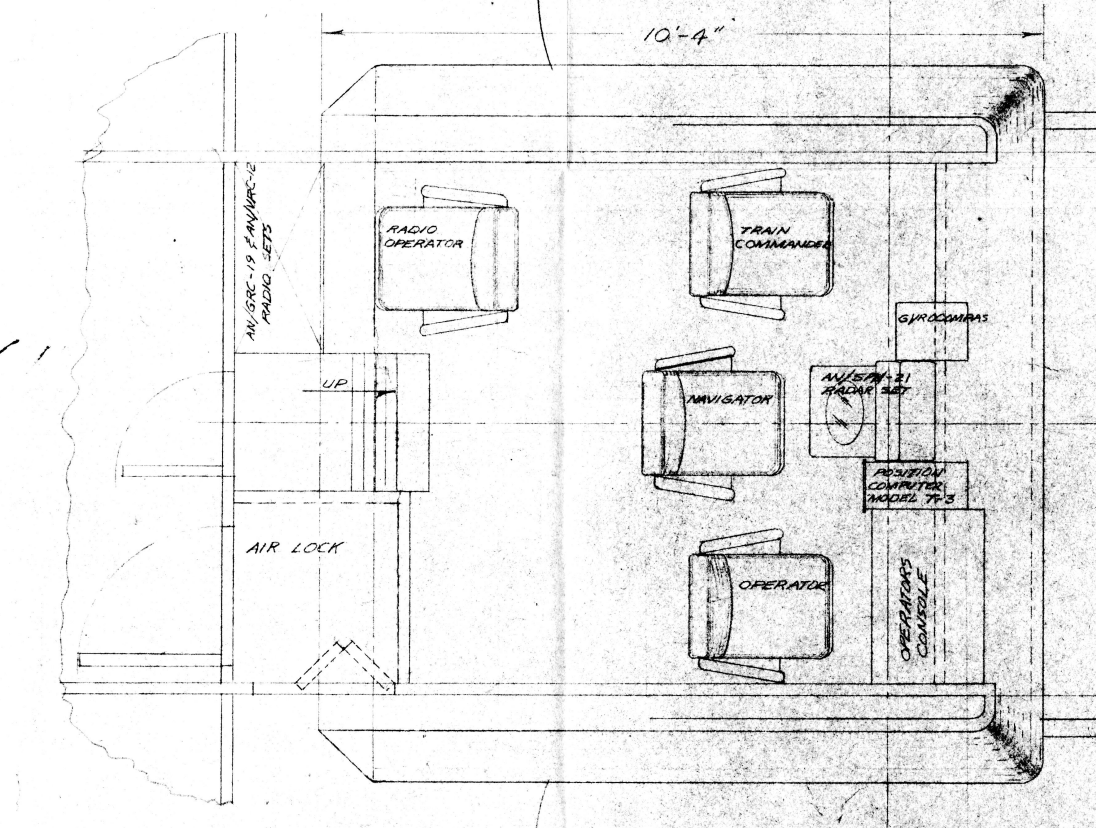
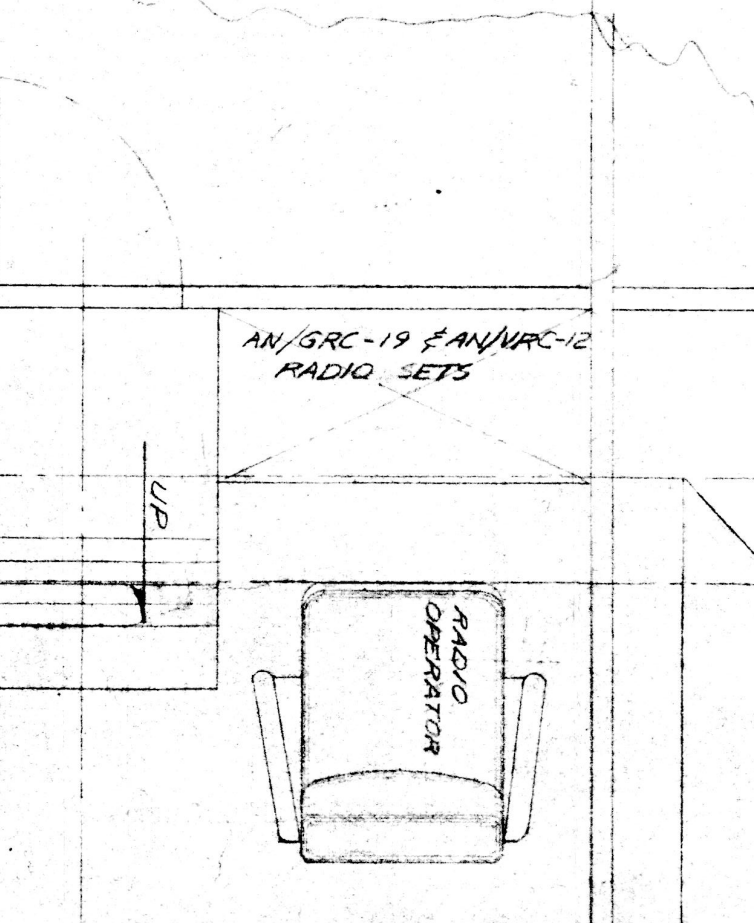
    I looked back at the documentation for the TC-497, Phase 4 booklet and found the reference for the AN/VRC-12 radio set. Sure enough, the radio set is noted as the AN/VRC-12. In my book, I incorrectly wrote it was the AN/NRC-12.I searched my documentation and the internet for references to this radio set, which did not come out until 1965. The Phase 4 booklet would not have come out until 1961.

    In this case, I made a mistake in the book for the radio sets model number as seen here in the documentation. Thank you for pointing this out Bob!

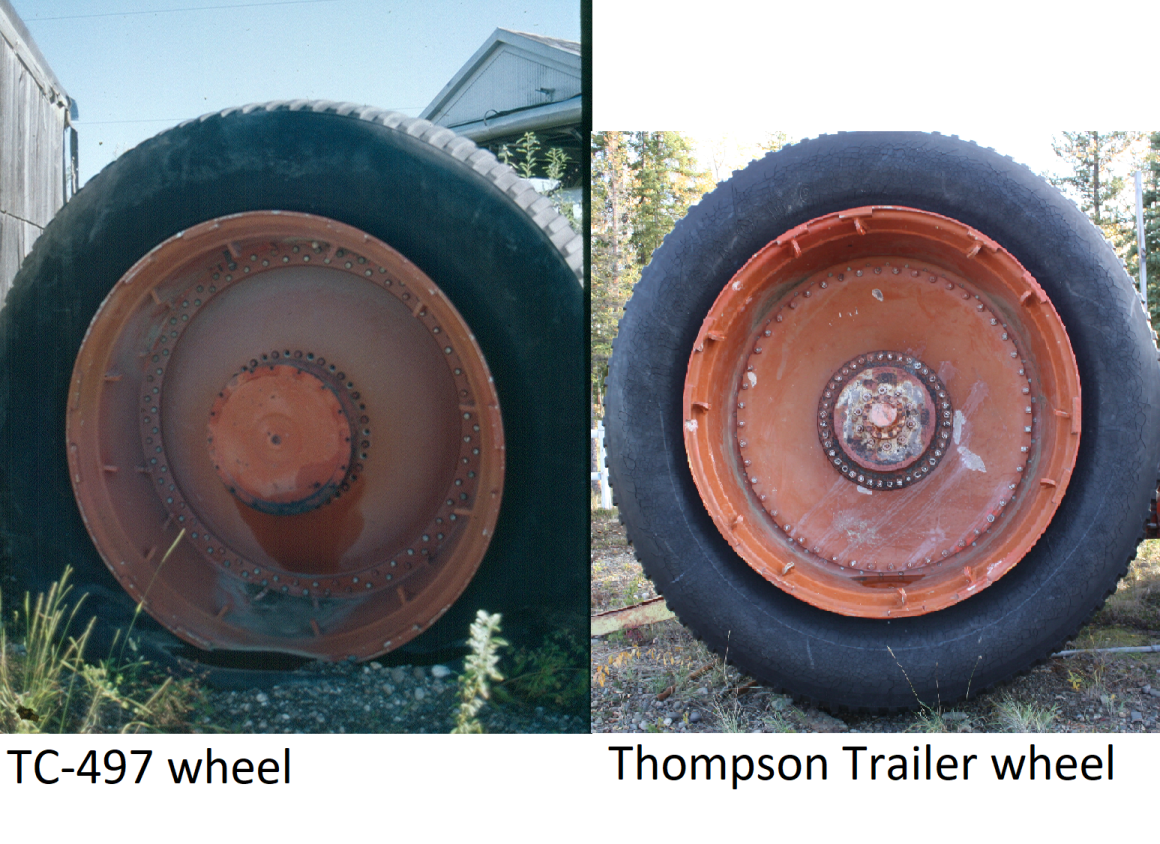
  • How to Tell the Difference Between  Thompson Trailer and TC-497 Wheels

    How to Tell the Difference Between Thompson Trailer and TC-497 Wheels

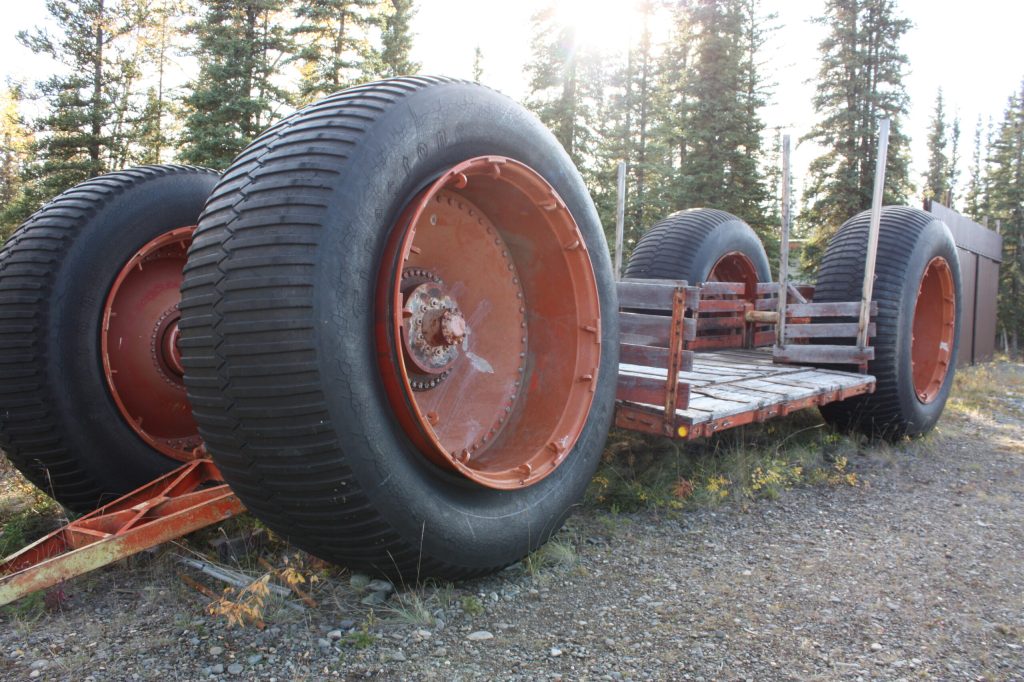
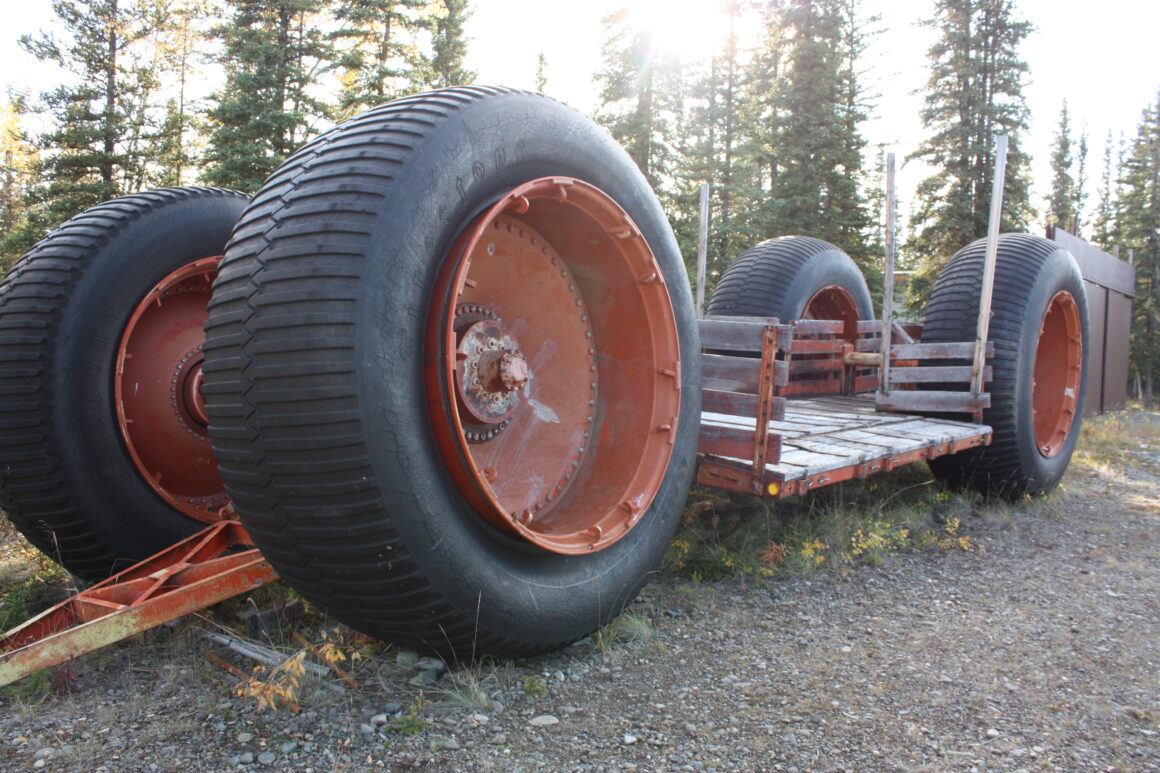
    Thompson Trailers were unpowered trailers used from 1959 to around 1968. The trailers were towed by the Sno-Train, D8/D9 CATs, and other equipment; they had a load rating of 10-tons. The wheels were built by LeTourneau and 120x48x68 tires by Firestone.

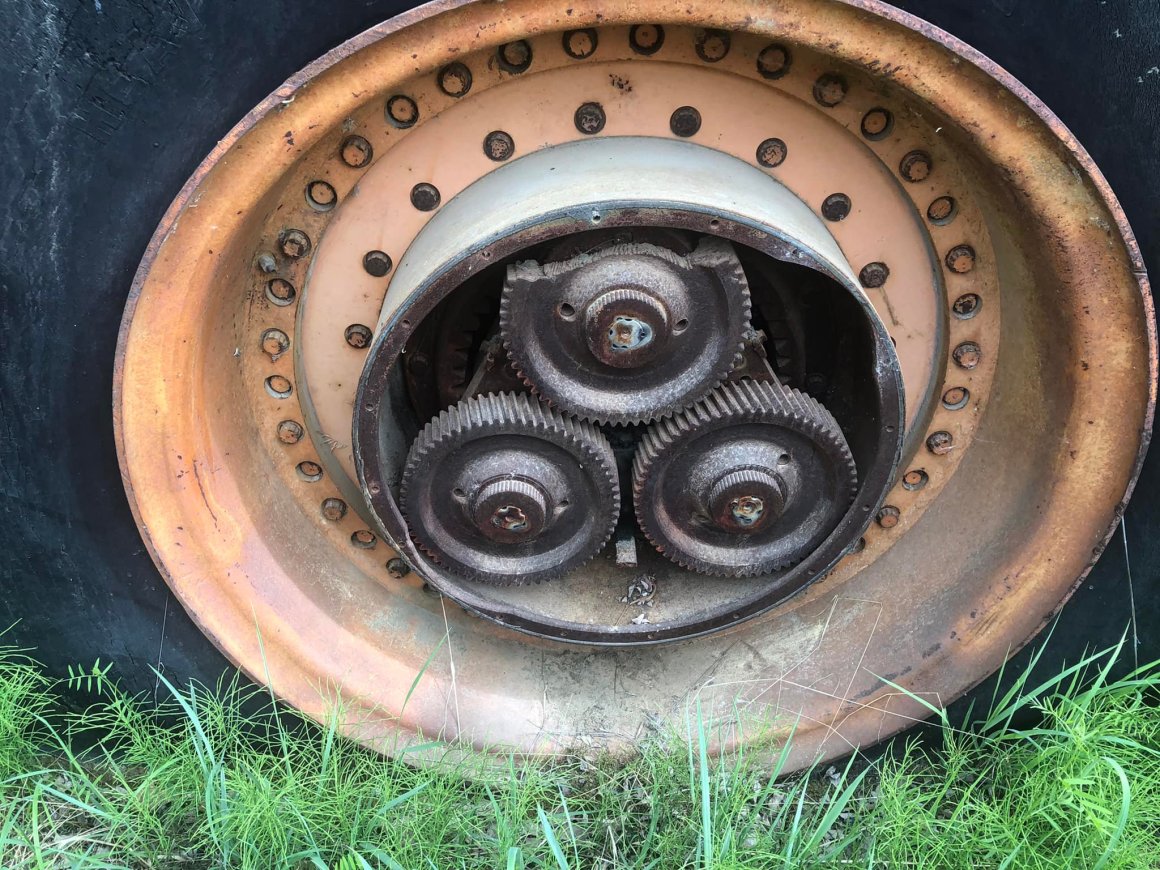
    The most significant differentiator between the Thompson Trailer and Overland Train wheels are found in the center of the wheel. The Overland Trains used LeTourneau’s Electric Drive, which used his Tornatorque motor, drivers (gears), and other components. The large circular cap on the Overland Train wheels contains the driver, or gear reduction.

    Alaska Freight Lines Sno-Freighter driver. Image courtesy Tim Musgrove

    The Thompson Trailer wheels used a large metal cap and nipple.

    comparison between the TC-497 wheel and the thompson trailer wheel

    There were numerous historical events that caused a mix and match between the Sno-Train, TC-497, and Thompson Trailers. That history are found in detail in my book. For example, if you visit the Sno-Train at the Yukon Transportation Museum in Whitehorse, YT, you will see rims from the Sno-Train and Thompson Trailers.

    There are other differences in the two wheel styles above. Can you find them?

    Thompson Trailer CT10 at the entrance of Mukluk Land; image courtesy Robert Danzi
  • Gold Digger Driving through Nome, AK

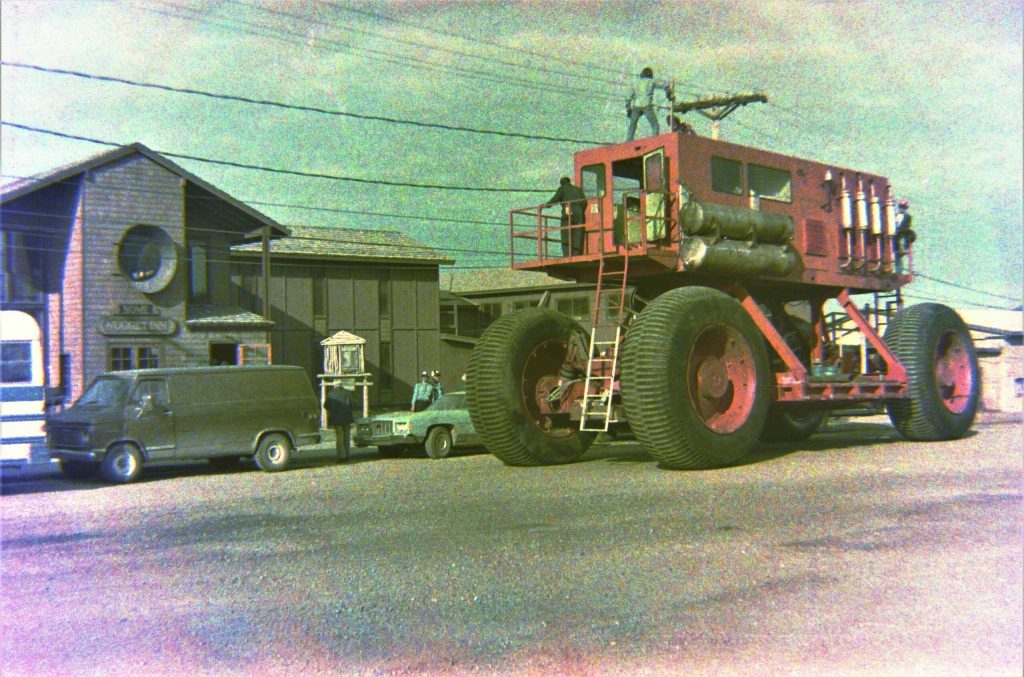
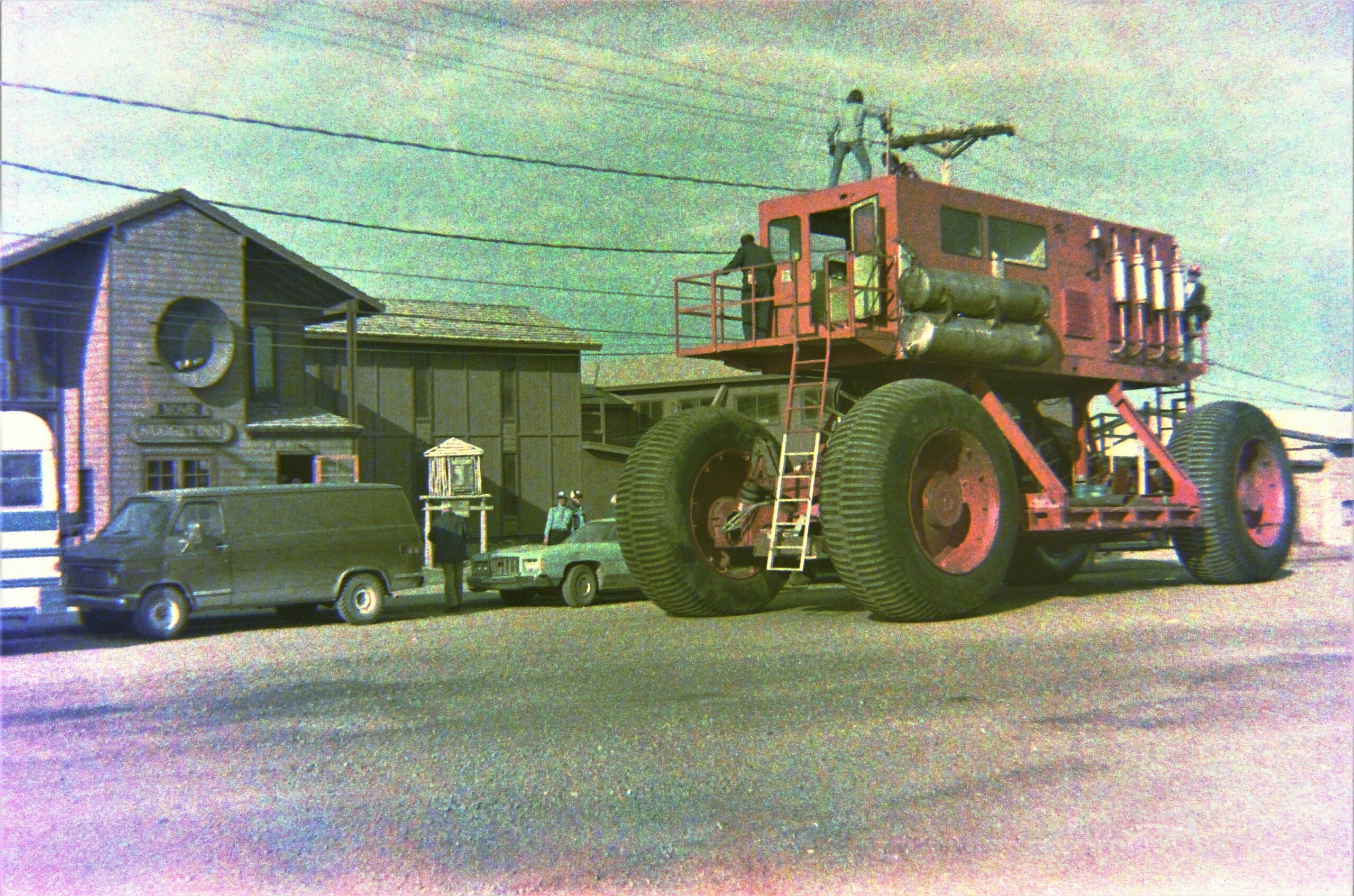
    Gold Digger Driving through Nome, AK

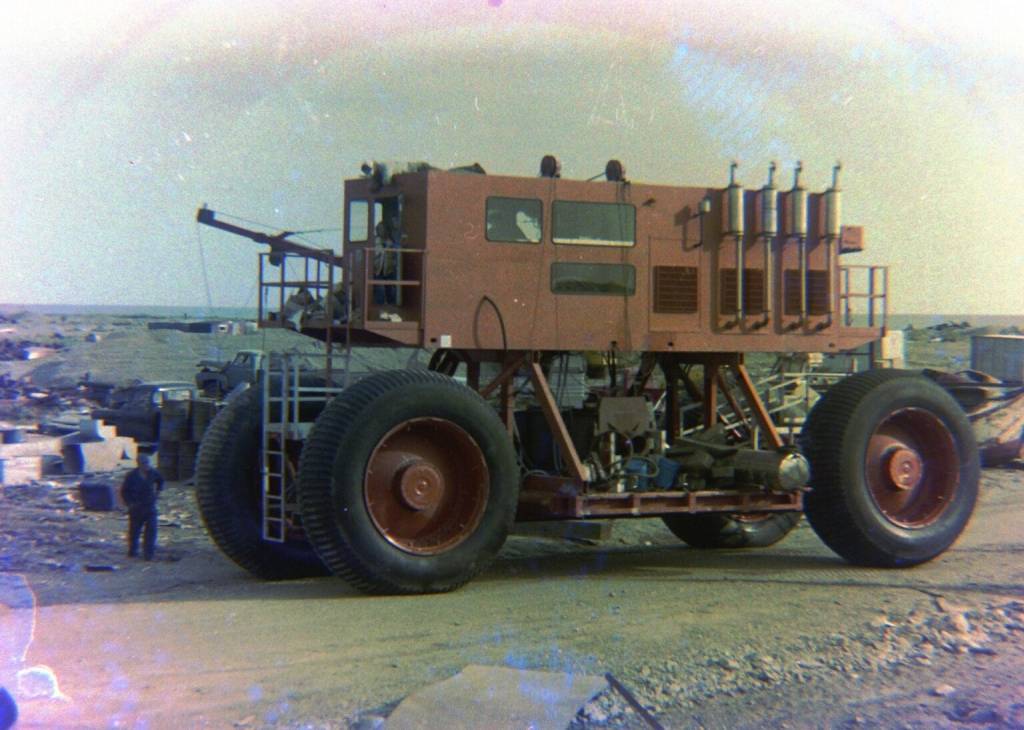
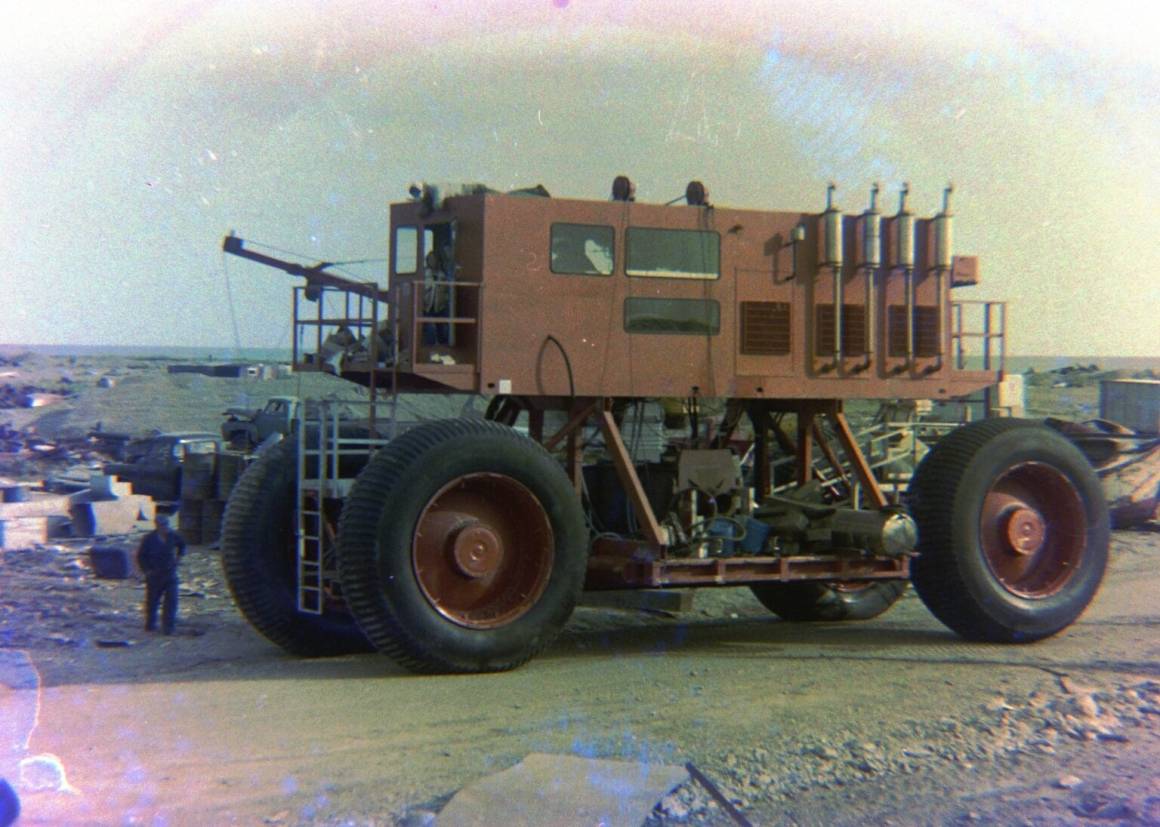
    Gold Digger was a custom-built gold dredging machine. It was built by Lloyd Molby, an extremely talented engineer and builder. Here are a few images from it’s time rolling through Nome, Alaska after it was shipped from Seattle, WA.

  • This is Gold Digger

    This is Gold Digger

    This is Gold Digger. It was built by a man named Lloyd Molby in Longview, TX. It used wheels and a trailer from the TC-497 as the platform. Unlike LeTourneau’s machines, this was largely hydraulic. It was designed for gold dredging in Nome, AK.

    binary comment
  • R. G. LeTourneau’s Overland Trains: a complete history is now AVAILABLE

    R. G. LeTourneau’s Overland Trains: a complete history is now AVAILABLE

    I started writing this book in February of 2020. Two and a half years later, I have captured the most complete Overland Trains story ever published. Buy the book now on Amazon.com (https://www.amazon.com/dp/B0BFL91FX6).

  • TC-497 Tires in Rubber Magazine

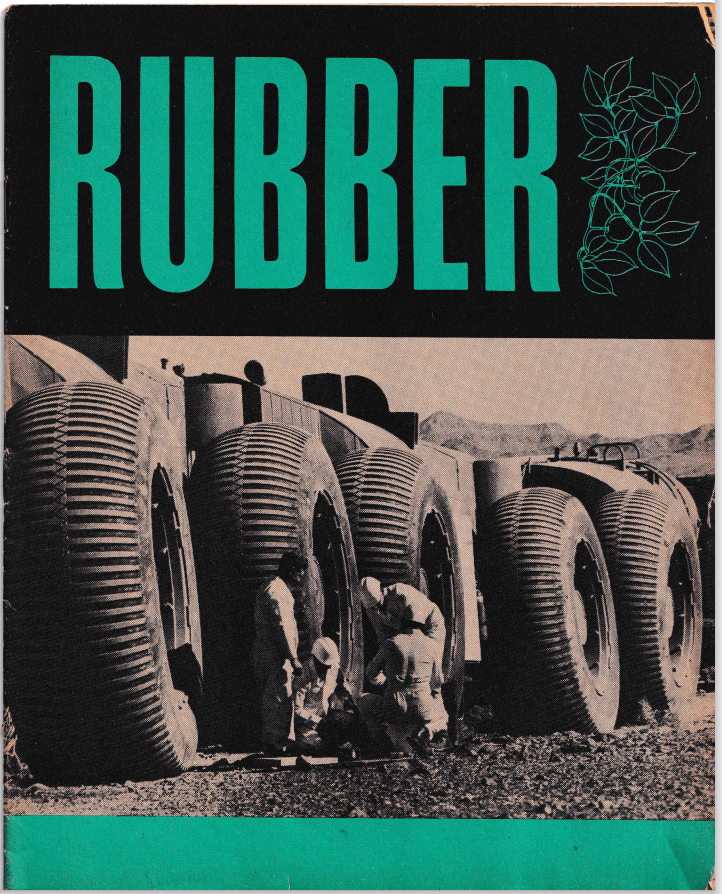
    TC-497 Tires in Rubber Magazine

    From time to time, I come across some historical gems. I recently purchased a small magazine called Rubber. It appears to be from the Firestone Rubber and Tire Company. The cover image shows five of the Firestone 120x48x68 tires and four men looking at some sort of documentation, perhaps engineering diagrams.

    The fuel tanker car identifies the TC-497 picture is the rear of the TC-497.