Category: TC-497 Overland Train

  • TC-497 Design Report For Sale on eBay – Sam Duncan

    TC-497 Design Report For Sale on eBay – Sam Duncan

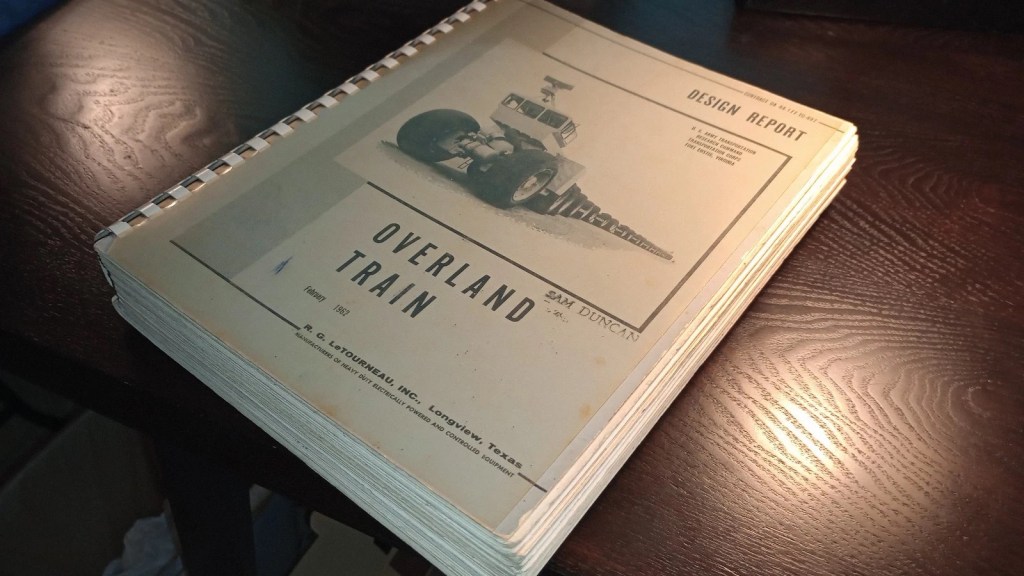
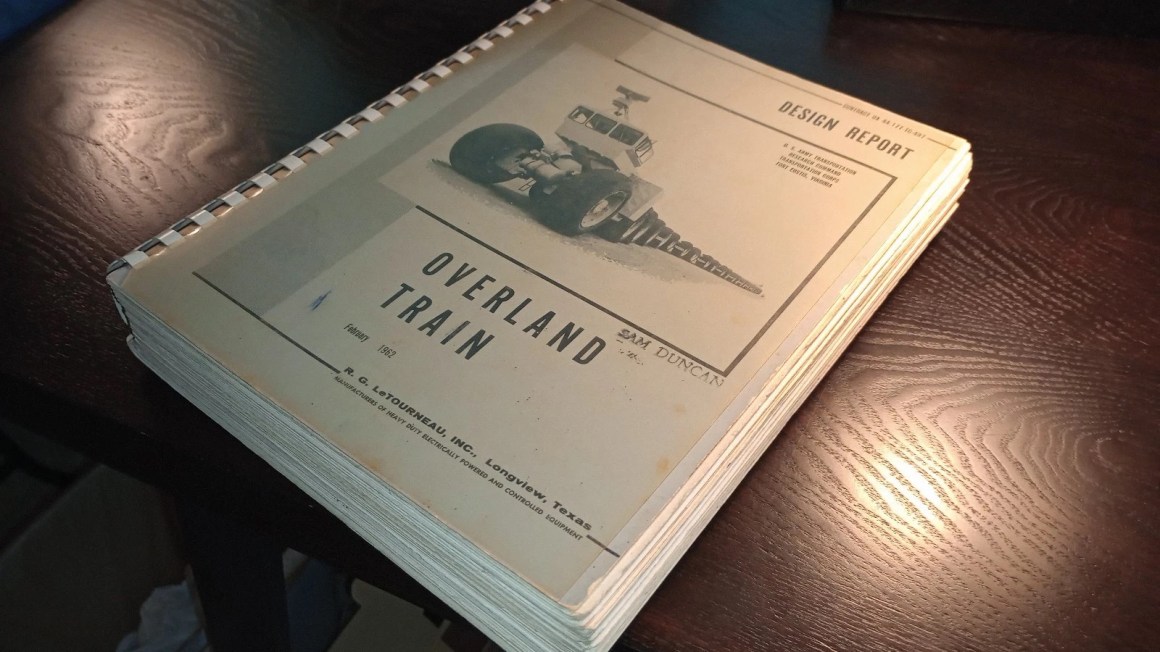
    A couple of days ago, a TC-497 Overland Train Design Report became available for sale on eBay. The initial cost was set at $7,000. A day or so later, the price is decreased to $3,000 or best offer. After reviewing the photos in the eBay ad, the front cover is stamped with the name Sam Duncan.

    Upon thinking up the idea for the TC-497, R.G. LeTourneau advertised for an engineer help help build the machine. Sam Duncan (Duncan) was hired to implement LeTourneau’s idea. When Duncan arrived in Longview, TX at LeTourneau’s facility, the TC-497 was already in the design phase. Once completing it, men who worked on it use to call it a mobile city.

    Duncan contributed to the project after writing the technical manual for the Overland Train.

  • Visitors to the Panama Canal, Miraflores Locks: 1955 and 2025

    Visitors to the Panama Canal, Miraflores Locks: 1955 and 2025

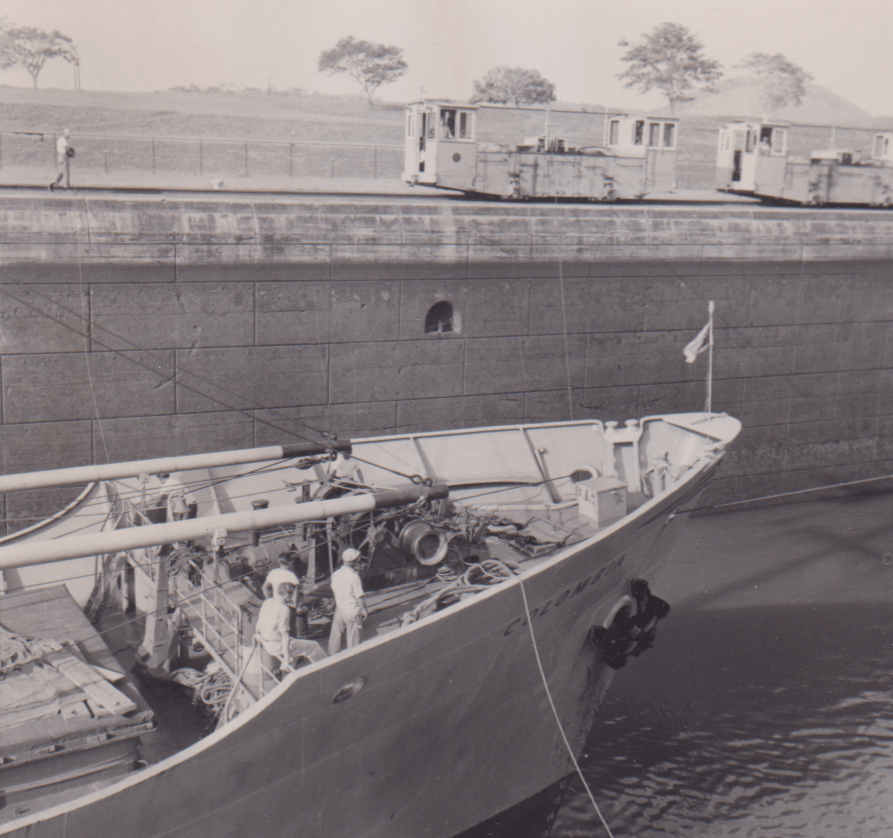
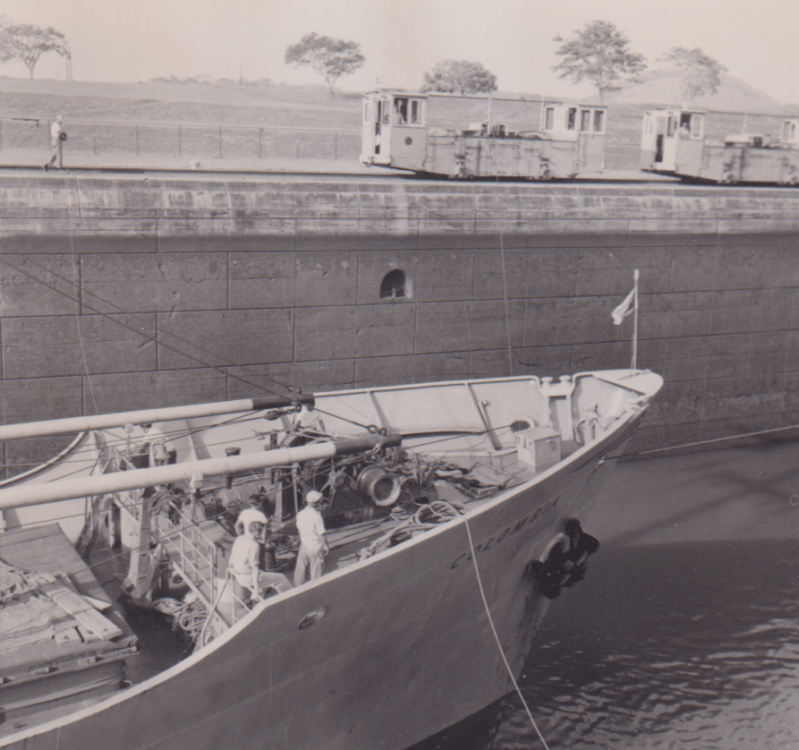
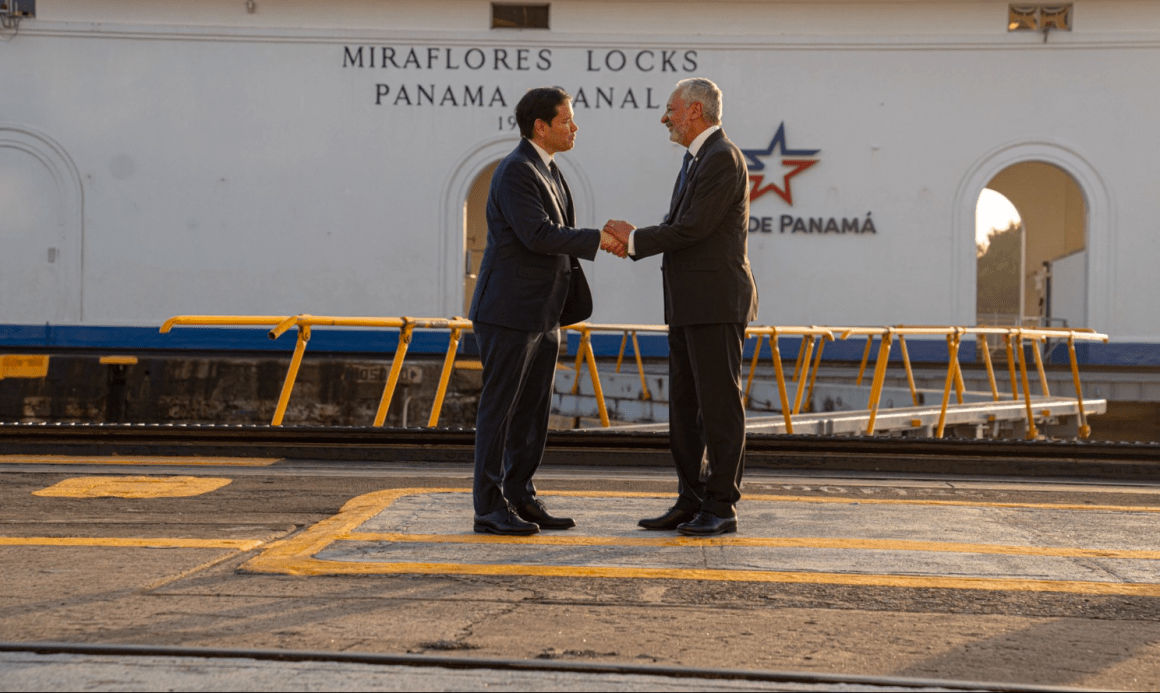
    R.G. and R.L. LeTourneau visited the Miraflores Locks on Sunday, March 27, 1955. They were visiting the Panama Canal (Canal) to assess and propose a more modern approach to pulling ships through the locks, specifically the Miraflores Locks.

    Upon returning from the Canal, LeTourneau went to work. He created a replica of the undulating terrain to test his new Panama Canal Tug.

    In late 1956, the Panama Canal Company awarded R.G. LeTourneau, Inc. a contract to significantly modernize how ships are pulled through the Panama Canal. This is the first major modernization since 1914. LeTourneau was asked to build two prototype machines at a cost of $650,000. These prototypes would be used for one year. If acceptable, the Panama Canal Company would order 25 additional units at a cost of over $4MM.

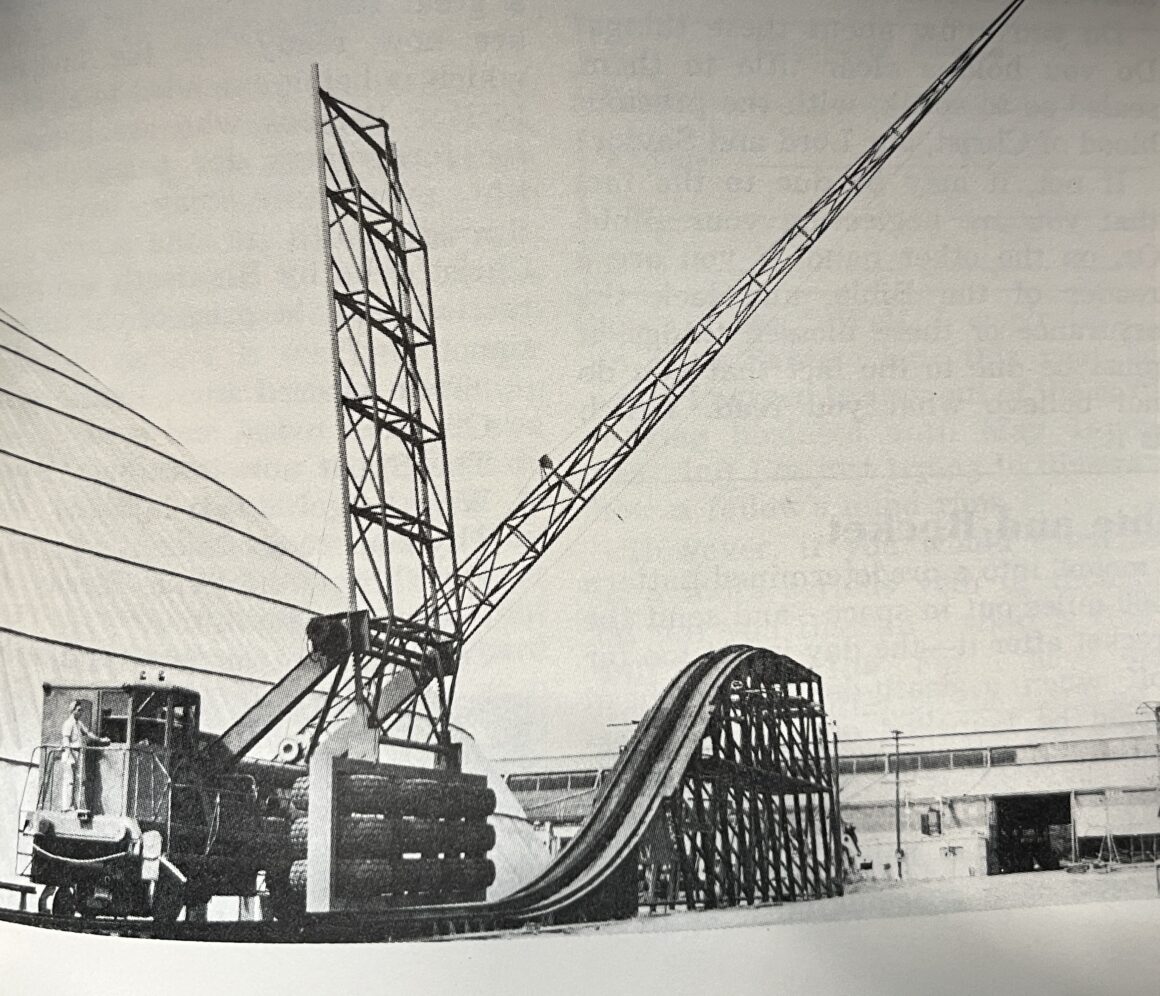
    In July 1957, LeTourneau had the first prototype locomotive and test tug ramp in operations at the Longview, TX plant. The ramp simulated the wall and grade that the locomotive would need to climb during operations at the Canal. Later than year (November), two electric locomotives were released for shipment – the LT Electric.

    Modern Day

    On January 31, 2025, on his first overseas trip in his new role, U.S. Secretary of State Marco Rubio visited Panamanian leader José Raúl Mulino on Sunday. His message, Immediately reduce Chinese influence over the Panama Canal area or face potential retaliation from the United States.

    Further Reading

    LeTourneau Builds Electric Panama Canal Tugs in 1957 – R. G. LeTourneau’s Overland Trains

  • LeTourneau Builds Electric Panama Canal Tugs in 1957

    LeTourneau Builds Electric Panama Canal Tugs in 1957

    In late 1956, the Panama Canal Company awarded R.G. LeTourneau, Inc. a contract to significantly modernize how ships are pulled through the Panama Canal. This is the first major modernization since 1914. LeTourneau was asked to build two prototype machines at a cost of $650,000. These prototypes would be used for one year. If acceptable, the Panama Canal Company would order 25 additional units at a cost of over $4MM.

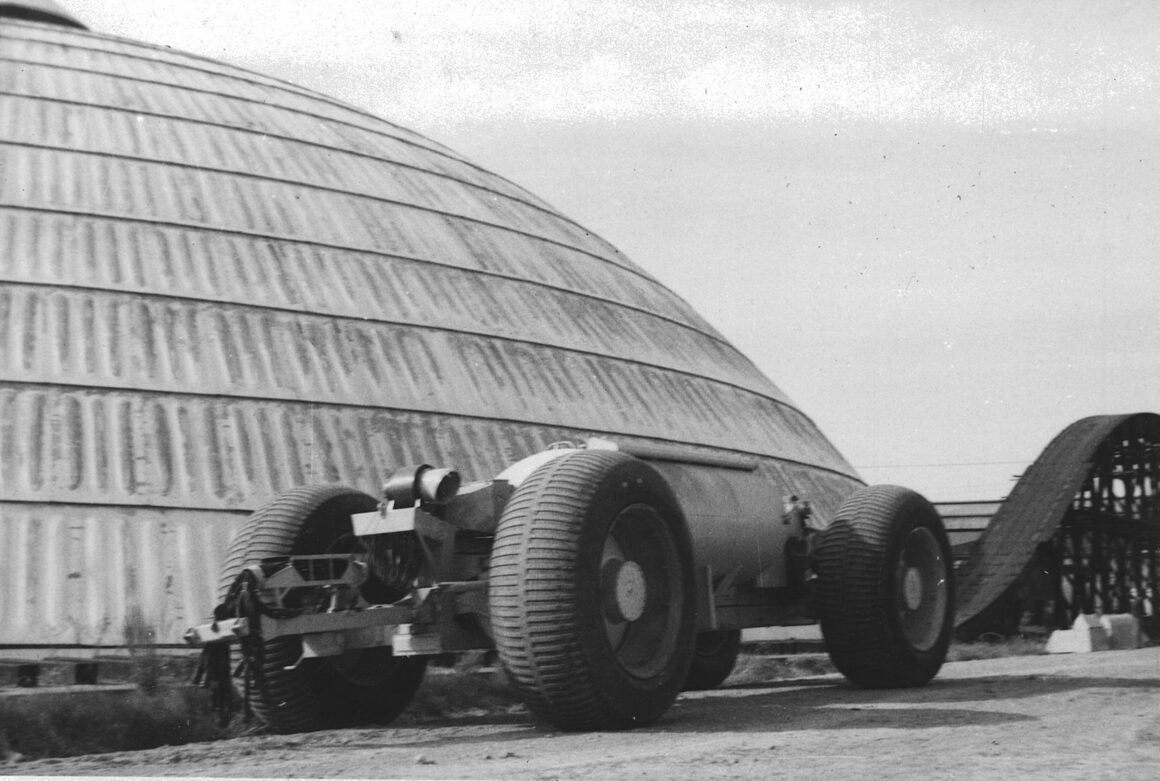
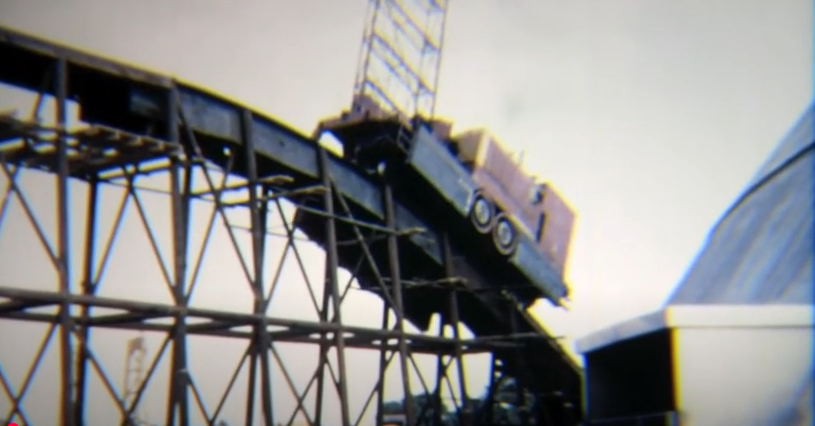
    In July 1957, LeTourneau had the first prototype locomotive and test tug ramp in operations at the Longview, TX plant. The ramp simulated the wall and grade that the locomotive would need to climb during operations at the Canal. Later than year (November), two electric locomotives were released for shipment – the LT Electric Locomotives.

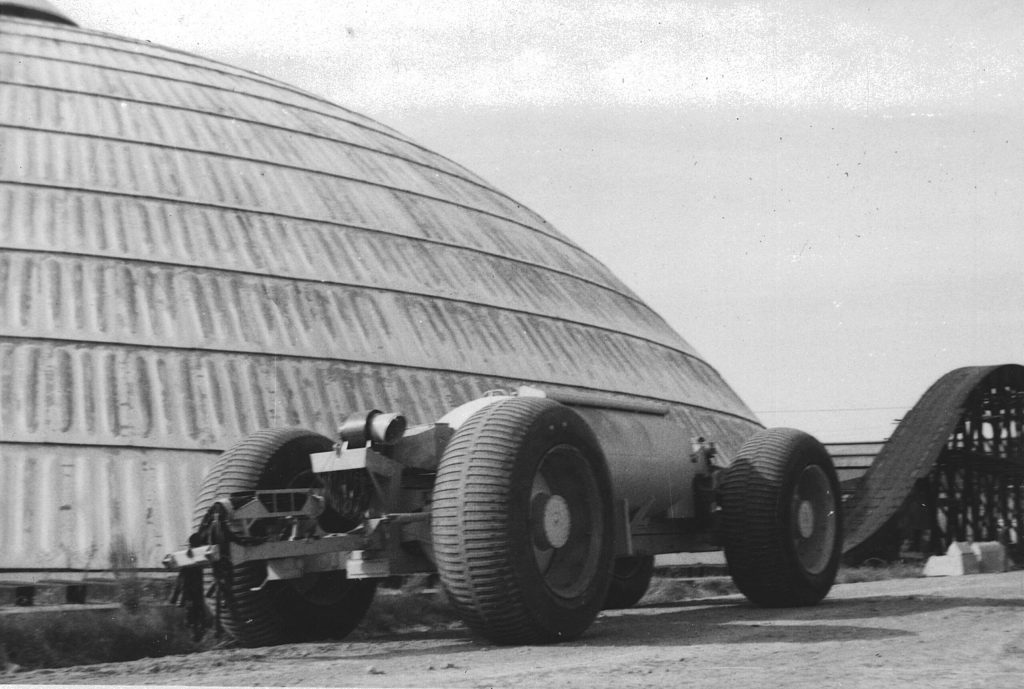
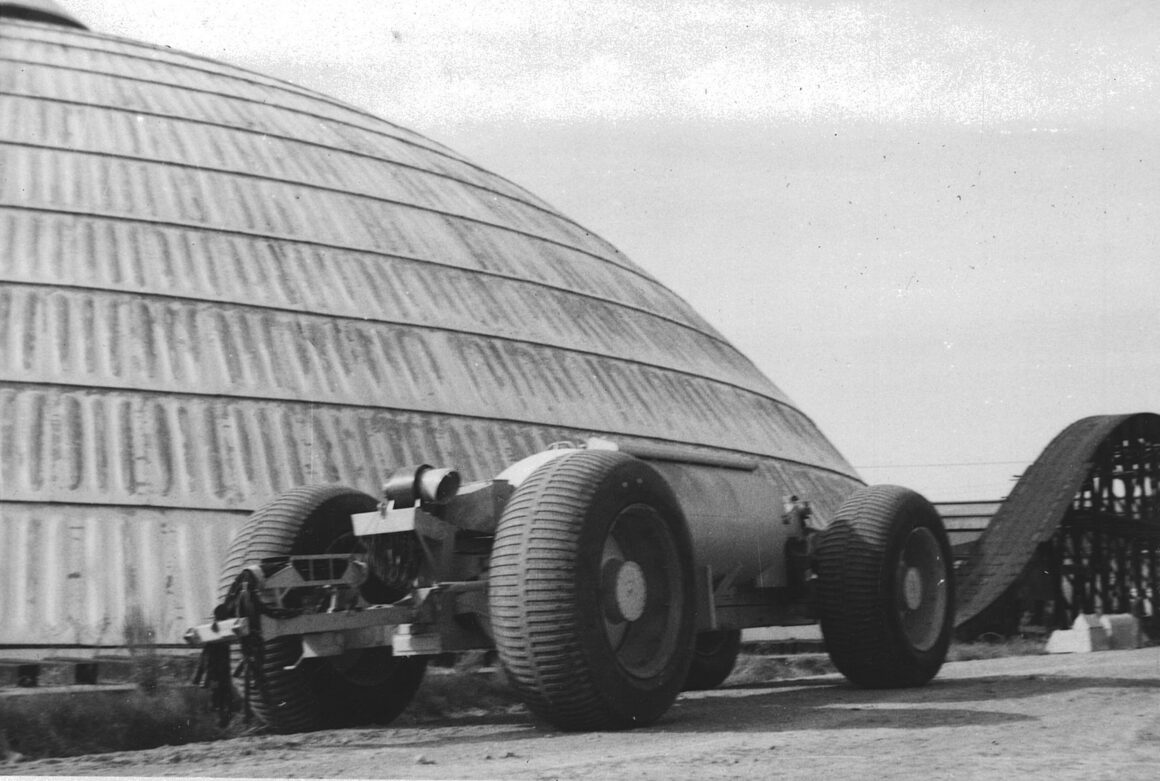
    Panama Canal test tug ramp with TC-497 fuel car in the foreground

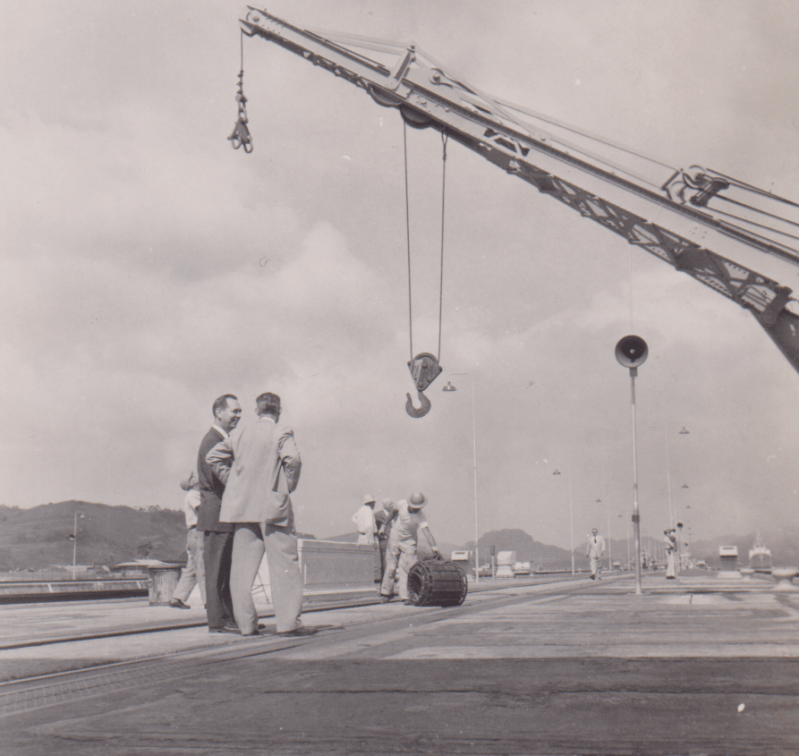
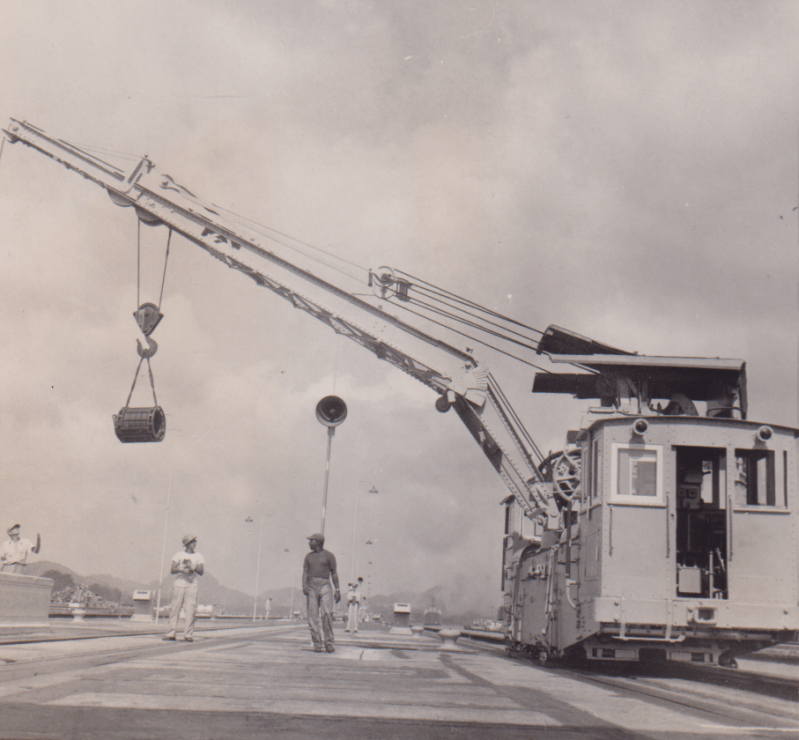
    The long boom seen in the following three images was used to send a cable to an approaching ship. The tires seen within the images were used as a cushion between the locomotive and the ship.

    panama canala test tug – https://www.youtube.com/watch?v=Mzseq5Ti3Xg

    Still frame from a video by Don LeTourneau shot at the Longview plant, of the tug that was to pull ships through the Panama Canal.

  • Steve McPeak and the Sno-Freighter

    Steve McPeak and the Sno-Freighter

    In December 2024, I received an email from someone who told an interesting story about Steve McPeak and owning one of the Overland Trains. McPeak was a daredevil and holder of 24 world records.

    Around 1980 I met a guy named Steve Mcpeak who at the time was doing a daredevil act act at Chicago fest at navy pier where he performed on a trapeze under a helicopter. He said that he owned a snow train in Alaska and he even showed us a video tape that was produced by an Anchorage TV station. The tape showed the snow train going through the woods knocking small trees as it went. It also showed it in a parade in Anchorage. He said that he bought it from the salvage yard and got it running again. This would of been late 70s. He said that he looked into getting new tires for it and the molds still existed then and it would very expensive to have them made. Does this make any sense to you? You can google Steve Mcpeak daredevil for more information on him. The best I can find I think that he went to prison in his later years for drugs. He lived in Las Vegas.

    Analysis

    In trying to figure out whether McPeak had ties to the Sno-Train or the Sno-Freighter, I looked back at the documentation to understand where each machine was located during the 1970s and whether the details of a parade and tires had any traceable elements.

    The Sno-Freighter sat at International Boundary for three years, from 1968-1971. Bobby Miller was trying to sell it to the oil industry. Miller later placed the Sno-Freighter at his salvage yard called Miller Salvage at 1485 30th Avenue in Fairbanks, AK. Eventually, Rick Winther purchased the Sno-Freighter from Miller’s Salvage for $2,000, with hopes to have it on display at Pioneer Park.

    Shortly after 1964, the Sno-Train was purchased from Fort Wainwright by Carl Peterson. It then sat in Peterson’s Arctic Plus Salvage Yard until 2010, when it was purchased by Keith Byram off of eBay for $15,000.

    In the July 16, 2020 version of the Sno-Freighter chapter, I had notes about Steve McPeak that never made it to the final book. He was involved in one of the machines, but I didn’t have enough supporting documentation to support his ownership at the time.

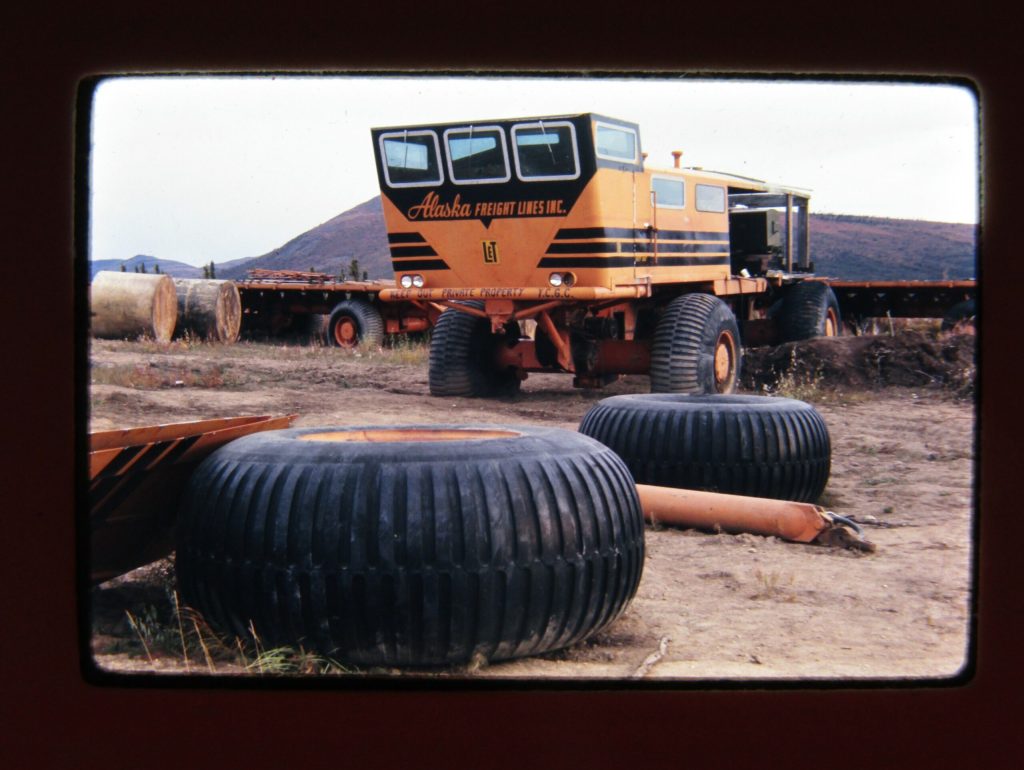
    The comment that the reader sent me about getting new tires for the Overland Train also struck me as an important detail. Tires for the Sno-Freighter were not available during the 1970s. It’s unclear whether LeTourneau produced the tires for other machinery models. However, the tires on the Sno-Train were used for a number of machines and projects to include the Sno-Buggy, TC-497, the Panama Canal Tug system, Gold Digger, Crash Pusher, and Thompson Trailers to name a few. They would be relatively widely available without the need for reproduction.

    At many times during the Sno-Freighters’ existence, it was transported on public roads. I don’t have any evidence of a parade, but it stands to reason that it could be part of one considering the massive size and general oddity.

    During one of many interviews for my Overland Trains book, Mike Haskins did mention that “the family of Steve McPeak lived down the road…” in Alaska. This lends itself to McPeak having a tie within Alaska and potential knowledge of the Overland Trains.

    Conclusion

    The data suggests that Steve McPeak may have owned the Sno-Freighter for a short period of time or was in discussions or researching to purchase the Sno-Freighter from 1968 to 1971. Numerous people, including the reader who sent in the email mention McPeak with ties to Alaska, the potential machine ownership, and the multiple accounts of McPeak’s ownership. The Sno-Freighter was actively for sale during that time and McPeak would have the opportunity to purchase the machine.

    If you, the reader, has more information about Steve McPeak and his ties to the Overland Trains, please reach out to me at mark@nwlinux.com.
  • Building the Firestone 120x48x68 Tire Molds with a BETTS Vertical Boring Mill

    Building the Firestone 120x48x68 Tire Molds with a BETTS Vertical Boring Mill

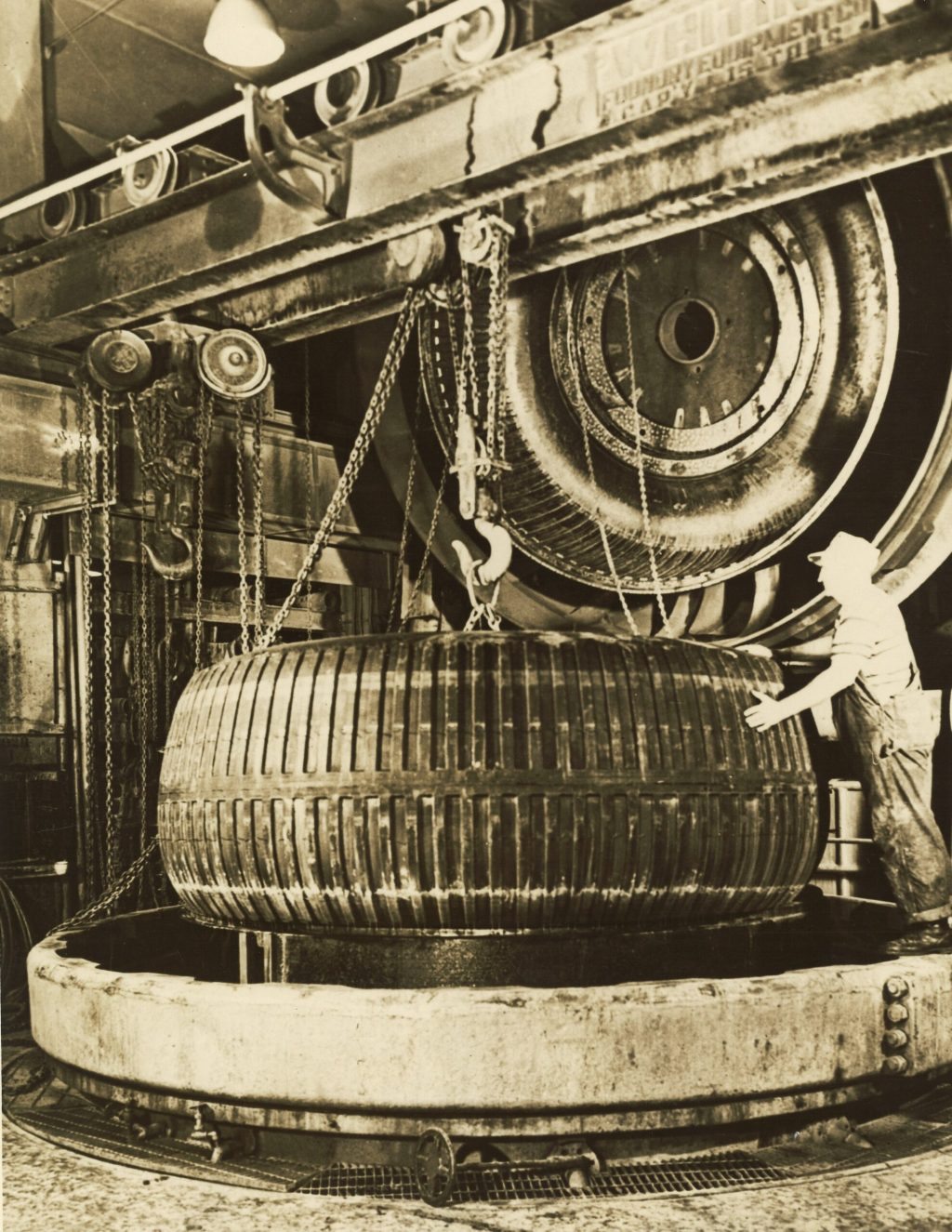
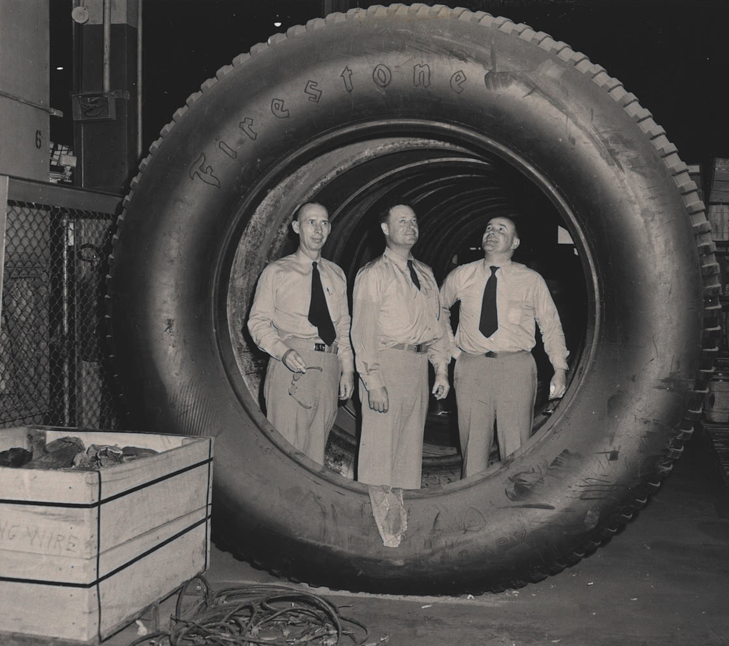
    R. G. LeTourneau, Inc. was no stranger to building huge machinery. However, it wasn’t until 1952 that R. G.’s son, Ben LeTourneau built the tire mold that would help shape a critical component of the Overland Trains story – the monstrous tires! From this custom mold came the Firestone 120x48x68 tires that would support the Crash Pusher, the Swamp Buggy, Marsh Buggy, Sno-Buggy, the Thompson Trailers, Gold Digger, and several of the Overland Trains.

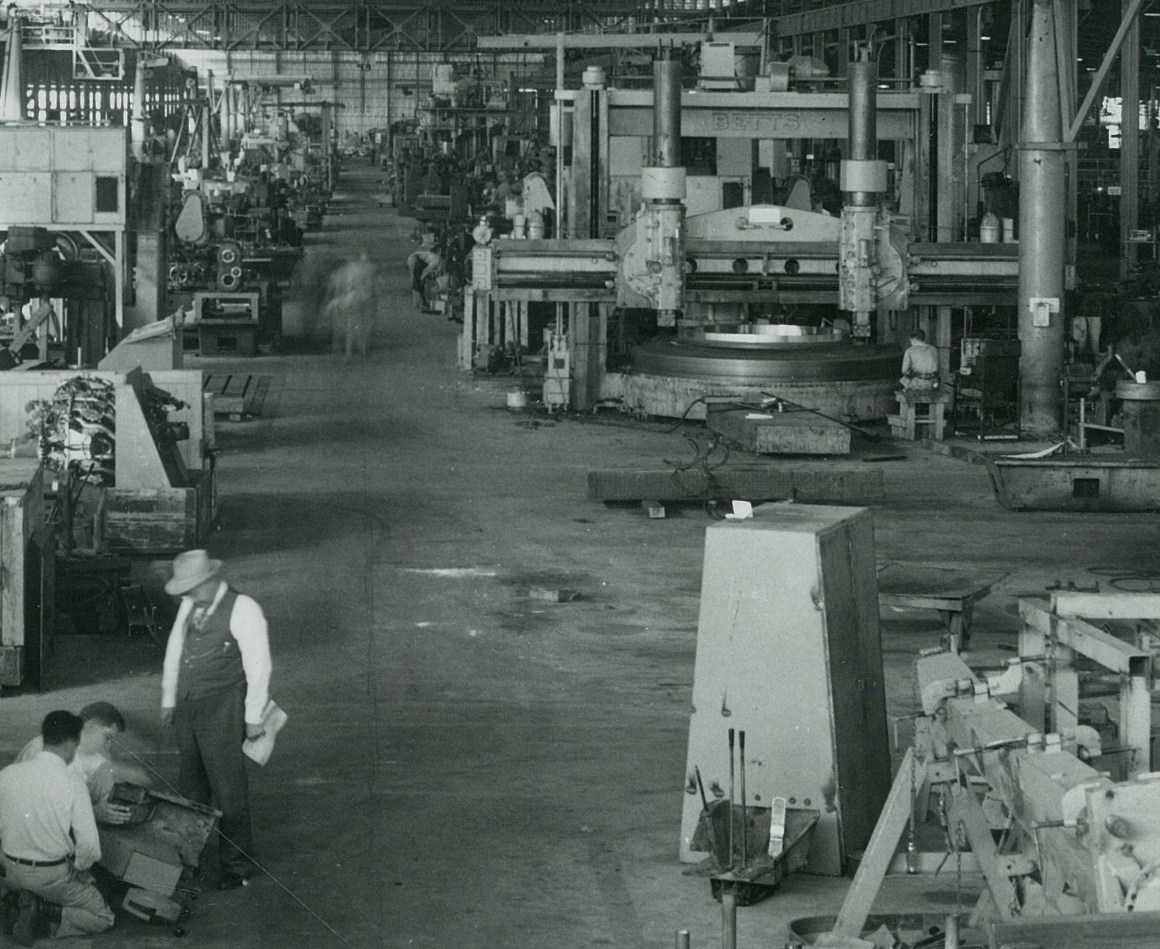
    R. G. LeTourneau (left in hat) in the Longview, TX manufacturing line with the BETTS Vertical Boring Mill in the top-right, 1948.

    In 1952, R. G. LeTourneau entered into contract with the Firestone Rubber and Tire Co. to build the 10 foot tall and 4 feet wide tires. However, they did not have a mold for them. At the age of 18, Ben LeTourneau helped build this mold for Firestone.
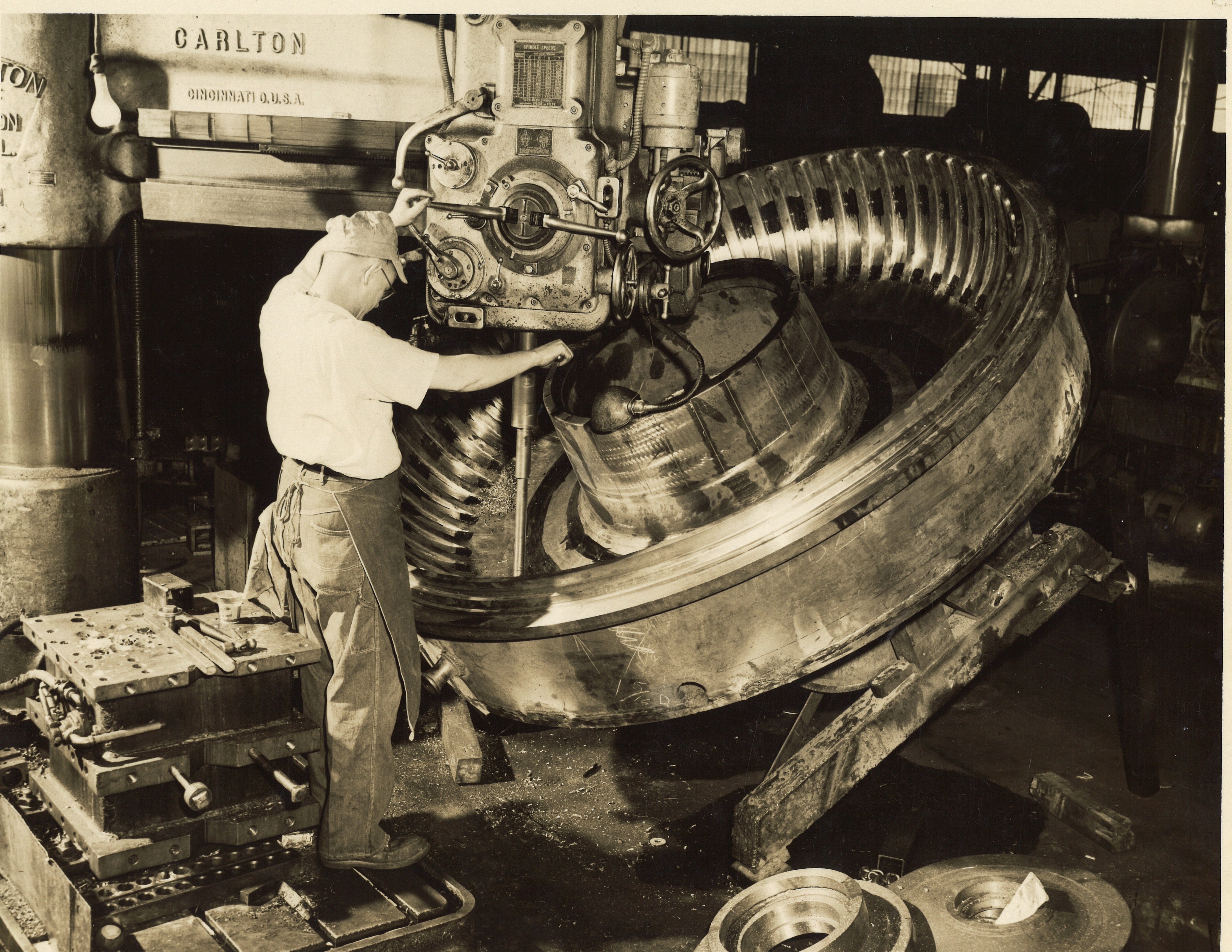
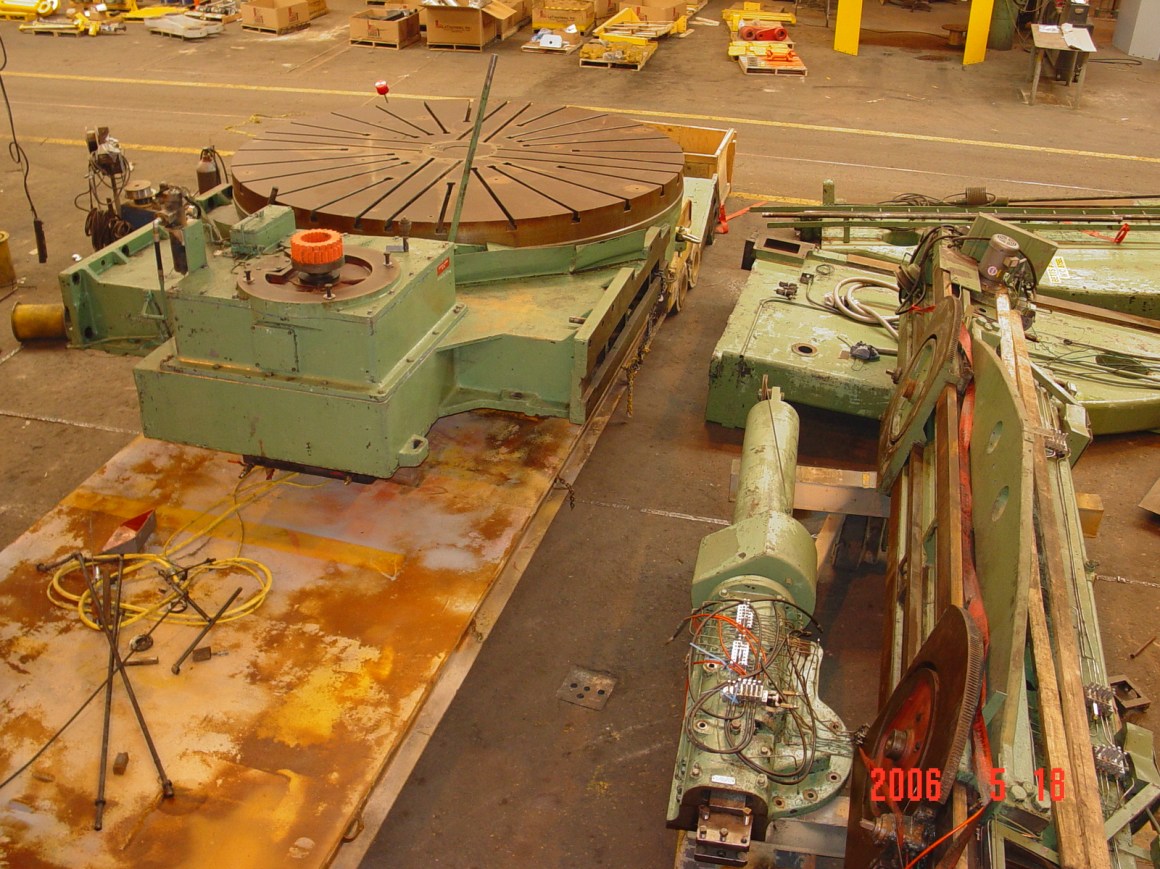
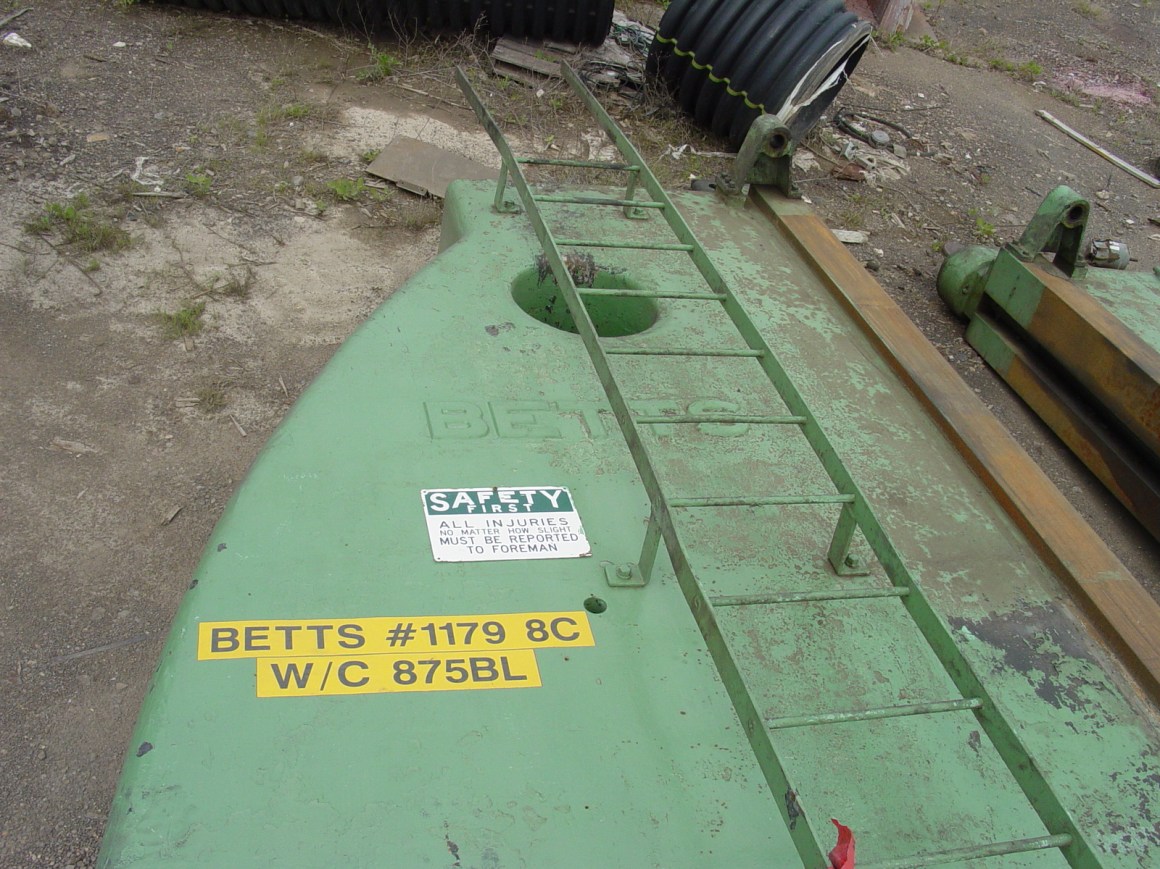
    The BETTS Vertical Boring Mill (BETTS) had a 12’ diameter table and was used to build the custom tire mold. The table “rotated with tools mounted on a bridge over the table, while the table rotated under the bridge.”

    After the two-halves of the mold were built and placed on the BETTS 12 foot diameter table, Ben “mounted it onto the rotating table and, after making a basket which I attached to the tool bar, rode the tool down into the mold while it was rotating under me. In this way we cut a smooth mold which was used to form the new tires.”

    The BETTS was still in use at the factory until 2006, when the company owners at the time dismantled and removed it. It is unknown whether it was scrapped or sold to another company.

  • YouTuber Calum Releases an Amazing Video on the TC-497

    YouTuber Calum Releases an Amazing Video on the TC-497

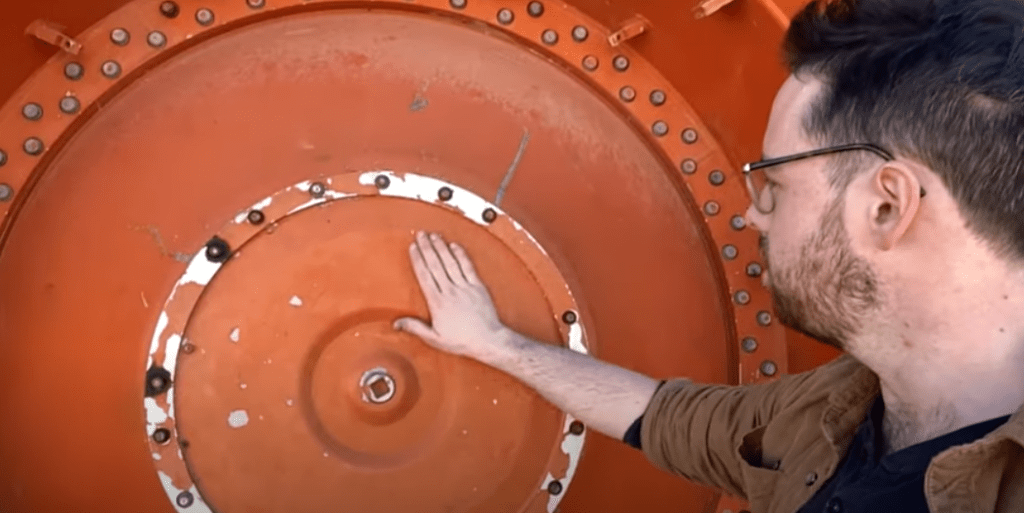
    Over the past couple of years, Calum and I have communicated about the Overland Trains for his videos and his travel to the United States to see the TC-497 in Yuma. After visiting the Overland Train in Yuma with his wife, Calum produced an absolutely stunning and well researched video on the TC-497. I highly recommend taking a look and learning more about the TC-497. Well done Calum!

    Buy the Overland Trains Book

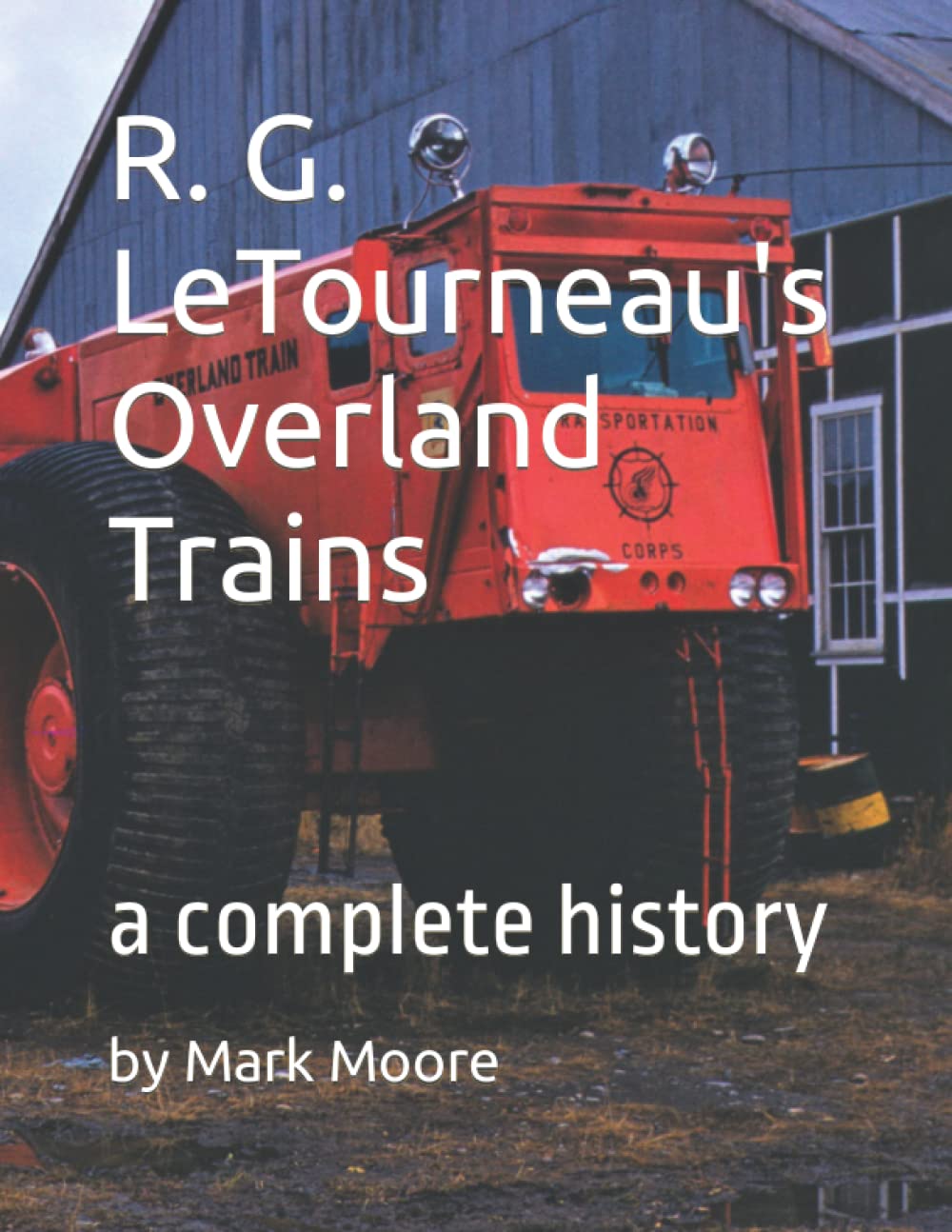
    Available on Amazon as a Kindle eBook and paperback at https://www.amazon.com/dp/B0BFL91FX6.

  • TC-497 Functional Model Testing

    TC-497 Functional Model Testing

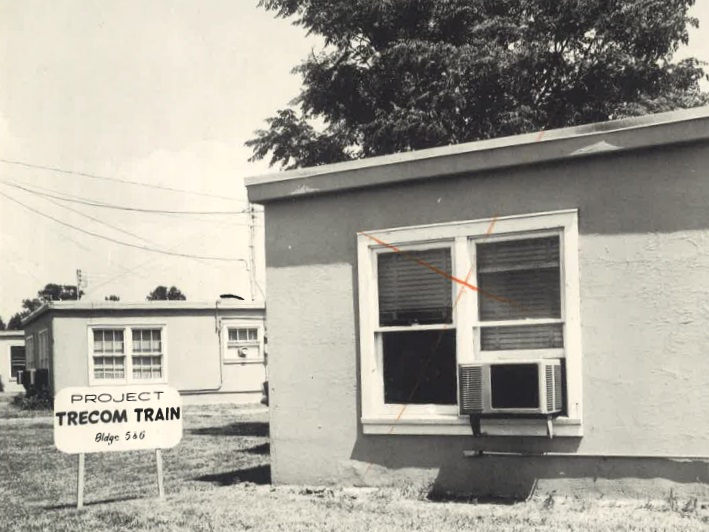
    When R. G. LeTourneau, Inc. built the TC-497, it would prove to be the most ambitious Overland Train yet. The project was supervised and led by TRECOM from the Longview, TX factory grounds.

    Project Trecom train where the army setup shop to monitor the Tc-497 progress. these were tournalaid homes, image courtesy R. G. letourneau archives at letourneau university

    As part of the Army’s contract with LeTourneau, the project was spliced into four parts, or phases. Each of these stages was designed to build upon the previous, with an increasing amount of detail and development.

    Building a Model TC-497

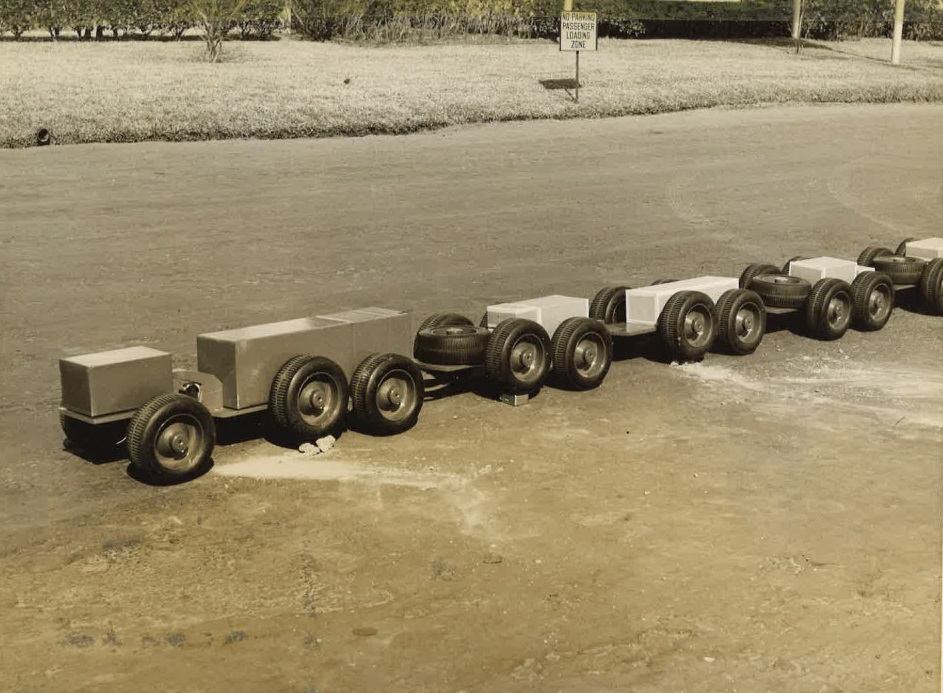
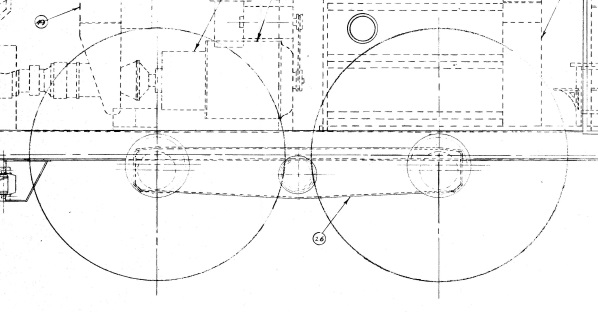
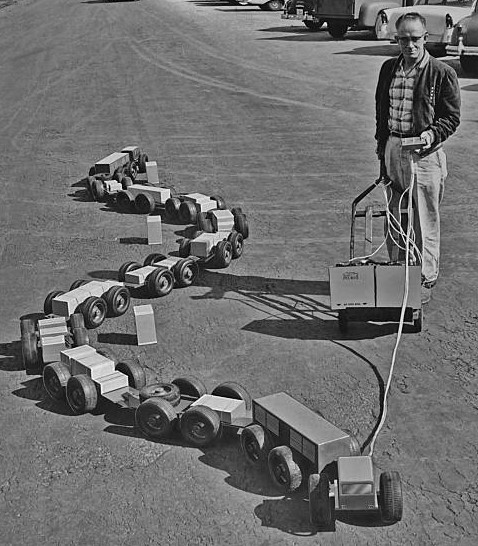
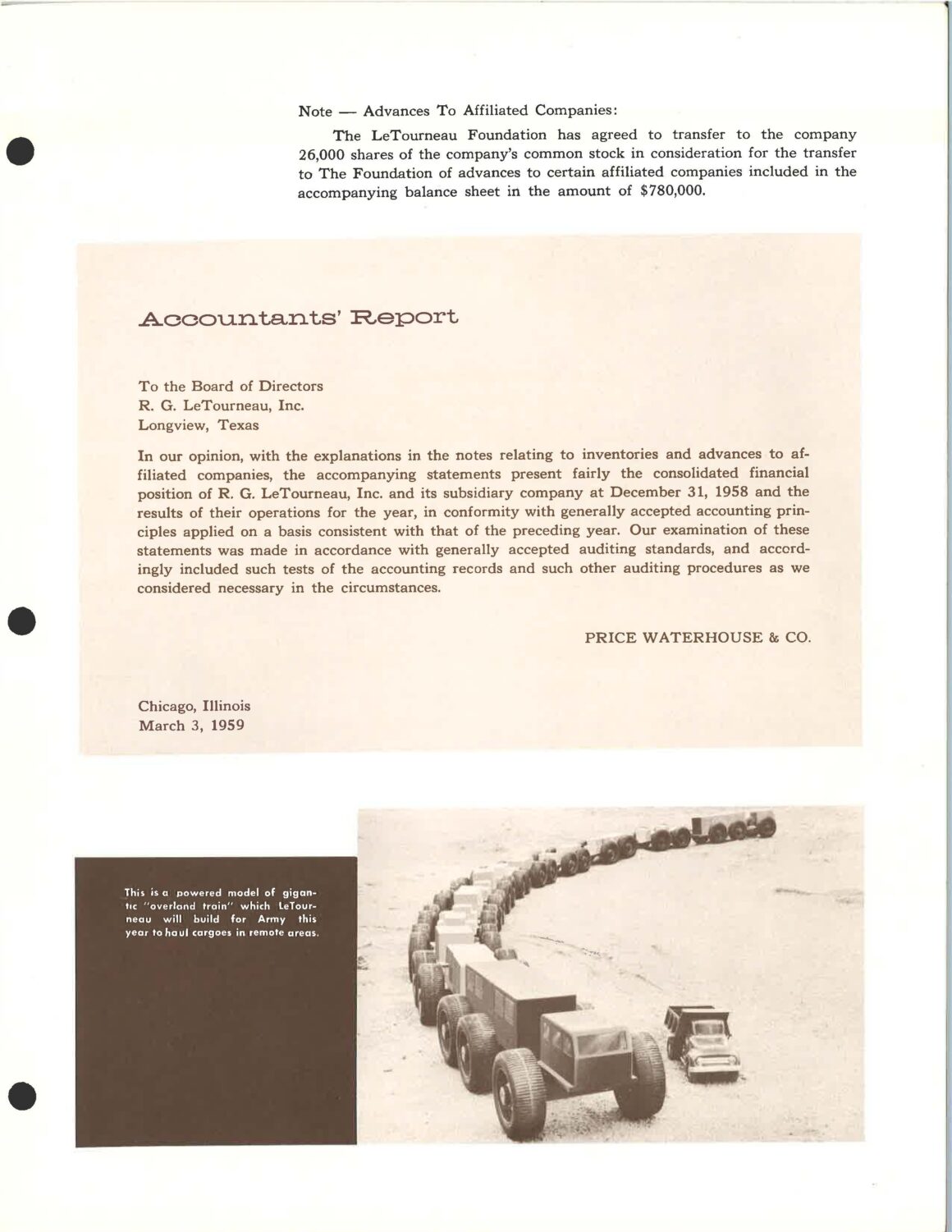
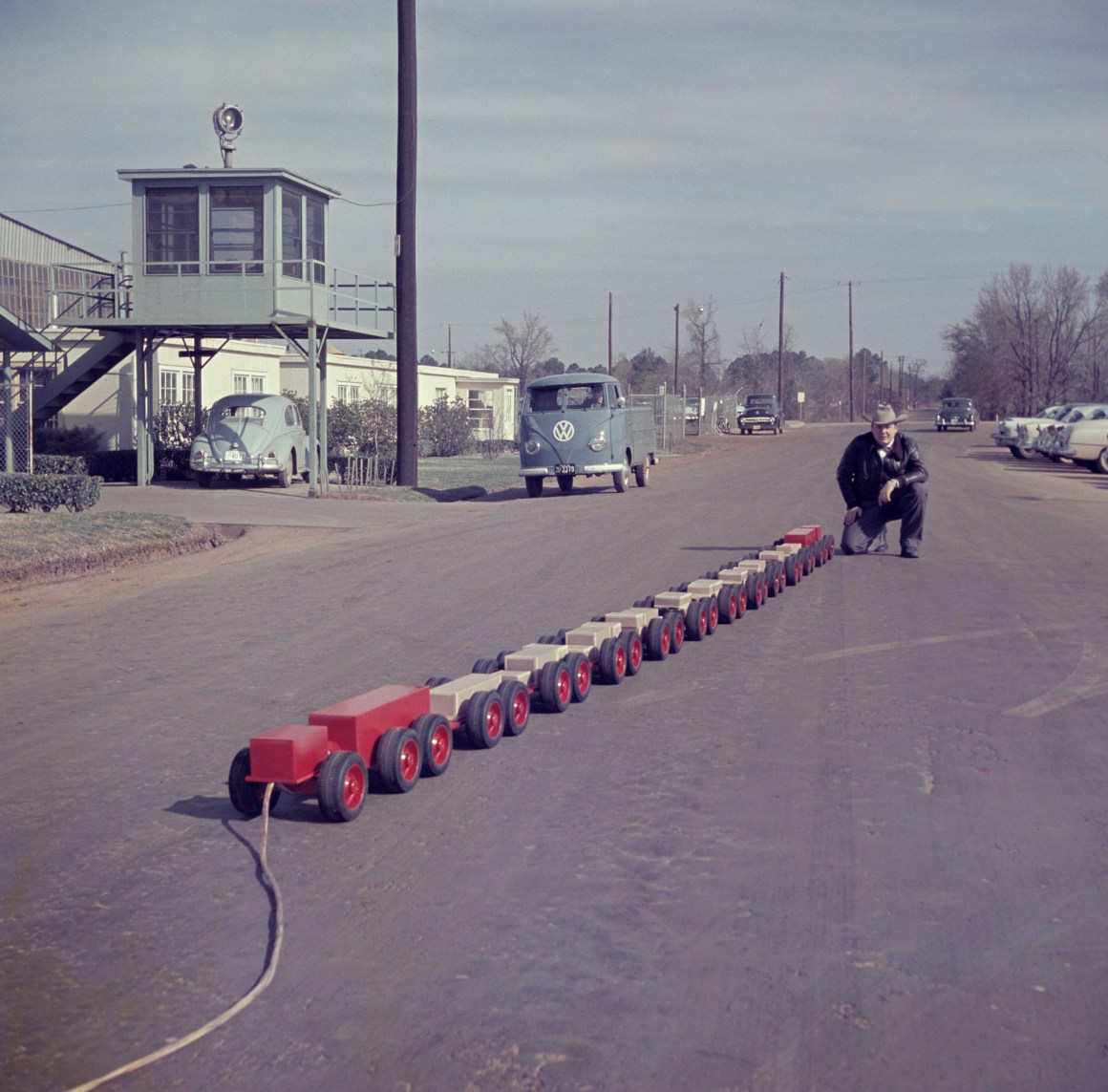
    Ted LeTourneau, one of R. G. LeTourneau’s sons, was the Production Control Manager at R. G. LeTourneau, Inc. While not part of the Phase 1 requirements, the model was built during the early development stages. The model was built at a 1:16 scale, with parts made at the LeTourneau factory and off the shelf components. This was an early model, as the trailers all used a walking beam design, which was later scrapped from the design. The only walking beam found on the manufactured TC-497 was found on the Control Car.

    walking beam design, image courtesy R. G. letourneau archives at letourneau university
    The small rocks demonstrate the functionality of a walking beam design, image courtesy R. G. letourneau archives at letourneau university

    The model had individual wheel motors, just like the TC-497. A battery box delivered power to all of the wheels and controlled using a handheld remote control.

    Ted LeTourneau model, image courtesy R. G. letourneau archives at letourneau university

    Art Production Order

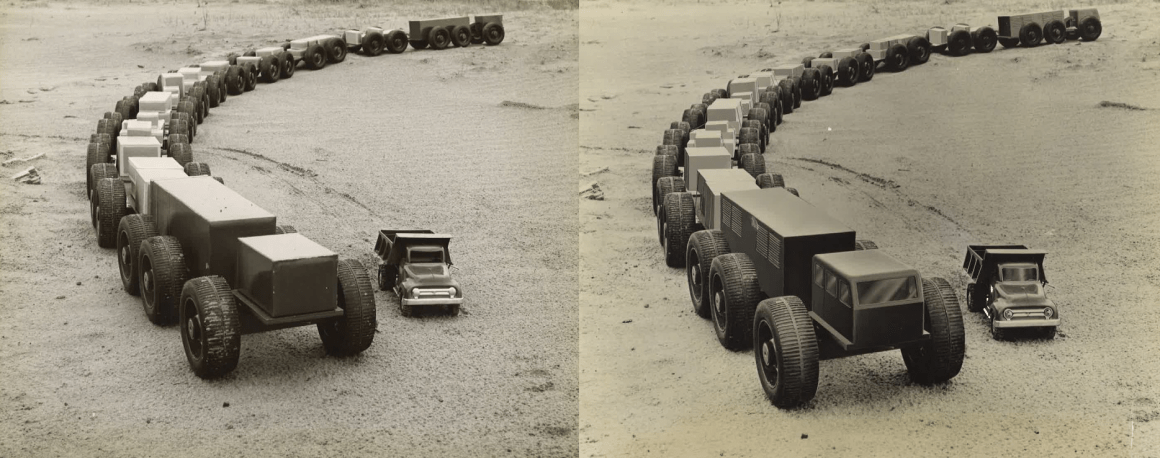
    During the 1950’s, computer based image editing was not possible. All image touch-ups and edits had to be completed by artists. In the image below, you can see the before and after touch-ups that company artist “Red” Reynolds completed on the model. One of the more dramatic changes are the addition of windows and reflectivity in the windows. The Control Car’s right-side tire has also been cleaned up to remove the sand. What other things can you see that have been modified?

    before and after artists production edits, image courtesy R. G. letourneau archives at letourneau university

    The final image was used in the 1958 R. G. LeTourneau, Inc. Annual Report.

    image courtesy R. G. letourneau archives at letourneau university
    image courtesy R. G. letourneau archives at letourneau university

    You can read more about this model on page 248-251 of my book.

  • How Did the TC-497 Overland Train Steer?

    How Did the TC-497 Overland Train Steer?

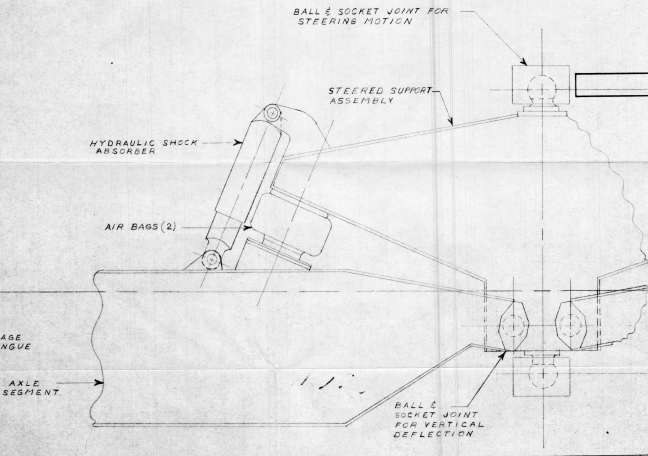
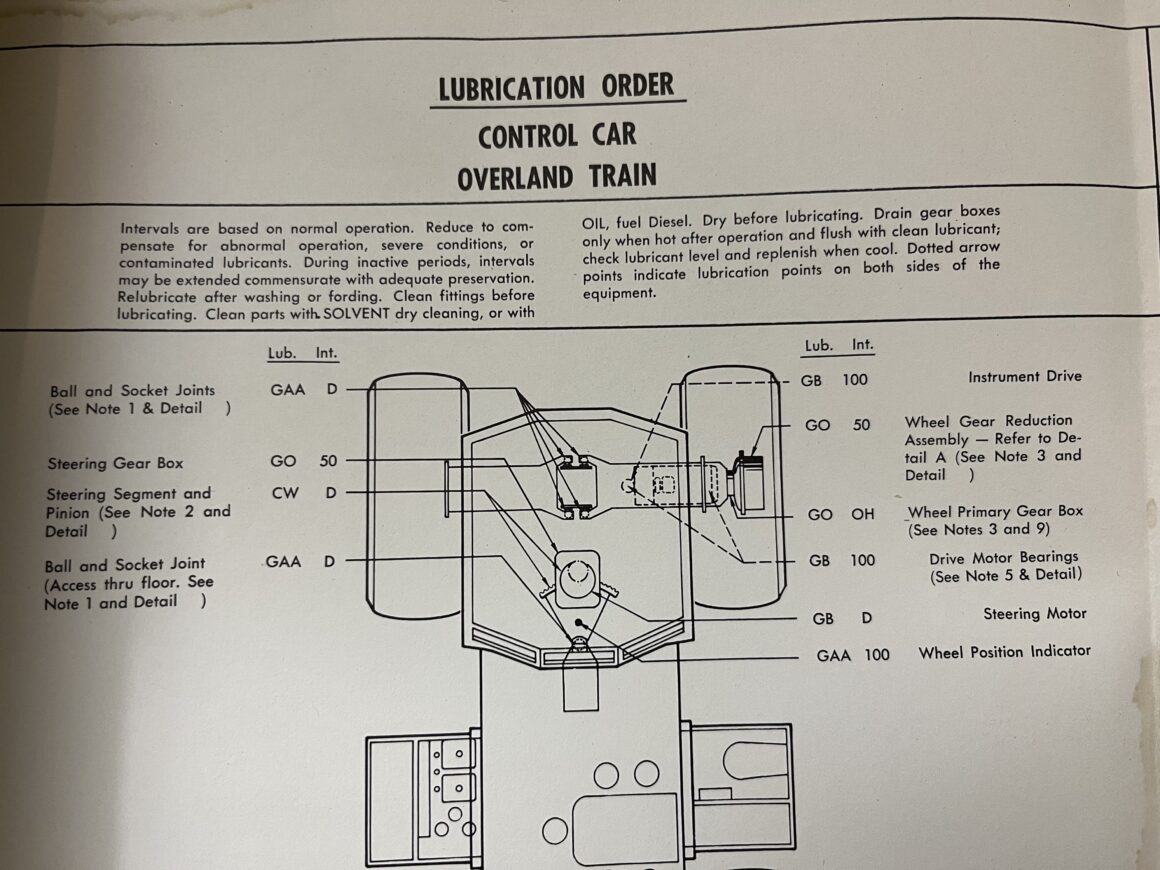
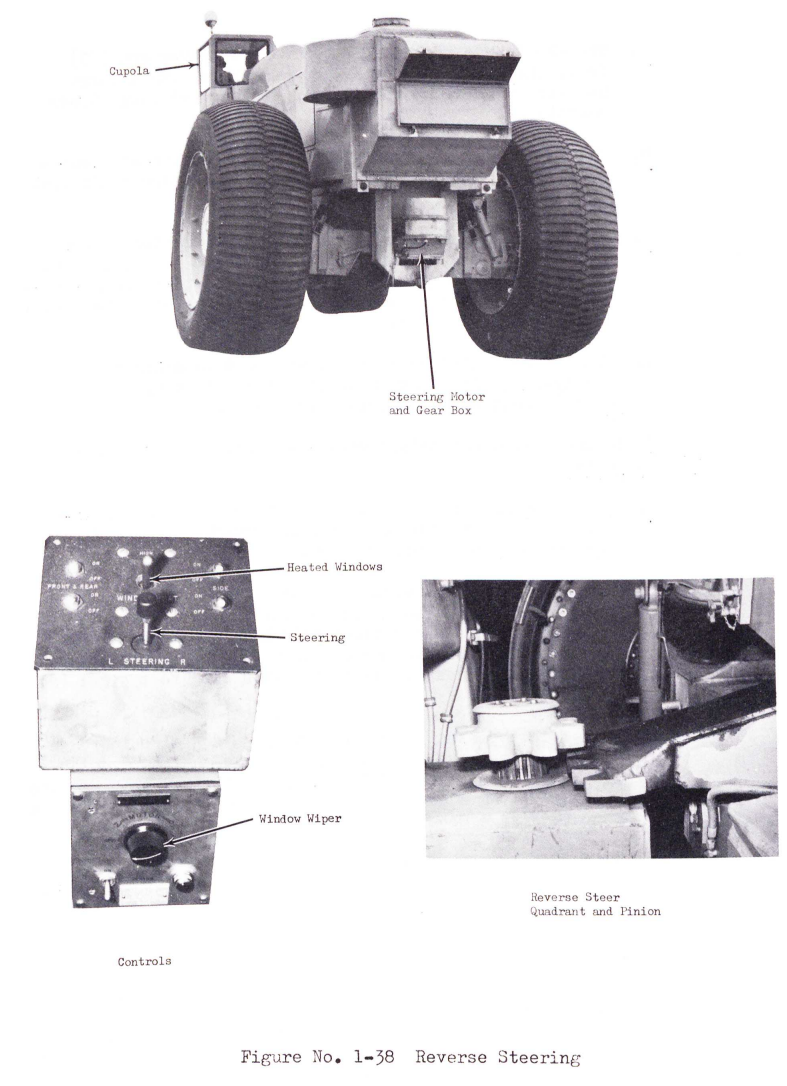
    The TC-497 had the most complex and innovative steering designs out of all of the Overland Trains. Much time and consideration was spent on ensuring that lessons learned from previous designs, including the Sno-Buggy, were engineered into the final product. The front wheels on the Control Car, or primary living space and command unit, were the only wheels to pivot, or steer on this car. An AC electric motor and gearbox mated with a steel gear, which is fixed to the front steering arms.

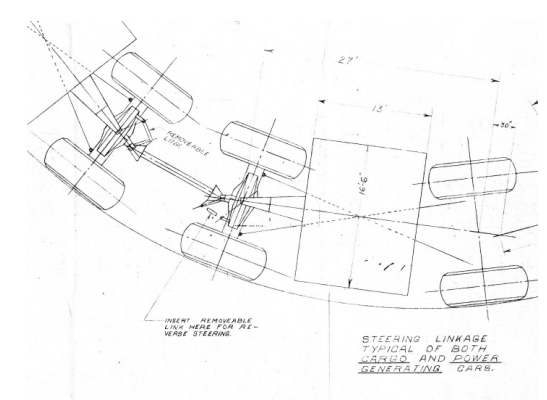
    The TC-497 was the only Overland Train with specific technology to enable steering in reverse. Testing revealed that it could be used in a pinch, but only in situations that warranted the risk. Page 244 of my book go into a little more detail on this feature.

    Reverse Steering

    Reverse steering linkage and removable link used for reverse steering

    The trailers followed the Control Car in an exacting track. From my book,

    “There was a wagon-style tongue through a rigid link connecting it to the front axle assembly. The rear axle would track the front wheels with a set of diagonally attached steering cables, forming an X-arrangement. Any movement by the front axles is
    mirrored on the rear axles”

    r. g. LeTourneau’s Overland trains: a complete history

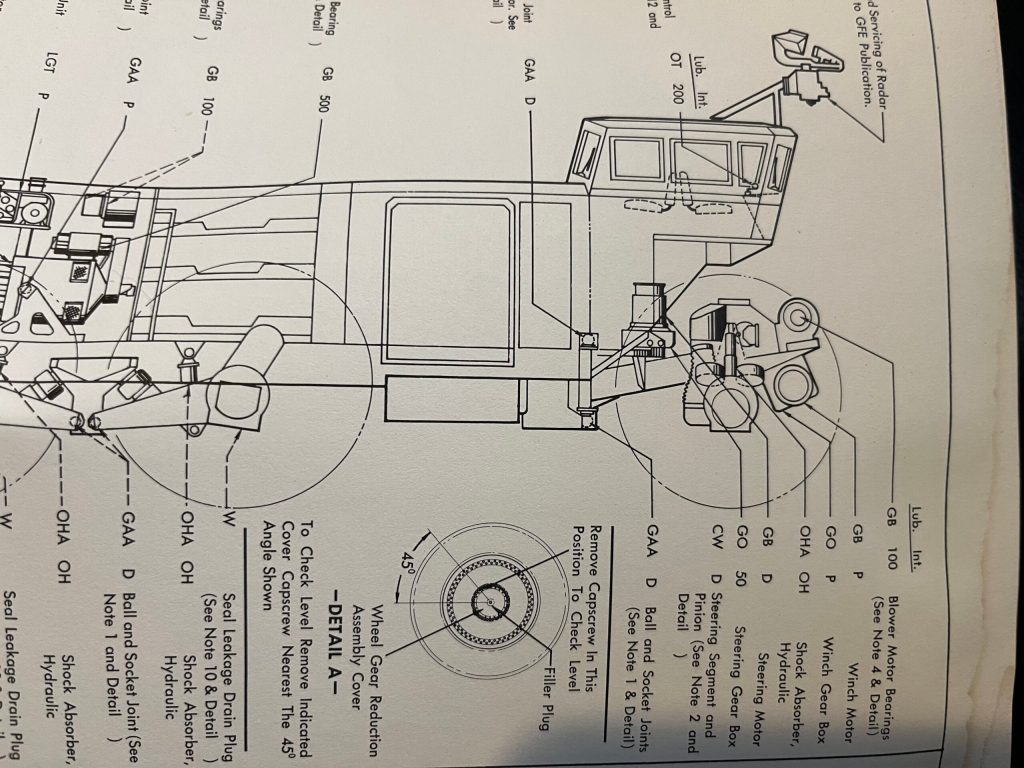
    Here is a few scanned paged from the TC-497’s Phase 4 booklet that talk about the steering in narrative form.

  • YouTuber Calum Visits the TC-497 in Yuma Proving Ground

    YouTuber Calum Visits the TC-497 in Yuma Proving Ground

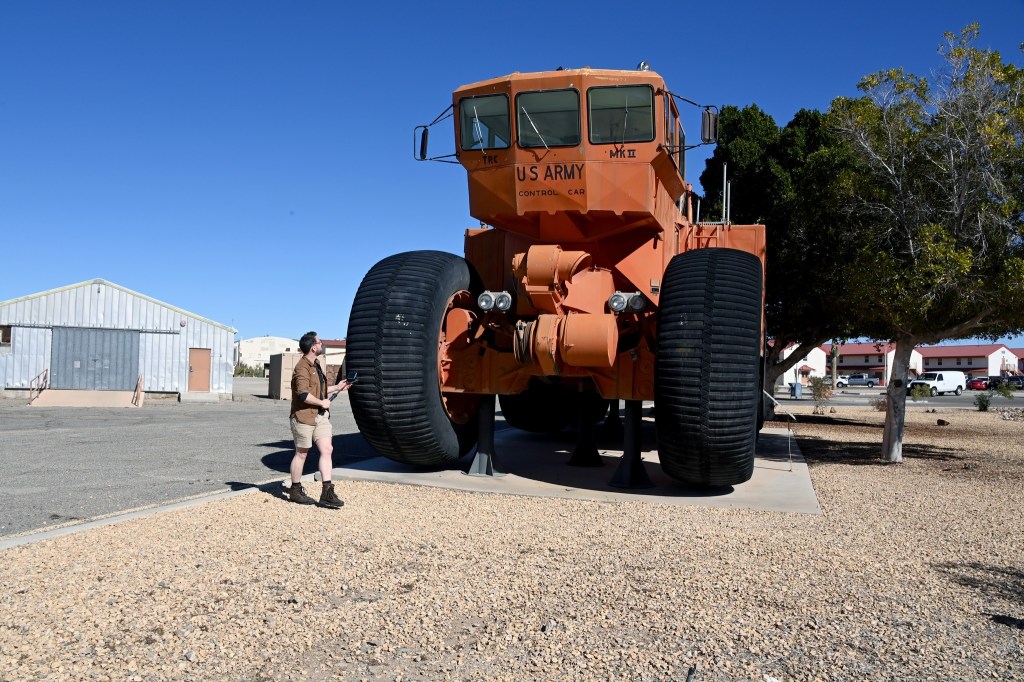
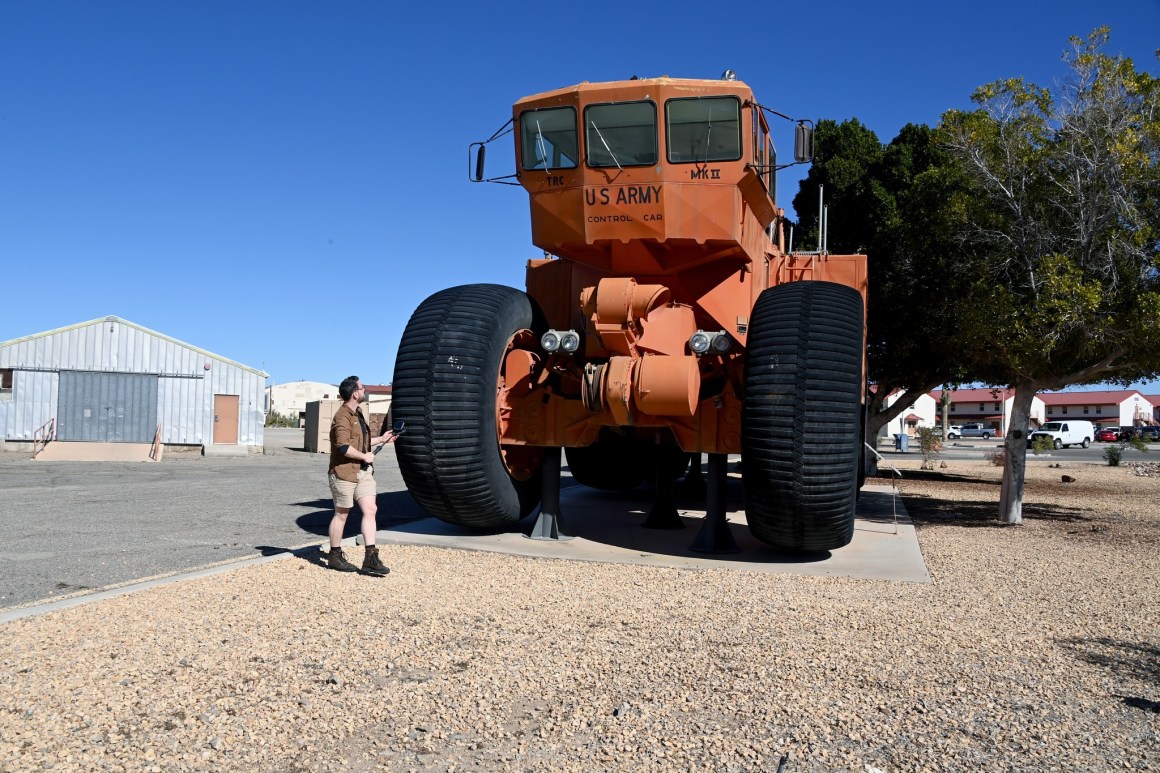
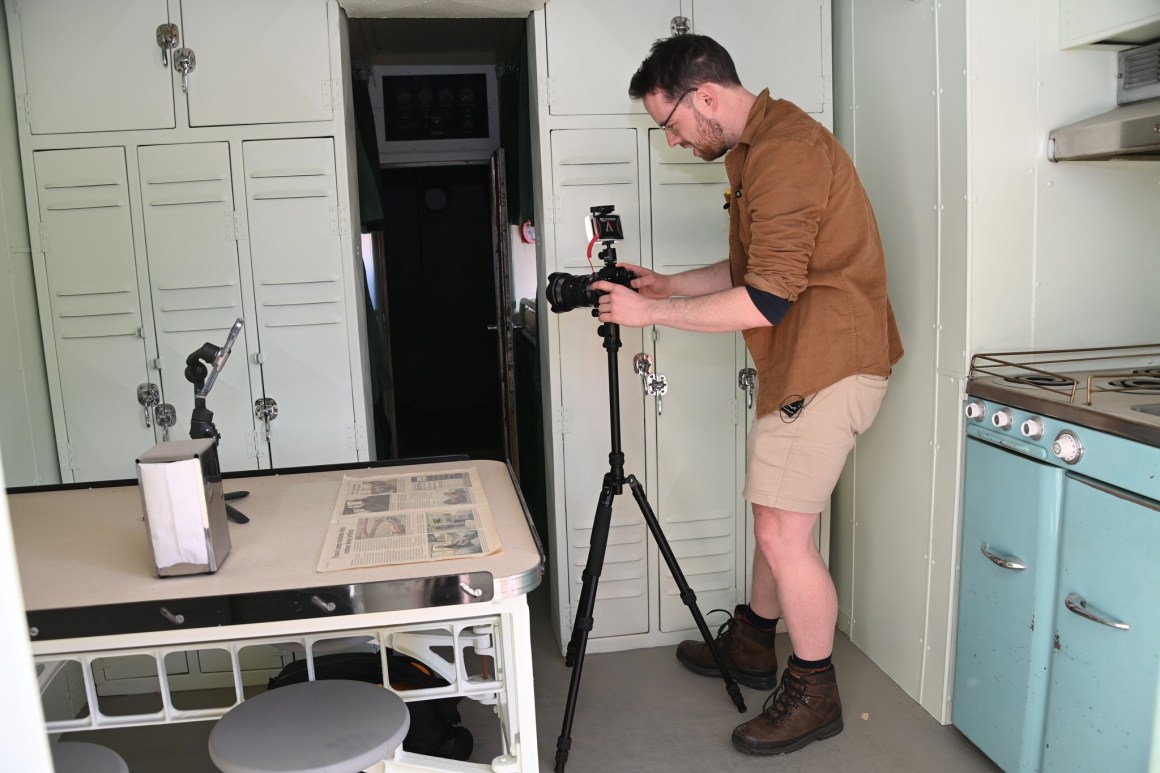
    Earlier this week, YouTube Calum Gillies from Scotland, visited Yuma Proving Ground in Mesa, AZ. He was in town to produce a segment on the TC-497 LeTourneau Overland Train. You can visit his previous Overland Trains video at https://www.youtube.com/watch?v=abGyX2uwXsw.

    Image from YPG Facebook
    Youtuber calum Gillies inside the tc-497. image from YPG facebook
  • Overland Train TC-497 and Buggy Fan Art

    Overland Train TC-497 and Buggy Fan Art

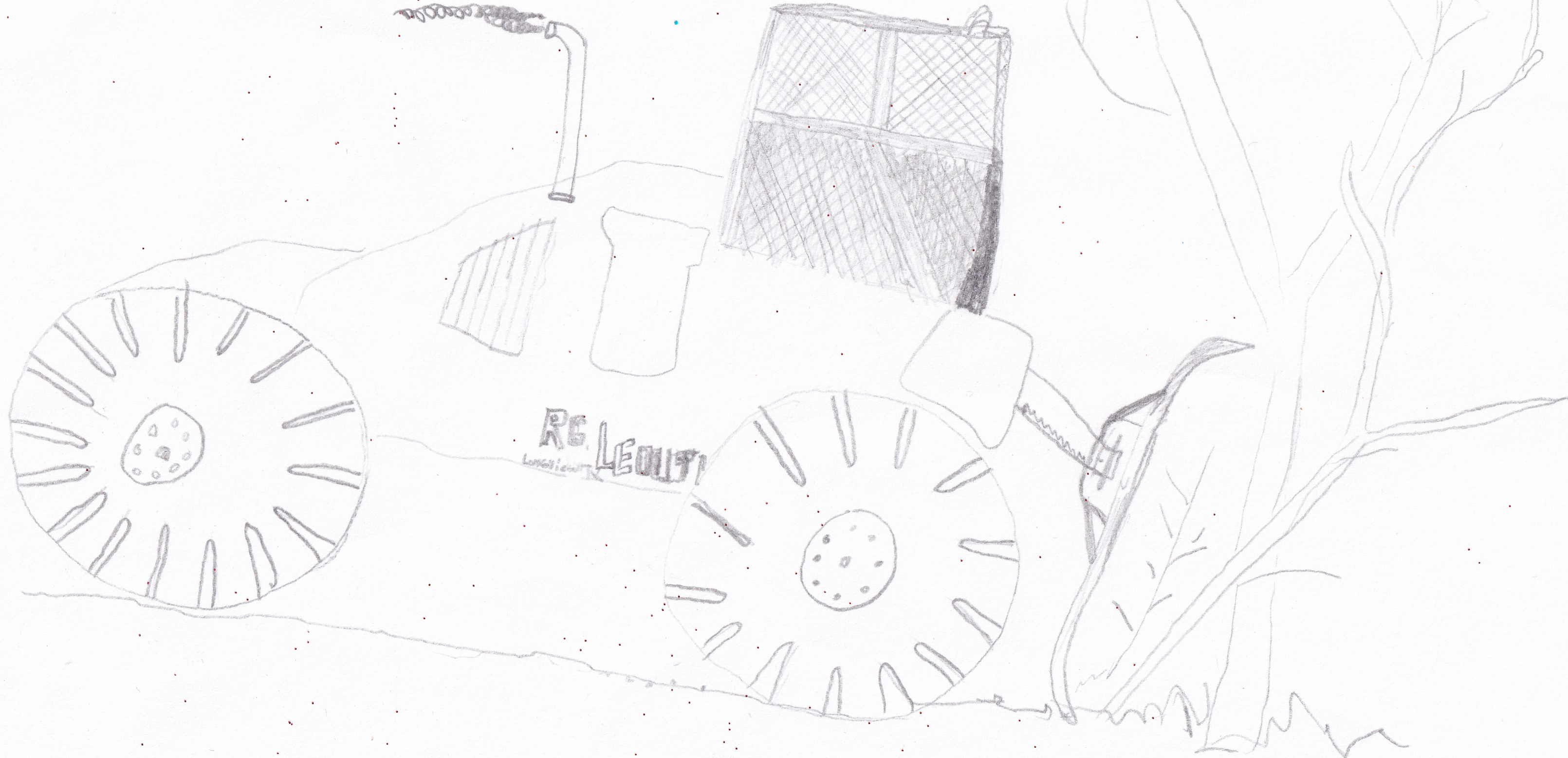
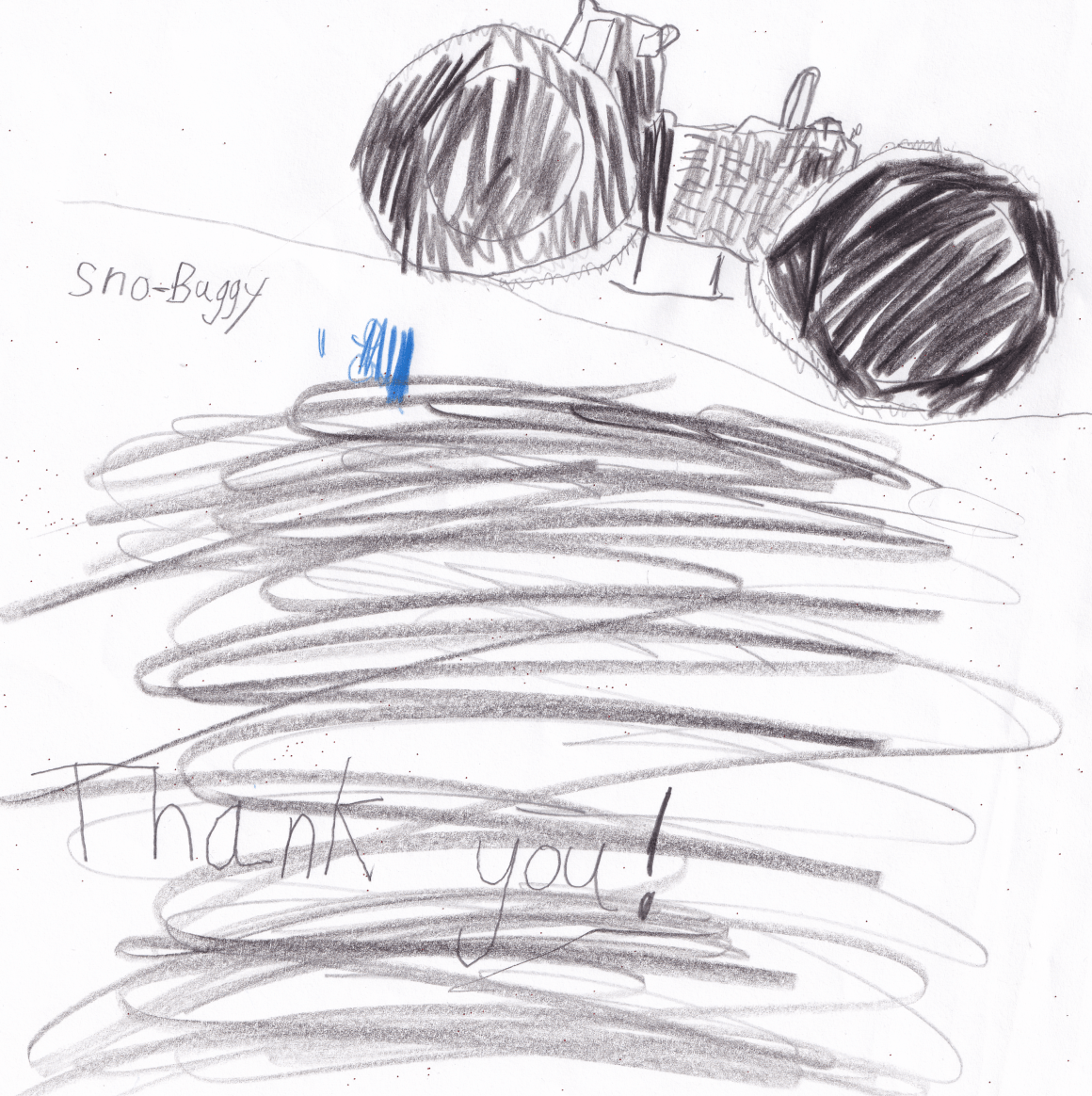
    Several young fans of R. G. LeTourneau’s Overland Trains sent in their fan art. The first drawing is of the Sno-Buggy. It had eight Firestone 120x48x68 wheels and was tested in Greenland.

    The next drawing is the Marsh Buggy. It used an AC electric motor and gear drive to lower and raise a blade, which was used for pushing down small vegetation or shaping small amounts of overburden.

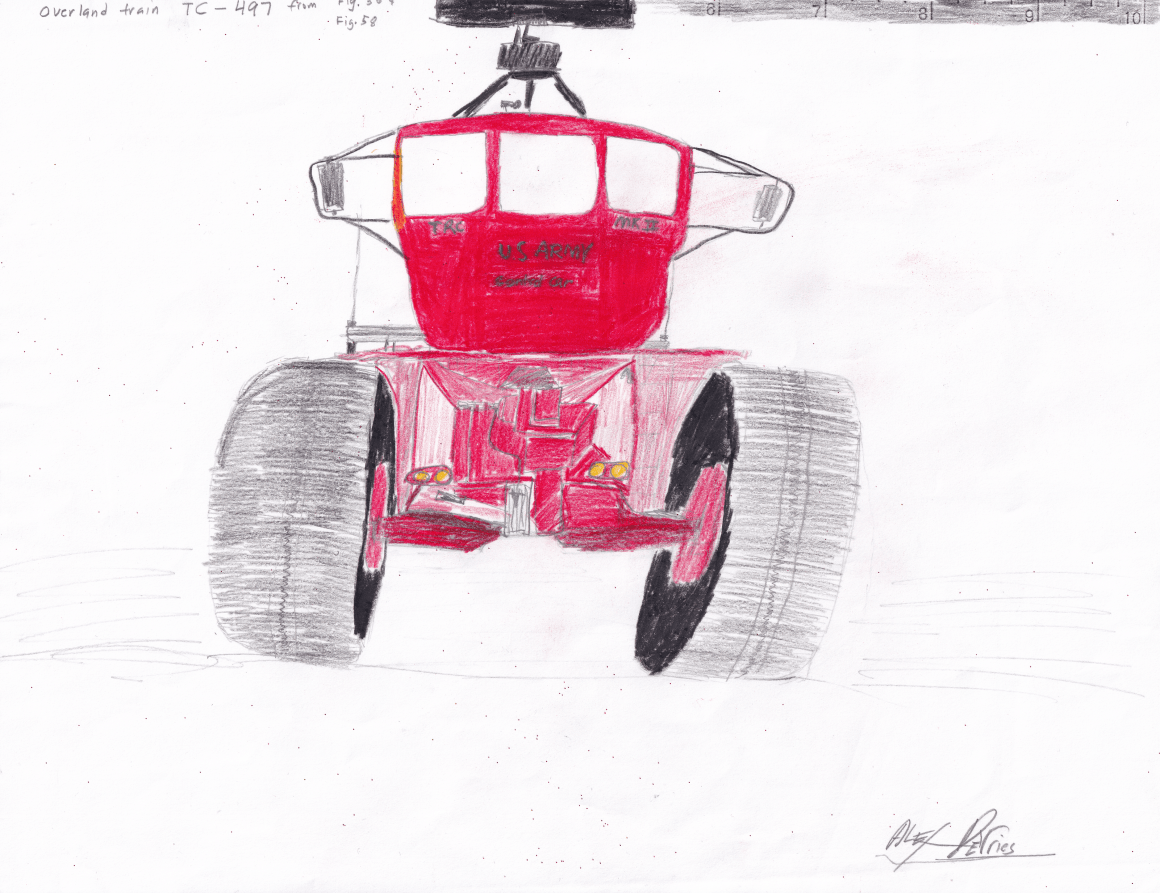
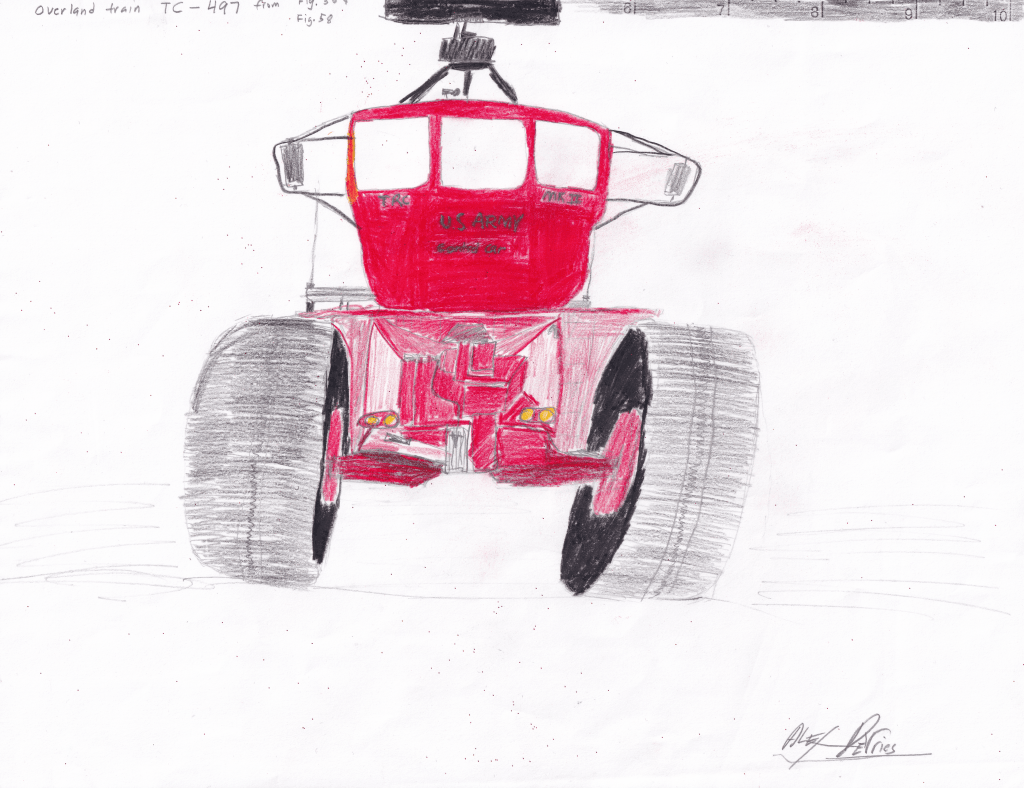
    The final drawing is the TC-497. The control car is at the U.S. Army Proving Ground in Yuma, AZ. The two power cars and most of the trailers were scrapped. At least one trailer is in Nome, AK and was part of a gold dredging project built by Lloyd Molby called Gold Digger.