Category: research
-
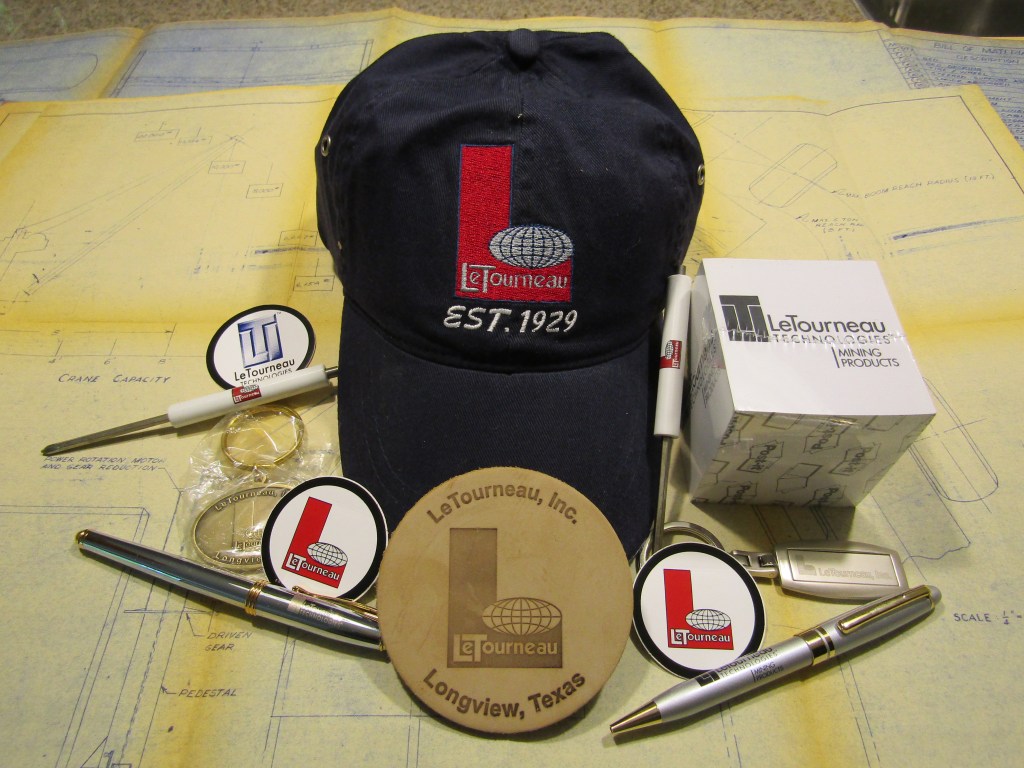
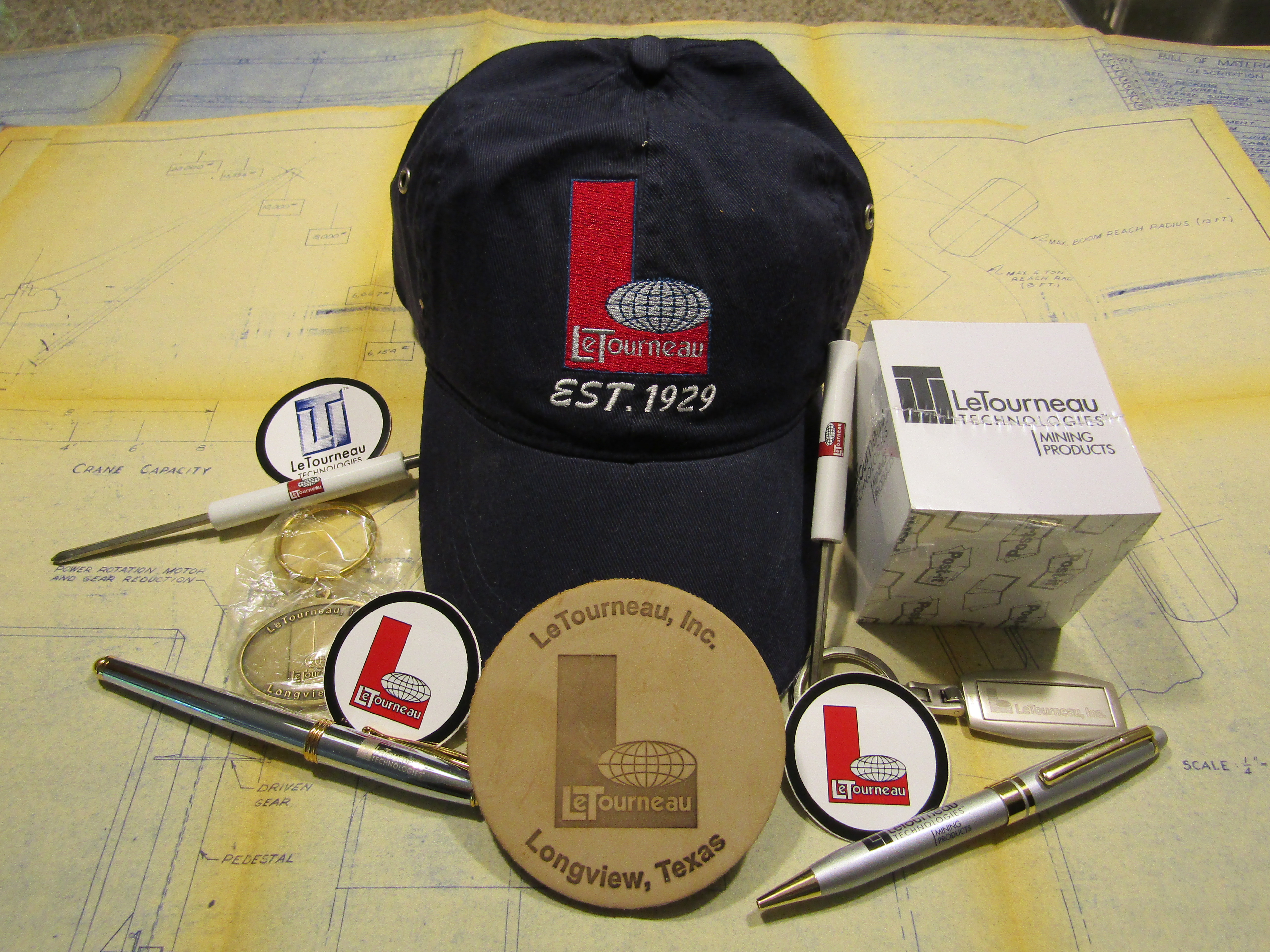
LeTourneau Swag
During my trip to Texas last week, I was gifted these LeTourneau Technologies and LeTourneau, Inc. swag.
-
Trip to Texas – May 17-22, 2021
I traveled to Texas the week of May 16th for book research. I went through piles and piles of archival folders, documents, and reports. The findings from this trip were significant, especially as it relates to the Sno-Train (LCC-1), Overland MkII, and information about R.G. LeTourneau. On Friday, I spent two hours talking to two different individuals over lunch. One of these men worked on the assembly line; he assembled the Sno-Buggy, Sno-Train, and Overland MkII!!! The other worked side-by-side with R.G. LeTourneau drafting up his ideas and the suspension for the Overland MkII. In total, I gathered nearly 6GB of data about the Overland Trains, including a dozen or so new Train concepts. I am still hoping to have my book published by the end of the year. I can definitely see all of this data delaying the final product by a few months into 2022 – I need to make sure this book is right!
I visited the Gregg County Historical Museum’s R.G. LeTourneau exhibit. There was a great deal of history about LeTourneau and his contributions, including a small exhibit on the Overland Trains. This exhibit closes June 12, 2021.
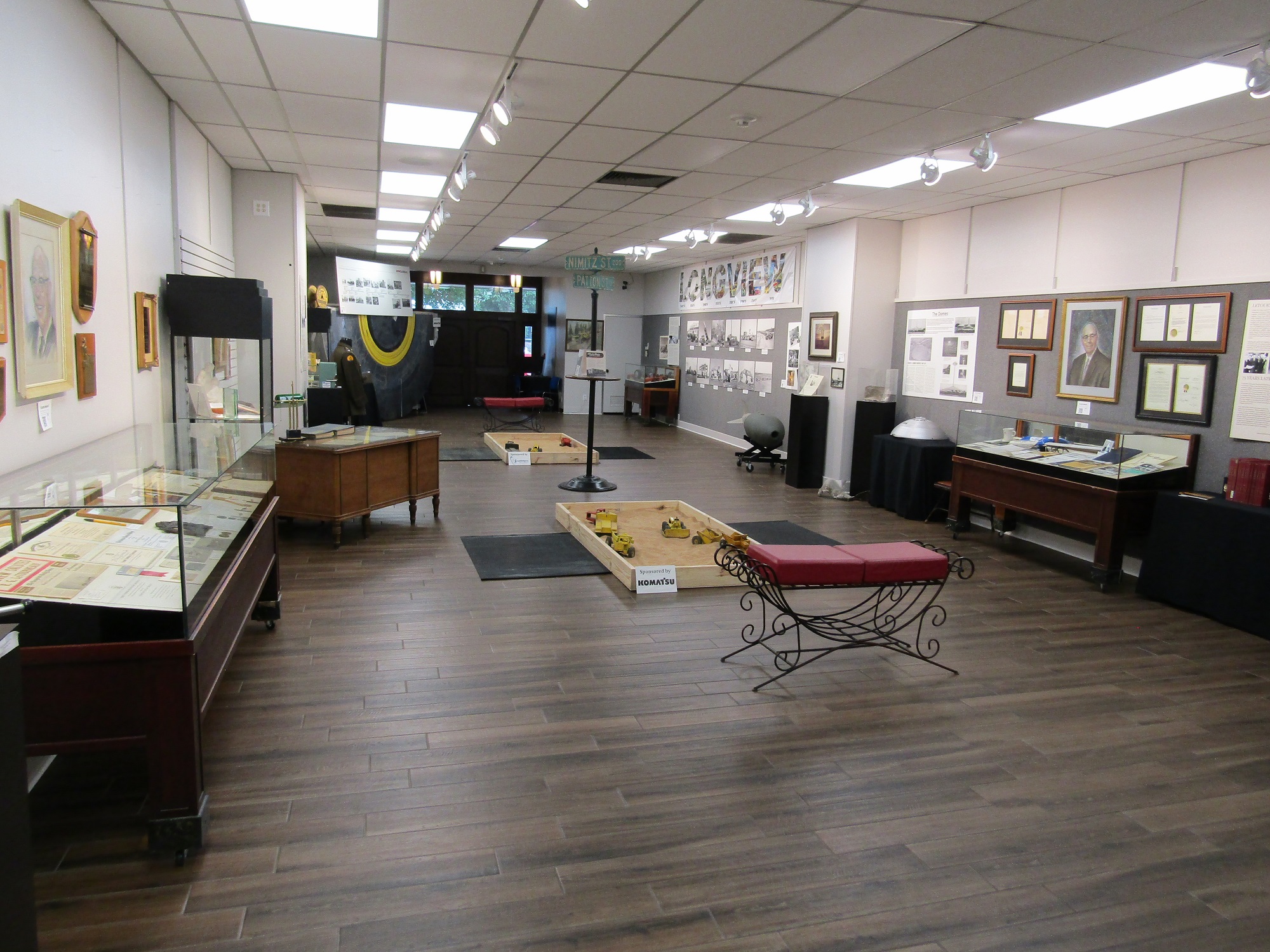
Most of the R.G. LeTourneau exhibit 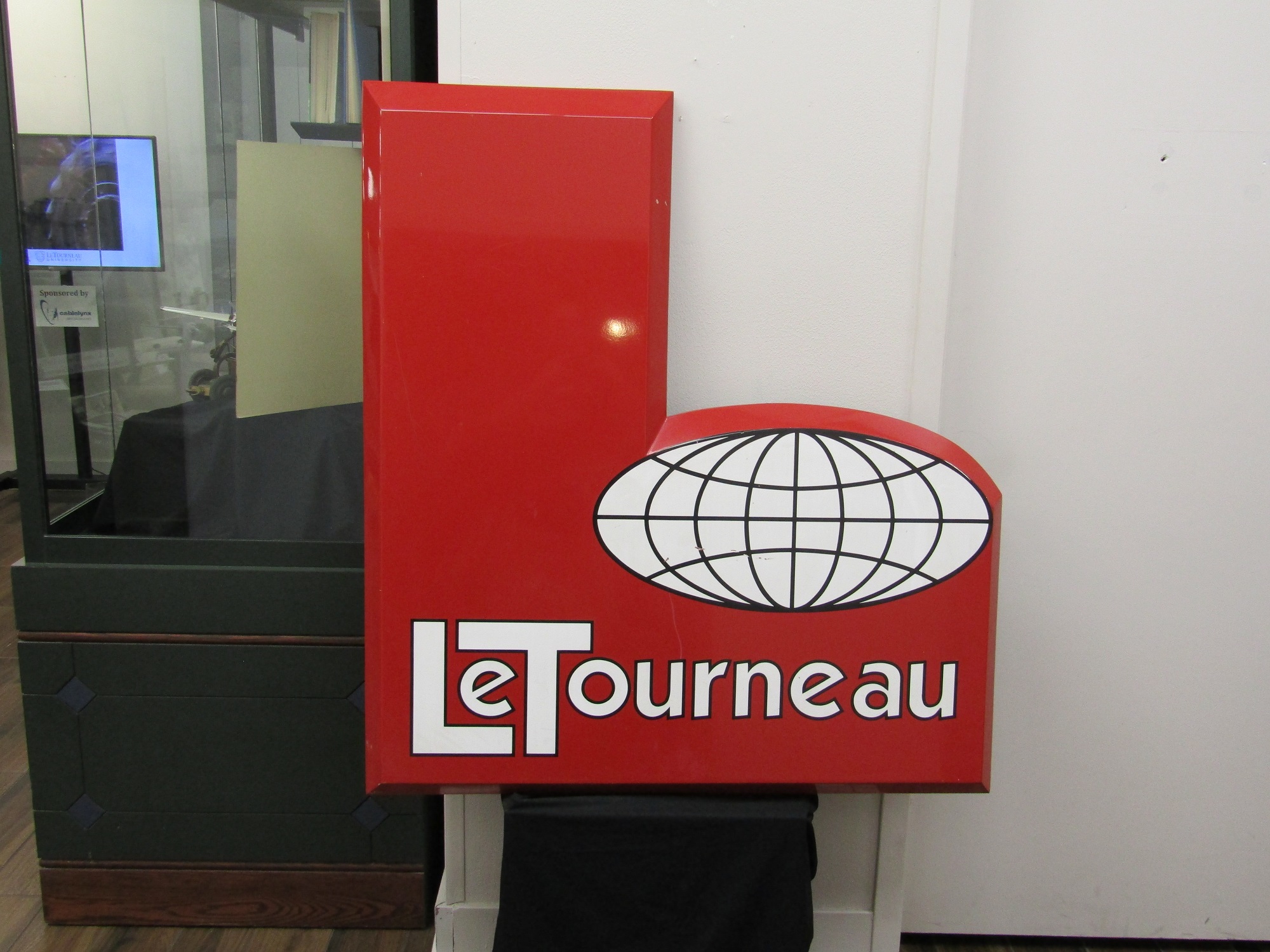
LeTourneau sign 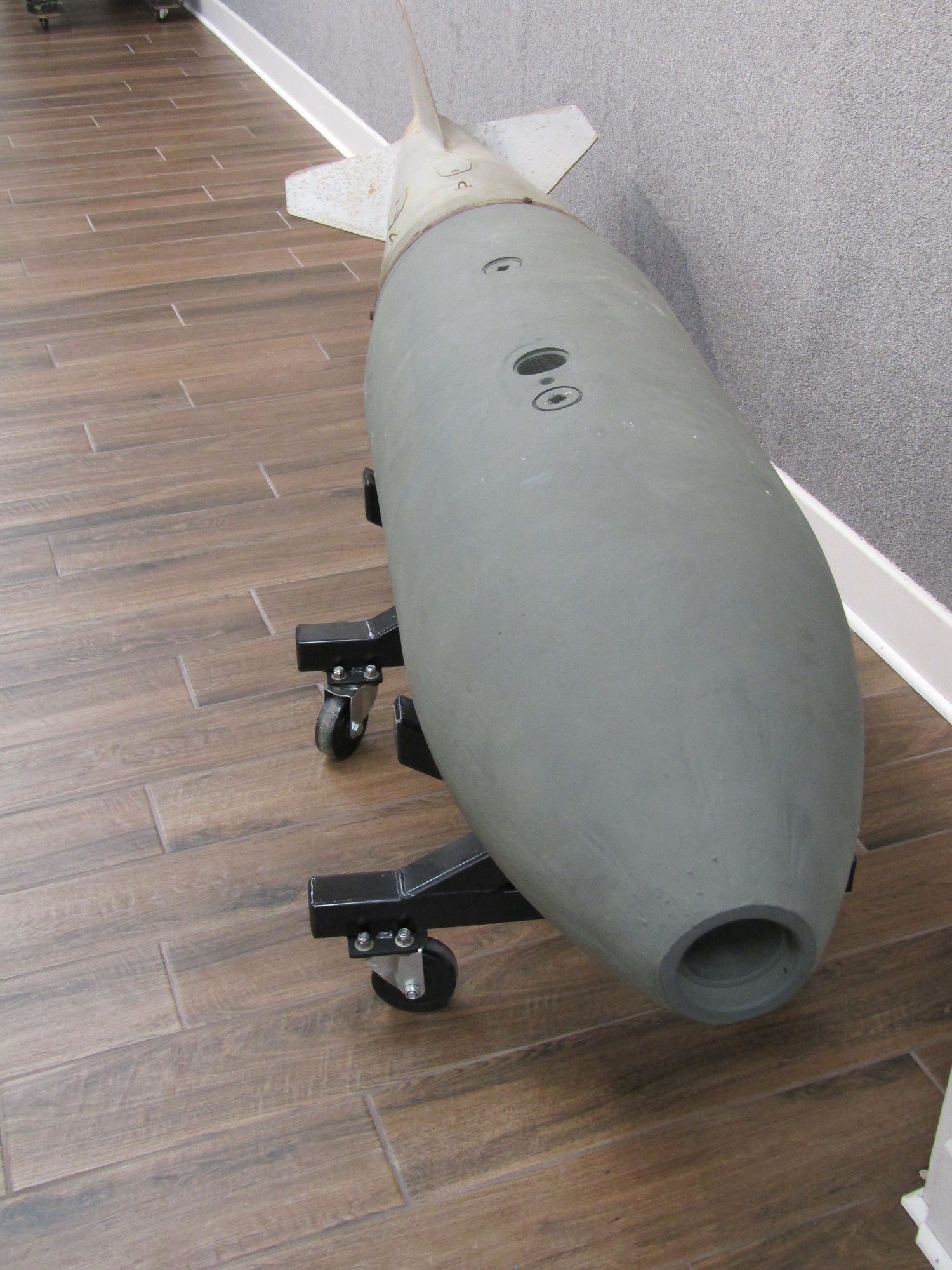
a 750 pound bomb made by LeTourneau for WWII
-
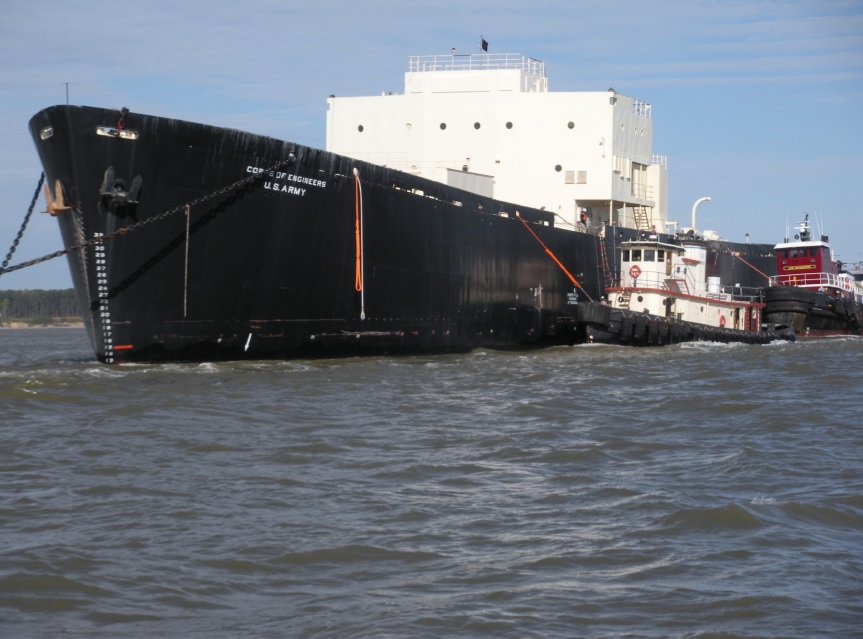
Power Barge Sturgis – MH-1A
The Army’s Nuclear Power Program (ANPP) had 7 nuclear prototypes. One of those was the Power Barge Sturgis. It was the highest nuclear power providing reactor in the fleet. The MH-1A nomenclature stood for Mobile High Power (over 10mW) – the first one (1) built and (A) field installation. It was in service from 1968 to 1976. It was first testing in Ft. Belvoir, Virginia. It was then moored in Gatun Lake, Panama.
Photo courtesy NS SAVANNAH ASSOCIATION, INC. via https://www.ans.org/news/article-1685/nuclear-power-barge-sturgis-begins-last-voyage/ Today, the only publicized dedicated floating nuclear power plant is the Russian Akademik Lomonosov.
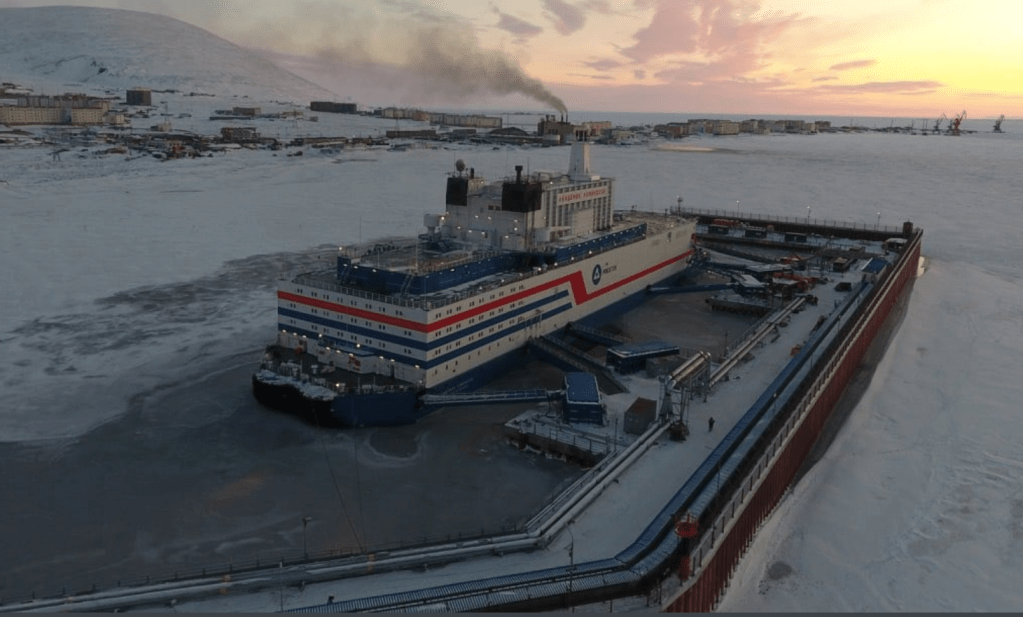
Akademik Lomonosov courtesy of Rosatom Global Twitter -
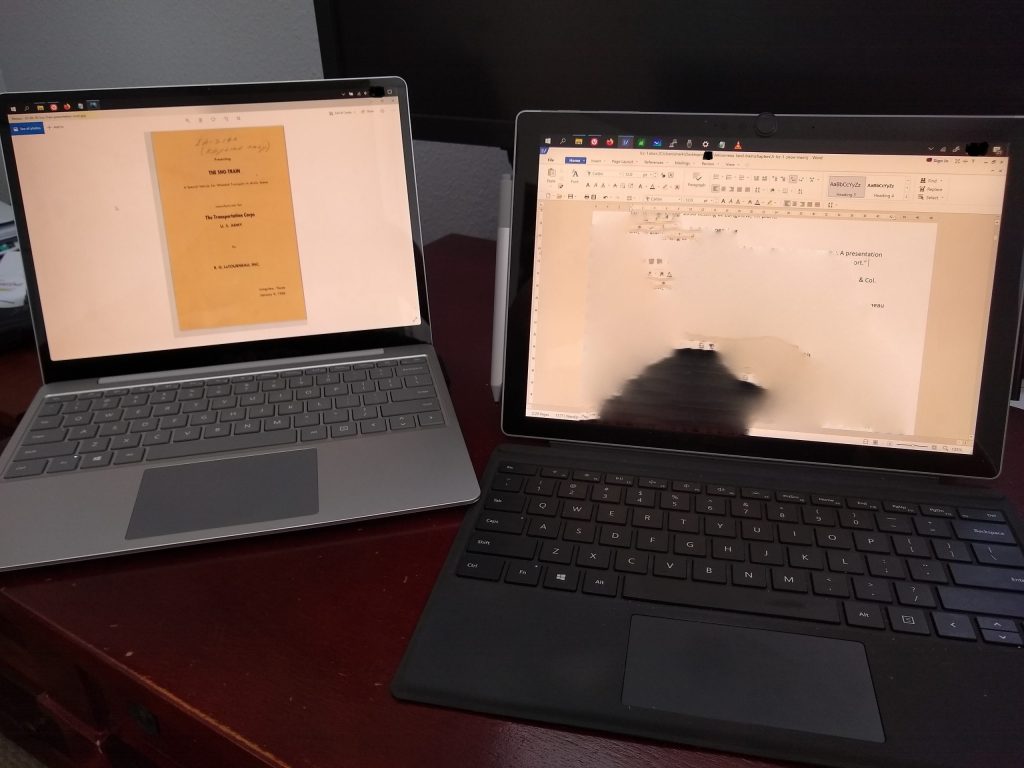
Working on the Sno-Train Chapter
For the most part, I work on some aspect of the book every day. Some days my actual job, the one that sustains my life, will burn me up and I won’t have the energy to work on it during the evening. Last night, I spent some time working on the Sno-Train. This machine is one of the top two popular Overland Trains. It traveled the most and was engaged in the most field based testing.
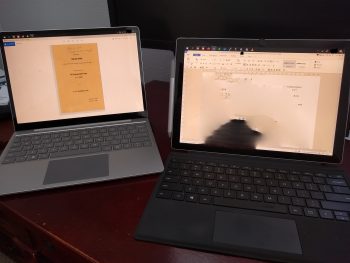
Writing the Overland Trains book has been much more of an undertaking that I previously thought. As I dug in and started talking to folks, the storyline just kept getting deeper. In the image below, you see both of my laptops that I use for writing. On the laptop to the left, I am working on reviewing “The Sno-Train” demonstration pamphlet. It contains images and details on Train usage and attending military dignitaries.
-
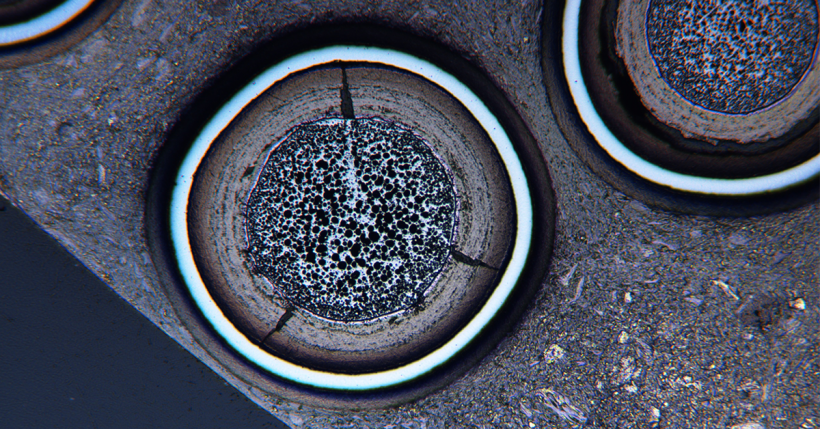
TRISO Fueled Nuclear Micro-Reactors
TRISO, or Tri-Structural Iso-Tropic particle fuel, contain uranium, carbon and oxygen fuel kernel. The kernel has three layers of carbon- and ceramic-based materials that prevent the release of radioactive fission products. The DoD recently selected X-energy and BWXT Advanced Technologies, LLC micro-reactor design to continue with their micro-reactor prototypes.
image: https://www.energy.gov/ne/articles/triso-particles-most-robust-nuclear-fuel-earth During the Overland Trains development, an MM-1 nuclear micro-reactor was being developed for use to possibly power the Train. I will have more in the book about that development and what eventually came of the nuclear Train concept.
More Reading
https://www.energy.gov/ne/articles/new-alloy-material-approved-use-high-temperature-nuclear-plants
-
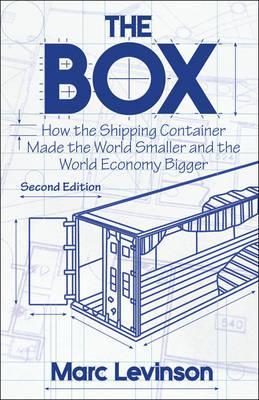
What am I Reading? “The Box”
Marc Levison’s “The Box.” So far, this book reads well for anyone interested in history, economics, and a topic that is just a little bit off the norm. I am on Chapter 3 right now. I started reading this book to learn more about shipping during the Cold War and Alaska Freight Lines.
-
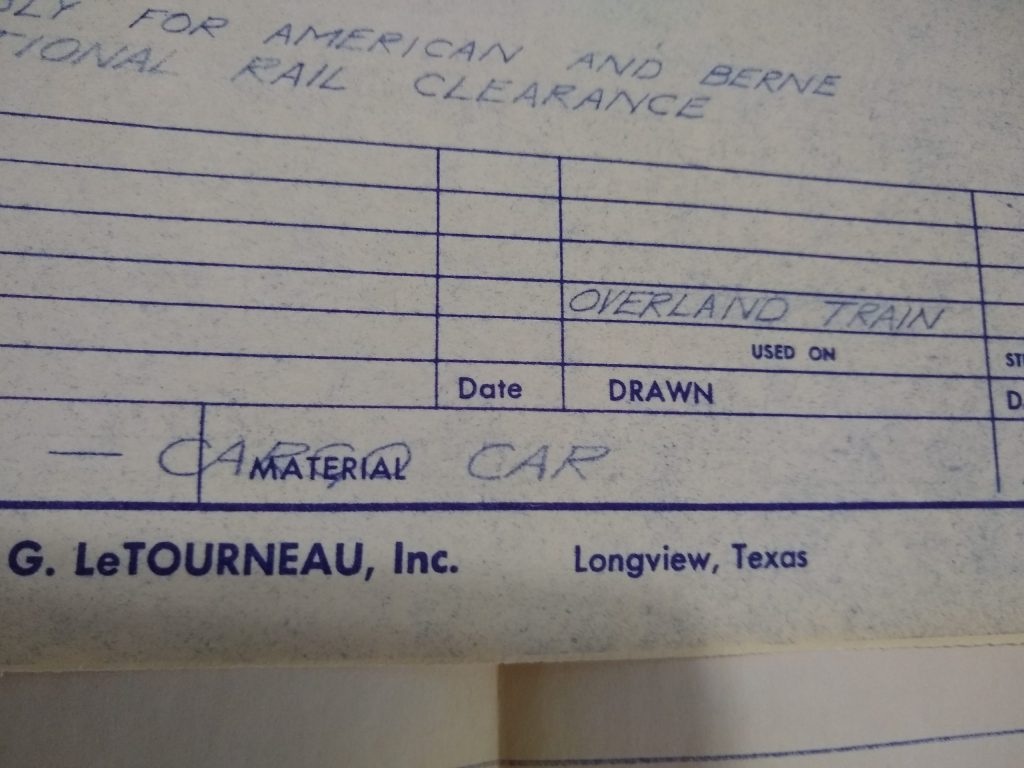
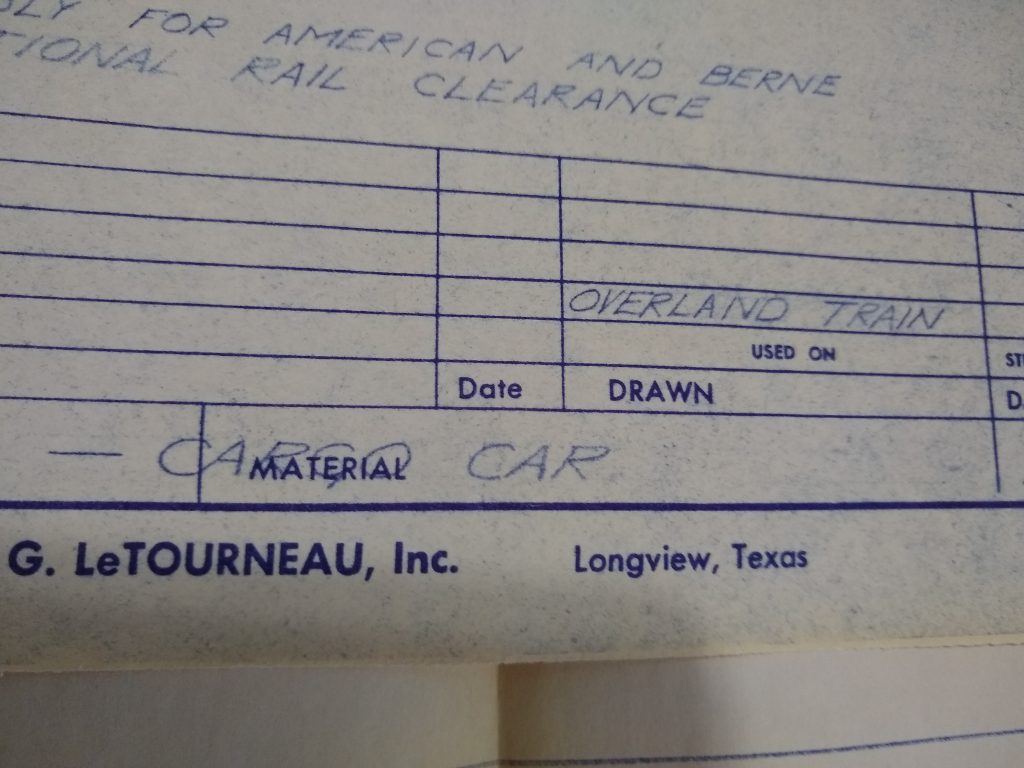
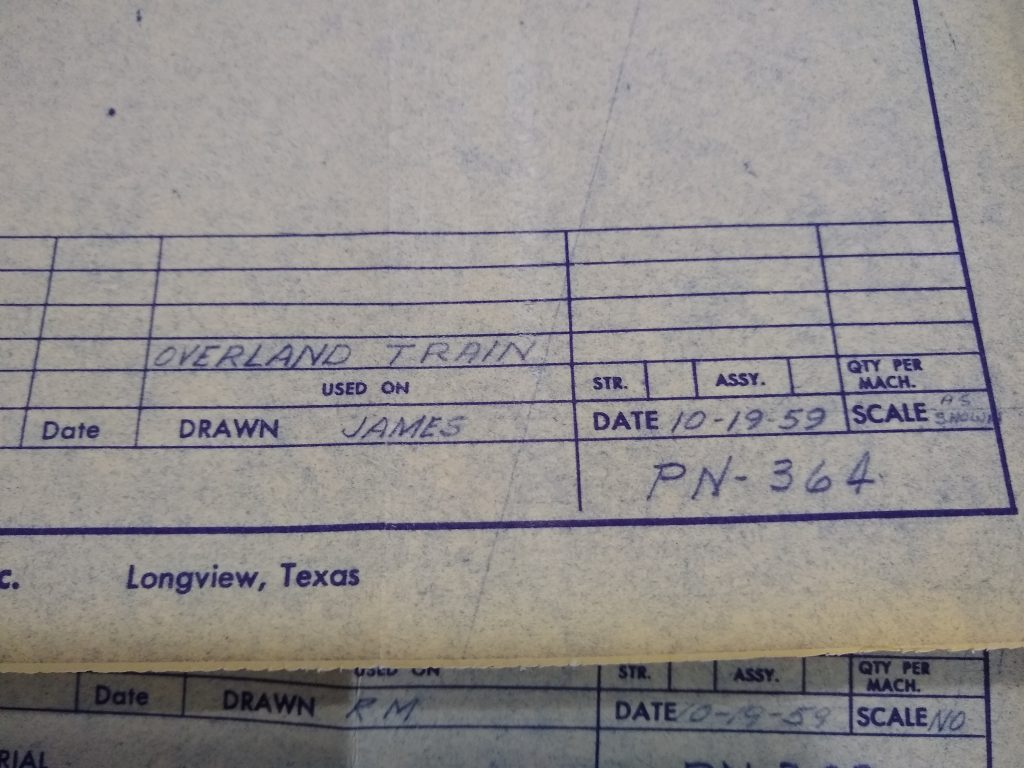
Summary Report: Preliminary Design, Study, and Investigations on the Overland Train Project
The above titled report is dated December 28, 1959. This unpublished report works through some of the initial ideas for the TC-497 Overland Train MkII. Discussion includes engine choices, decisions that led to the Solar turbines, and much more. The report also includes specifications and engineering drawings for suspension, heating system, electrical diagrams, and others. I have unfolded all of the large format papers and will have them scanned for future historians.
-
Best Search Engine for Research
I love research. Aside from the the satisfaction of completing a final project, digging deep into archival documentation provides a great deal of satisfaction. I have used a combination of Google and DuckDuckGo for most of my research. The problem with Google is that the search engine tailors your results according to your location, previous, search, and other personalized data.
A few weeks ago, I gave StartPage (https://www.startpage.com) a try. StartPage anonymously queries Google for results without all of the aforementioned interventions. Almost instantly, I found a couple of amazing gold mines related to the Overland Trains book that I am writing. With that said, it is important to diversify your data search platforms.
I have been extremely happy with StartPage. It finds really obscure results that even Google doesn’t provide because of built-in search biases.

 Overland Trains