Category: LCC-1-Sno-Train

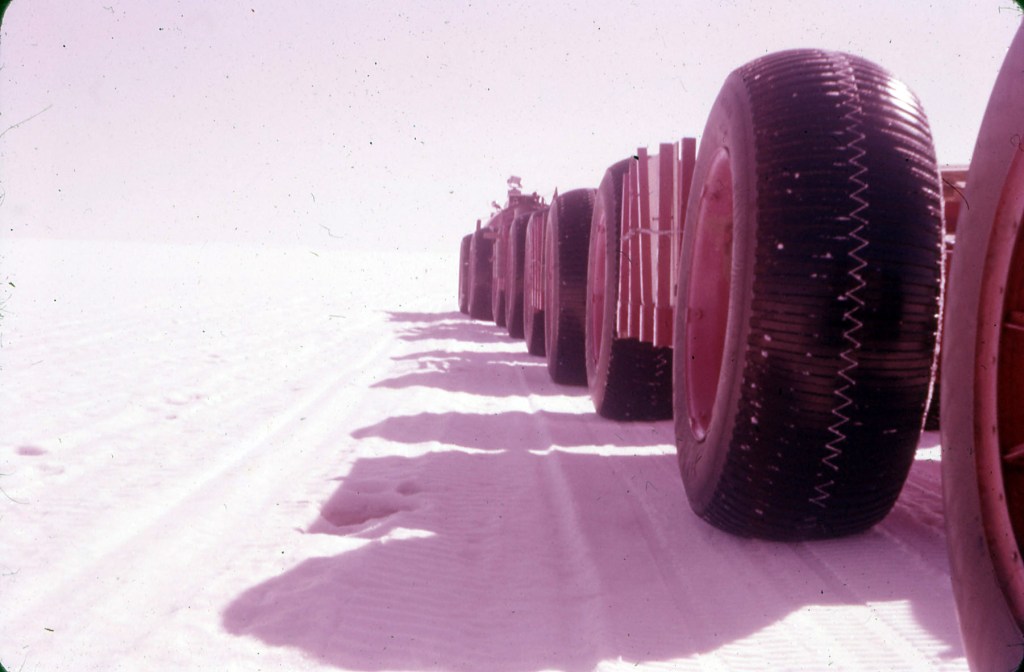
  • Sno-Train Pulling a non-LeTourneau Trailer

    Sno-Train Pulling a non-LeTourneau Trailer

    During any scientific, research, or subject matter exploration, understanding the finer details can make or break a project. Observations that seem like minutia can be key puzzle pieces. In the Sno-Train image below, you can just make out a 4th trailer attached to the convoy. If you look closely, you can make out, what appear to be a spoked rim. This trailer is NOT a LeTourneau trailer. I will dedicate an entire chapter in my book to what these trailers and wheels originated and who built them. Until then, enjoy this newly published image.
  • Sno-Train Driving with Lights and Writing Update

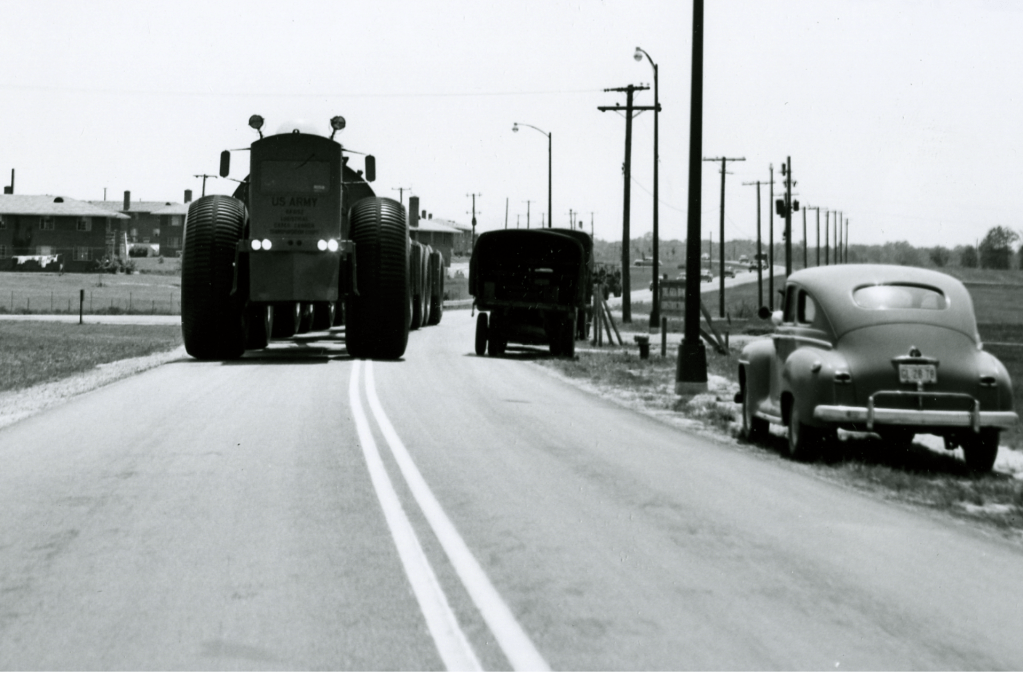
    Sno-Train Driving with Lights and Writing Update

    Imagine driving down the road and seeing this machine taking over part of your lane. You bet that you are going to get over!

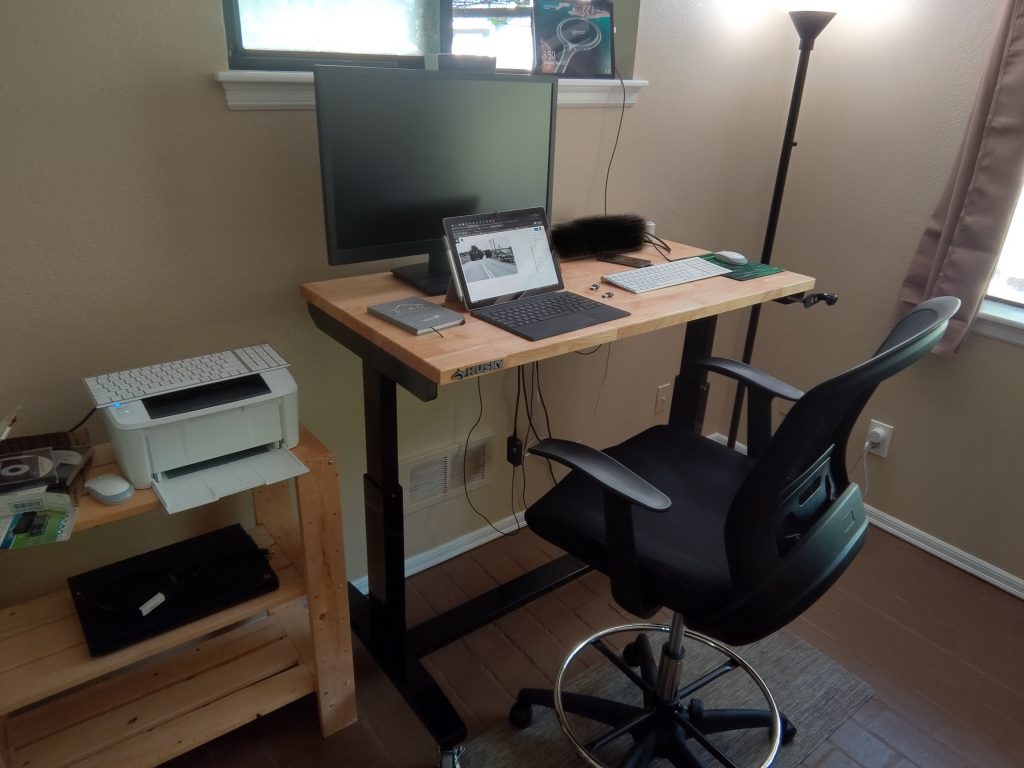
    Writing has slowed over the last two weeks. I have been moving from Tacoma, WA to Gig Harbor, WA. It is time to get back to work! With the move comes an upgrade to my office environment. The Overland Trains book is now in full swing, as I have some space to write and a new large monitor to really deep dive into the materials. Next month, I will be traveling to visit a historian that has been helping me with research and conversation. Without him, this book would not be possible. I will be posting updates during the trip.

    my office where I am writing the Overland Trains book
  • Bringing back Trailer Mounted Nuclear Micro-reactors

    Bringing back Trailer Mounted Nuclear Micro-reactors

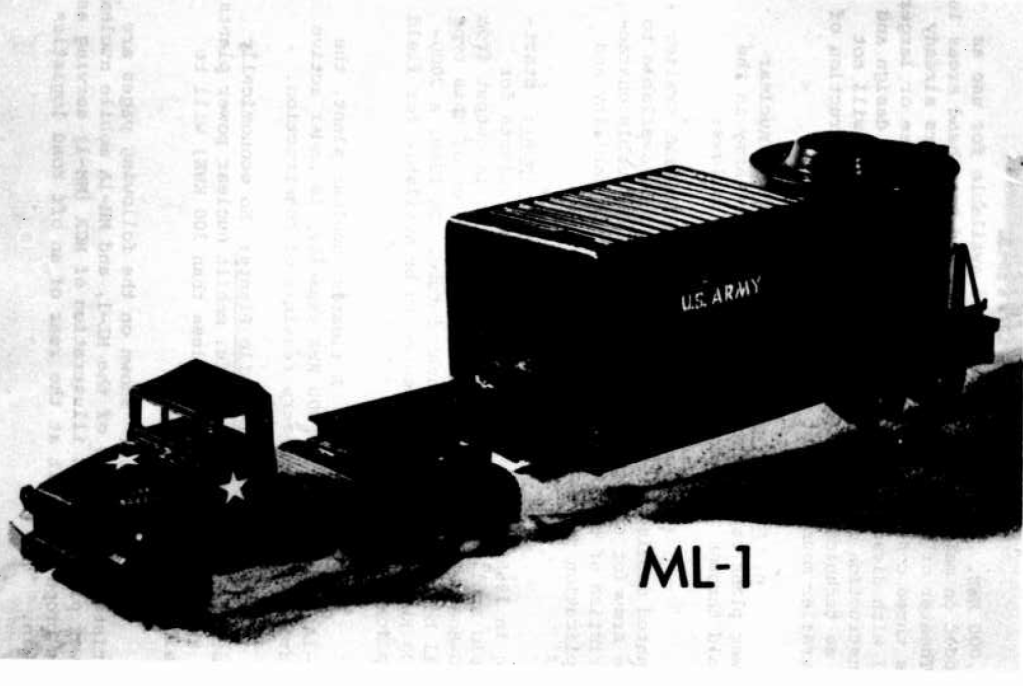
    In the late 1950’s, the United States Army Nuclear Power Program (ANPP) was exploring a number of nuclear reactor types. One of those reactors was the ML-1. The ML-1 is a 30-ton, trailer mounted reactor. It was designed to produce 300-500 KWE and could run at full power for 10,000 hours before refueling.

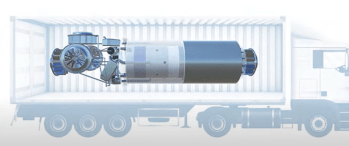
    Nearly 60 years later, the United States Department of Energy’s MARVEL reactor program aims to do the same thing. Project Pele at the United States Department of Defense has fever for micro-reactors too. These new reactors are much safer than those of reactors past. They use a TRISO fuel that is virtually melt-down proof. Let us see if we can make this happen!

    United States Department of Energy’s Project MARVEL – image:https://www.energy.gov/ne/articles/new-marvel-project-aims-supercharge-microreactor-deployment

  • Working on the Sno-Train Chapter

    Working on the Sno-Train Chapter

    For the most part, I work on some aspect of the book every day. Some days my actual job, the one that sustains my life, will burn me up and I won’t have the energy to work on it during the evening. Last night, I spent some time working on the Sno-Train. This machine is one of the top two popular Overland Trains. It traveled the most and was engaged in the most field based testing.

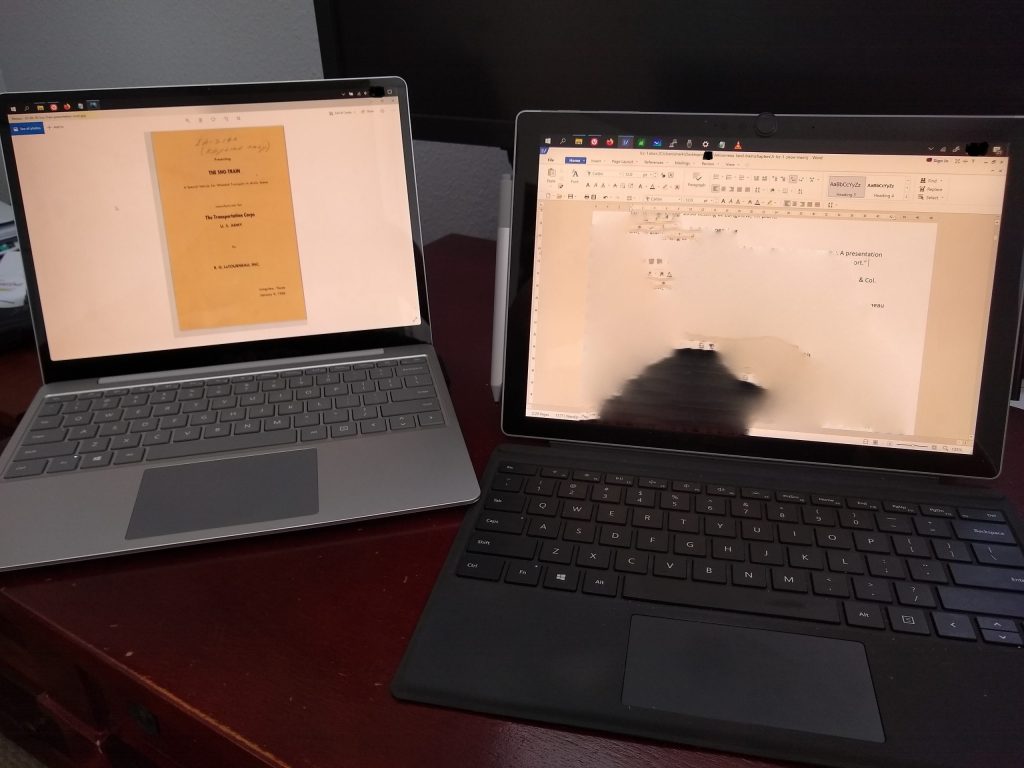
    Writing the Overland Trains book has been much more of an undertaking that I previously thought. As I dug in and started talking to folks, the storyline just kept getting deeper. In the image below, you see both of my laptops that I use for writing. On the laptop to the left, I am working on reviewing “The Sno-Train” demonstration pamphlet. It contains images and details on Train usage and attending military dignitaries.

  • LCC-1 Sno-Train sold as Army Surplus

    LCC-1 Sno-Train sold as Army Surplus

    When the Army Sno-Train was sold as surplus out of Fort Wainwright, AK, the Army surplus form contained an equipment inventory, images, and other operational information. The image below was included in the surplus package. Towards the end of the surplus document, it states “THIS VEHICLE WAS IN OPERATING CONDITION WHEN SHUT DOWN.” The “Locomotive” car was cited to weight 57,200 pounds. The “freight car” weight was cited at 29,400 pounds. The surplus sheet also states that there were “20 crates of spare parts, inventory available, are stored aboard, and are included in the sale.” I would have loved to take a look at those crates! More details coming in the book!

    image: Greater St. Louis Air & Space Museum

  • The Overland Train MkII (TC-497) with Power Car

    The Overland Train MkII (TC-497) with Power Car

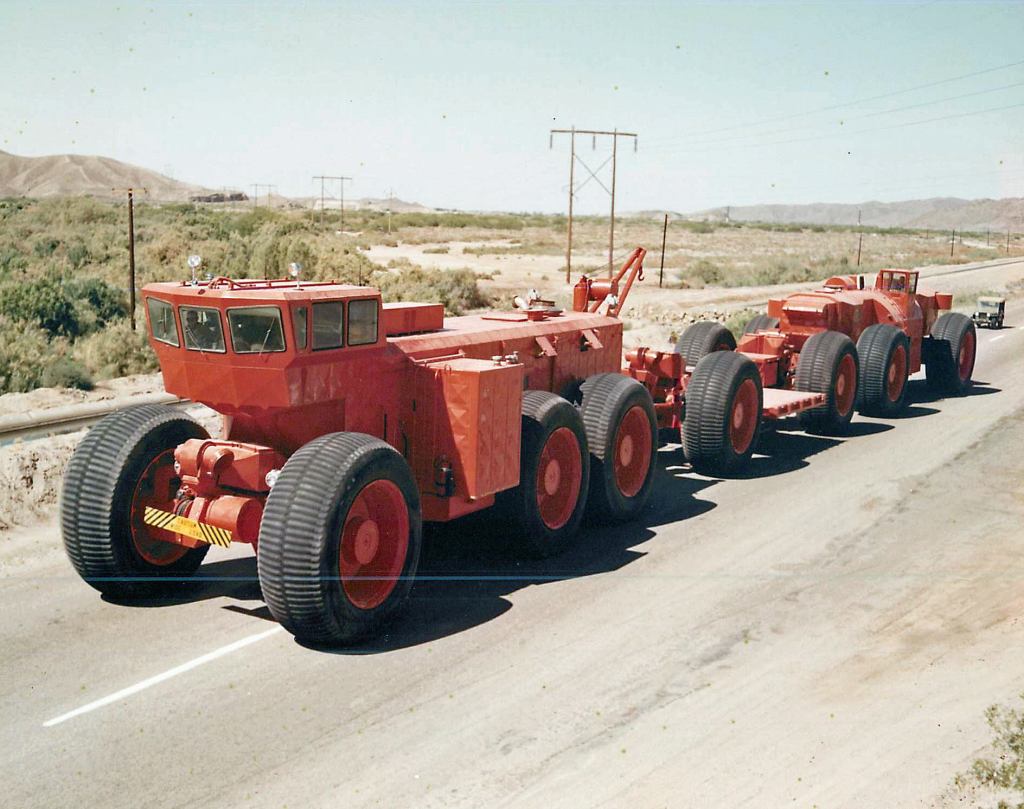
    Below, the Overland Train MkII rolls along with a Cargo Car and Power Car in Yuma, AZ. There is no backstory for this image and the source is unknown. This week was largely spent working on the TC-497 chapter. Phase I of the Army’s contract for R.G. LeTourneau, Inc. to create the Overland Train, was to build out the preliminary design. Using data from the Sno-Train (LCC-1), LeTourneau engineers worked out the gaps and started work on the machine you see below.

    source: unknown.
  • LCC-1 Sno-Train 3D Printed Model

    LCC-1 Sno-Train 3D Printed Model

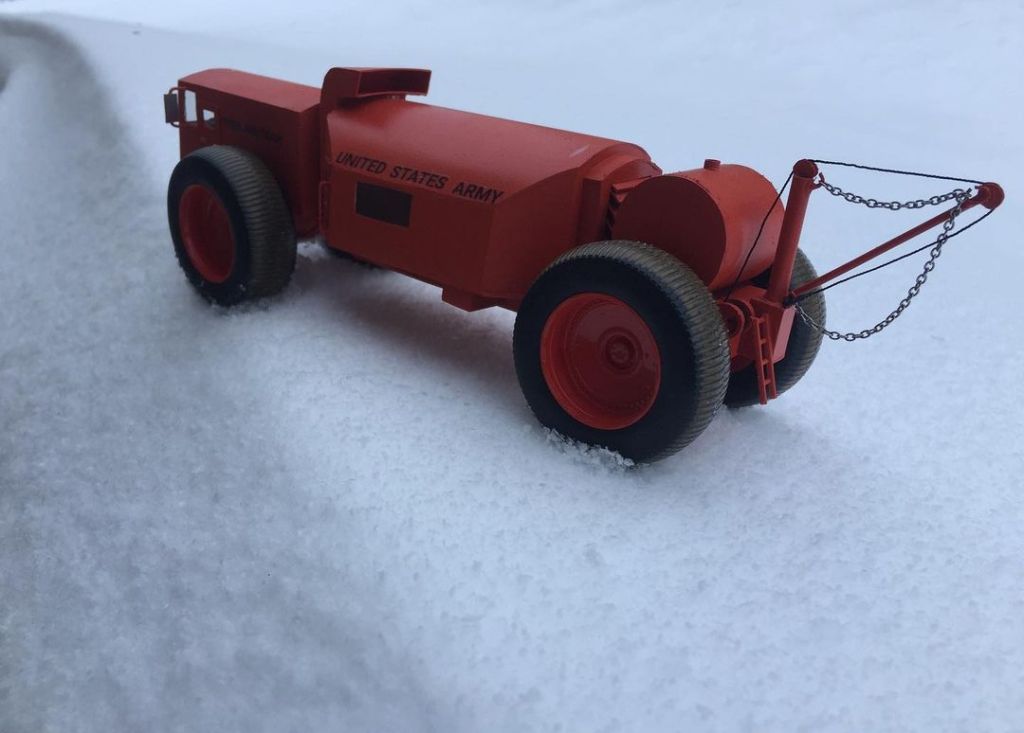
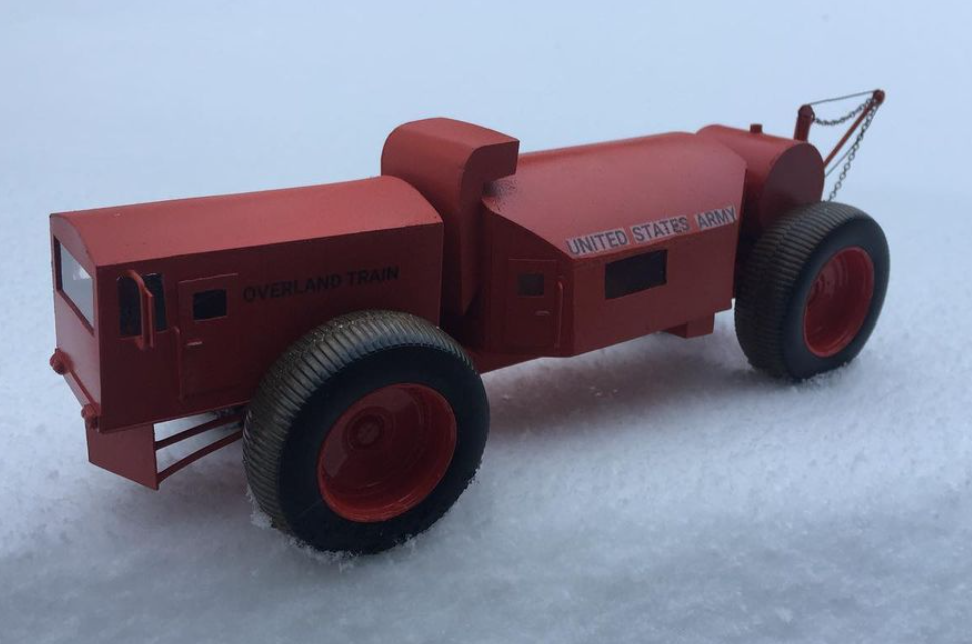
    I came across a Instagram page called C.D.G. Customs (https://www.instagram.com/c.d.g.customs/). The page creator built an amazing LCC-1 LeTourneau Sno-Train. Go and give his page some “Likes!”

  • The LeTourneau Sno-Train (LCC-1) Instrument Panel

    The LeTourneau Sno-Train (LCC-1) Instrument Panel

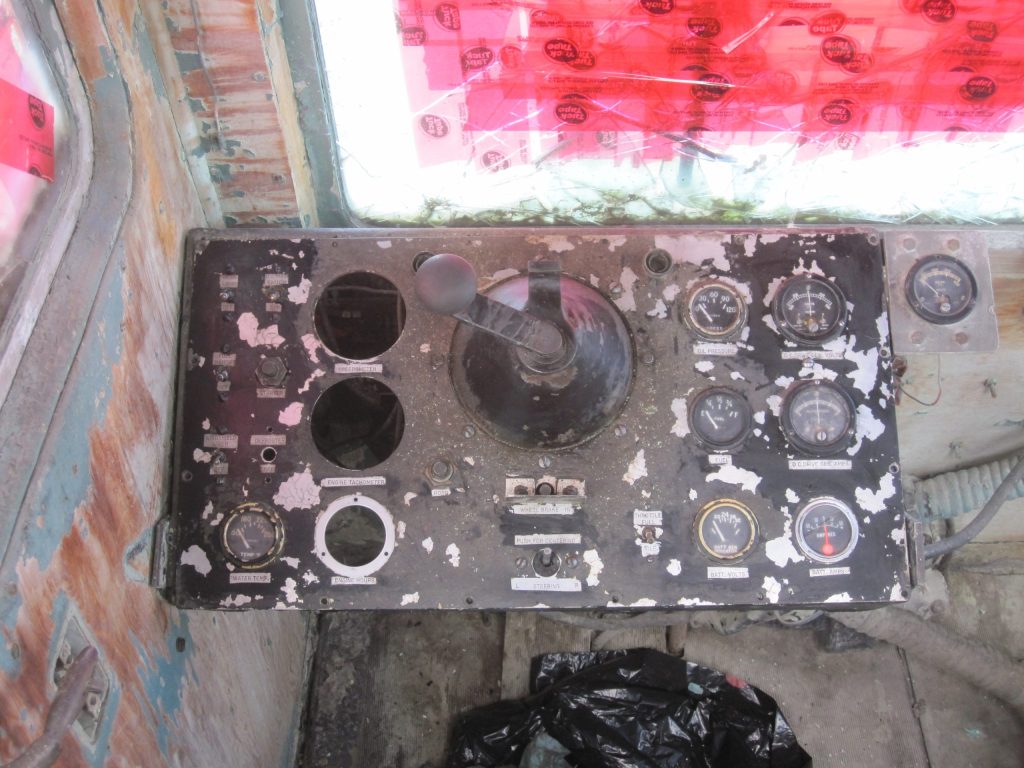
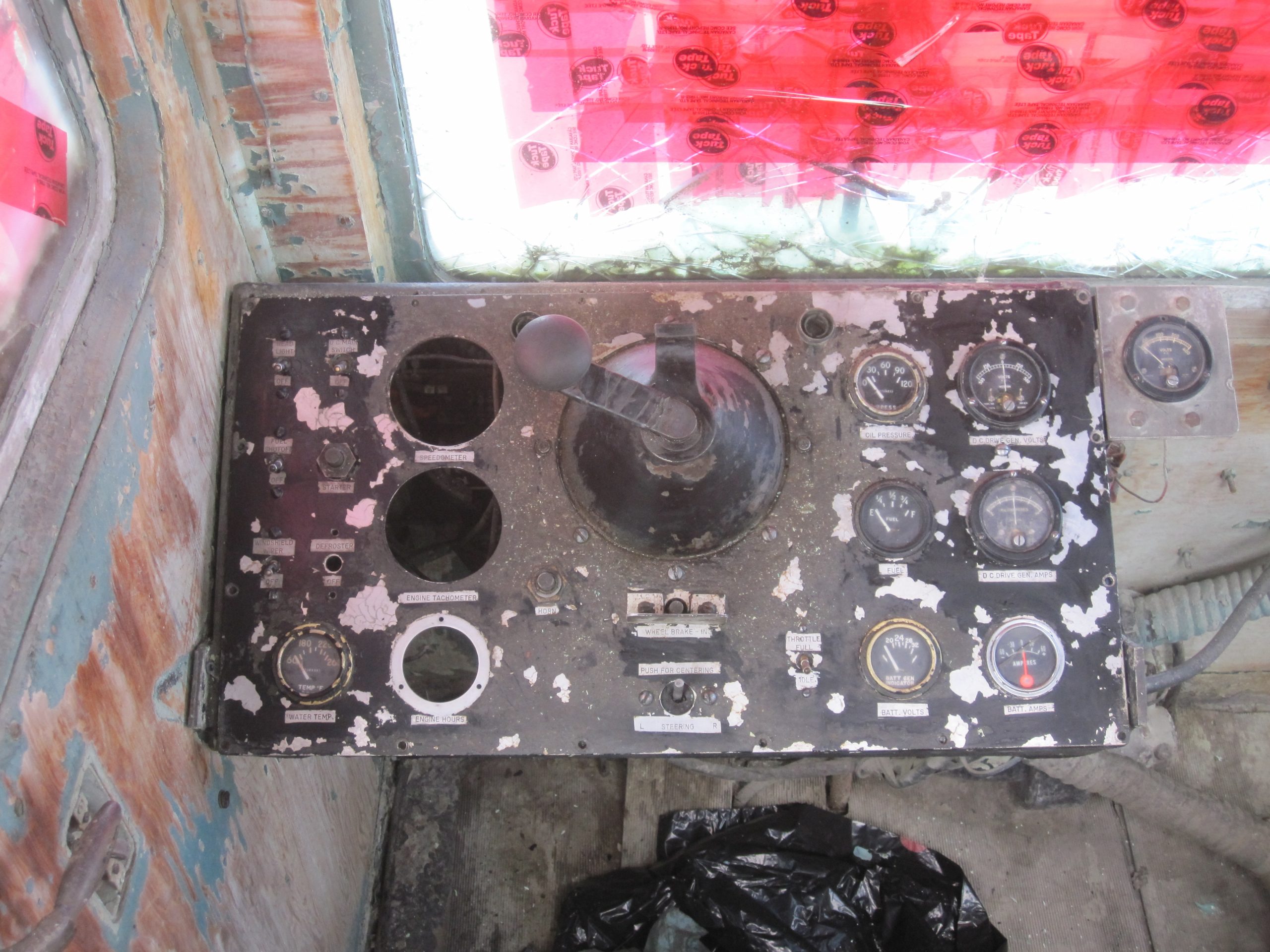
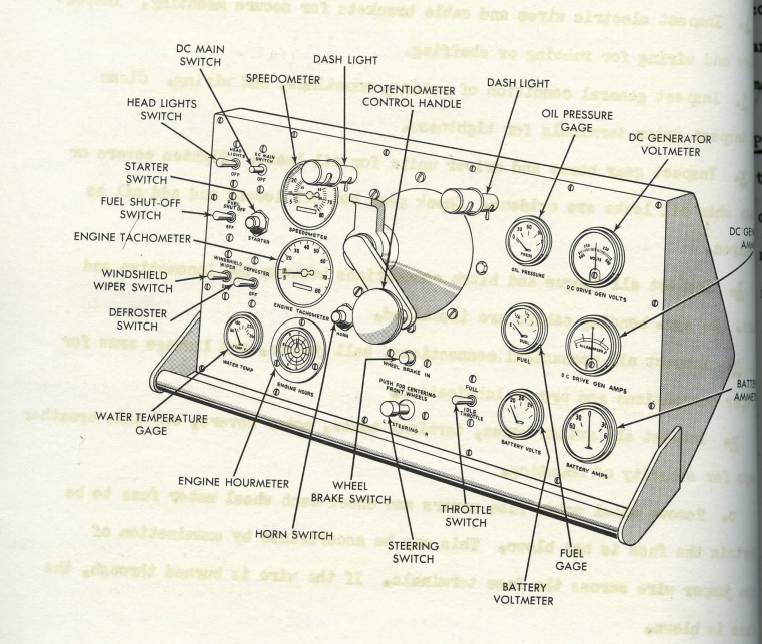
    The LeTourneau Sno-Train, or LCC-1, is propped up at the Yukon Transportation Museum in Whitehorse, YT. Inside the Sno-Train, the instrument panel sits, largely in tact. LeTourneau built the Sno-Train using simple and modular parts. Instead of an accelerator pedal, LeTourneau used a potentiometer, the large round object in the middle of the instrument panel. The speedometer, tachometer, engine hours gauge, and a couple of switches are missing. Not bad for a machine over 65 years old!

    Latest Sno-Train Posts

    • LCC-1 Sno-Train Black and White Outline

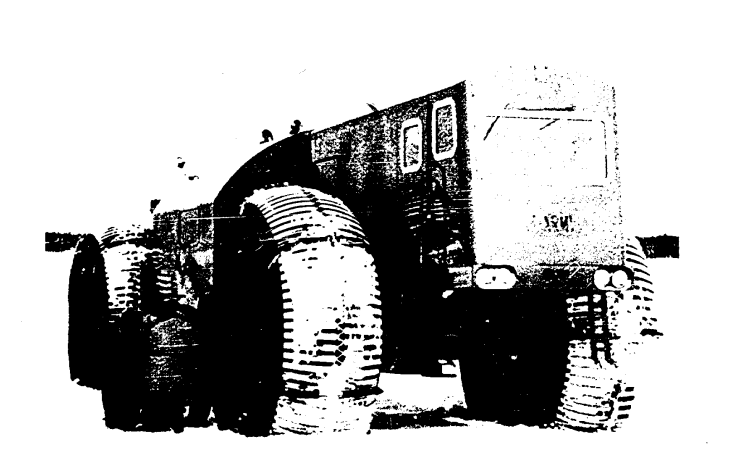
      The image below is from the TCREC Technical Report 61-118. This report outlines scale model tests for various tires in snow an sand.

    • Army Sno-Train image dated April 13, 1956

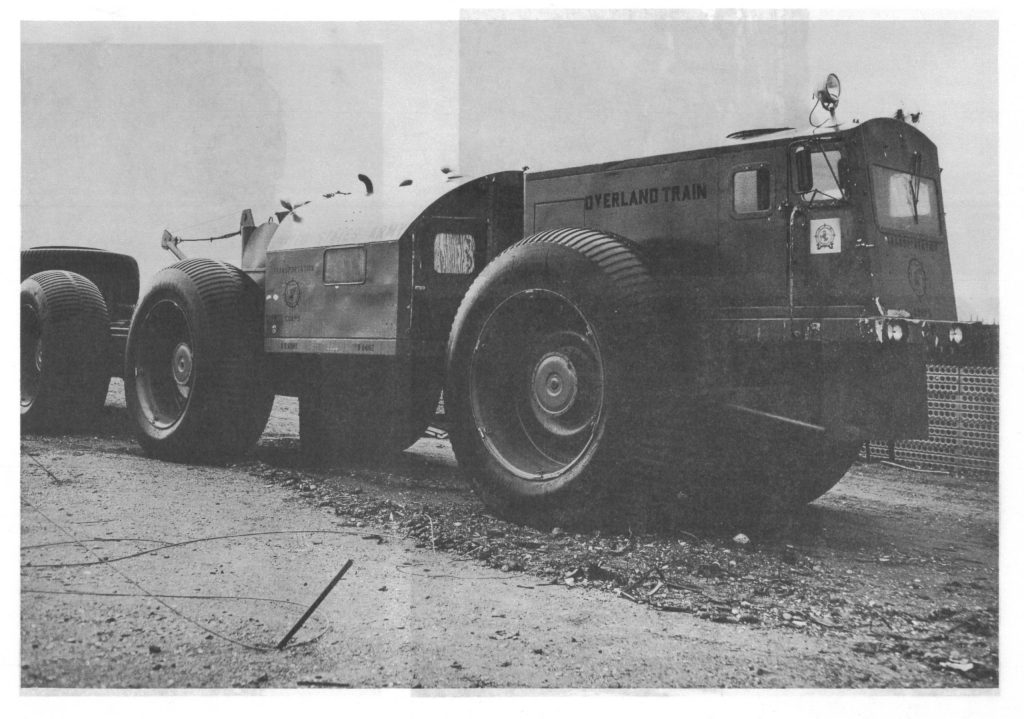
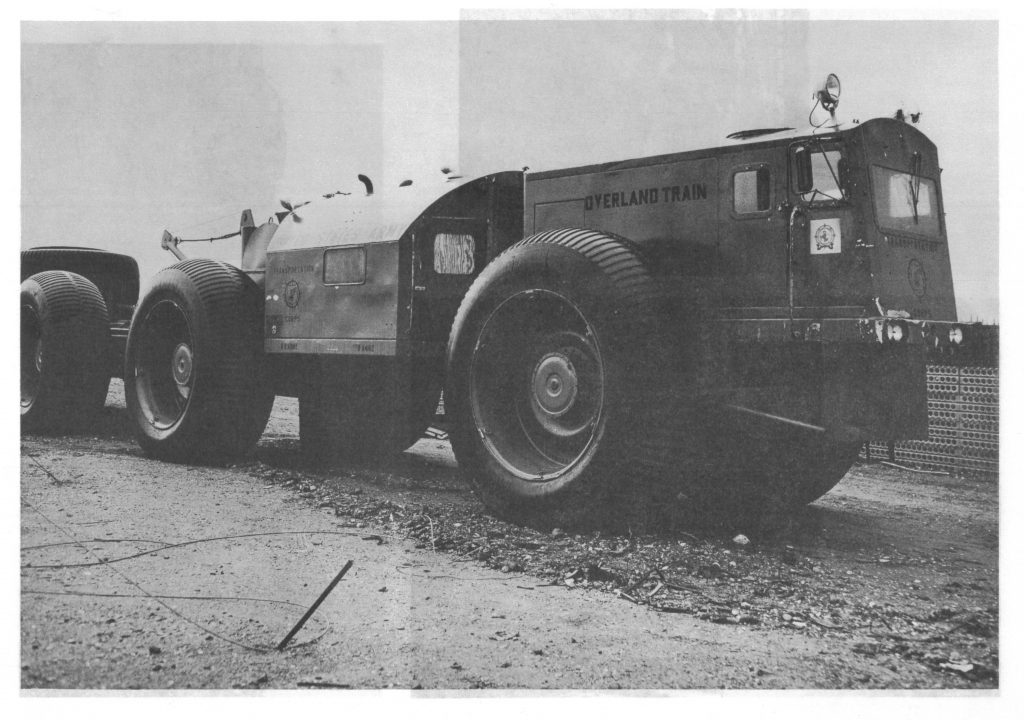
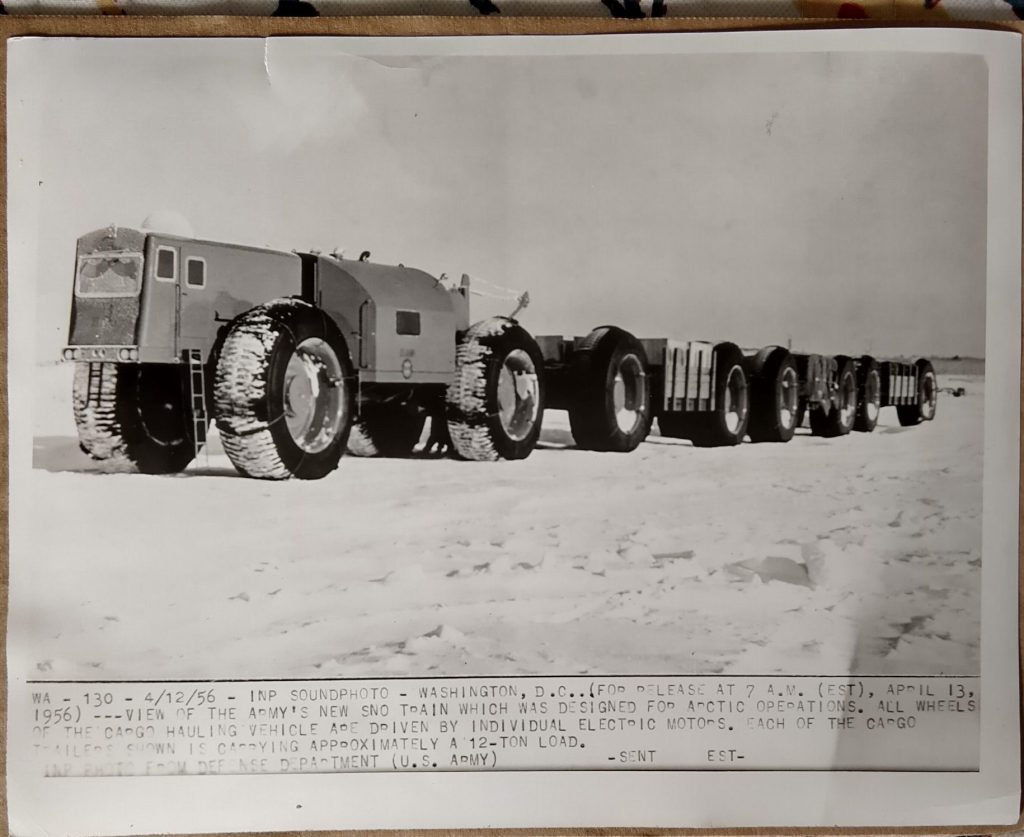
      The Army’s Sno-Train is carrying a 12-ton load of an unspecified material. Even though images include dates, and sometimes locations, they can be wrong. I look for clues that could help me establish a possible location. For example, in March of 1956, the Sno-Train was shipped from the factory in Longview, TX to Houghton, MI for testing. The Sno-Train image doesn’t show a V-shaped push guard under the main cab. This addition wasn’t added until it arrived in Greenland in 1956. Images like this tell a story. You just have to know where to look.

      LeTourneau Army Sno-Train dated 13Apr56