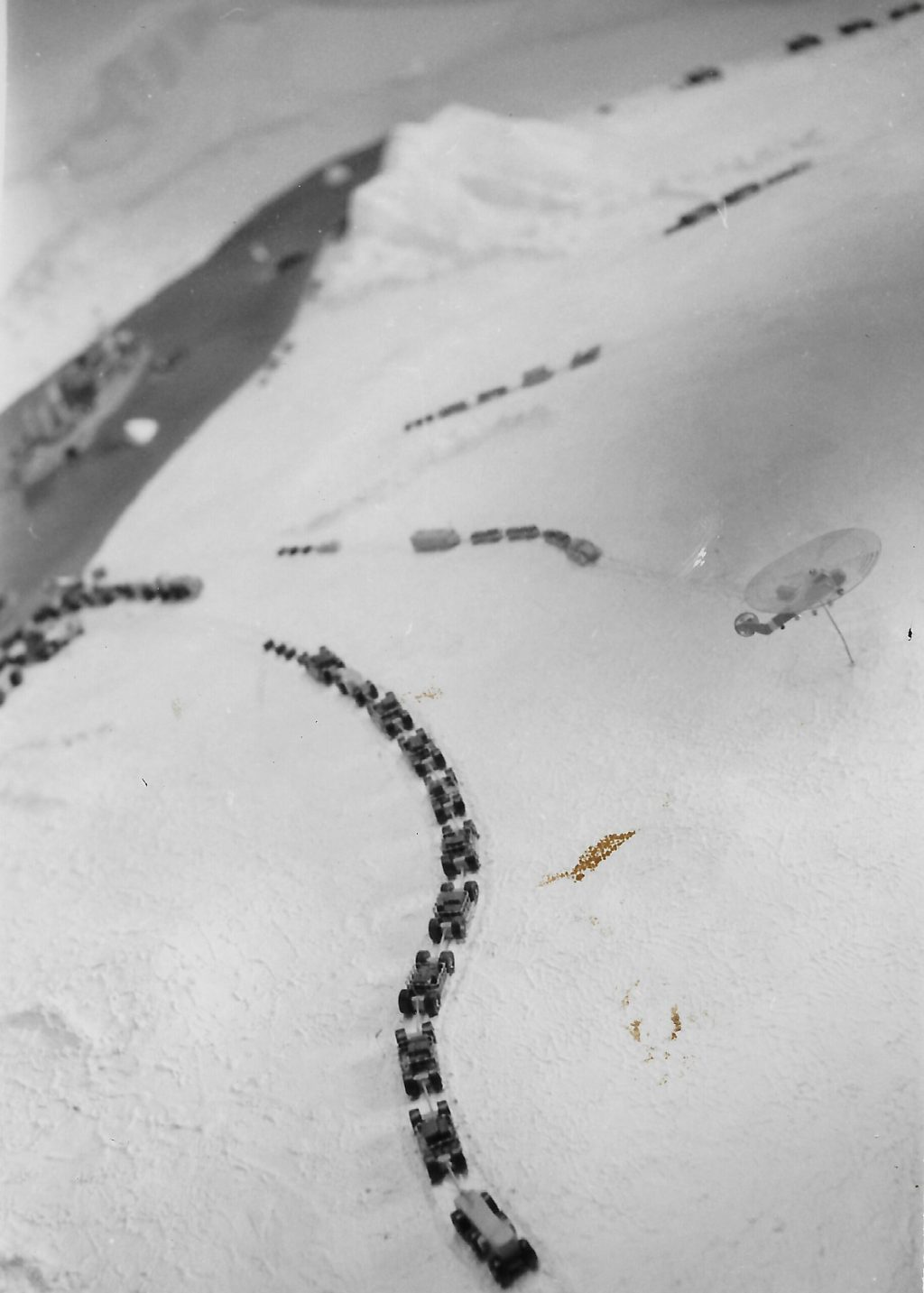
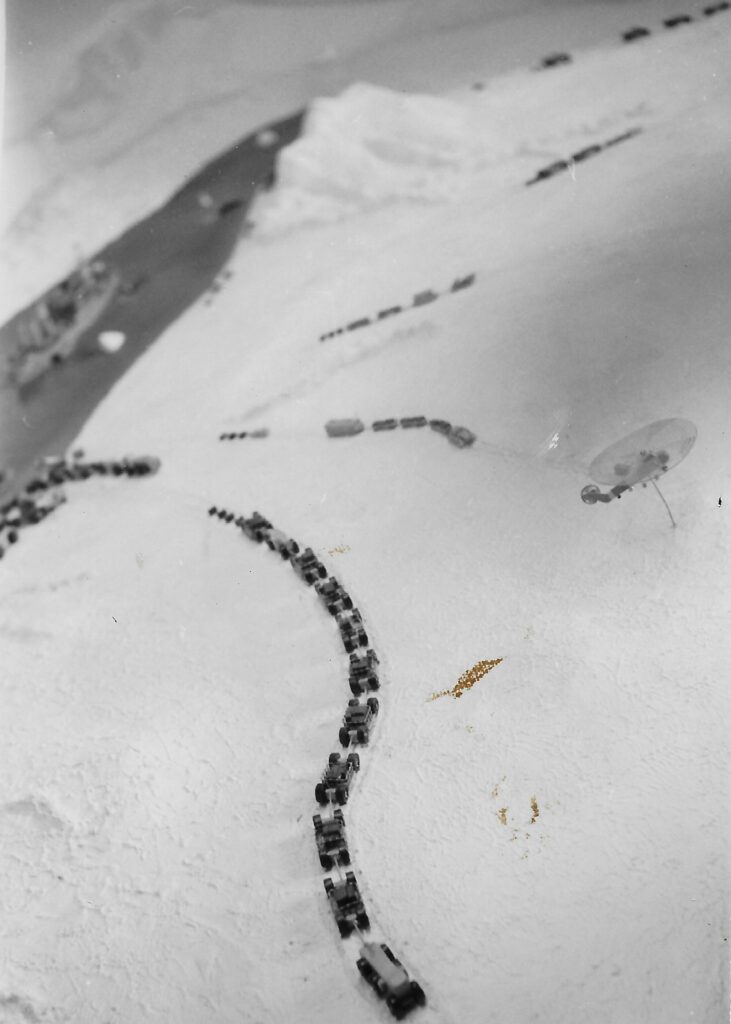
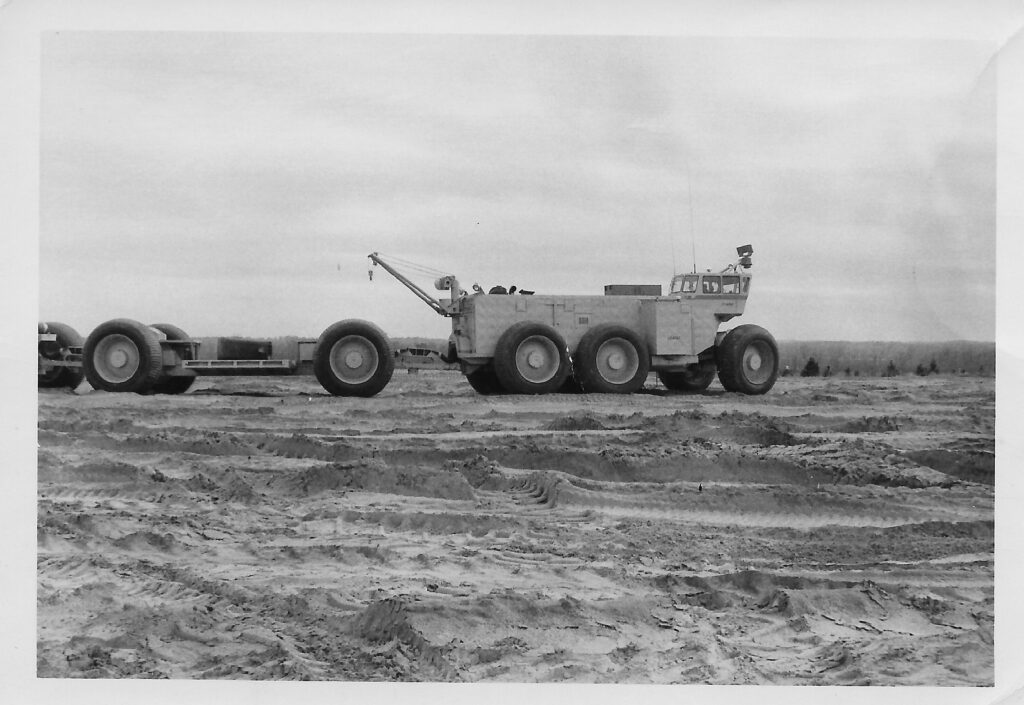
Last month I was contacted by a man who said that his father worked at R.G. LeTourneau’s Longview, TX factory. He went on to provide a fascinating story of his father’s birth country of Thailand and a Thailand Army Colonel – more on that in my book. The man included several images of the Overland Mark 2 (Mark 2) while it underwent testing at LeTourneau’s Longview factory. He also provided the image below of an Arctic scene with the Mark 2 in the foreground. In the model image below, the Mark 2 has 10 trailers and the control car leading the charge. It is difficult to say for certain, however there appears to be 4 Rolling Liquid Transporters, or RLTs trailing the Mark 2. These were trailers with very large, balloon-like tires designed to carry fuel. The remaining scene shows a ship (top-left) with a helicopter (middle-right), and what appear to be swings, or vehicle convoys, in the middle and top-middle.
Arctic Scene with Overland Mark 2. Image Virothai “Vic” VessakosolOverland Mark 2 in Longview, TX. Image Virothai “Vic” Vessakosol
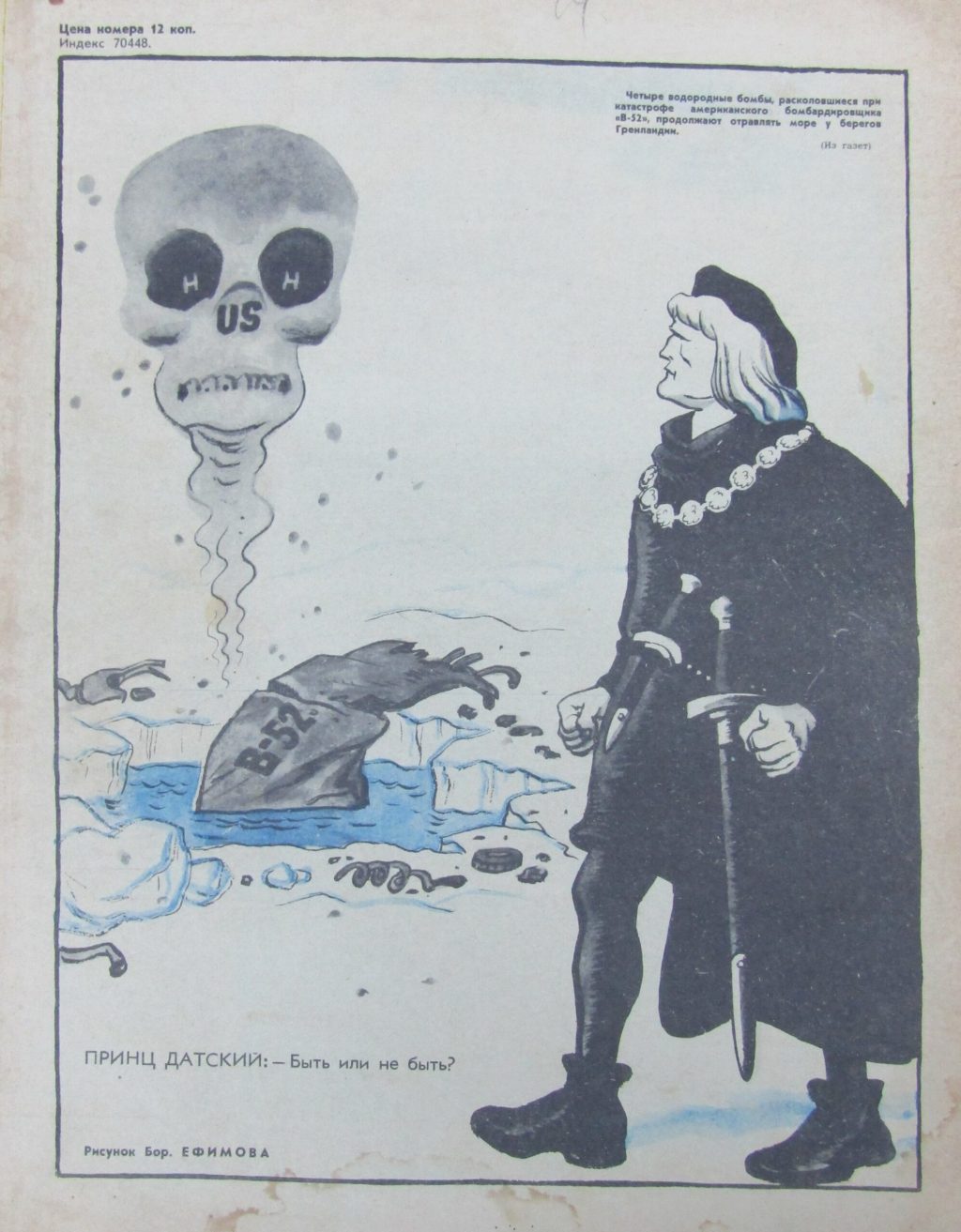
The Russian humor/satirical magazine “Crocodile” began publishing in 1922. During the United States Greenland build-up, the Soviets were watching us closely. Their Moscow Millie radio propaganda broadcasts knew intimate details about the service members that were at the base. For example, the broadcast would call out service members by name and state the hut number where they bunked. Investigators into information leakage at Thule Air Base never revealed their findings. It was assumed that the more than 8,000 individual contractors that helped build the base were leaking information to the Soviets.
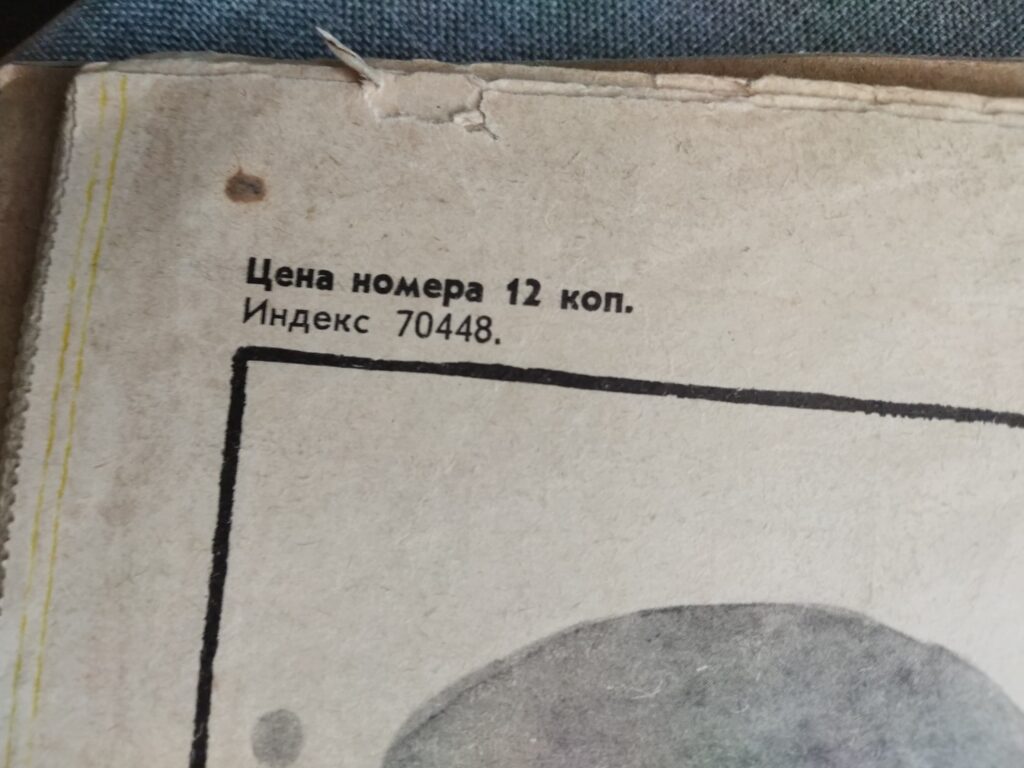
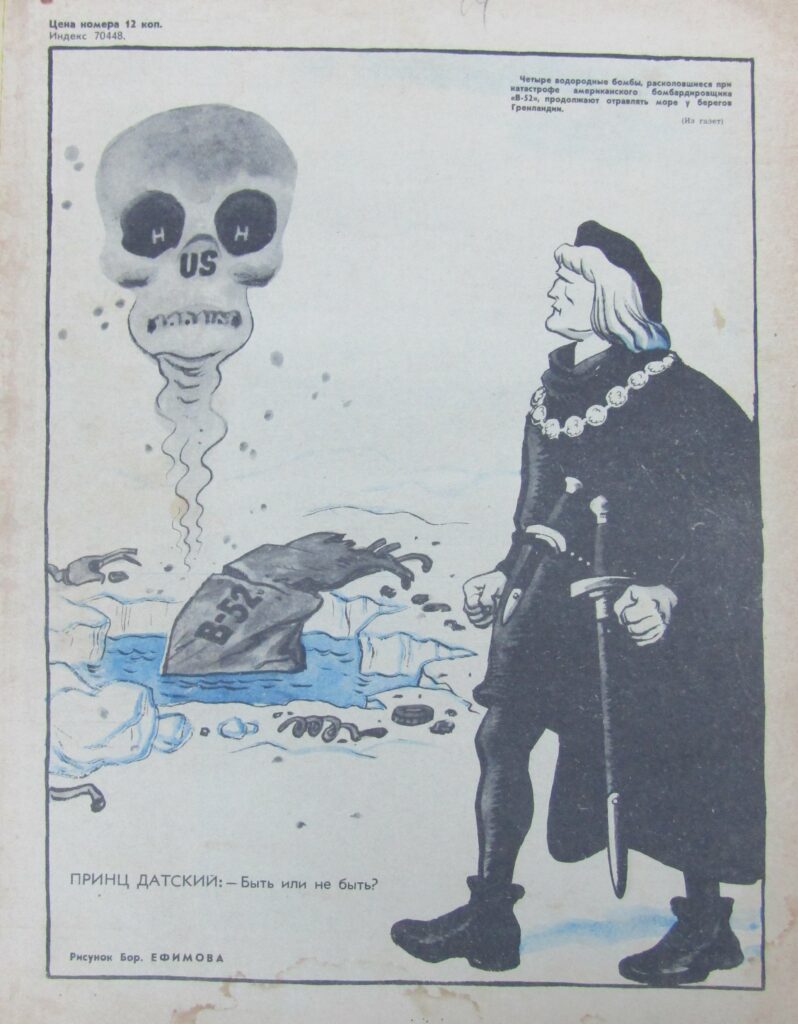
In the magazine below, the Soviet magazine “Crocodile” depicts the January 21, 1968 crash of an American nuclear B-52 bomber. The crash was caused by a a crew member placing seat cushions in a heater vent, which later caused a fire onboard. The smoke became so thick that the pilot lost visibility and it crashed. Unknown to the Dutch, the United States had been conducting flyovers with nuclear bombs. The B-52 bomber crashed on the northwest corner of Greenland – Wolstenholme Fjord. 6 of the 7 crew escaped by parachute before impact and the subsequent fire. The fire broke up the hydrogen bomb’s fissionable nuclear material and leaked radiation into the fjord, contaminating the surrounding waters. Russian translation are in the captions. Thank you for the translation Irina. “Crocodile” ceased publication in 2008.
The price of the issue is 12 cents – kopeek are similar to American cents. Index 70448
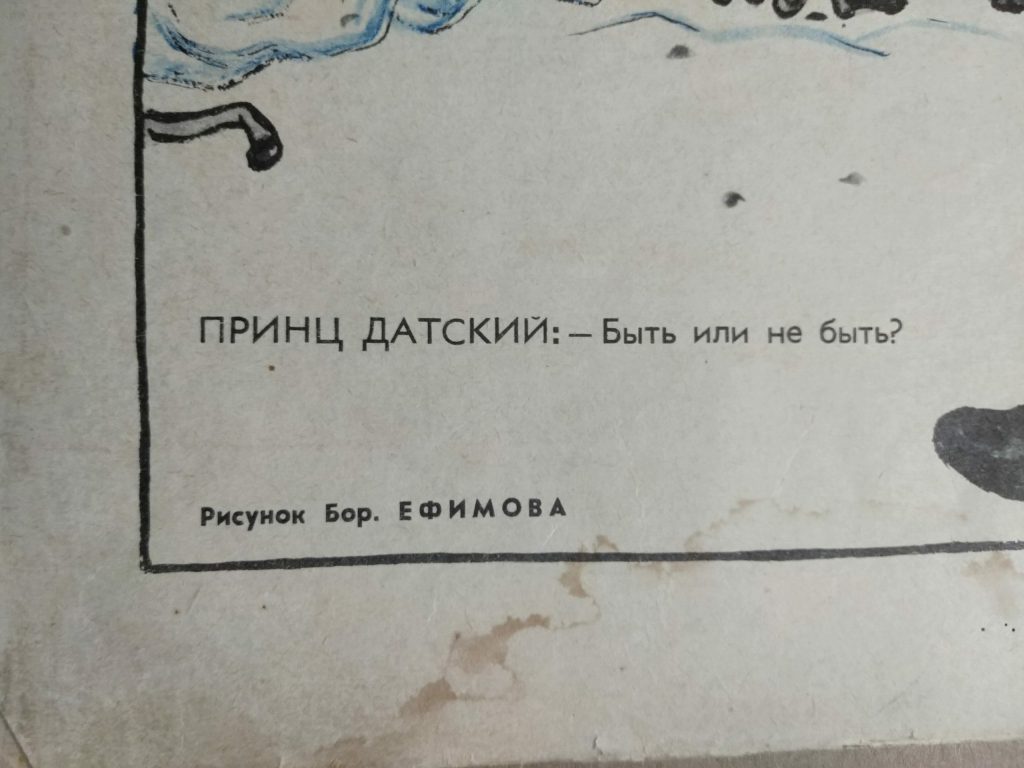
Dutch Prince: “To be or not to be” Drawing by Bor. Efimov
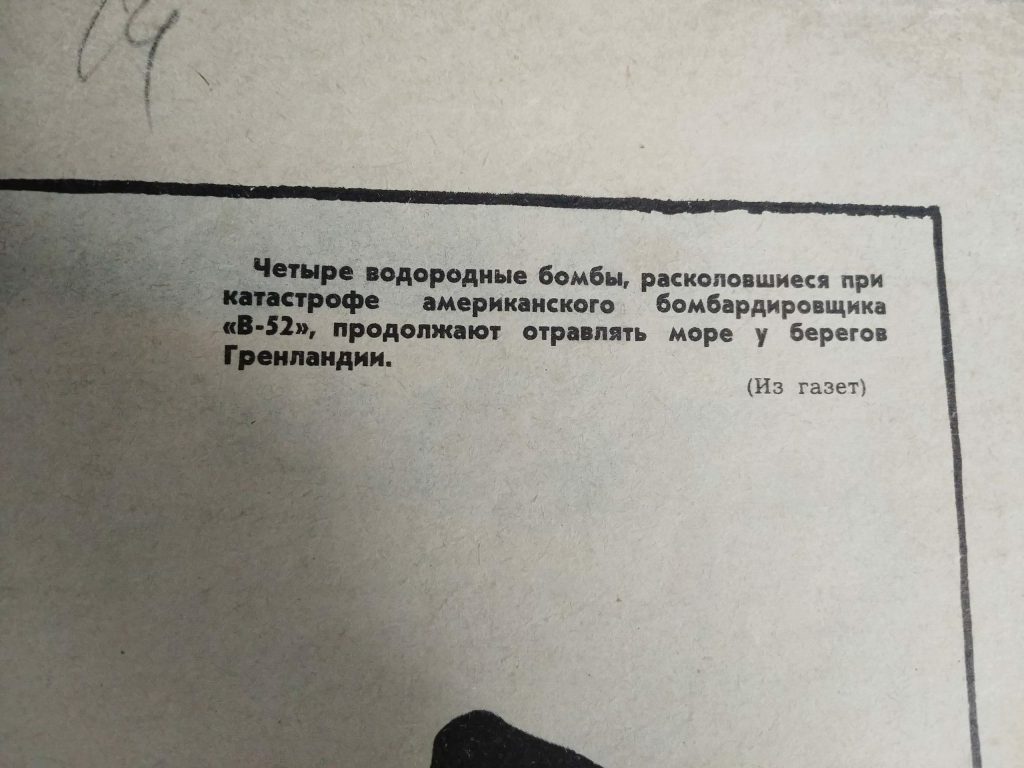
Four hydrogen bombs, that were broken and opened up upon the crash of American “B-52” bomber, continue to poison the see at the coast of Greenland.
Close-up of the three text areas on the magazine back page
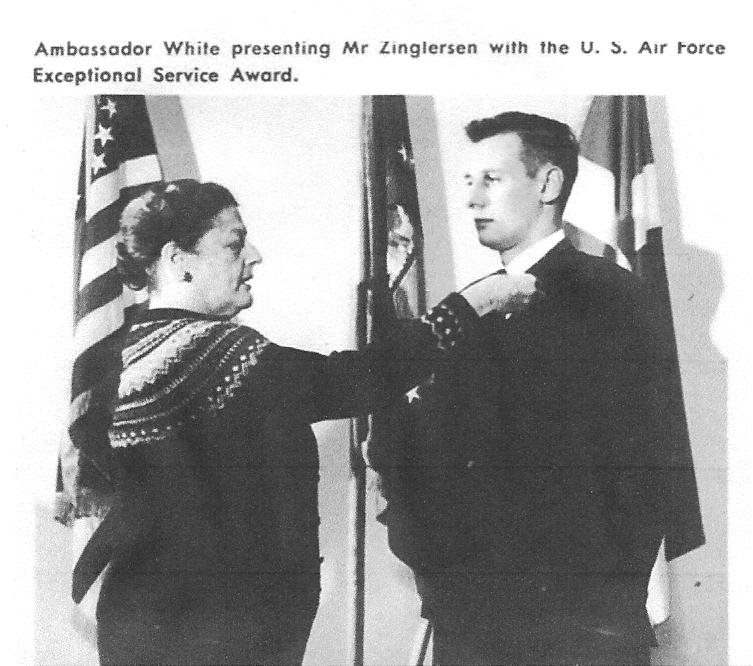
Jens Zinglersen and Jim Calhoun are the only two living members of the United States Air Force EOD SAC team that had the responsibility to find and recover, whatever that was left of the 4 hydrogen bombs. The B-52 crashed with 4-MK28 hydrogen bombs 11 kilometers west of Thule Air Base. The rescue and recovery took 9 months. Jim Calhoun retired as a Chief Master Sergeant after 20 years of service.
Jens Zinglersen receiving the Exceptional Service Award by Ambassador White.
The Prince depicted above is the Soviets depiction of “HAMLET.”
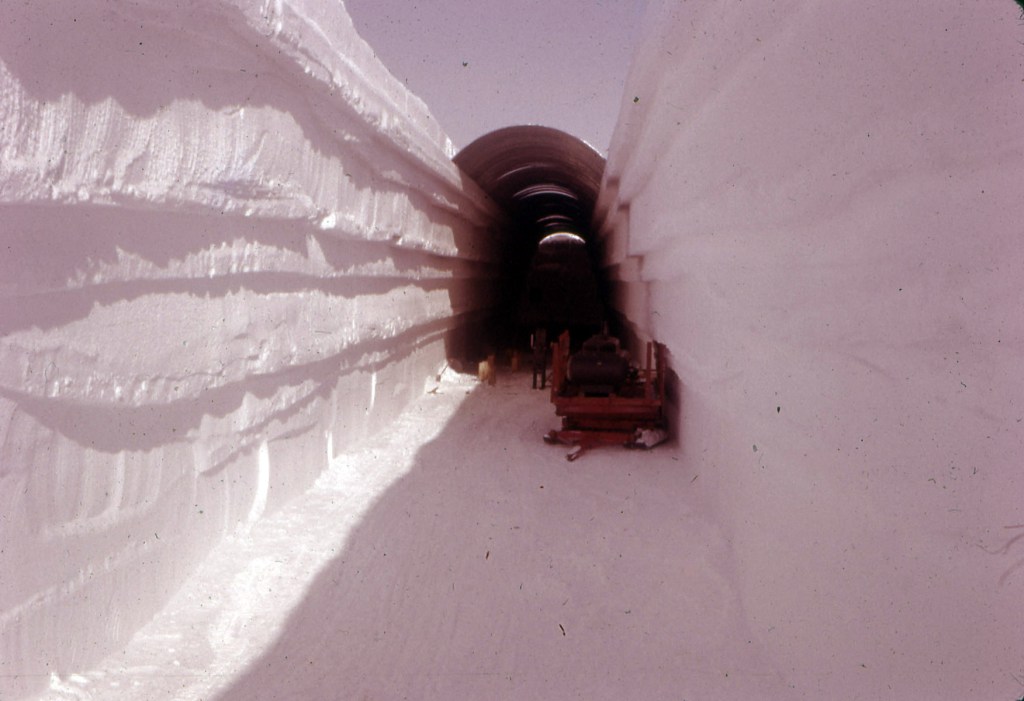
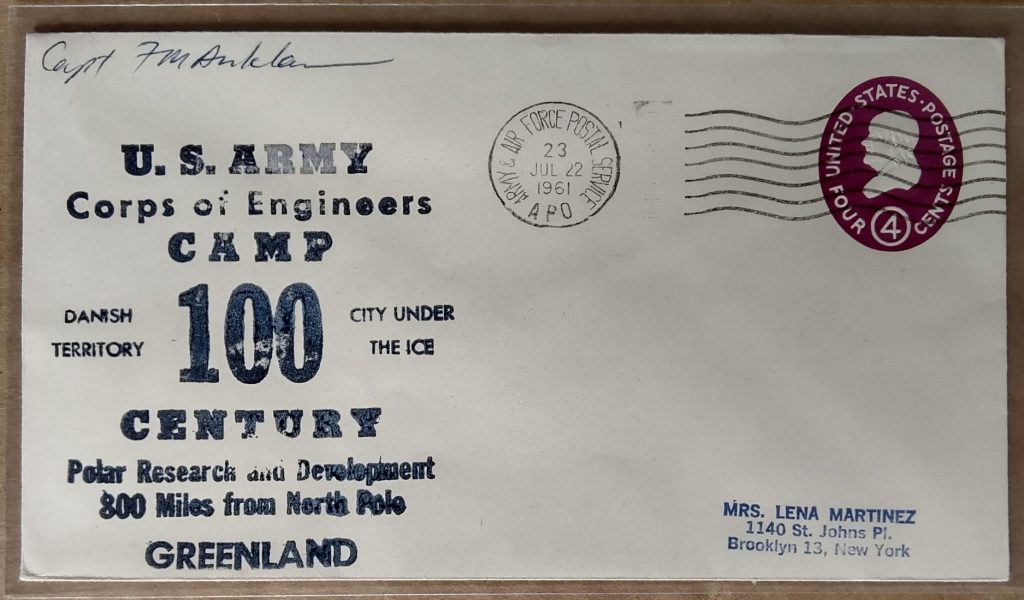
In the late 1950s, the United States Army (USAR) started carving ice tunnels in the Greenland ice shelf. The tunnels formed Camp Century, secretly known as Project Iceworm. Publicly, Camp Century was a research and development station. Ice cores sampled during this time are the foundation for scientists climate change assertion. The first functional nuclear power station, as part of the Army’s Nuclear Power Program, went CRITICAL in Camp Century – the reactor was called PM-2A and built by ALCO. Project Iceworm’s mission was to determine the feasibility for the Greenland ice shelf to support nuclear missile launches.
Letter stamped with Camp Century processed through Army and Air Force Postal Service dated 22July61.
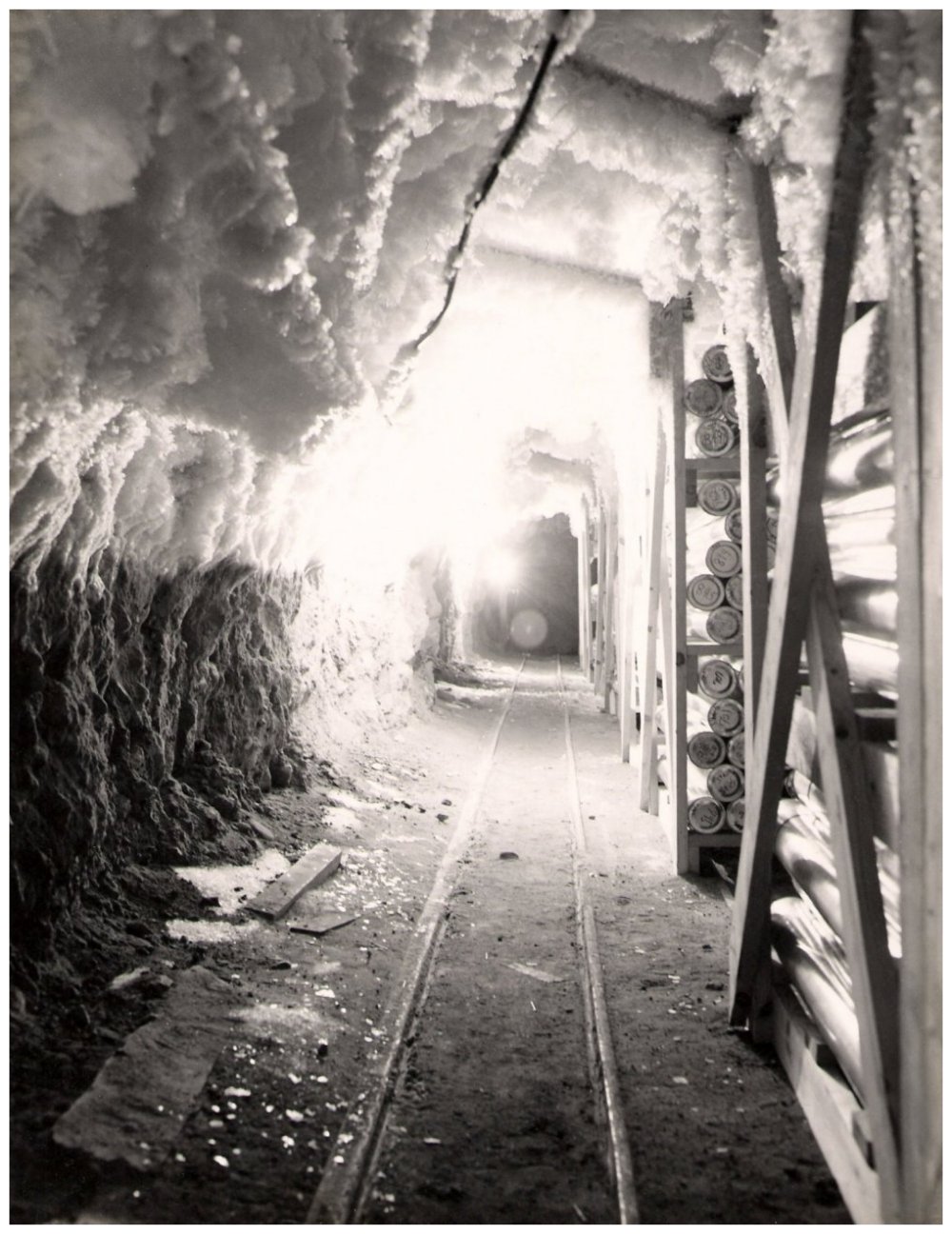
A couple of decades after Camp Century was abandoned, a 1962 memo was found, detailing Project Iceworm’s proposal. The USAR really wanted to determine the feasibility for the Greenland ice shelf to support 600 nuclear missiles, targeted at the Soviet Union. The missiles would be moved around, under the ice sheet, by rail. The warheads would be safely concealed under 28 feet of ice, with a surface area equal to the state of Alabama.
photo: A. Haynes
In 2013, the United States Air Force Nuclear Weapons Center was planning to award several study contracts, worth up to $3 million each. The goal of the study contract was to figure out how to extend the operational life of the Minuteman III missiles.
There were two possible outcomes that the Air Force was looking to pursue, (1) maintain the current Minuteman III missiles until around 2030 or, (2) replace the current setup with a new ICBM that would be hidden within a trackless, underground subway system. The cost of developing a complex underground system would be a considerable, with figures between $52 billion to $210 billion.
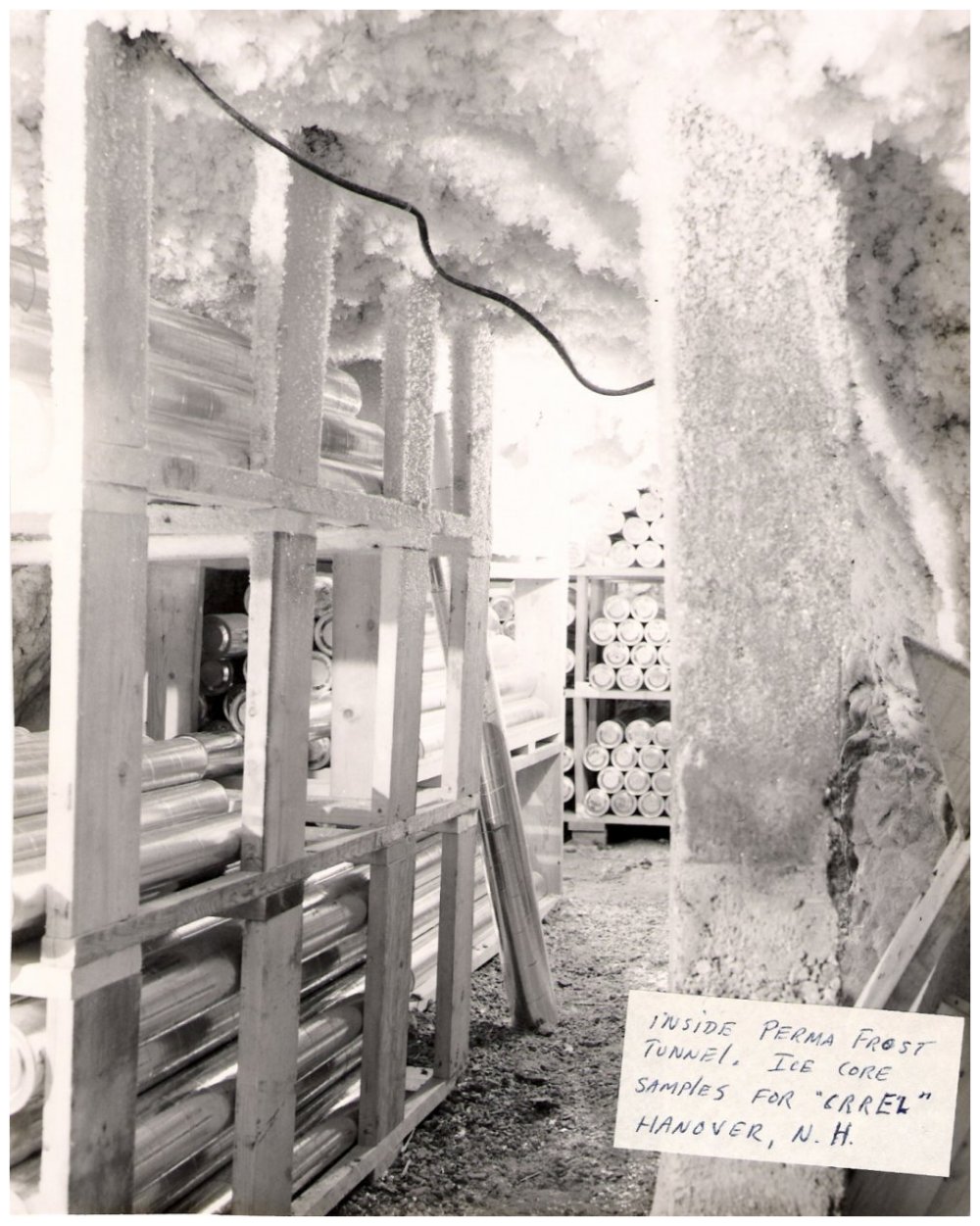
In 1966, after 3 years of drilling, Cold Regions Research and Engineering Laboratories (CRREL) reached 4,550 feet deep in the Greeland ice cap. Data revealed within these ice caps helped shape information about climate change. The images below are some of the CRREL ice cores. These images were captured by SGT. Bill Simmons during the summer of 1967. He drove heavy swings from Camp Tuto to Thule.
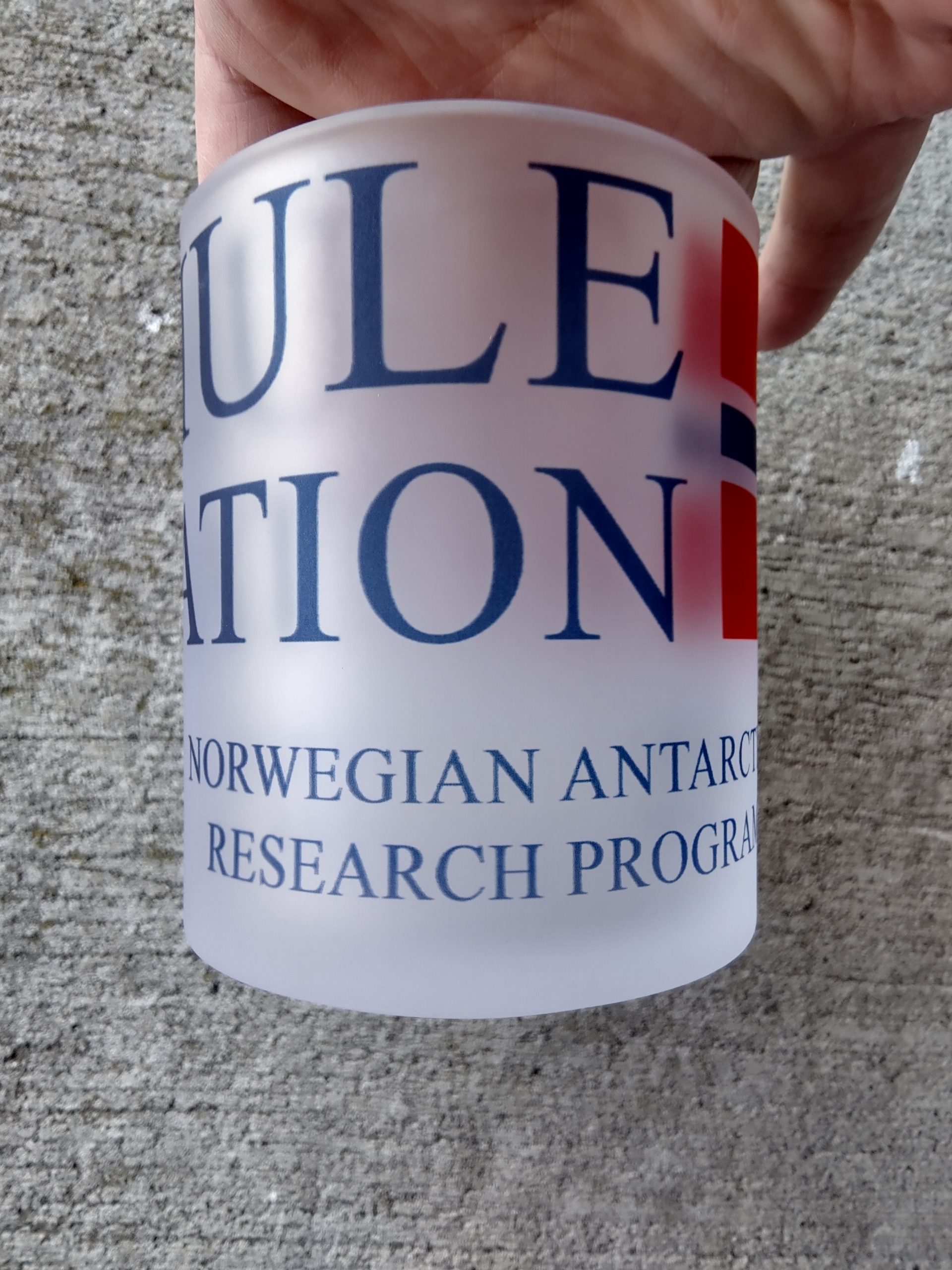
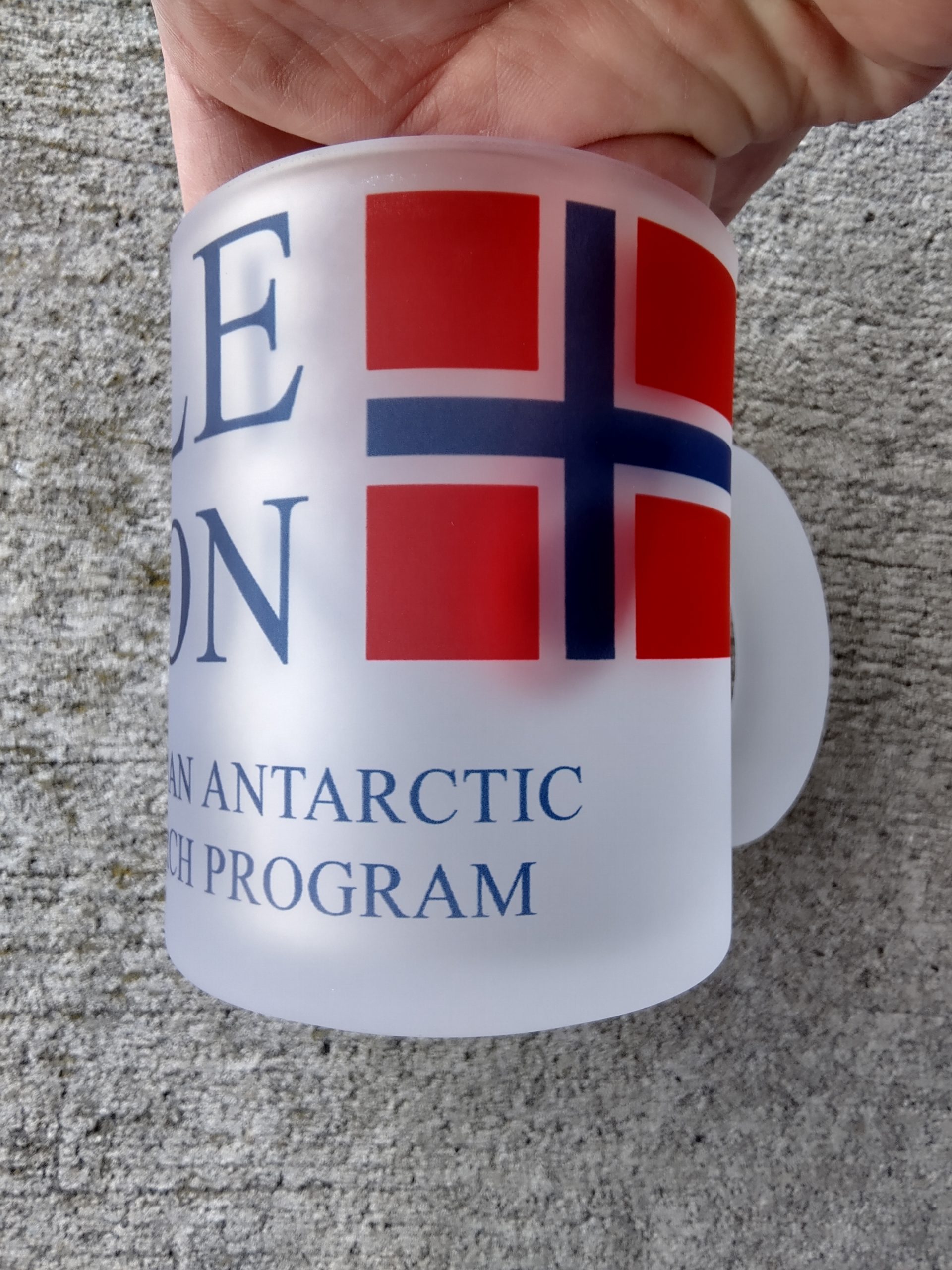
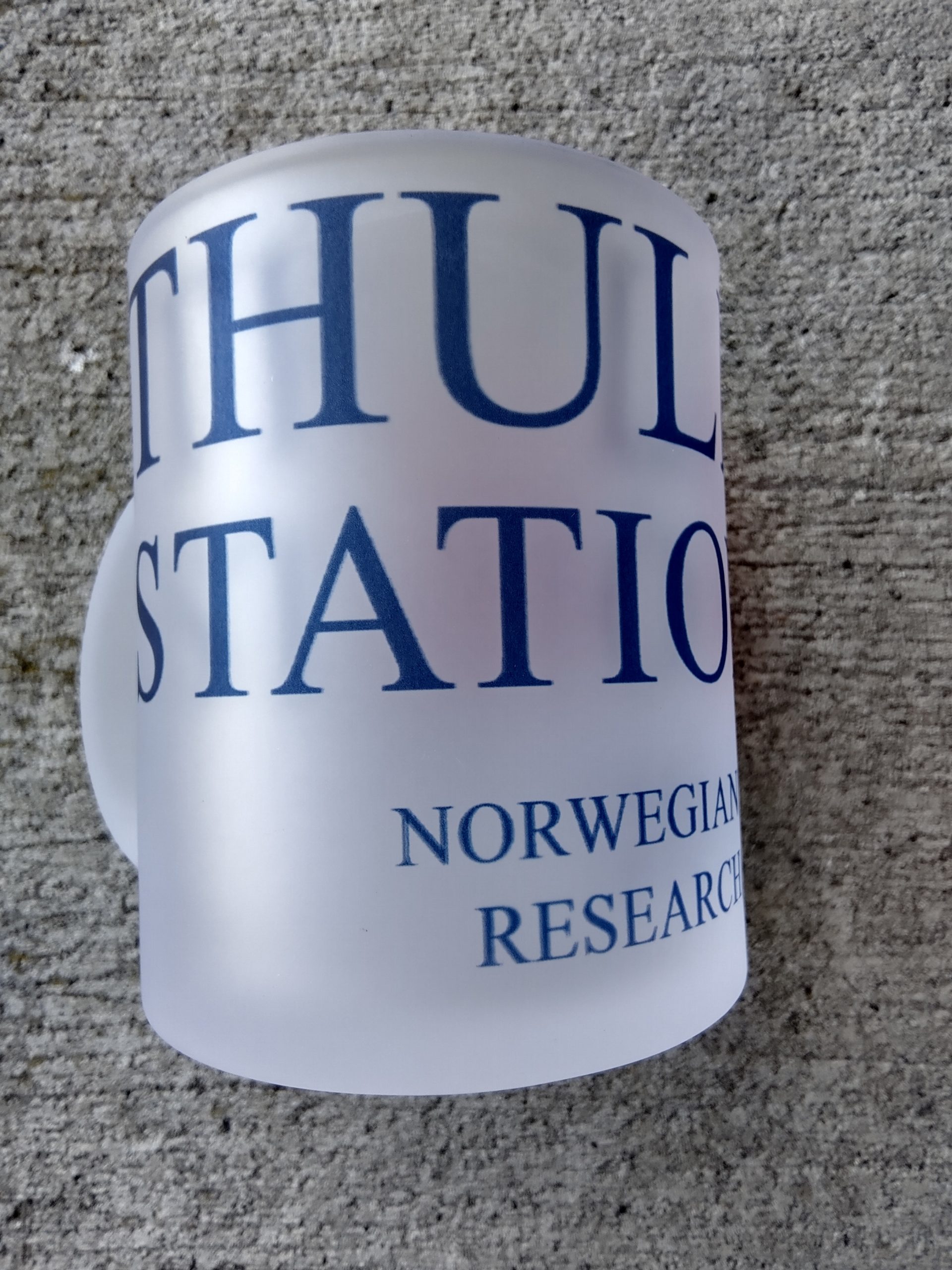
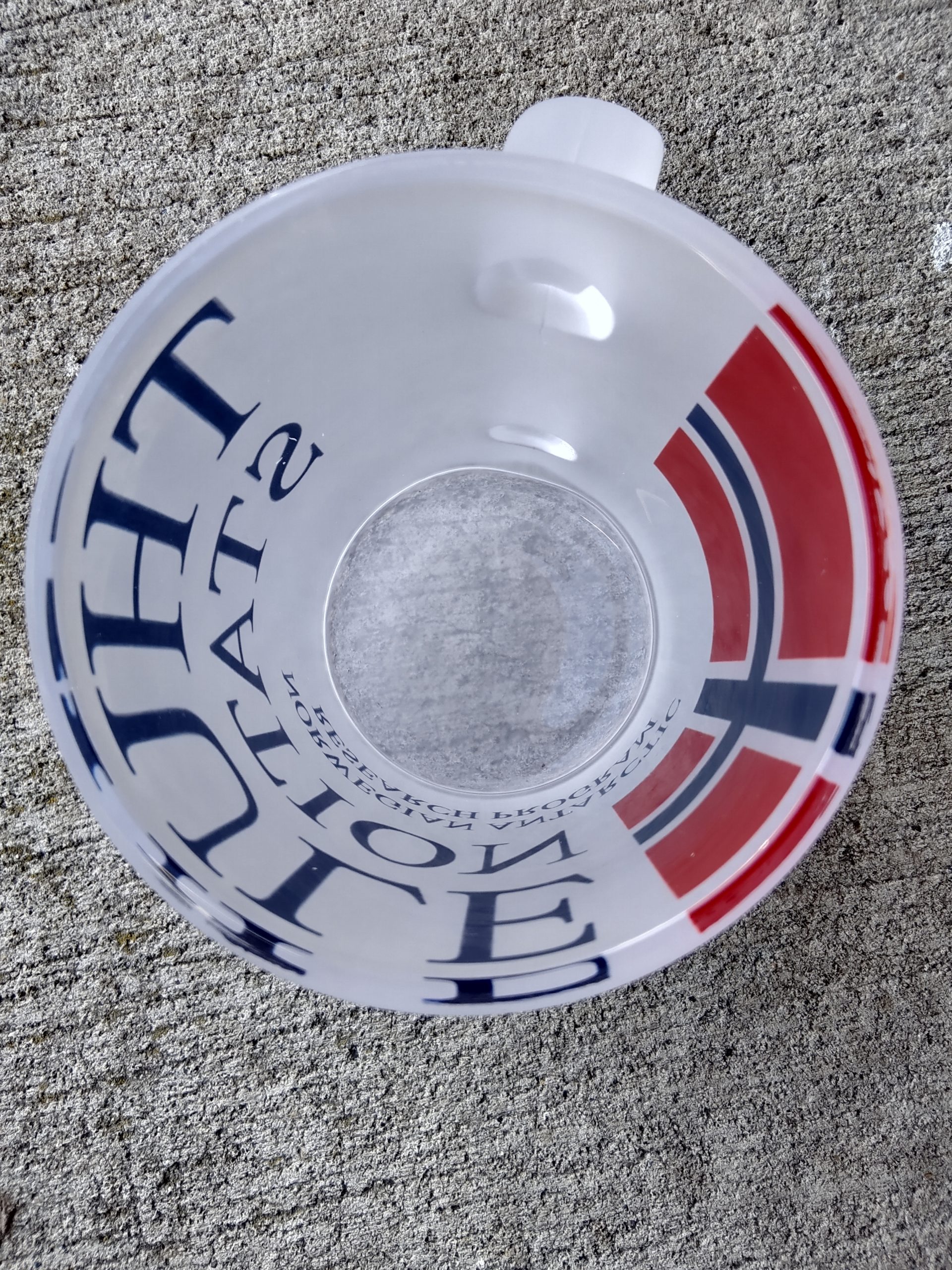
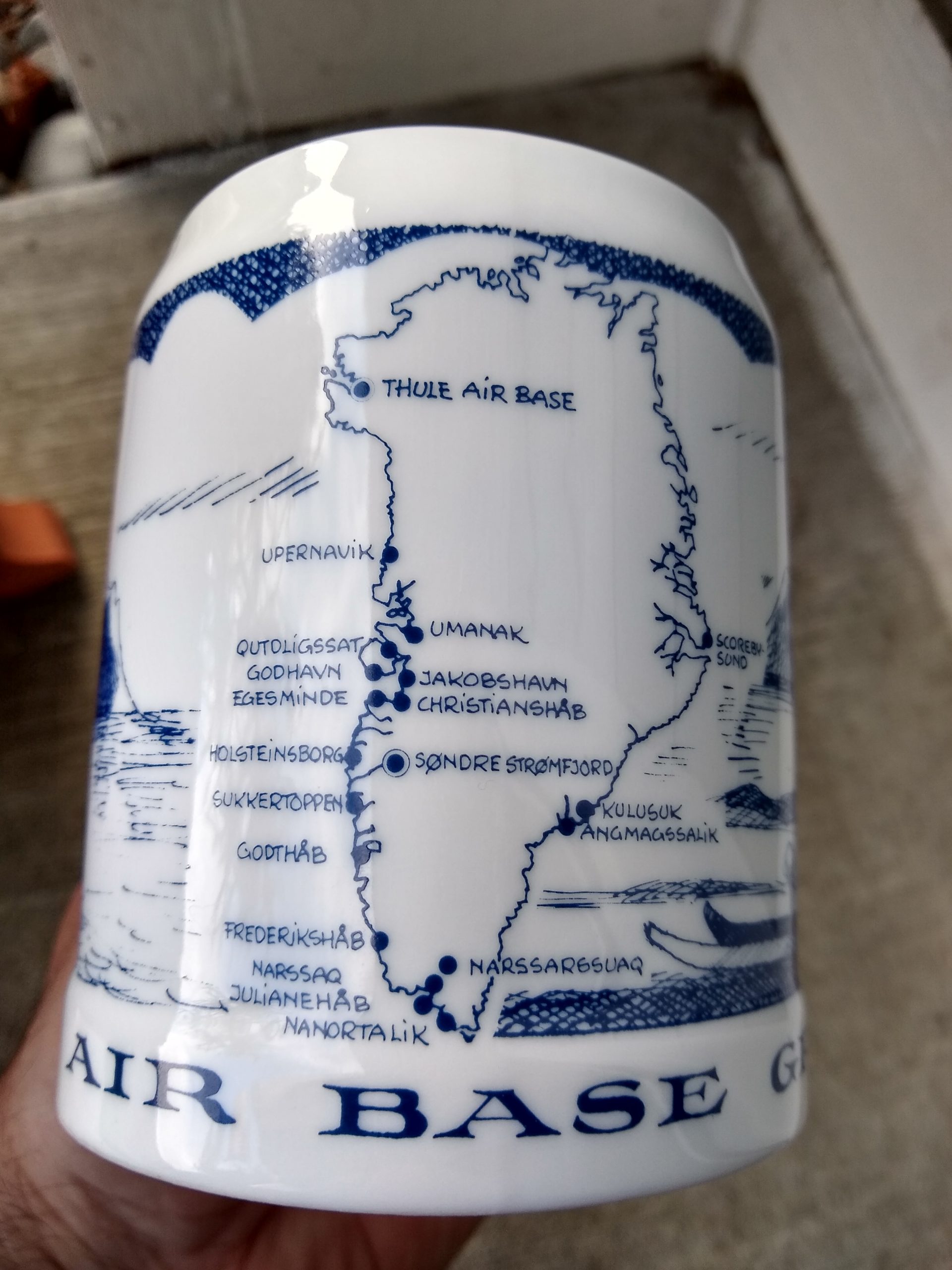
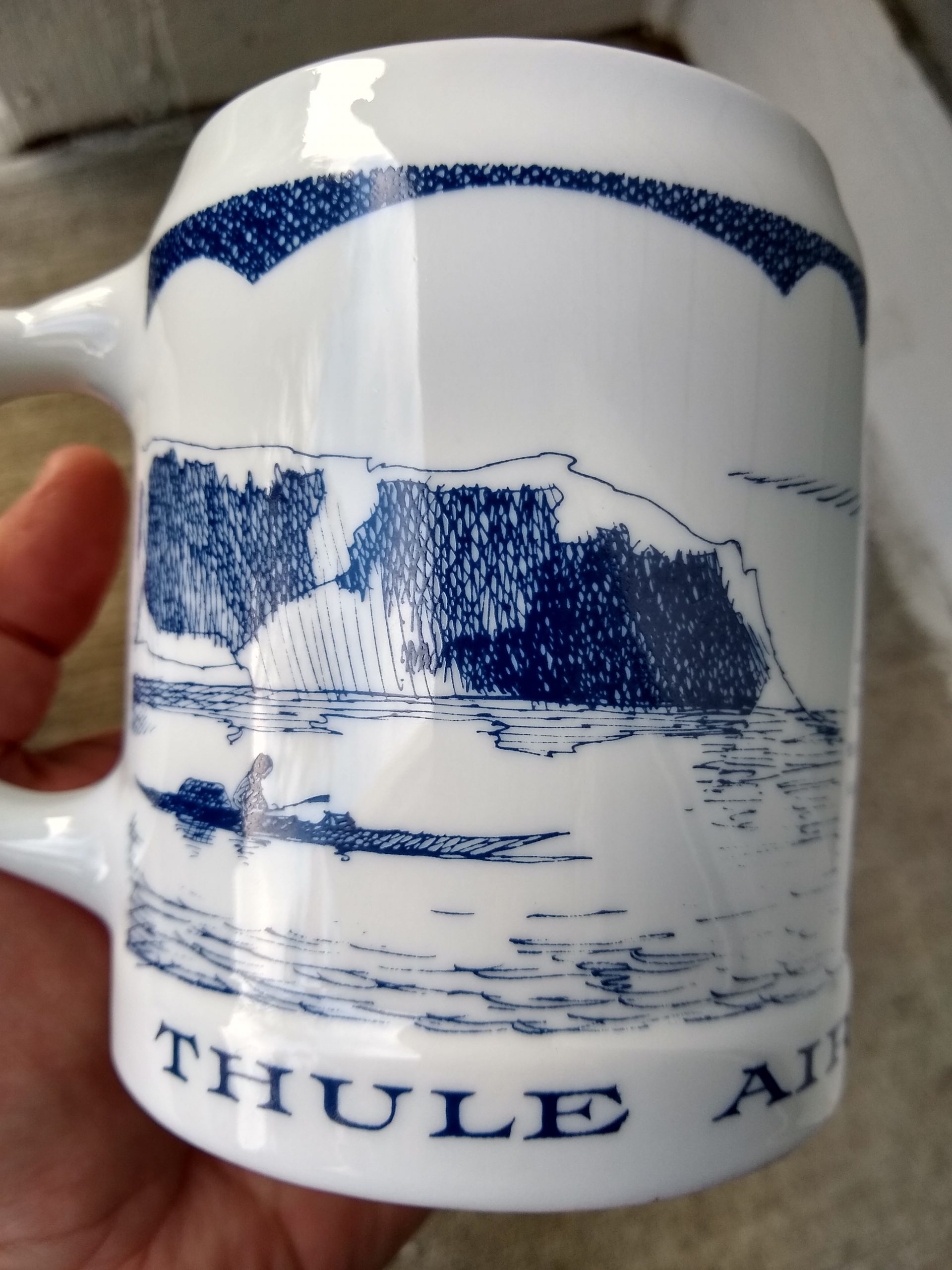
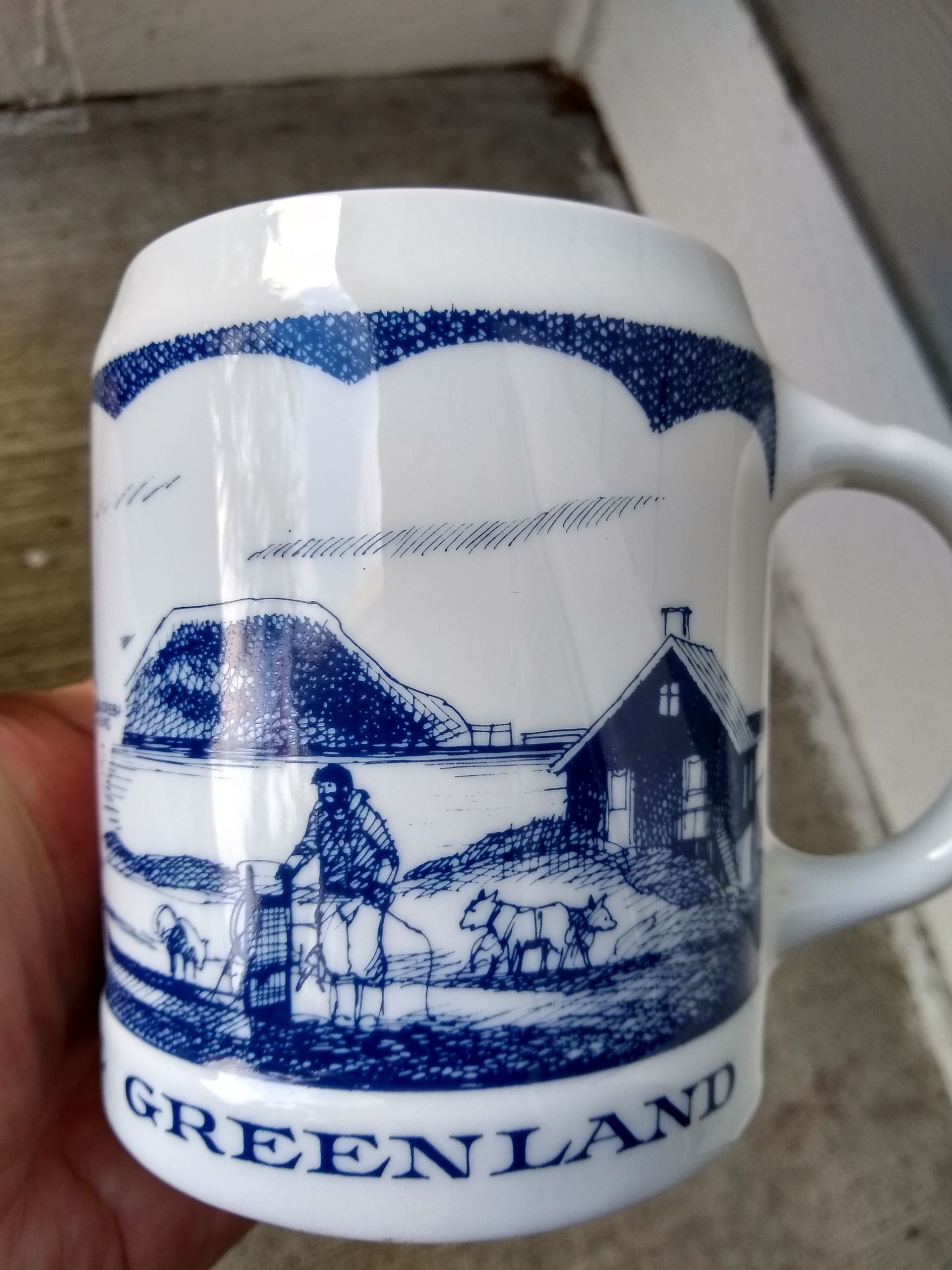
the Norwegian Antarctic Research Program’s Thule Station was established in 1995. It is located in Pituffik, Greenland (Thule Air Base (U.S.)). I bought this mug online.
This is my second Thule Air Base mug. The most recent mug is porcelain and glazed, whereas the first mug has a grainy texture. These make fantastic coffee cups. More importantly, they represent a fantastic time in Arctic history.
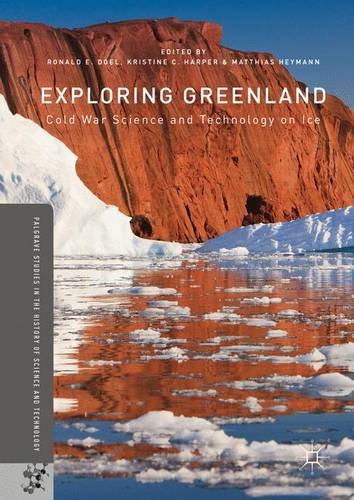
“Exploring Greenland: Cold War Science and Technology on Ice (Palgrave Studies in the History of Science and Technology,” 1st ed. 2016 Edition, by Ronald E. Doel (Editor), Kristine C. Harper (Editor), Matthias Heymann (Editor).
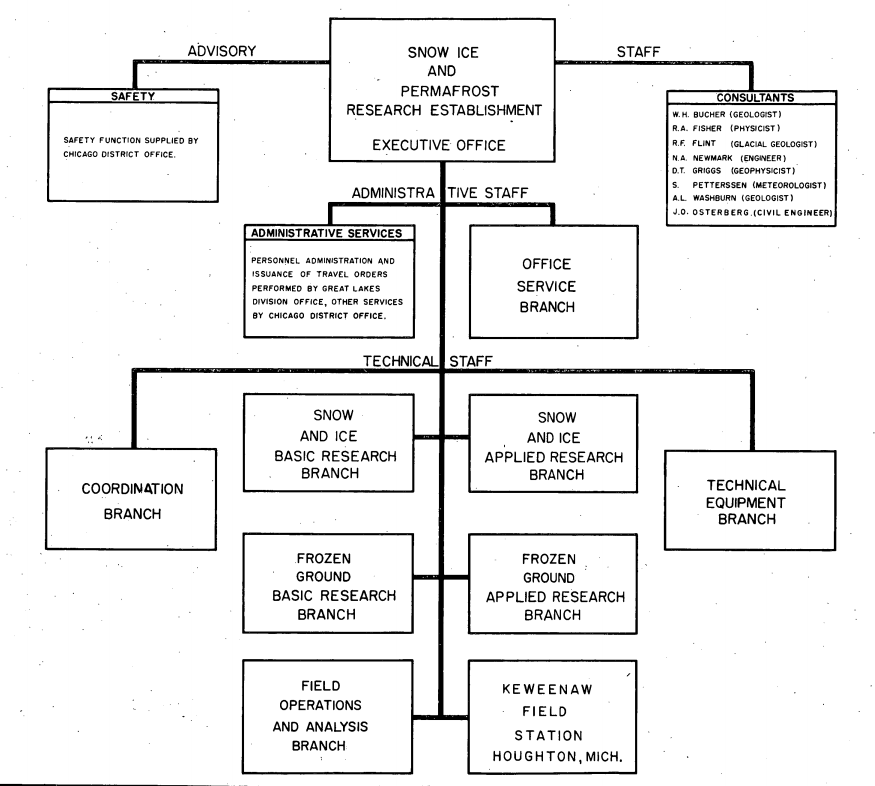
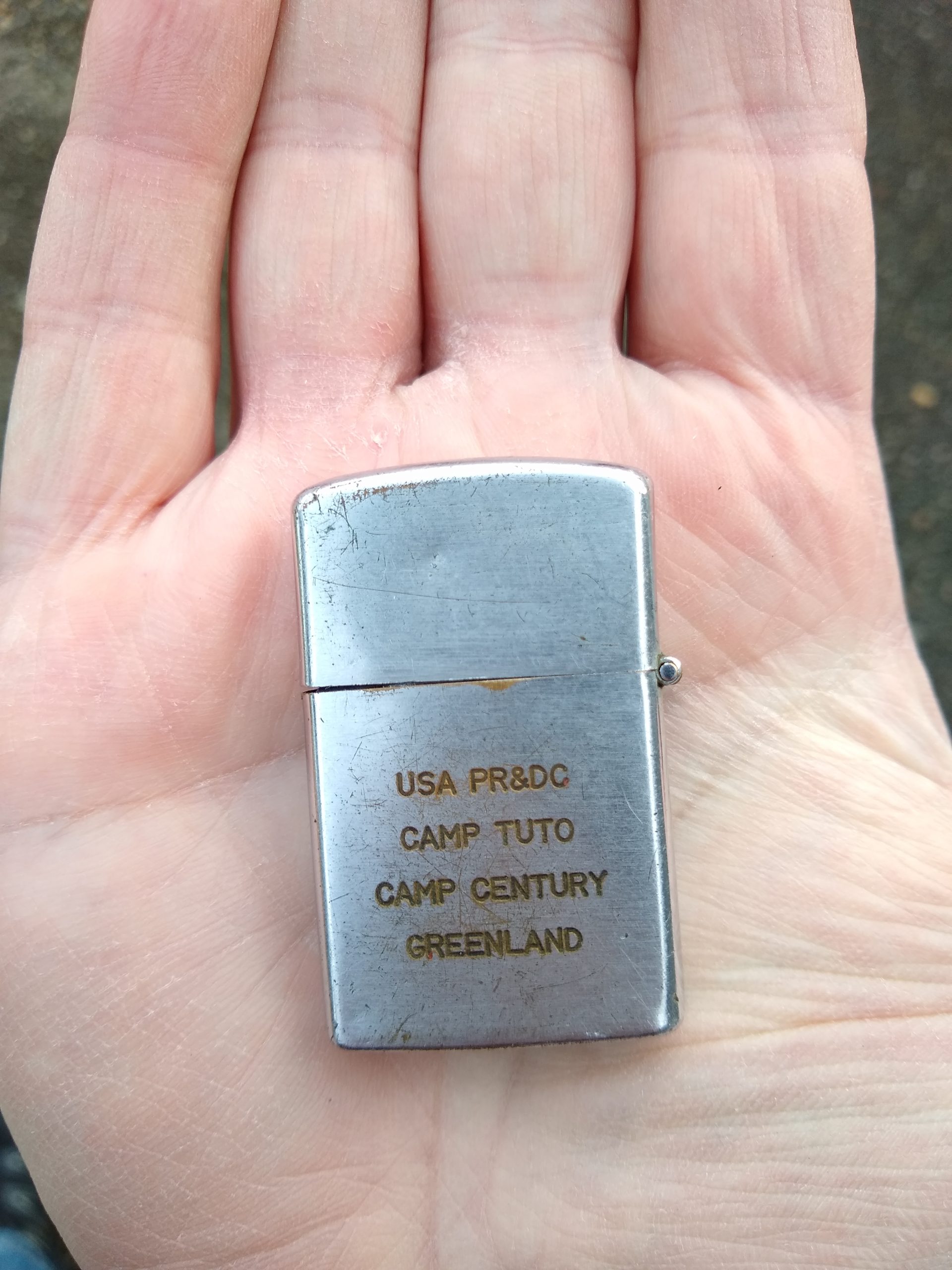
Camp Tuto and Camp Century housed service members from the U.S. Army Polar Research & Development Center. Writing a book on the R.G. LeTourneau Overland Trains has taught me a great deal about how the United States pushed boundaries to learn about their new Arctic operating environment.
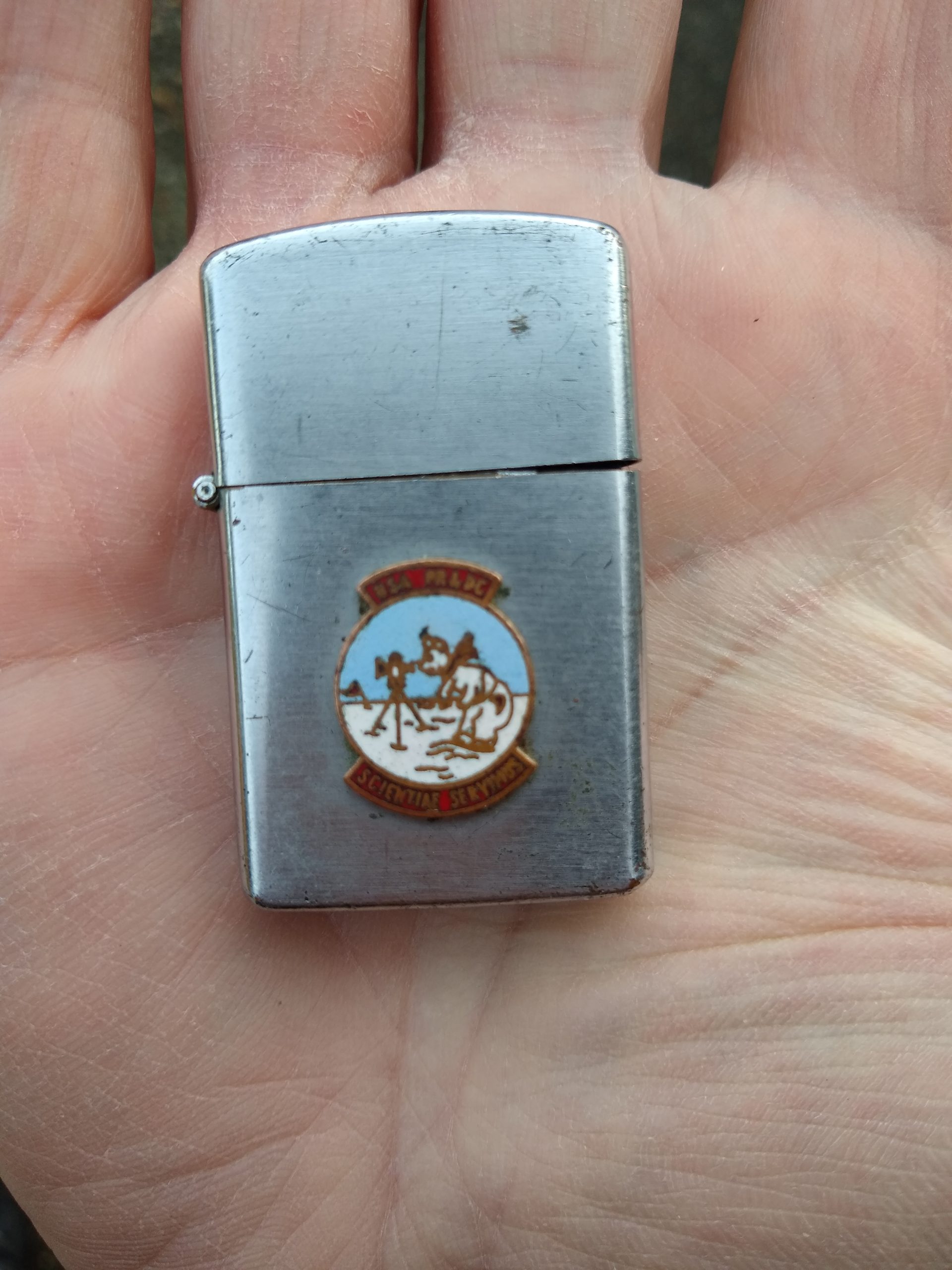
When I find relics like this on the internet, I tend to latch on and buy them. Aside from being ridiculously small, this Vulcan lighter captures a small, but distinguished piece of time.
The light logo says “Scientiae Servimus” on the bottom of the logo – meaning Scientists that Serve.
“The Ice at the End of the World: An Epic Journey into Greenland’s Buried Past and Our Perilous Future” by Jon Gertner. The author has successfully captured my interest with the book. It starts out in the late 1800’s with Nansen’s exploration of Greenland. It took me 2 days to reach Chapter 6, Thule.

 Overland Trains